



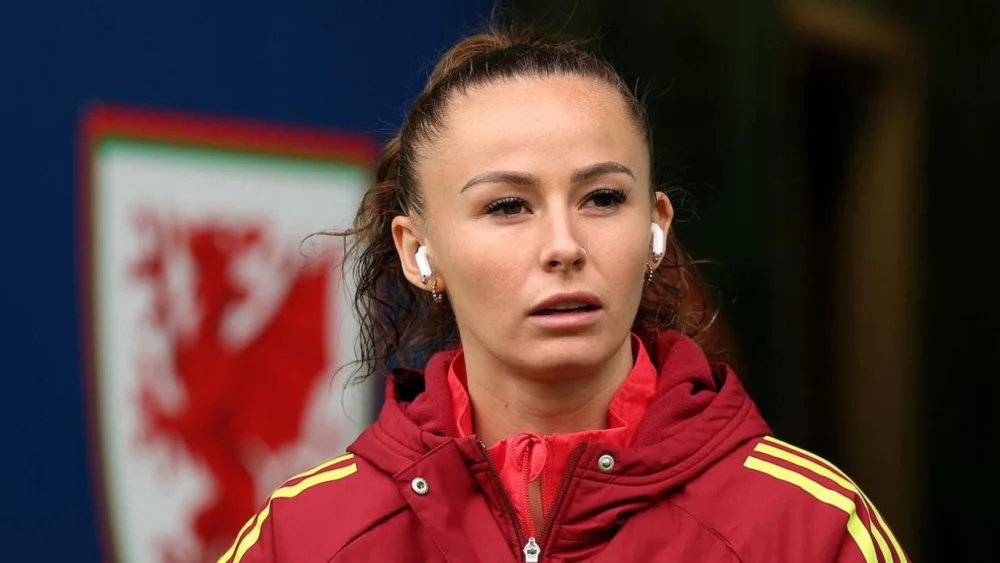
Wales international Hannah Cain has spoken out about the severe impact of online abuse on the mental well-being of female footballers, describing the content as "really ugly." The Leicester City forward, currently with the Wales squad as they prepare for their crucial opening Women’s World Cup qualifying match against the Czech Republic next Tuesday, highlighted the persistent nature of these attacks.
Cain, 27, has been an outspoken critic of online harassment, having previously stated "enough is enough" earlier in the season in response to vitriolic comments from individuals who she believes are emboldened by anonymity online. She elaborated on the reasons behind her decision to speak out, explaining that the "abusive messages after pretty much every game" for her club had become unbearable.
"As the women’s game has grown in prominence over the years, it has unfortunately opened up a wider platform for people to express their opinions and share their voices," Cain remarked. "However, social media has, in some instances, devolved into a space where individuals feel at liberty to post anything they wish, regardless of its accuracy or decency. The negative commentary can be incredibly harsh, and at times, it is truly ugly."
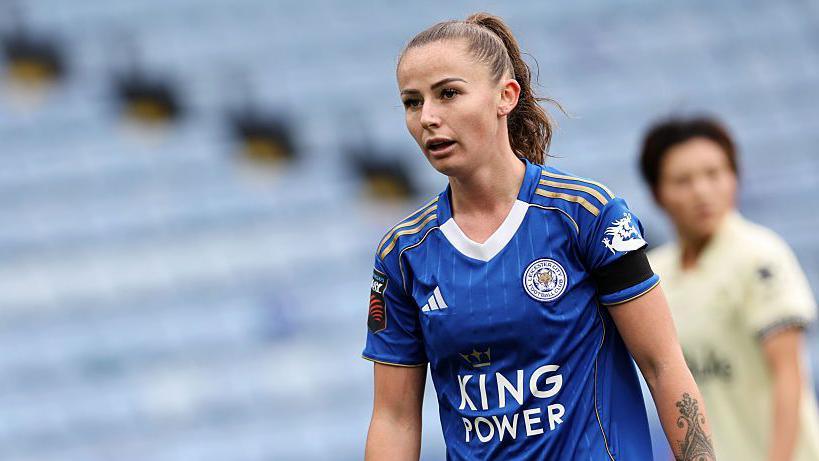
Cain, a former Everton player, has been a key figure at Leicester City since her arrival in 2020. The club is currently navigating a challenging period in the Women’s Super League (WSL), finding themselves at the bottom of the table under manager Rick Passmoor. It was following heavy defeats against Brighton and Arsenal in November that Cain felt compelled to address the escalating abuse she and potentially other players were experiencing.
"During that period, I felt that neither the club nor I were performing poorly, yet certain individuals chose to direct abusive messages at us after almost every match. It reached a point where I felt this was no longer acceptable," Cain stated, her voice firm. "It didn’t matter what I did on the pitch; the negativity persisted, and it does take a toll on you at some point. When you are exposed to so much of it, you inevitably start to question things, even if you logically know the comments are unfounded. The sheer volume of it sometimes necessitates speaking out."
Cain emphasized that the online attacks often disregard the humanity of the athletes. "People can forget that footballers are actual human beings. This abuse doesn’t just affect our performance on the pitch; it infiltrates our lives away from the game and can deeply impact our family members," she explained. "Therefore, I feel a responsibility to use my platform to try and prevent this kind of behaviour from continuing."
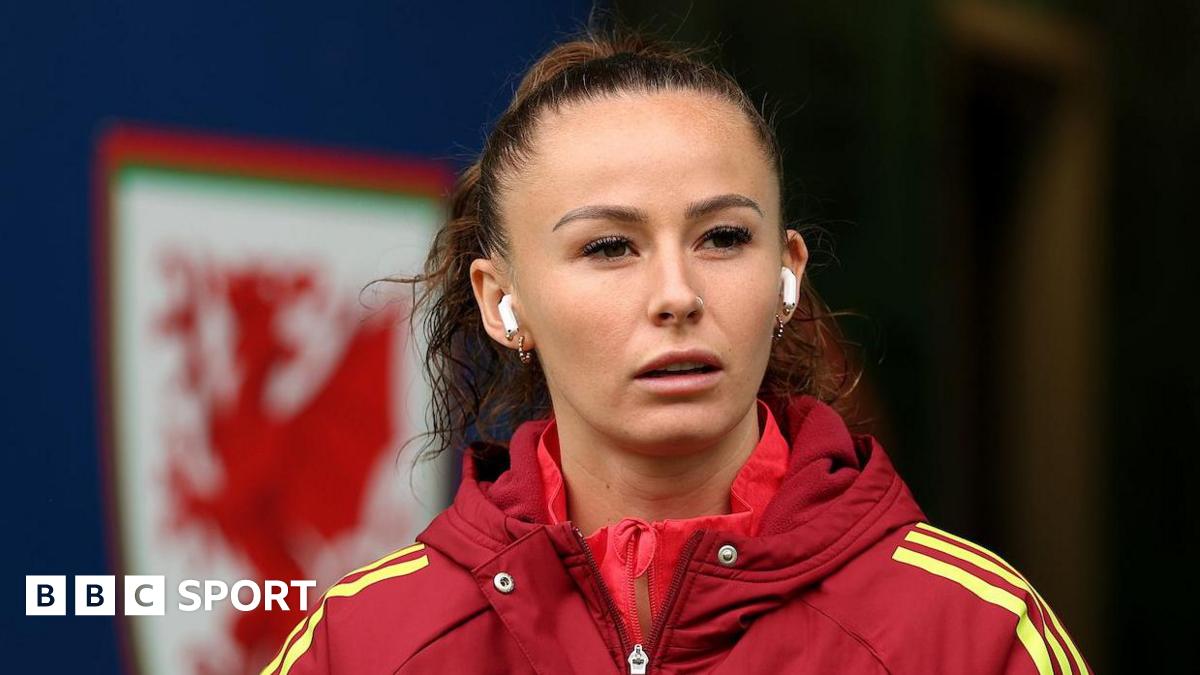
She further elaborated on the immediate aftermath of her public statement. "When you do speak out, you often see people deleting their negative comments, as if that rectifies the situation. However, if I can have even a small impact in encouraging people to think twice before they type something, then I will absolutely do that," Cain asserted. "While it’s true that one must sometimes accept the good with the bad, and I understand that emotions can run high and people can get carried away, it’s crucial to remember that these comments can have a serious and detrimental effect on people’s mental health."
A New Era for Wales and the Shadow of Online Abuse
Cain’s return to the Wales national team comes at a significant juncture. The team is gearing up for a new qualification campaign, with the upcoming fixture against the Czech Republic marking the beginning of a post-Jess Fishlock era. Fishlock, widely regarded as Wales’ greatest-ever player, retired from international football in October last year, leaving a void both on and off the pitch. While Fishlock continues to play at club level for Seattle Reign, she is now integrated into the Wales setup as a technical assistant to manager Rhian Wilkinson.
"It’s a bit surreal to see her in a different coloured kit, to be honest," Cain admitted, referring to Fishlock’s new role. "But even when playing alongside Jess, she had a coaching presence on the pitch, so in many ways, it doesn’t feel entirely different." Cain noted that Fishlock received a "little round of applause" earlier in the week after leading a passing session during training, indicating her continued influence.
The upcoming World Cup qualifiers are crucial for Wales, who are aiming to reach a major tournament for the first time. Their recent form has shown glimmers of promise, including a hard-fought 3-2 friendly victory against Switzerland in December, which ended a 12-game winless streak. Cain was instrumental in that win, scoring a notable goal, and is expected to be a vital attacking component for Wilkinson’s side.
The opening match against the Czech Republic, ranked 31st in the world (one place above Wales), is anticipated to be a stern test. The group, B1, also features Montenegro, whom Wales will host in Llanelli on Saturday, March 7th. The primary objective for Wales in this qualification cycle is to secure top spot in their group. This would provide them with a more advantageous pathway through the play-offs for the 2027 World Cup, a tournament that Cain described as an "absolutely incredible" aspiration.
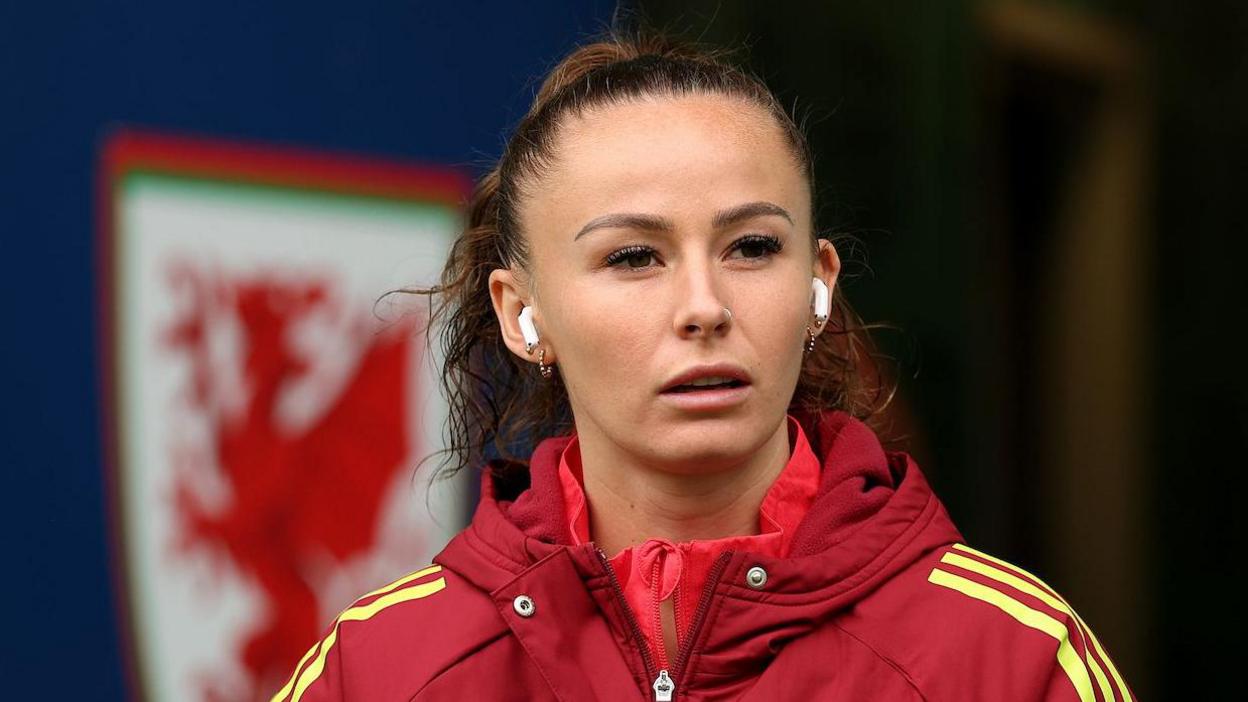
"Our first major tournament experience [Euro 2025] was immensely rewarding, and at the time, you couldn’t imagine anything topping it," Cain reflected. "But once that chapter closed, the question became, ‘What’s next?’ And the prospect of competing in a World Cup in Brazil is incredibly exciting – why wouldn’t we aim for that?"
The Growing Scrutiny and Support Systems
The rise in online abuse directed at female athletes is not an isolated phenomenon. As the profile of women’s sports, particularly football, has surged globally, so too has the volume of commentary, both positive and negative. Data from various sporting bodies indicates a significant increase in online engagement across social media platforms related to women’s football. This heightened visibility, while beneficial in many respects, also unfortunately attracts a segment of individuals who engage in harmful and unsportsmanlike conduct.
Football organizations, including FIFA and UEFA, have been increasingly vocal in their condemnation of online abuse and have implemented various initiatives to combat it. These often include partnerships with social media companies to develop better reporting mechanisms, educational programs for players and fans on digital citizenship, and more robust disciplinary procedures for individuals found to be in breach of codes of conduct.
The Welsh FA, in line with these broader efforts, is understood to provide support to its players facing online harassment. This typically includes access to psychological support services and guidance on managing online interactions. The fact that a senior player like Cain feels compelled to speak out publicly underscores the severity and pervasiveness of the issue.
The psychological impact of sustained online abuse can be profound, leading to anxiety, depression, and a diminished sense of self-worth. For athletes who dedicate their lives to their sport, such attacks can not only affect their professional careers but also their personal lives and overall mental health. The interconnectedness of physical and mental well-being in elite sports performance means that addressing these issues is paramount.
Looking Ahead: A Call for Respect and Positive Engagement
Cain’s candidness serves as a potent reminder of the human cost of online vitriol. While the growth of women’s football has been a cause for celebration, the accompanying rise in online abuse presents a significant challenge that the sport must continue to address collectively. The hope is that by raising awareness and fostering a culture of respect, athletes like Hannah Cain can focus on their game and inspire future generations without the burden of unwarranted and harmful criticism.
The upcoming World Cup qualifying matches offer Wales an opportunity to build on their recent positive momentum and showcase their talent on the international stage. However, the underlying issue of online abuse remains a concern that transcends individual matches and tournaments, requiring ongoing vigilance and a concerted effort from players, governing bodies, fans, and social media platforms alike to cultivate a safer and more supportive online environment for all athletes. The journey towards a World Cup is arduous enough without the added weight of digital toxicity.