


Geneva, Switzerland – In a high-stakes diplomatic maneuver aimed at de-escalating burgeoning regional tensions, US and Iranian officials convened in Geneva for a third round of indirect talks on Thursday, February 26, 2026. These discussions, mediated by Oman, are widely regarded as a critical effort to avert a potential military confrontation, a possibility heightened by President Donald Trump’s explicit threats of striking Iran should a nuclear accord remain elusive. The Geneva talks unfold against the backdrop of the largest US military deployment in the Middle East since the 2003 invasion of Iraq, with Tehran having repeatedly vowed a forceful response to any aggression.
The Diplomatic Front: A Glimmer of Hope in Geneva
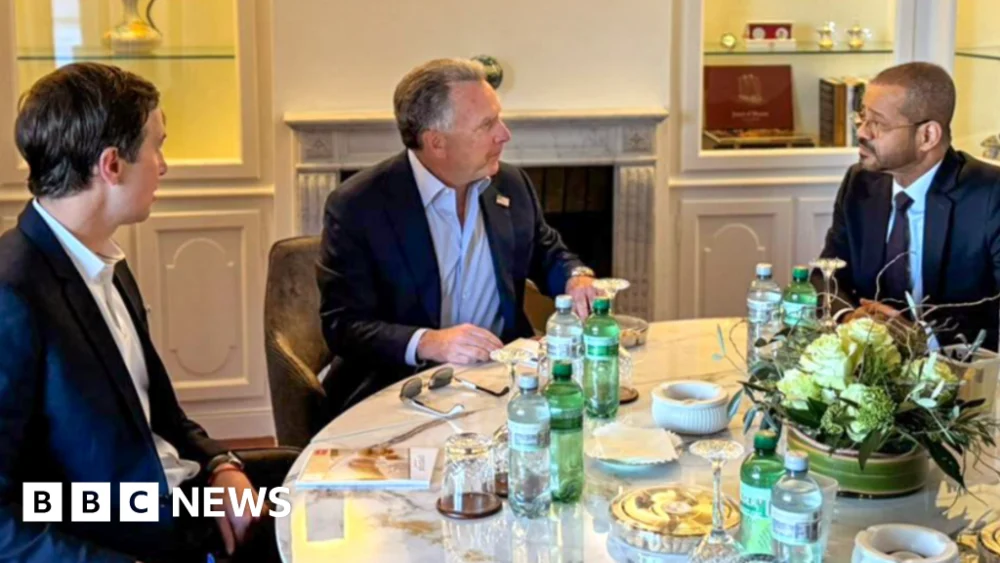
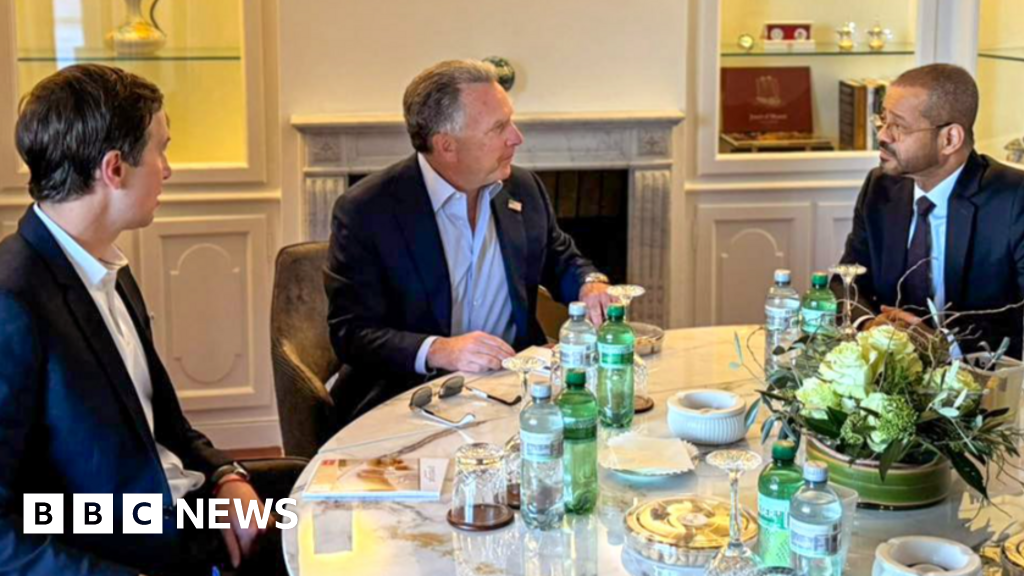
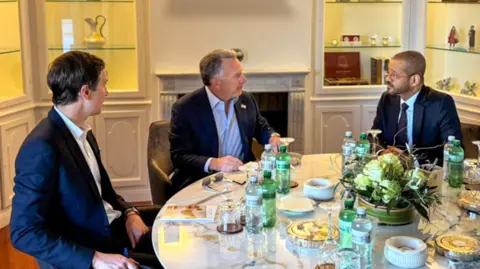
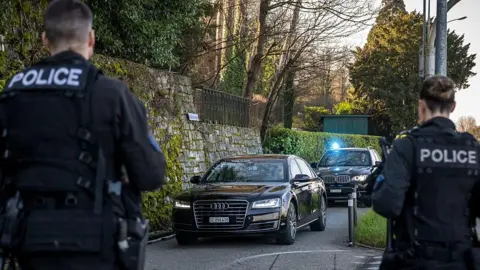
The latest round of negotiations, held at the Omani ambassador’s residence, lasted three hours before being adjourned for a break. Omani Foreign Minister Badr Albusaidi, a pivotal figure in facilitating communication between the two adversaries, conveyed a cautious optimism following the session. He noted that negotiators had exchanged "creative and positive ideas" and expressed hope for further progress upon their return. This statement, coupled with his earlier remark regarding an "openness to new and creative ideas" from both Washington and Tehran, offered a rare glimpse of potential common ground amidst deep-seated mistrust.
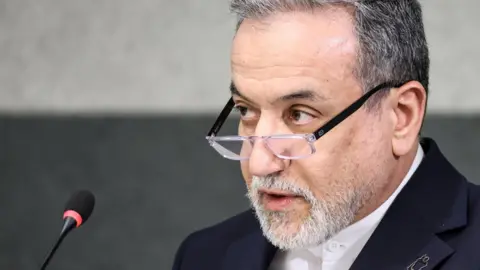
Leading the Iranian delegation was Foreign Minister Abbas Araghchi, a seasoned diplomat entrusted with navigating Iran’s complex foreign policy landscape. On the American side, the team comprised special envoy Steve Witkoff and President Trump’s son-in-law, Jared Kushner, signaling the White House’s direct involvement and high-level interest in the proceedings. These indirect talks, following two previous rounds earlier in February, underscore the challenging nature of direct engagement, a reflection of decades of strained relations and the absence of formal diplomatic ties between the two nations. Despite the positive framing from the Omani mediator, the path to a comprehensive agreement remains fraught with uncertainties, and the chances of a breakthrough are far from guaranteed.
The Shadow of Force: Trump’s Dual Strategy
President Trump’s approach to the Iranian crisis has been characterized by a stark duality: while publicly expressing a preference for diplomatic resolution, he has simultaneously escalated military pressure and issued explicit threats. The US has undertaken a substantial military buildup in the Middle East, deploying thousands of troops and what President Trump has termed an "armada" to the region. This formidable display of force includes two aircraft carriers, such as the USS Gerald R Ford, the world’s largest, along with an array of other warships, advanced fighter jets, and crucial refuelling aircraft. Such a concentration of military assets serves as a tangible manifestation of Trump’s willingness to consider military options, even a "limited strike on Iran," to compel its leadership to accept a deal.
However, the precise demands of the Trump administration in these negotiations, and the specific triggers for potential military action, have remained largely opaque. This ambiguity has fueled speculation and concern among international observers and US allies alike. This current focus on Iran’s nuclear program follows an earlier period, just last month, when Trump first threatened military intervention in response to a brutal crackdown on anti-government protests in Iran, which reportedly claimed thousands of lives. The shift in emphasis highlights the dynamic and often unpredictable nature of US policy towards Tehran. The current situation is further complicated by the fact that the US had previously joined Israel in bombing Iranian nuclear facilities just eight months prior, in June of the preceding year, an action Trump then claimed had "obliterated" the sites.
Iran’s Red Lines and Potential Concessions
Iran, for its part, has maintained a firm stance on several core issues, notably rejecting the US demand to cease uranium enrichment on its territory. Enrichment is a sensitive process, essential for nuclear power generation but also a critical step in producing weapons-grade material. Despite this refusal, there have been indications that Tehran is prepared to offer some concessions regarding the scope and verification of its nuclear activities.
On the eve of the Geneva talks, Iranian Foreign Minister Araghchi, through social media, unequivocally stated that Iran "will under no circumstances ever develop a nuclear weapon," reiterating Iran’s long-held position that its nuclear program is exclusively for peaceful purposes. He also spoke of an "historic opportunity to strike an unprecedented agreement that addresses mutual concerns and achieves mutual interests," suggesting a readiness for serious negotiation. This assertion directly countered President Trump’s vague demand in his State of the Union speech for Iran to utter "those secret words: ‘We will never have a nuclear weapon’."
The details of Iran’s proposals have not been publicly disclosed, but they are believed to include discussions on the creation of a regional consortium for uranium enrichment – an idea floated in previous diplomatic efforts to internationalize and thus better monitor such sensitive activities. Other potential discussion points revolve around the fate of Iran’s substantial stockpile of highly enriched uranium, estimated at approximately 400kg (880lb), and the establishment of robust verification and monitoring mechanisms by international bodies like the International Atomic Energy Agency (IAEA). In return for such concessions, Iran anticipates the lifting of crippling international sanctions that have severely impacted its economy. These sanctions, imposed largely by the US, have caused significant inflation, currency depreciation, and a drastic reduction in oil exports, a lifeline for the Iranian economy. However, opponents of the Iranian regime caution that any sanctions relief would provide a crucial lifeline to the clerical rulers, potentially solidifying their power.
Crucially, Iran has drawn firm red lines around certain aspects of its national security and regional influence. It has explicitly rejected discussing limitations on its ballistic missile program, which it views as a vital deterrent against potential adversaries. Furthermore, Tehran has refused to end its support for various regional proxies – an alliance it refers to as the "Axis of Resistance." This network includes powerful groups such as Hamas in Gaza, Hezbollah in Lebanon, various militias in Iraq, and the Houthi movement in Yemen, all of whom share an adversarial stance towards Israel and, to varying degrees, US influence in the region.
A History of Nuclear Ambitions and International Scrutiny
The current crisis is deeply rooted in decades of suspicion surrounding Iran’s nuclear ambitions. For a prolonged period, the United States and Israel have consistently accused Iran of covertly pursuing a nuclear weapons capability. While Iran vehemently denies these allegations, asserting that its program is solely for civilian energy production and medical research, its actions have often fueled international concern. Notably, Iran remains the only non-nuclear-armed state to have enriched uranium to near weapons-grade levels, a technical capability that shortens the "breakout time" should it decide to pursue a weapon.
The international community’s concerns intensified after the US unilaterally withdrew from the Joint Comprehensive Plan of Action (JCPOA), commonly known as the Iran nuclear deal, in 2018. While this article describes a new deal being sought, the shadow of the previous agreement and its unravelling looms large. The JCPOA had imposed strict limitations on Iran’s nuclear activities in exchange for sanctions relief, but its collapse led to Iran gradually increasing its enrichment levels and restricting IAEA access, raising alarms globally.
The June strikes on Iranian nuclear facilities, occurring just eight months prior to these current talks, represent a significant escalation in this long-running saga. While Iran asserts that its enrichment activities ceased after these attacks, it has not granted IAEA inspectors full access to the damaged sites, further complicating verification efforts and contributing to international mistrust.
Regional Dynamics and International Repercussions
The prospect of military action against Iran sends ripples of concern across the entire Middle East. US-allied countries in the region, particularly Gulf states, are deeply apprehensive about the potential for a wider conflict. They have consistently warned that air power alone would be insufficient to bring about a change in Iran’s leadership and could instead destabilize an already volatile region, potentially drawing them into an unwanted confrontation.
Israeli Prime Minister Benjamin Netanyahu has been a vocal proponent of a hardline stance against Iran. Visiting the White House earlier this month, Netanyahu reiterated his long-standing view of Iran as a primary threat to Israel and a principal source of regional instability. He has consistently warned against any deal that does not explicitly address Iran’s ballistic missile program and its support for regional proxies, arguing that these elements are integral to Iran’s overall threat posture. Analysts widely believe that Netanyahu is actively advocating for a campaign aimed at regime change in Tehran, a move that would entail far greater risks and complexities than targeted strikes. This perspective from Israel, believed to possess its own undeclared nuclear arsenal, adds another layer of tension to the negotiations.
The View from Washington: A Divided Congress
President Trump’s articulation of his Iran policy, particularly his rationale for potential military action, has faced scrutiny even within the United States. In his State of the Union address to Congress on Tuesday, Trump offered only vague remarks about the tensions with Iran. He claimed, without providing specific details, that Iran was developing missiles that would "soon" be capable of reaching the US. He further accused Iran of attempting to "start all over again" with a nuclear weapons program following last year’s strikes, emphatically stating that he could not permit the "world’s number one sponsor of terror… to have a nuclear weapon."
Hours before this address, Secretary of State Marco Rubio delivered a classified briefing to the "gang of eight" – a bipartisan group comprising the leaders of both parties in the Senate and House of Representatives, and the chairs and ranking members of the intelligence committees of both chambers. Following this high-level briefing, Senator Chuck Schumer, the Senate Minority Leader, issued a concise but pointed statement: "This is serious, and the administration has to make its case to the American people." This sentiment reflects a broader congressional desire for greater transparency and a clear strategy from the White House regarding potential military action, especially given the immense risks involved. The Chairman of the Joint Chiefs of Staff is reportedly among those who have warned that strikes against Iran could be fraught with danger, potentially entangling the US in a protracted conflict, although Trump has publicly dismissed such concerns, insisting that General Dan Caine believes it would be "easily won."
As the indirect talks in Geneva proceed, the world watches with bated breath. The convergence of intense diplomatic efforts, stark military posturing, and entrenched geopolitical rivalries presents a moment of profound uncertainty. The outcome of these discussions will not only shape the future of US-Iran relations but will also have far-reaching implications for regional stability and global non-proliferation efforts. The choice between a negotiated settlement and the perilous path of conflict hangs precariously in the balance.