


The media landscape has been dramatically reshaped following the abrupt withdrawal of Netflix from its pursuit of Warner Bros. Discovery (WBD). This pivotal development has cleared the path for a monumental corporate acquisition by Paramount Global, in partnership with Skydance Media. The protracted and often opaque negotiations, which at times resembled a high-stakes bidding war with multiple potential suitors, concluded late Thursday with Netflix’s decisive exit, paving the way for what is being described as a massive new corporate marriage. The ramifications of this deal are expected to be far-reaching, impacting not only the strategic direction of these entertainment giants but also the livelihoods of countless employees across their extensive portfolios.
The Unfolding Drama: A Months-Long Negotiation
For weeks, industry observers speculated about the future of Warner Bros. Discovery, with reports circulating about intense interest from both Netflix and a consortium led by Skydance Media, backed by Paramount Global. The initial phases of these discussions were characterized by a degree of uncertainty, with WBD seemingly evaluating multiple offers. This period of deliberation, often termed "corporate bread-crumbing" by some analysts, created an atmosphere of anticipation and anxiety within the industry.
The initial offer from Paramount and Skydance, reportedly around $19 per share, was significantly bolstered to a final bid of $31 per share, coupled with substantial incentive packages. This aggressive move by Paramount and Skydance ultimately proved more attractive to WBD’s leadership. Netflix’s sudden departure from the negotiation table, while surprising to some, allowed the Paramount-Skydance alliance to solidify its position and move towards a definitive agreement.
Key Players and Their Positions
Paramount and Skydance: The Victorious Alliance
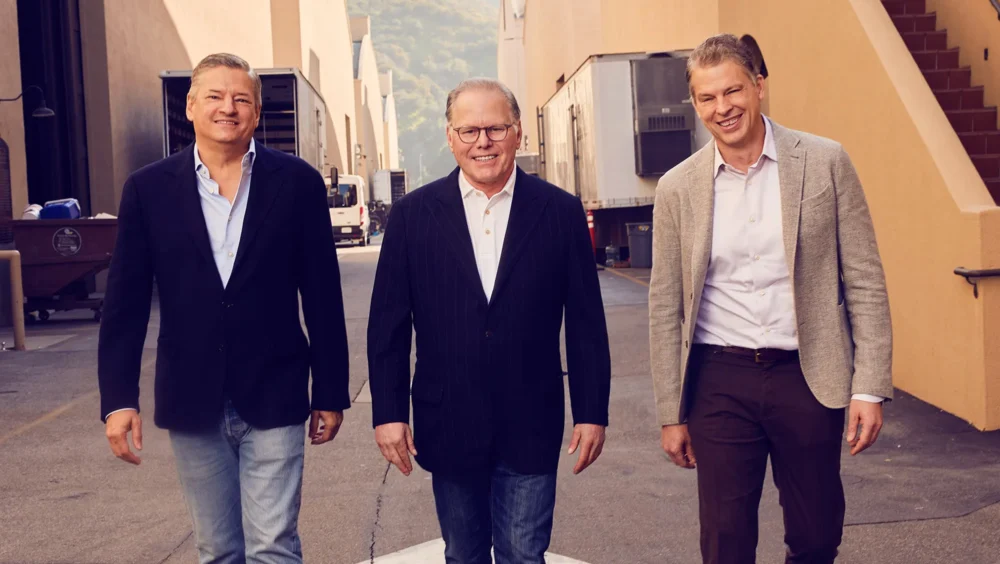
The pending acquisition marks a significant victory for Paramount Global and Skydance Media, led by David Ellison. This deal, subject to regulatory approvals, will place iconic assets such as Warner Bros. Pictures, HBO, and CNN under their control. The strategic implications are profound, potentially reshaping the competitive dynamics within the film, television, and news sectors.
- Financial Implications: The acquisition comes with a substantial financial undertaking, with Paramount absorbing approximately $60 billion in debt. While this represents a significant financial burden, the scale of the deal suggests a long-term vision for asset consolidation and growth.
- Impact on the Film Industry: Proponents of the Paramount-Skydance bid argue that it represents a more favorable outcome for the traditional moviegoing experience. Paramount’s established commitment to major event films is seen as a bulwark against the perceived erosion of theatrical distribution models by streaming-first entities. Conversely, skepticism remains regarding Netflix’s long-term commitment to a traditional business model, given its history of prioritizing streaming.
- Ideological Concerns: The leadership of David Ellison, described as a "Trump-supporting" figure, has raised concerns among some about the potential for political ideology to influence the editorial direction of news outlets like CNN and creative decisions within entertainment divisions. This is a point of contention, particularly for those who advocate for editorial independence in news reporting and a separation of political leanings from artistic expression.
David Zaslav: The Master Negotiator
Warner Bros. Discovery CEO David Zaslav is widely seen as a significant winner in this transaction. His strategic maneuvering throughout the negotiation process is credited with securing a highly favorable financial outcome for the company and its shareholders.
- Financial Gains: Zaslav stands to personally benefit to the tune of over $600 million from the deal, a testament to the successful outcome of his negotiations.
- Job Security Concerns: However, the triumph for WBD’s leadership is shadowed by the impending reality of significant cost-cutting measures. Reports suggest that Paramount plans to implement $6 billion in cuts, which will inevitably lead to widespread layoffs across the WBD workforce. This stark contrast between executive enrichment and employee displacement highlights the often-harsh realities of corporate consolidation.
Netflix: The Unexpected Loser
Netflix, the dominant streaming giant, emerged as an unexpected loser in this high-stakes negotiation. Despite its considerable financial resources and market influence, the company was unable to secure the acquisition.
- Strategic Setback: This outcome represents a strategic setback for Netflix, which had been a prominent contender. The company’s deep pockets and established market position led many to believe they would ultimately prevail.
- Perception of Entitlement: The narrative surrounding Netflix’s pursuit suggests a perception that the company, accustomed to success in the streaming realm, may have underestimated the resolve of its competitors or overestimated its leverage. The premature celebration and "hilarious victory photo-op" mentioned in some reports underscore a potential miscalculation in projecting confidence.
- Financial Repercussions: While a loss in the acquisition battle, Netflix is not leaving empty-handed. The company is reportedly set to receive a $2.8 billion "break-up fee" as a result of the deal’s progression, a substantial sum for a failed bid.
CNN: Navigating Uncertain Futures
The news division of Warner Bros. Discovery, CNN, faces a period of significant uncertainty under new ownership. The prospect of a potential shift in editorial direction, with figures ideologically aligned with Bari Weiss potentially gaining influence, is a cause for concern among media watchdogs and industry professionals.
- Editorial Independence: The core issue revolves around the preservation of editorial independence in a fragmented media landscape. While the direct impact on CNN’s 600,000 average nightly viewers might seem small in comparison to broader social media platforms, the principle of unbiased news reporting remains paramount.
- Historical Context: CNN has experienced a prolonged period of declining ratings and strategic challenges, making the outcome of this acquisition particularly critical for its future trajectory.
Industry Voices and Unexpected Allies
James Cameron: A Vocal Opponent of the Netflix Bid
Acclaimed filmmaker James Cameron emerged as a prominent voice against Netflix’s bid to acquire Warner Bros. Discovery. His proactive stance, including a letter to Senator Mike Lee, chair of a Senate antitrust subcommittee, positioned him as an advocate for what he perceived as the lesser of two evils for the industry.
- Focus on Hollywood Jobs and Cinemas: Cameron’s arguments centered on protecting Hollywood jobs and preserving the viability of cinemas. He posited that while a merger was inevitable, the Paramount-Skydance deal was more conducive to these objectives than a Netflix acquisition.
- Industry Reactions: While some, like actor Mark Ruffalo, criticized Cameron’s intervention, the filmmaker’s supporters argue he was advocating for the industry’s broader interests. Netflix CEO Ted Sarandos, while publicly dismissing Cameron’s stance, is acknowledged to recognize the immense commercial value of a Cameron film.
George R.R. Martin and the "Game of Thrones" Universe: A Resurgent Powerhouse
The "Game of Thrones" franchise continues to demonstrate its enduring appeal and commercial viability, solidifying its position as a valuable asset for HBO and Warner Bros. Discovery.
- "A Knight of the Seven Kingdoms" Success: The recent debut season finale of "A Knight of the Seven Kingdoms" achieved series-high ratings, reinforcing the franchise’s ability to attract and retain audiences. This success underscores HBO’s capability in producing successful, relatively cost-effective spin-offs.
- "House of the Dragon" Momentum: Despite past criticisms, "House of the Dragon" is poised for a strong future, with a third season trailer hinting at continued action and excitement. The franchise creator, George R.R. Martin, is increasingly recognized for his pivotal role in generating billions for HBO across multiple successful television series. His upcoming play, "Game of Thrones: The Mad King," set to premiere at the Royal Shakespeare Theater, further solidifies his influence.
Controversies and Missteps
BAFTAs and the BBC: A Broadcast Blunder
The recent BAFTA Film Awards were marred by significant controversy, highlighting issues of inclusivity and broadcast responsibility.
- Inadvertent Offense: An attempt at inclusivity during the ceremony led to deeply offensive moments. The poorly worded "if you are offended" non-apology, delivered by host Alan Cumming, was a misstep.
- Delayed Apologies: The initial lack of an apology to presenters Michael B. Jordan and Delroy Lindo, followed by a massive public outcry and a subsequent delayed statement, further compounded the situation.
- BBC’s Decision: The BBC’s decision to air the ceremony with a two-hour delay without editing out a repeatedly shouted racial slur, despite reported urgings from Warner Bros., has drawn sharp criticism. This oversight, compounded by the other missteps, has cast a shadow over the event and the involved organizations.
Tyra Banks and the "America’s Next Top Model" Reckoning
A recent Netflix documentary, "Reality Check," has re-examined the legacy of "America’s Next Top Model," leading to a period of public scrutiny for host Tyra Banks.
- Re-evaluating Legacy: The documentary’s critical lens on the show’s past practices has prompted a broader conversation about the ethics and impact of reality television.
- Limited Support: The limited public support for Banks, with former winner Adrienne Curry offering a heavily qualified defense that included strong expletives, suggests a challenging period for the television personality. The experience highlights the potential pitfalls of engaging in retrospective examinations of one’s career.
Shia LaBeouf’s Continued Struggles
Actor Shia LaBeouf’s ongoing public struggles with addiction and legal issues have again placed him in the spotlight for negative reasons.
- Patterns of Behavior: Despite having access to extensive resources and support networks, LaBeouf’s recent arrest following a bar altercation and his subsequent dismissive attitude towards his alcohol problems, as noted by a judge, indicate a concerning pattern.
- Public Perception: The persistent association with past roles, such as his "Transformers" character, in news reports about his legal troubles, underscores a desire among some observers for him to engage in work that could redefine his public image and move beyond these controversies. The journalist’s pointed question about his aspirations for future roles highlights this sentiment.
The acquisition of Warner Bros. Discovery by Paramount Global and Skydance Media represents a monumental shift in the media industry. As the dust settles, the long-term implications for content creation, distribution, and the broader cultural impact of these powerful entities will undoubtedly continue to unfold. The withdrawal of Netflix, while seemingly a loss, also positions them to focus on their core streaming business, potentially with a renewed emphasis on strategic growth and perhaps a reconsideration of their acquisition appetites. The coming months will be crucial in observing how these newly aligned entities navigate their expanded portfolios and address the challenges and opportunities that lie ahead.