

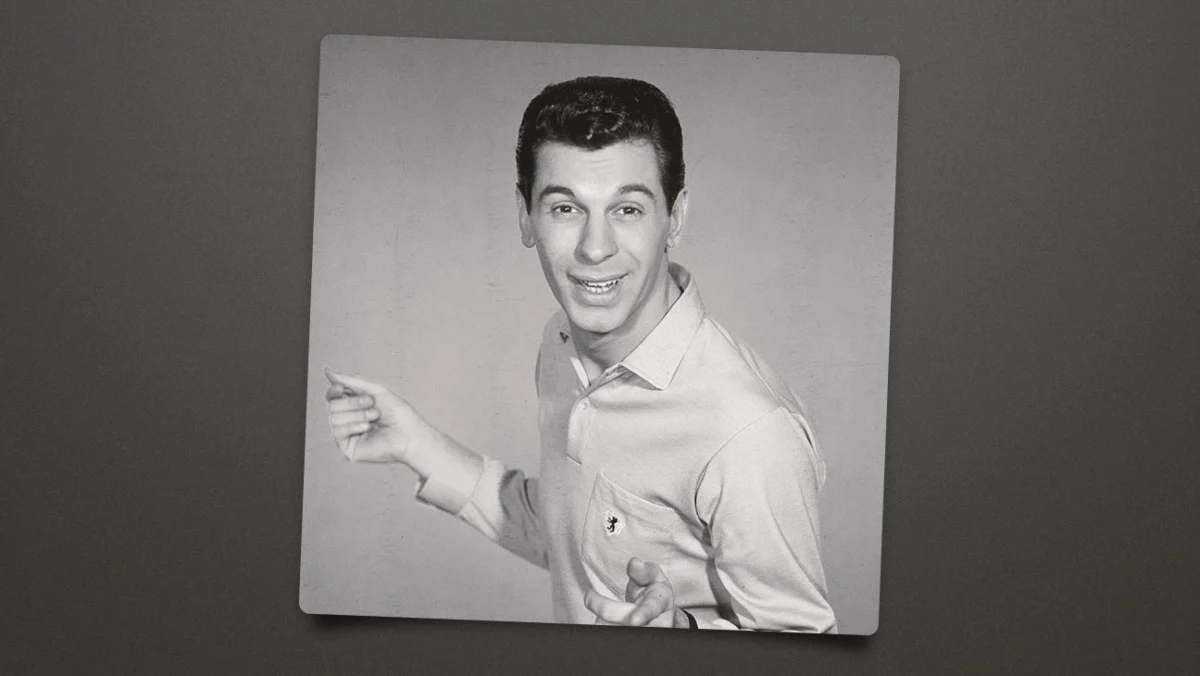
Freddy Cannon, a vibrant force in early rock and roll whose infectious hits like "Palisades Park" and "Tallahassee Lassie" soundtracked a generation, has died at the age of 89. His passing on Friday at a hospice facility in California was confirmed by his longtime friend, Tom Cuddy, a prominent figure at iHeart Radio. Cuddy also shared that Cannon had been preparing for an interview with the esteemed DJ Cousin Brucie Morrow on July 11, but was unexpectedly hospitalized the day prior, marking a somber prelude to the news of his death.
Cannon, affectionately known by his moniker "Boom Boom" Cannon, was born Frederick Anthony Picariello Jr. on December 4, 1936, in Lynn, Massachusetts. It was in this New England city that the seeds of his remarkable music career were sown. His early forays into music production and performance eventually caught the attention of Dick Clark, the legendary impresario of American Bandstand. An early recording of what would become the chart-topping "Tallahassee Lassie" particularly intrigued Clark, who became an influential mentor. Prompted by Clark’s encouragement, Cannon relocated to Philadelphia in his late teens, a pivotal move that would propel him into the national spotlight.
The iconic "Tallahassee Lassie," released in 1959, became Cannon’s breakthrough hit, soaring to number six on the Billboard Hot 100. This marked his first significant entry onto the national music charts, a testament to his burgeoning talent and the irresistible energy of his sound. The following year, in 1960, Cannon made his debut appearance on Dick Clark’s "American Bandstand," a coveted platform for aspiring artists. His charisma and energetic performances resonated with audiences, leading to an unprecedented and record-setting 110 appearances on the weekly dance program over the years, solidifying his status as a beloved fixture of the show.
Cannon’s musical legacy is further cemented by his enduring hit "Palisades Park," released in 1962. This upbeat anthem achieved even greater commercial success, climbing to number three on the Billboard charts, becoming his highest-charting single. His discography is rich with other memorable tracks that captured the spirit of the era. These include the energetic "Jump Over" and the charming "Chattanooga Shoe Shine Boy" from 1960, the evocative "Abigail Beecher" in 1964, the driving "Action" in 1965, and the poignant "The Dedication Song" in 1966, among a catalog of popular tunes that continue to be celebrated.
Beyond his recording career, Cannon also ventured into other entertainment avenues. In 2011, he released his memoir, "Where the Action Is!," a title that aptly reflects his dynamic career and personality. He also appeared in a television series of the same name, showcasing his multifaceted talents. His acting credits extended to television and film, including roles in "No Time for Sergeants," "Village of the Giants," "Never Too Young," and the cult favorite "Svengoolie," demonstrating his versatility and enduring appeal across different media platforms.
Cannon’s life and career were marked by significant personal milestones and losses. He is survived by his children, Conny Weber and Billy Cannon, his sister Mary Lou, his son-in-law Jim, his daughter-in-law Beth, five grandchildren, and seven great-grandchildren. His passing follows closely on the heels of profound personal grief, having been pre-deceased by his son John, who died in April, and his wife Jeanette, who passed away earlier in 2024. These recent losses undoubtedly cast a somber shadow over his final days.
The Rise of "Boom Boom" Cannon: From Massachusetts to the American Bandstand Stage
Freddy Cannon’s journey from the working-class streets of Lynn, Massachusetts, to the global stage of rock and roll is a classic American success story, driven by talent, determination, and the serendipitous connections that often define a burgeoning career. Born into a post-war America that was rapidly embracing new forms of popular music and culture, Cannon’s early musical explorations were deeply rooted in the burgeoning rock and roll scene. His distinctive vocal style and energetic stage presence quickly set him apart.
The pivotal moment in Cannon’s career arrived with the recording of "Tallahassee Lassie." The raw, unpolished energy of this track, captured in an early demo, managed to transcend the usual channels of the music industry and land in the hands of Dick Clark. Clark, then the undisputed kingmaker of teen music through "American Bandstand," recognized the song’s potential. His endorsement was not merely a stamp of approval; it was a direct catalyst for Cannon’s relocation to Philadelphia, the epicenter of American television music production at the time. This move, facilitated by Clark’s influence, placed Cannon squarely in the orbit of national exposure.
Chronology of a Rock and Roll Icon
The timeline of Freddy Cannon’s career illustrates a rapid ascent and sustained presence in the music world:
- December 4, 1936: Frederick Anthony Picariello Jr. is born in Lynn, Massachusetts.
- Late 1950s: Early recordings, including a demo of "Tallahassee Lassie," gain the attention of Dick Clark.
- Late 1950s: Encouraged by Dick Clark, Cannon moves to Philadelphia to pursue his music career.
- 1959: "Tallahassee Lassie" is officially released, reaching number 6 on the Billboard Hot 100 and marking his chart debut.
- 1960: Cannon makes his first appearance on "American Bandstand," beginning a long and fruitful relationship with the iconic television show.
- 1960: Releases "Jump Over" and "Chattanooga Shoe Shine Boy," further establishing his presence on the charts.
- 1962: "Palisades Park" is released, becoming his highest-charting single at number 3 on the Billboard Hot 100.
- 1964: "Abigail Beecher" is released.
- 1965: "Action" is released, a track that would become synonymous with his energetic persona.
- 1966: "The Dedication Song" is released.
- 2011: Cannon releases his memoir, "Where the Action Is!," and appears in a television series of the same name.
- April 2024: Cannon’s son, John, passes away.
- Early 2024: Cannon’s wife, Jeanette, passes away.
- July 10, 2024: Cannon is hospitalized prior to a scheduled interview with DJ Cousin Brucie Morrow.
- July 12, 2024: Freddy Cannon dies at the age of 89.
The "American Bandstand" Phenomenon and Chart Success
Cannon’s enduring connection with "American Bandstand" was more than just a series of guest appearances; it was a symbiotic relationship that propelled both the artist and the show. His 110 appearances remain a record, a testament to his popularity and the show’s ability to consistently showcase artists who resonated with a young, dynamic audience. Each performance on "American Bandstand" served as a vital platform, introducing his energetic music to millions of households across America. This consistent exposure was crucial in building and maintaining his fan base during a period when television was the dominant medium for music discovery.
His chart performance, while impressive, also reflects the evolving landscape of the music industry. "Tallahassee Lassie" and "Palisades Park" were not just songs; they were anthems that captured the youthful exuberance and burgeoning cultural shifts of the late 1950s and early 1960s. The Billboard Hot 100, at the time, was the definitive barometer of popular music success, and Cannon’s consistent presence on this chart underscored his ability to connect with a broad demographic. The impact of these hits extended beyond mere sales figures; they became integral to the cultural fabric of the era, played at sock hops, school dances, and summer gatherings.
Beyond the Music: A Multifaceted Entertainer
Cannon’s contributions to entertainment were not confined to his musical endeavors. His foray into acting and writing demonstrated a broader ambition and a desire to engage with audiences in different capacities. The memoir, "Where the Action Is!," provided fans with a personal glimpse into his life and career, offering insights into the music industry from his unique perspective. His television and film roles, while perhaps not as prominent as his music career, added another dimension to his public persona, showcasing his charisma and adaptability. This willingness to explore different creative outlets allowed him to maintain a presence in the public eye and connect with fans across various platforms.
Reactions and Tributes: A Legacy Remembered
While specific statements from major figures were not immediately available at the time of reporting, the news of Freddy Cannon’s death has undoubtedly prompted widespread reflection and remembrance within the music community and among his vast fan base. Figures like Tom Cuddy, who served as a friend and conduit for sharing the news, represent the personal connections that artists forge over decades. The music industry, which often operates with a degree of professional camaraderie, is expected to issue tributes acknowledging Cannon’s significant contributions.
The absence of a planned interview with Cousin Brucie Morrow, a beloved figure in oldies radio, highlights the unexpected nature of his passing and the void it leaves in the ongoing celebration of classic rock and roll. Morrow, known for his deep appreciation of music history, would have undoubtedly provided a poignant tribute. The broader implication of his death is the passing of a direct link to a foundational era of rock and roll, an era defined by its raw energy, optimistic spirit, and the transformative power of popular music.
Broader Impact and Enduring Influence
Freddy Cannon’s legacy is intertwined with the very essence of early rock and roll. He was a performer who embodied the genre’s youthful rebellion, its uninhibited joy, and its infectious rhythms. His music provided an escape, a soundtrack for a generation coming into its own, and a testament to the power of a catchy melody and a strong beat. The fact that his songs are still played today, on classic rock stations and at retro-themed events, speaks volumes about their timeless appeal.
His influence can be seen not just in the music he created, but in the careers he inspired. Many artists who followed in his footsteps owe a debt to pioneers like Cannon, who paved the way for their own success by navigating the nascent rock and roll landscape. His record-breaking appearances on "American Bandstand" also underscored the importance of television as a medium for music dissemination and artist development, a lesson that continues to resonate in today’s digital age.
The passing of Freddy "Boom Boom" Cannon marks the end of an era, but his music and the indelible mark he left on rock and roll will continue to reverberate. He was a true entertainer, a voice of his generation, and a vital piece of the musical tapestry that continues to shape popular culture. His "action" will continue to live on through his enduring hits.