


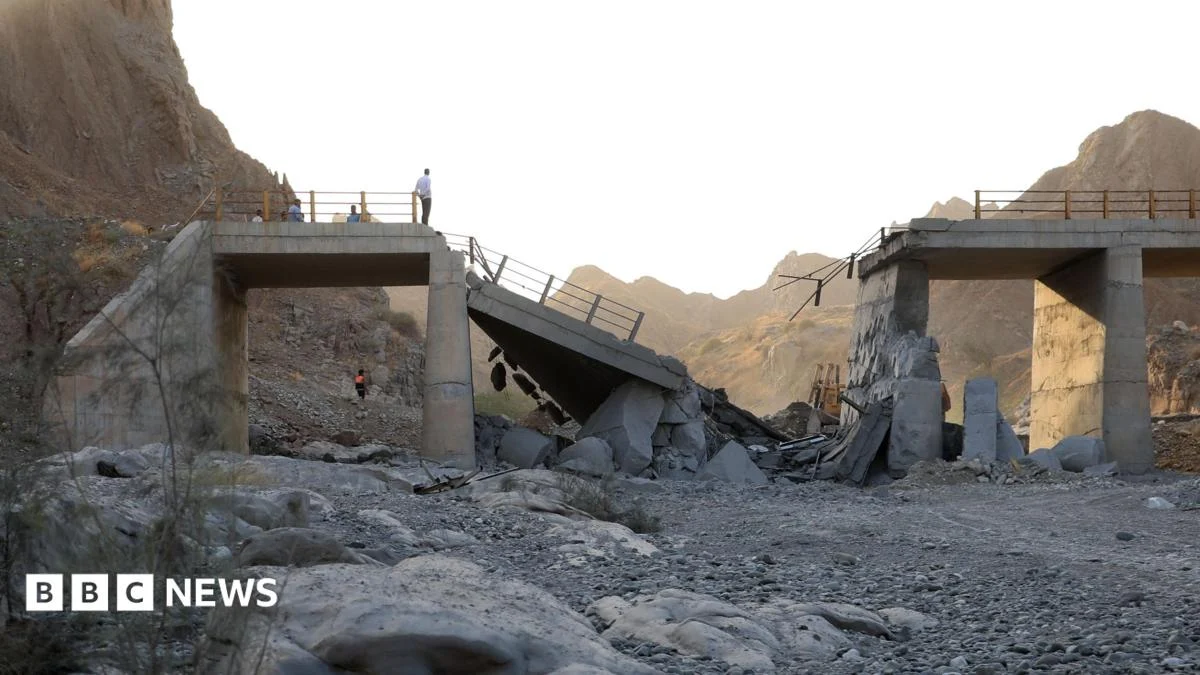
The United States military, on Saturday night, executed another series of air strikes against Iran, specifically targeting its coastal surveillance and air defense facilities, as confirmed by US military officials. This marked the eighth successive night of US retaliatory actions in the increasingly volatile region. US Central Command (Centcom) asserted that its forces successfully degraded Iranian military capabilities, while Iranian state media reported that Qeshm Island, strategically located in the Strait of Hormuz, had been impacted by the assaults. These strikes were explicitly designed, according to Centcom, to further diminish Iran’s capacity to threaten commercial shipping routes through the critical Strait of Hormuz and to swiftly punish elements of the Islamic Revolutionary Guard Corps (IRGC) deemed responsible for a recent drone attack in Jordan that claimed the lives of two US service members and left another missing. In a reciprocal move that underscores the deepening crisis, Iran’s army claimed to have carried out drone attacks against two US bases in Kuwait, as reported by Iranian state media and the IRGC-affiliated Tasnim news agency. The US and Iran have significantly intensified their military exchanges in recent days, with both nations accusing the other of striking vital infrastructure and military installations, raising serious concerns about a broader regional conflict.
Chronology of Escalation: A Week of Renewed Hostilities
The current surge in direct and indirect military confrontations between Washington and Tehran represents a dramatic unraveling of a preliminary ceasefire agreement that had been painstakingly negotiated and implemented just weeks prior. The fragile deal, struck in June with the aim of de-escalating tensions, collapsed less than a month into its existence, with former President Donald Trump declaring the agreement "over" on July 8th. This declaration was swiftly followed by Washington’s reimposition of its blockade on Iranian ports, a move Tehran reciprocated by declaring the Strait of Hormuz closed to international shipping, signaling a return to a high-stakes standoff.
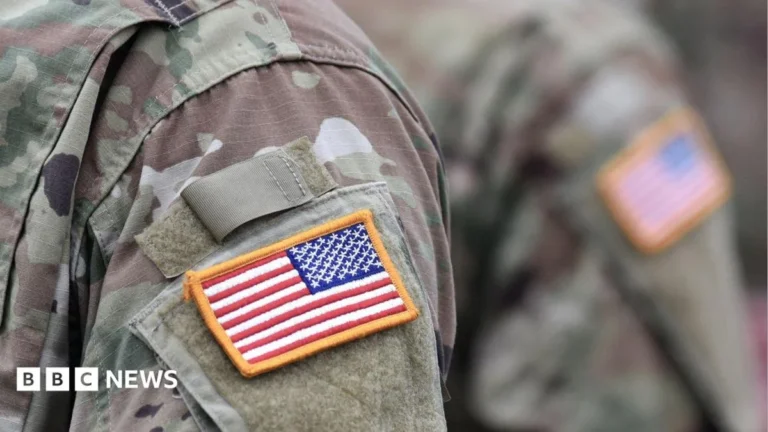
The immediate catalyst for the most recent US strikes was a deadly drone attack on a US military outpost in Jordan on Friday. Centcom reported that two US service members were killed in action as US Central Command and partner forces defended against Iranian ballistic missile and drone attacks. Additionally, one service member remains unaccounted for. Out of respect for the families, Centcom stated it would withhold additional information, including the identities of the fallen, until 24 hours after next of kin had been notified. US Defence Secretary Pete Hegseth responded to the deaths with a poignant message on X, stating: "Godspeed, heroes. Their sacrifice only stiffens our resolve." This incident brought the total US death toll in the broader conflict to 16, following the earlier declaration of an American Navy pilot, missing since the beginning of the month, as deceased. This marks the second increase in the US casualty count within a single week, underscoring the growing human cost of the protracted hostilities.
Following the Jordan attack, the US initiated a series of retaliatory strikes. The Saturday night operations, targeting coastal surveillance and air defense facilities, represented the eighth consecutive night of such actions. Centcom explicitly linked these strikes to the IRGC, holding them directly responsible for the Jordan attack. Concurrently, Iran’s claimed drone attacks on "Camp Udairi" and "Ali Al Salem Air Base in Kuwait" with "large-scale attacks with kamikaze drones," as reported by Tasnim news agency, indicated a direct and rapid tit-for-tat escalation, moving beyond proxy engagements to direct strikes on military assets.
Strategic Importance of the Strait of Hormuz
The focus of the US strikes on Iranian coastal surveillance and air defense facilities underscores the immense strategic importance of the Strait of Hormuz. This narrow waterway, connecting the Persian Gulf with the Arabian Sea and the broader Indian Ocean, is one of the world’s most critical chokepoints for global oil transit. Approximately one-fifth of the world’s total petroleum liquids consumption, or about 21 million barrels per day, passes through the Strait. Any disruption to shipping in this corridor has immediate and significant repercussions for global energy markets, manifesting in increased oil prices and heightened insurance premiums for maritime vessels.
Iran has, on multiple occasions throughout its history of strained relations with the West, threatened to close the Strait of Hormuz in response to perceived aggressions or sanctions. Its ability to do so, even temporarily, relies heavily on its naval capabilities, including fast attack craft, submarines, and anti-ship missile systems, as well as its coastal surveillance and air defense networks. The US strategy of "degrading Iran’s ability to threaten commercial shipping" is a direct response to these capabilities and a clear message regarding the international community’s commitment to maintaining freedom of navigation through the Strait. Naval forces from various international coalitions, including the US Fifth Fleet based in Bahrain, routinely patrol these waters to ensure safe passage. The targeting of facilities on Qeshm Island, a major Iranian island in the Strait, further emphasizes the critical nature of this maritime corridor in the ongoing military chess match.
The Role of the Islamic Revolutionary Guard Corps (IRGC)
The Islamic Revolutionary Guard Corps (IRGC) stands at the heart of Iran’s regional military strategy and has been explicitly implicated by Centcom in the Jordan attack. Established after the 1979 Islamic Revolution, the IRGC is a powerful and ideologically driven branch of the Iranian armed forces, distinct from the conventional army. It is responsible for Iran’s ballistic missile program, its naval operations in the Persian Gulf, and, crucially, its extraterritorial operations through its elite Quds Force. The Quds Force has historically supported and trained various proxy groups across the Middle East, including Hezbollah in Lebanon, Houthi rebels in Yemen, and an array of Shiite militias in Iraq and Syria.
The US designation of the IRGC as a foreign terrorist organization in 2019 reflects Washington’s long-standing view of the group as a primary destabilizing force in the region. The attribution of the Jordan drone attack directly to IRGC forces by Centcom signals a heightened level of accountability and a potential shift in US engagement strategy, moving from targeting proxy groups to directly targeting IRGC assets. The IRGC’s deep involvement in Iran’s drone program, which has seen significant advancements in recent years, further underscores its capability to project power and conduct asymmetric warfare across the region. These drones, often described as "kamikaze" or "suicide" drones, are designed to strike targets with an explosive payload and have been a frequent feature in attacks attributed to Iranian-backed groups.
Broader Context: A History of Tensions and Proxy Conflicts
The current military exchanges are not isolated incidents but rather the latest manifestations of a decades-long, often hostile, relationship between the United States and Iran. Following the 1979 Iranian Revolution and the subsequent hostage crisis, diplomatic ties were severed, and a deep-seated antagonism took root. This antagonism has frequently played out through proxy conflicts across the Middle East, with the US supporting various regional actors opposed to Iranian influence, and Iran funding and arming groups that challenge US interests and its allies.
Key flashpoints in recent history include:
- The Iran-Iraq War (1980-1988): Where the US indirectly supported Iraq.
- The Nuclear Program: Iran’s pursuit of nuclear technology has been a persistent source of tension, leading to international sanctions and the 2015 Joint Comprehensive Plan of Action (JCPOA), from which the US unilaterally withdrew in 2018.
- Iraq after 2003: The US invasion of Iraq created a power vacuum that Iran skillfully exploited, empowering Shiite militias that often clashed with US forces.
- Syrian Civil War: Both the US and Iran supported opposing factions, leading to indirect confrontations.
- Yemen Conflict: The US supports the Saudi-led coalition, while Iran backs the Houthi rebels, leading to frequent attacks on Saudi and Emirati targets, often using Iranian-supplied drone and missile technology.
The "preliminary ceasefire" mentioned in the article, though short-lived, likely aimed to de-escalate some of these proxy engagements and perhaps open a channel for broader dialogue. Its swift collapse, however, indicates the deep-rooted mistrust and the powerful forces pushing for continued confrontation rather than reconciliation. The re-imposition of US blockades and Iran’s threat to close the Strait of Hormuz immediately after the ceasefire’s demise illustrates the fragility of any diplomatic efforts in the face of underlying strategic competition.
Official Reactions and International Scrutiny
The official statements from both Washington and Tehran reflect a hardened stance and a narrative of justified retaliation. Centcom’s detailed justifications for its strikes, emphasizing the degradation of Iranian capabilities and punishment for the Jordan attack, aim to frame US actions as defensive and proportionate. Secretary Hegseth’s comment, "Their sacrifice only stiffens our resolve," signals a commitment to continued action and resistance to any perceived Iranian aggression.
On the Iranian side, the swift claims of retaliatory drone attacks on US bases in Kuwait, as reported by state media and Tasnim, aim to project strength and deter further US actions. While Iran consistently denies direct involvement in attacks by its proxy groups, its state media’s reporting on these claimed drone strikes provides an official narrative of direct engagement and a willingness to escalate. The targeting of US bases in Kuwait, a close US ally, demonstrates Iran’s reach and its willingness to expand the geographical scope of its retaliatory actions beyond its immediate borders.
The international community is undoubtedly observing these developments with growing alarm. Regional allies of the US, particularly the Gulf Cooperation Council (GCC) states, will be closely monitoring the situation, concerned about the potential for wider conflict to engulf their territories. Calls for de-escalation from international bodies such as the United Nations and European Union officials are expected to intensify, urging both sides to exercise restraint and seek diplomatic solutions. The direct exchange of military strikes, particularly on sovereign territory or established military bases, significantly raises the stakes beyond the previous "shadow war" dynamics.
Implications and Future Outlook
The current trajectory of US-Iran relations carries profound implications for regional stability and global security.
- Risk of Direct Conflict: The most immediate and concerning implication is the heightened risk of a direct, full-scale military conflict between the US and Iran. Each retaliatory strike increases the chance of miscalculation, unintended escalation, or an incident that spirals out of control, drawing in other regional and international actors.
- Regional Destabilization: The escalation could further destabilize already volatile regions like Iraq, Syria, Lebanon, and Yemen, empowering hardline factions and potentially leading to renewed proxy warfare on a larger scale. US military assets and personnel across the Middle East could become more frequent targets.
- Economic Impact: Continued hostilities, especially involving the Strait of Hormuz, would inevitably lead to sustained volatility in global oil markets, potentially causing significant price spikes and disrupting supply chains. Shipping insurance costs would soar, impacting global trade.
- Diplomatic Deadlock: The renewed military exchanges severely diminish any prospects for diplomatic engagement or a return to nuclear negotiations. Trust between the two adversaries, already minimal, would erode further, making future de-escalation efforts exceedingly difficult.
- Domestic Political Pressure: For the US administration, the increasing casualty count places immense domestic political pressure to respond forcefully, balancing a desire for de-escalation with the imperative to protect American lives and interests. In Iran, the IRGC’s actions and the government’s rhetoric are likely to reinforce nationalist sentiments, potentially solidifying support for hardline policies.
The current situation represents a critical juncture. The breakdown of the preliminary ceasefire, the tragic loss of US service members, and the subsequent direct military exchanges have pushed the US and Iran closer to overt conflict than at almost any point in recent history. The coming days will be crucial in determining whether both sides can find a path back from the brink or if the cycle of retaliation will continue to accelerate, with potentially devastating consequences for the Middle East and the global community.