


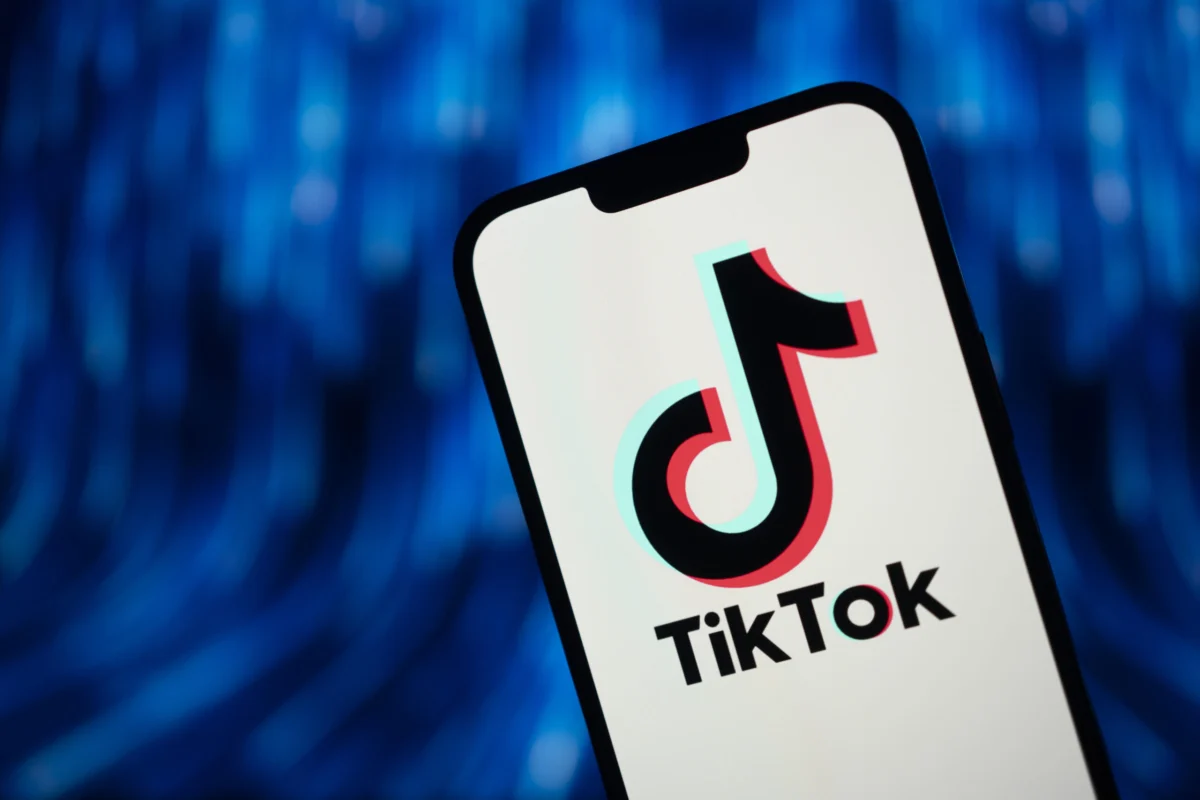
Washington D.C. — In a significant reversal that underscores the evolving landscape of digital security and international tech commerce, the Department of Justice (DOJ) announced today that federal employees are now permitted to download and use the popular short-form video application TikTok on their government-issued devices. This decision, conveyed through an internal memo, marks a pivotal shift from a 2022 law that explicitly banned the app on such devices, citing national security concerns. The DOJ’s new stance is directly attributed to a comprehensive ownership transfer of TikTok’s U.S. operations to a newly formed joint venture, backed by American technology giant Oracle, private equity firm Silver Lake, and investment group MGX, finalized in January 2026.
The 2022 prohibition had been a cornerstone of efforts to safeguard sensitive government data from potential foreign adversaries, particularly given TikTok’s previous ownership by Chinese technology behemoth ByteDance. However, the DOJ memo reportedly clarifies that the legal framework underpinning that ban no longer applies, deeming the national security risks sufficiently mitigated by the new corporate structure. President Donald Trump, whose administration had previously initiated and then delayed broader restrictions on the app, has reportedly cleared "employees of Executive Branch agencies" to proceed, albeit "subject to the agency’s discretion and consistent with all applicable workplace policies." This move is expected to have far-reaching implications for federal agencies, their employees, and the broader tech industry grappling with geopolitical tensions.
The Genesis of the Ban: National Security Concerns and Geopolitical Tensions
The journey to this announcement has been protracted and fraught with geopolitical tension, tracing back several years to heightened concerns over data privacy and national security. In the late 2010s and early 2020s, as TikTok rapidly ascended to become one of the most downloaded applications globally, its Chinese ownership by ByteDance drew increasing scrutiny from U.S. lawmakers and intelligence officials. The primary worry revolved around the potential for the Chinese government to access American user data or to influence the content seen by U.S. users through censorship or propaganda.
Critics pointed to China’s national security laws, which could compel Chinese companies to cooperate with intelligence operations, potentially granting Beijing access to vast troves of personal information, including browsing history, location data, and biometric identifiers. For federal employees, the stakes were even higher, with concerns that the app on government devices could create vulnerabilities, exposing sensitive communications or even classified information.
These anxieties culminated in the passage of the "No TikTok on Government Devices Act" in 2022, which swiftly moved through Congress with bipartisan support. The law mandated that federal agencies remove TikTok from all government-issued devices and prohibit its installation, with limited exceptions for law enforcement, national security, or research purposes, under strict cybersecurity protocols. At the time, an estimated 4.3 million federal employees were impacted by the ban, necessitating a significant overhaul of IT policies across various departments, from the Department of Defense to the Department of Education.
Beyond federal devices, the Trump administration had previously attempted a broader, nationwide ban on TikTok in 2020, citing the International Emergency Economic Powers Act. This initial effort faced legal challenges and was ultimately stalled. A renewed attempt to implement a widespread U.S. ban took effect briefly in early 2025, causing a temporary service disruption for millions of American users. However, President Trump, after initially pushing for the ban, repeatedly delayed its full enforcement, urging service providers to restore access while negotiations for a U.S.-backed solution intensified behind the scenes. This period of uncertainty highlighted the immense popularity of the app and the complex interplay between national security imperatives, economic interests, and public sentiment.
A Tumultuous Timeline: From Prohibition to Permittance
The path to the DOJ’s current directive is best understood through a chronological lens, marking key legislative, executive, and corporate actions:
- 2020: The Trump administration first issues executive orders seeking to ban TikTok and WeChat in the U.S., citing national security concerns. These orders face immediate legal challenges and are ultimately blocked by federal courts.
- Late 2021: Congressional momentum builds for a specific ban on government devices. Intelligence community assessments reportedly highlight ongoing risks associated with foreign-owned applications.
- 2022: The "No TikTok on Government Devices Act" is signed into law, effectively prohibiting the app on federal devices across all executive agencies. Agencies begin the process of uninstalling the app and updating IT policies.
- Early 2025: A broader, national ban on TikTok is briefly enacted in the U.S., following renewed executive pressure, causing the app to go offline for a short period. However, President Trump intervenes, citing ongoing negotiations for a security-focused deal and concerns about the economic impact of a full ban, leading to repeated delays and a de facto restoration of service.
- Mid-2025: Reports surface of advanced negotiations between ByteDance, the White House, and a consortium of U.S. companies regarding a restructuring of TikTok’s U.S. operations. Oracle, which had previously been considered a technology partner, emerges as a potential cornerstone of a new ownership model.
- January 23, 2026: A landmark agreement is formally announced. TikTok’s U.S. operations are transferred to a new joint venture primarily owned by Oracle, Silver Lake, and MGX. ByteDance retains a minority stake of 19.9% in this new entity. Oracle is designated as the primary security partner, responsible for managing U.S. user data and content moderation.
- July 17, 2026: The Department of Justice issues its memo, confirming that the legal basis for the 2022 ban on federal devices no longer applies due to the new ownership structure and security assurances. Federal employees are now permitted to download TikTok, subject to agency discretion.
The Oracle-Led Joint Venture: A New Paradigm for TikTok U.S.
The lynchpin of the DOJ’s decision is the meticulously structured deal that reshaped TikTok’s U.S. presence. The new entity, a joint venture, represents a significant departure from ByteDance’s sole ownership. Under the terms of the agreement, Oracle has assumed a critical role, not merely as a cloud computing provider but as the designated "security partner." This entails a multi-faceted approach to addressing the national security concerns that plagued TikTok for years.
Key components of the new security framework include:
- Data Localization and Isolation: All U.S. user data is now stored exclusively on Oracle’s cloud infrastructure within the United States. This "Project Texas" concept, initially proposed years ago, has been fully implemented, creating a robust digital perimeter around American user information. Oracle has deployed advanced encryption and access controls, ensuring that ByteDance or any foreign entity cannot directly access this data without explicit, auditable authorization.
- Security Auditing and Monitoring: Oracle has established a dedicated team of cybersecurity experts tasked with continuously auditing TikTok’s algorithms, content moderation systems, and data flows. This independent oversight is designed to detect and prevent any potential backdoors, data exfiltration attempts, or foreign influence on content. The audit reports are regularly shared with relevant U.S. government agencies.
- Content Moderation Oversight: While TikTok’s operational teams continue to manage day-to-day content moderation, Oracle’s security partnership extends to overseeing these processes to ensure they are free from foreign government interference. Protocols are in place to prevent the suppression of content critical of certain governments or the promotion of state-sponsored narratives.
- Ownership Structure and Governance: The joint venture’s board of directors is now predominantly comprised of U.S. citizens, with significant representation from Oracle, Silver Lake, and MGX. While ByteDance retains a 19.9% minority stake, this is explicitly structured to be non-controlling, preventing them from dictating operational or security policies. The deal reportedly involved an investment exceeding $15 billion from the U.S. consortium, signaling a deep commitment to the platform’s long-term American future.
This comprehensive framework aims to create an impenetrable barrier between TikTok’s U.S. operations and its former Chinese parent company, thereby assuaging the intelligence community’s fears.
DOJ’s Rationale: Interpreting the New Landscape
The Department of Justice’s memo, reportedly issued by a senior legal counsel, details the legal and technical reasoning behind the lifting of the ban. It asserts that the fundamental premise of the 2022 "No TikTok on Government Devices Act" – the risk posed by foreign ownership and potential data access – has been sufficiently altered by the January 2026 deal.
The memo highlights the following points:
- Change in Control: The effective transfer of operational control and primary ownership to U.S. entities (Oracle, Silver Lake, MGX) is deemed to have removed TikTok from the direct purview of Chinese national security laws.
- Robust Security Protocols: The implementation of Oracle’s security architecture, including data localization, encryption, and independent auditing, is cited as providing "reasonable assurance" that U.S. government data, if accessed via the app on official devices, would be protected from foreign state actors.
- Presidential Approval: The memo explicitly references President Trump’s clearance for Executive Branch employees, signaling a unified stance from the administration regarding the deal’s efficacy in mitigating risks. This presidential endorsement is crucial, given his previous actions regarding the app.
Crucially, the DOJ’s directive is not an unconditional green light. It emphasizes that the permission is "subject to the agency’s discretion and consistent with all applicable workplace policies." This means individual federal agencies will still retain the authority to set their own internal rules regarding TikTok usage on official devices, based on their specific security profiles, mission requirements, and existing IT guidelines. Agencies handling highly classified information, for instance, may choose to maintain stricter prohibitions or implement additional safeguards. This nuanced approach reflects a balance between national policy and localized risk assessment.
Reactions and Official Statements
The DOJ’s announcement has elicited a range of reactions from various stakeholders:
- The White House: A spokesperson for the President lauded the development, stating, "This administration has consistently prioritized the security of American data while fostering innovation. The comprehensive deal forged with Oracle, Silver Lake, and MGX sets a new standard for how foreign-originated platforms can operate safely and securely within our borders. This decision reflects our confidence in the robust protections now in place."
- Oracle and Joint Venture Partners: Oracle CEO Safra Catz released a statement expressing satisfaction: "We are proud of the comprehensive security architecture we have built for TikTok U.S. operations. Our commitment to protecting American user data and ensuring the integrity of the platform is unwavering. This decision by the Department of Justice validates the unparalleled measures we have implemented to meet and exceed national security requirements." Representatives from Silver Lake and MGX echoed these sentiments, emphasizing their long-term investment in the platform’s U.S. growth and adherence to the highest security standards.
- Congressional Reactions: The response from Capitol Hill has been somewhat mixed, reflecting existing political divisions.
- Supporters: Senator John Sterling (R-CA), a vocal advocate for tech innovation, commented, "This is a pragmatic and innovative solution. Instead of a blanket ban that punishes American users and businesses, we’ve found a way to secure the platform and foster competition. It shows that with ingenuity, we can protect our national interests without stifling digital freedom."
- Critics: Representative Maria Rodriguez (D-NY), a member of the House Intelligence Committee, expressed caution: "While the new ownership structure is a step in the right direction, a 19.9% stake for ByteDance, no matter how non-controlling, still leaves a sliver of concern. We must remain vigilant. Congress will continue to exercise rigorous oversight to ensure these security promises are not merely theoretical." Other critics have pointed out that even with U.S. data localization, the core algorithms could still be developed in China, potentially allowing for subtle influence.
- Cybersecurity Experts and Privacy Advocates: The cybersecurity community has offered a nuanced perspective. Dr. Lena Chen, a leading expert in data privacy from the American Cyber Institute, noted, "Oracle’s involvement and the data localization are significant improvements. They drastically reduce the most immediate risks of direct data access. However, the complexity of modern software supply chains means vigilance is always required. No system is 100% impervious, and agencies must still educate employees on best practices regardless of the platform." Some privacy advocates, while acknowledging the security enhancements, also reiterated calls for broader federal data privacy legislation to protect all Americans, not just government employees.
- Federal Employee Unions: The American Federation of Government Employees (AFGE) welcomed the decision, stating, "Our members are modern professionals who use various communication tools. As long as the appropriate security measures are in place, providing federal employees with the flexibility to use platforms like TikTok, subject to agency guidelines, reflects a practical approach to workplace technology. We expect agencies to provide clear guidance and any necessary training."
Implications and Broader Impact
The DOJ’s decision carries substantial implications across several domains:
- National Security Frameworks: This case sets a significant precedent for how the U.S. government will approach national security concerns related to foreign-owned technology companies in the future. It demonstrates a willingness to consider structural solutions, such as ownership transfers and robust security partnerships, as alternatives to outright bans. This could pave the way for similar arrangements for other platforms or technologies deemed critical or sensitive. However, it also underscores the ongoing tension between a globalized digital economy and sovereign security interests.
- Economic and Market Dynamics: The deal represents a massive economic commitment, injecting billions of dollars into TikTok’s U.S. operations and securing thousands of American jobs. For Oracle, it significantly expands its footprint in the consumer tech space and bolsters its reputation as a trusted security provider. For the social media market, it solidifies TikTok’s position as a major player, ensuring continued competition with rivals like Meta’s Instagram Reels and Google’s YouTube Shorts. The 19.9% stake retained by ByteDance, while non-controlling, still offers it a financial incentive in the U.S. market, potentially stabilizing U.S.-China tech relations slightly.
- Political Landscape and U.S.-China Relations: The resolution of the TikTok saga, at least for federal devices, could be seen as a de-escalation in a specific area of the broader U.S.-China tech rivalry. While fundamental geopolitical tensions remain, this pragmatic solution offers a template for managing disputes over technology ownership and data sovereignty. It demonstrates that the U.S. is open to commercially viable solutions that meet its security thresholds. For the Trump administration, it allows them to claim a victory in safeguarding national security while avoiding a politically unpopular full ban.
- Federal Workplace Culture and Communication: For federal employees, the ability to use TikTok on government devices could streamline certain official communications, especially for public outreach, recruitment, or engaging with younger demographics. Agencies could potentially leverage the platform for public service announcements, educational content, or even internal morale-building, similar to how other social media platforms are utilized. However, it also necessitates clear and consistent policies from individual agencies regarding appropriate content, data handling, and employee conduct on the platform, to prevent misuse or the accidental exposure of sensitive information.
- User Data Privacy Beyond Government Devices: While the primary focus of the DOJ memo is federal devices, the underlying security architecture built by Oracle for TikTok U.S. operations provides a stronger data privacy assurance for all American users. This could lead to increased trust in the platform among the general public and potentially influence how other international tech companies structure their U.S. operations.
Looking Ahead
Despite the significant hurdles overcome, the saga of TikTok and its place in the U.S. digital ecosystem is far from over. Congress is expected to maintain rigorous oversight of the new joint venture, demanding regular reports on its security protocols and any potential vulnerabilities. Cybersecurity watchdogs will undoubtedly continue to scrutinize the platform, ensuring the promised safeguards are indeed robust and effective against evolving threats.
Furthermore, individual federal agencies now face the task of reviewing and updating their internal IT policies. They must decide whether to permit TikTok on their devices, and if so, under what specific conditions, considering their unique risk profiles. Employee training on responsible social media use and data security will become even more critical.
The DOJ’s announcement marks a turning point, transforming a symbol of national security threat into a test case for how a globally popular, yet once controversial, application can operate securely within the U.S. It stands as a testament to the complex interplay of technology, law, economics, and international relations in the digital age.