



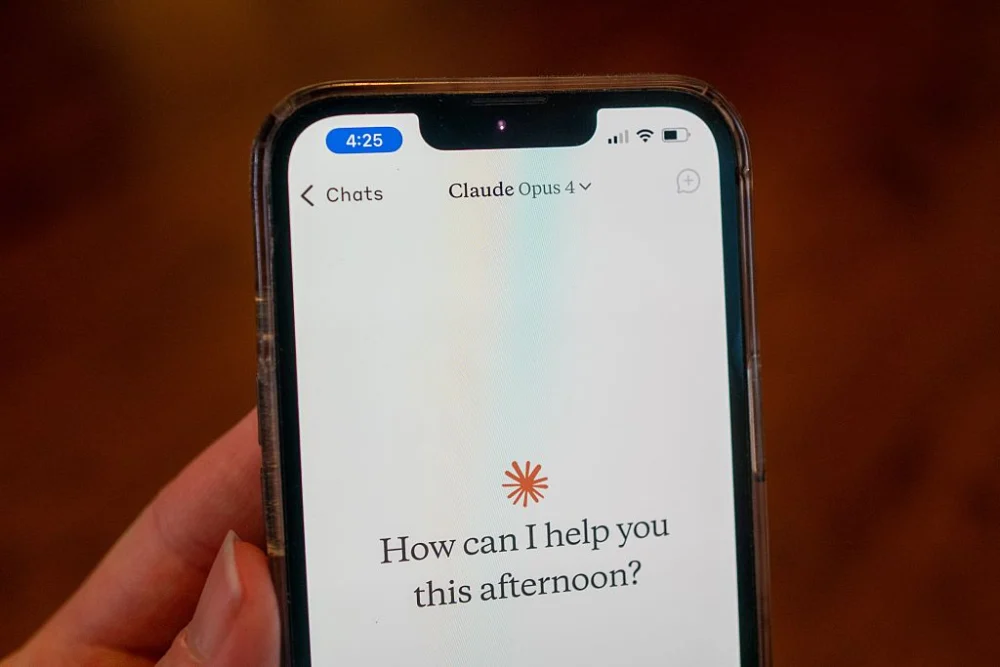
Many users are switching to Anthropic’s Claude, a burgeoning artificial intelligence model, following a string of recent controversies surrounding its rival, ChatGPT, and its parent company, OpenAI. This significant market shift underscores a growing consumer demand for AI solutions that prioritize ethical development and deployment, particularly in sensitive areas such as national security and surveillance. The turning point arrived with a stark ethical divergence between the two leading AI developers regarding government use of their advanced models.
The Genesis of the Divide: Anthropic’s Principled Stand
The catalyst for this dramatic industry realignment occurred on February 27, 2026, when Anthropic, the company behind the Claude AI model, publicly refused to allow the United States Department of Defense (DoD) to utilize its AI models for two highly contentious applications: mass domestic surveillance and the operation of fully autonomous weapons systems. This decision was not made lightly, aligning directly with Anthropic’s core mission and its foundational commitment to "Constitutional AI" – an approach designed to imbue AI systems with ethical principles and safety guidelines from their inception.
Anthropic, founded by former OpenAI researchers who left over concerns about safety and commercialization, has consistently championed a more cautious and values-driven approach to AI development. Their refusal to engage with the Pentagon on these specific terms was widely interpreted as a powerful affirmation of their commitment to these principles, even at the cost of lucrative government contracts and potential political backlash. Sources close to Anthropic indicated that the company’s internal ethics board, composed of AI safety experts and ethicists, played a crucial role in shaping this definitive stance, emphasizing the profound societal risks associated with unchecked AI deployment in warfare and citizen monitoring.
Government Response: Executive Order and Supply Chain Threat
The ramifications of Anthropic’s refusal were immediate and severe. Within hours of the public announcement, President Trump issued an executive order mandating that all federal agencies cease using Anthropic’s products and services. This directive effectively blocked government access to a rapidly advancing AI platform, citing national security concerns and the imperative for federal contractors to align with strategic defense objectives.
Further escalating the pressure, Defense Secretary Pete Hegseth, on February 27, 2026, announced plans to officially designate Anthropic as a "supply-chain threat." This unprecedented move, typically reserved for foreign entities or companies with significant security vulnerabilities, sends a chilling message to the tech industry. A supply-chain threat designation can severely restrict a company’s ability to participate in future government contracts, impede its access to critical components or technologies, and potentially damage its international standing and investor confidence. Secretary Hegseth’s statement, released through the Pentagon press office, emphasized that "the Department of Defense requires partners who are fully committed to supporting national security without reservation. Any technology provider unwilling to collaborate on critical defense applications, particularly those involving advanced AI, presents an unacceptable risk to our operational readiness and technological advantage."
OpenAI’s Counter-Move and the Sparking of Debate
In a swift and strategically timed counter-move, OpenAI, the creator of ChatGPT, announced its own agreement with the Pentagon just hours later, on February 28, 2026. OpenAI CEO Sam Altman, in a public statement, confirmed the partnership, asserting that the deal included "robust technical safeguards" designed to ensure responsible and ethical AI deployment. While specific details of these safeguards were not immediately disclosed, industry analysts speculated they might include human-in-the-loop protocols for critical decisions, restrictions on the types of military applications, and rigorous independent audits of AI system behavior.
Altman’s statement underscored the company’s belief in "the critical role of collaboration between the private sector and government to advance AI safely and for the benefit of all, including national security." He emphasized that OpenAI’s engagement with the Pentagon was predicated on a shared commitment to ethical guidelines and transparency. However, despite these assurances, the announcement immediately ignited a widespread and fervent debate across the tech community, civil liberties organizations, and the general public. Critics quickly pointed out the stark contrast with Anthropic’s position, questioning the efficacy of "technical safeguards" in mitigating the inherent risks of AI in warfare and surveillance, and raising profound concerns about privacy, accountability, and the potential for mission creep. Privacy advocates, in particular, voiced alarms over the precedent set by a leading AI developer directly assisting military and intelligence operations, even with purported guardrails.
The User Exodus and Claude’s Meteoric Ascent
The ethical stand taken by Anthropic, coupled with OpenAI’s subsequent deal with the Pentagon, served as a potent catalyst for a significant shift in user allegiance. Many users, already wary of a "string of controversies" surrounding ChatGPT and OpenAI—ranging from data privacy concerns and content moderation issues to reports of internal instability and the environmental impact of large AI models—found Anthropic’s principled stance a compelling reason to switch.
The market reaction was immediate and dramatic. On March 1, 2026, Claude surged to the top of the free app rankings in Apple’s US App Store, overtaking ChatGPT, which had long held a dominant position. This rapid ascent reflected a broader trend:
- Record Sign-ups: According to Anthropic, daily sign-ups for Claude hit unprecedented highs in the week following the Pentagon dispute, experiencing a week-over-week increase of over 450%.
- Free User Growth: The company reported a more than 60% jump in free users since January, a trajectory that accelerated sharply after the ethical controversy.
- Paid Subscriber Boom: Paid subscriptions more than doubled this year, indicating not just casual interest but a deeper commitment from users who see long-term value in Claude’s offerings and Anthropic’s ethical framework. This growth was particularly notable in enterprise and professional tiers, where reliability and ethical considerations are paramount.
- Web Traffic and Engagement: Similar trends were observed across Claude’s web platform, with analytics showing a significant increase in unique visitors and average session duration.
Industry analysts were quick to interpret these figures. Dr. Evelyn Reed, a leading AI market researcher at Nexus Analytics, stated in a press briefing, "This isn’t just a temporary protest; it’s a paradigm shift. Consumers are increasingly sophisticated about AI ethics. They’re voting with their downloads and their wallets, demonstrating that a company’s moral compass can be as powerful a market differentiator as its technological prowess. OpenAI’s pivot might secure government contracts, but Anthropic’s principled stand is winning the hearts and minds of a rapidly growing user base." This surge positioned Claude not merely as an alternative, but as a formidable contender for market leadership in the consumer AI space.
Broader Implications: Ethical AI as a Market Differentiator
This series of events has profound implications for the future of the artificial intelligence industry, marking a critical juncture where ethical considerations are becoming central to market competition and public perception.
- Elevated Importance of AI Ethics: The episode firmly establishes AI ethics not as a niche concern but as a mainstream factor influencing user adoption and brand loyalty. Companies that transparently articulate and adhere to strong ethical guidelines may gain a significant competitive edge.
- Government-Tech Relations: The incident highlights the growing tension between the strategic demands of governments, particularly in defense and intelligence, and the ethical commitments of leading AI developers. This friction is likely to intensify, potentially leading to increased calls for regulatory frameworks that balance national security with civil liberties and ethical AI development.
- Consumer Empowerment: The rapid user migration to Claude demonstrates the significant power of consumer choice in shaping the AI landscape. As users become more educated about AI’s societal impact, their preferences will increasingly drive market trends and influence corporate policy.
- Redefining "Responsible AI": The debate surrounding OpenAI’s "technical safeguards" will push the industry to define what truly constitutes "responsible AI" in high-stakes applications. Simple assurances may no longer suffice; demonstrable, independently verifiable ethical frameworks will become essential.
- Market Diversification and Competition: While OpenAI has enjoyed a dominant position, Anthropic’s surge indicates a healthy diversification of the AI market, fostering innovation and offering users more choices based on varying ethical and functional priorities.
The ethical stand by Anthropic and the subsequent user response suggest a maturing AI market where trust, transparency, and principled development are becoming non-negotiable elements for long-term success.
Navigating the Transition: A User’s Guide to Switching to Claude

For many users, the recent controversy has solidified Claude as a compelling, ethically aligned alternative to ChatGPT. Making the switch, however, doesn’t mean abandoning years of digital memory and personalized interactions. Transferring your data can ensure Claude quickly adapts to your preferences, making the transition seamless and productive.
How to Export Your Data from ChatGPT
Breaking up with ChatGPT shouldn’t mean losing years of digital memory. Instead of starting from scratch with a new AI assistant, you can transfer your data to Claude so it can get up to speed on your preferences right away. This process is crucial for maintaining continuity in your AI interactions and ensuring your new assistant is immediately personalized.
There are several methods to retrieve your valuable data from ChatGPT:
-
Curating Your Personalization Settings:
- Begin by accessing your ChatGPT Settings.
- Navigate to the Personalization section, then locate the Memory feature.
- Select "Manage" to review the information ChatGPT has stored about your preferences, conversational style, and frequently discussed topics. This includes any custom instructions you’ve provided over time.
- Carefully review and update anything that no longer accurately reflects your current preferences or that you deem sensitive.
- Once your memory is refined, copy the content you wish to retain. This method allows for a selective transfer of the most relevant personalization data. This is particularly useful for users who have meticulously trained ChatGPT with specific nuances of their work or communication style.
-
Exporting Your Entire Chat History:
- For a comprehensive transfer, you can export your entire conversational history.
- Head to Settings, then select Data Controls.
- Choose "Export Data." ChatGPT will compile your complete chat records, typically into easily manageable text or JSON files, and email them to your registered address.
- Important Consideration: If you possess an extensive chat history spanning years, this export process may take a significant amount of time, ranging from several minutes to a few hours. Ensure you have adequate storage and bandwidth for the downloaded files. Be mindful of the sensitive nature of this data and store it securely once downloaded.
-
Manual Summarization and Extraction:
- For a more curated and efficient approach, you can manually extract key information.
- Review your most important conversations and copy relevant sections directly.
- Alternatively, you can prompt ChatGPT itself to summarize your main preferences, frequently discussed topics, specific project details, and any custom instructions you consistently use. For example, you might ask, "Summarize all my custom instructions and preferences you’ve learned from our conversations into a single document." This leverages ChatGPT’s own capabilities to condense your digital footprint into an easily transferable format.
Import Your Data into Claude
Once you’ve diligently gathered your data from ChatGPT, transferring it to Claude is a straightforward process designed to integrate your personalized information seamlessly.
-
Enable Memory in Claude:
- Open Claude and navigate to Settings.
- Go to Capabilities and ensure that Memory is toggled on.
- Subscription Requirement: It’s important to note that access to Claude’s Memory feature, which is crucial for importing your personalized data, requires a paid subscription. You’ll need to sign up for the Pro, Max, Team, or Enterprise plan to enable this advanced functionality. This ensures that your personalized AI experience is robust and well-supported.
-
Transferring Personalized Summaries and Instructions:
- Start a new conversation with Claude.
- Use a clear and directive prompt such as, "Here’s some important context I’d like you to remember about me and my preferences. Update your memory about me with this information."
- Then, directly paste the summarized information, custom instructions, or curated preferences you copied from ChatGPT’s Personalization settings or through manual summarization. This allows Claude to immediately begin understanding your unique operational context.
-
Handling Exported Chat Files:
- For the raw text or JSON files containing your full chat history, avoid pasting the entire unformatted logs directly into Claude. This can overwhelm the model and lead to less effective integration.
- Instead, process these files. You can either manually review and extract key insights, or use a more advanced prompt with Claude. For example, upload the text file (if Claude supports file uploads for your plan) or paste segments, then prompt Claude with something like: "Review this chat history. Summarize my key preferences, frequently discussed topics, and any recurring patterns in my requests." This approach allows Claude to intelligently process and integrate the historical data into its understanding of you.
-
Verification and Refinement:
- After importing your data, take a moment to verify that Claude has accurately saved and integrated the information. You can do this by asking Claude questions related to your preferences or past data. For instance, "Based on what I just told you, what are my primary interests in AI research?" or "Can you recall the specific project details I shared earlier?"
- You can always update or refine your preferences within Claude’s Memory settings as your needs evolve, ensuring your AI assistant remains perfectly aligned with your current requirements.
Permanently Delete Your ChatGPT Account
To make a complete and final break from ChatGPT, simply canceling your subscription isn’t enough to remove your data permanently. OpenAI retains user data for a period even after subscription cancellation, in accordance with their data retention policies and legal obligations. To ensure your digital footprint is fully erased, you must explicitly delete your account.
Here’s a general guide on how to permanently delete your ChatGPT account:
- Access Account Settings: Log into your ChatGPT account. Navigate to the Settings menu, typically found by clicking on your profile icon in the bottom left corner.
- Locate Data Controls/Deletion Option: Within Settings, look for a section related to "Data Controls," "Account Management," or "Delete Account." The exact wording may vary based on platform updates.
- Initiate Deletion: Select the option to "Delete Account" or "Delete All Data."
- Confirm Identity: For security purposes, you will likely be prompted to re-enter your password or complete a multi-factor authentication step to confirm your identity.
- Review Data Deletion Notice: OpenAI will present a notice explaining what data will be deleted and the implications of this action. Read this carefully. It typically states that all chat history, preferences, and personal information associated with your account will be permanently removed.
- Final Confirmation: You will be asked for a final confirmation to proceed with the deletion. This action is usually irreversible.
- Email Confirmation: You may receive an email confirming that your account deletion request has been processed. Note that it might take a few days for all data to be purged from OpenAI’s servers, in line with their data retention policies, but your account will be immediately inaccessible.
Conclusion
The rapid shift of users from ChatGPT to Anthropic’s Claude represents a pivotal moment in the AI industry. It underscores the growing importance of ethical principles, particularly regarding the use of advanced AI in sensitive domains like surveillance and autonomous warfare. Anthropic’s unwavering stance against the Pentagon’s requests, contrasting with OpenAI’s subsequent partnership, has resonated deeply with a user base increasingly demanding accountability and transparency from AI developers. This phenomenon highlights that beyond technological prowess, a clear ethical compass is becoming a critical differentiator and a powerful driver of consumer loyalty in the burgeoning artificial intelligence market. As the industry continues to evolve, the ethical frameworks adopted by AI companies will undoubtedly play an ever-larger role in shaping their public perception, market share, and long-term success.