

The escalating conflict between the United States and Israel on one side, and Iran on the other, entered its third day with a dramatic surge in hostilities, marking a significant widening of the geopolitical confrontation across the Middle East and into the Eastern Mediterranean. The day was characterized by intense drone and air strikes, reciprocal military actions, and critical incidents involving allied nations, pushing the region further to the brink of a broader, more devastating war. International calls for de-escalation grew louder, but the immediate trajectory appeared to be one of accelerating military engagement.
Escalation Across Multiple Fronts
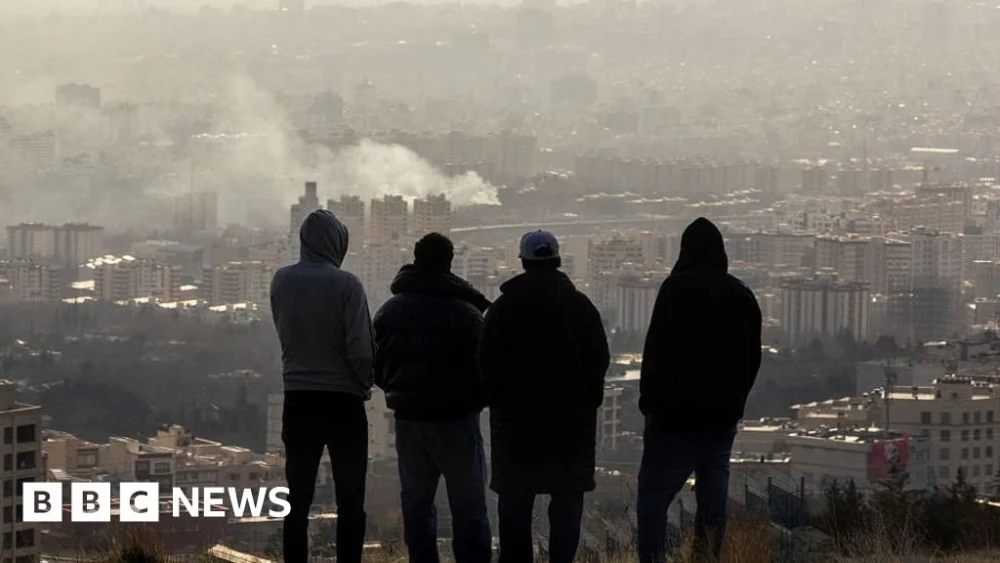
The morning began with a series of powerful US air strikes targeting multiple locations deep within Iranian territory. US Central Command (CENTCOM) confirmed that these operations were conducted in response to previous Iranian missile and drone attacks against US interests and personnel in the region. Reports from various unverified sources within Iran, later corroborated by satellite imagery and eyewitness accounts circulating on social media, depicted scenes of significant devastation in industrial zones and near identified military installations. Targets reportedly included command and control centers, drone manufacturing facilities, and missile launch sites in provinces such as Isfahan, Kerman, and Khuzestan. Precision-guided munitions, likely launched from B-1B Lancer strategic bombers operating out of regional bases and F-15E Strike Eagles, were utilized to neutralize what US intelligence described as critical components of Iran’s offensive capabilities. While official Iranian media remained largely silent on specific damage assessments, state television acknowledged "defensive actions" against "foreign aggression." Independent analysts suggested that the US objective was to degrade Iran’s ability to project power and retaliate effectively, thereby creating a deterrent effect. However, the immediate consequence appeared to be a further hardening of positions in Tehran.
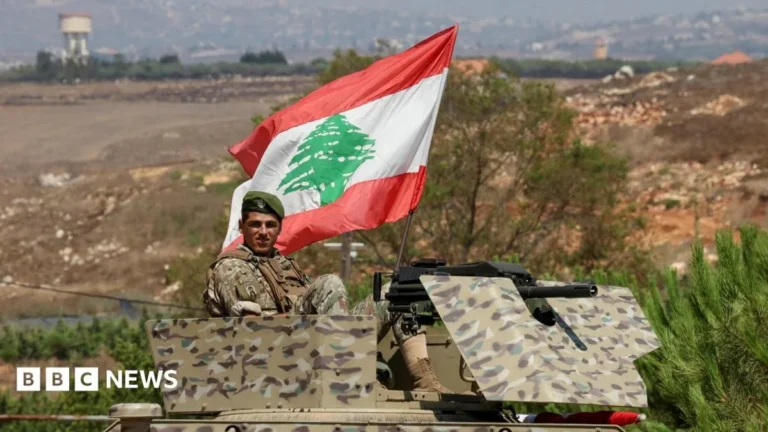
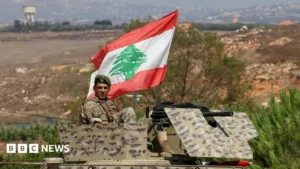
Concurrently, Israel launched a series of targeted air strikes against suspected Hezbollah positions within southern Lebanon. The Israel Defense Forces (IDF) stated that these strikes were a preventative measure and a response to cross-border rocket fire initiated by the Iran-backed militant group. Intelligence reports indicated that the Israeli Air Force (IAF) targeted ammunition depots, advanced weapons storage facilities, and command bunkers believed to be operated by Hezbollah in areas like the Beqaa Valley and along the Litani River. Lebanese state media reported civilian casualties and significant damage to infrastructure in several villages, condemning the Israeli actions as a violation of sovereignty. Hezbollah, in a televised statement, vowed "a painful response" to the Israeli aggression, signaling a potential expansion of the northern front, which has historically been a flashpoint in regional conflicts. The heightened activity along the Israel-Lebanon border immediately raised fears of a full-scale conflict reminiscent of the 2006 Lebanon War, with implications for regional stability and potential humanitarian crises.
The Kuwaiti Incident: A Costly Error
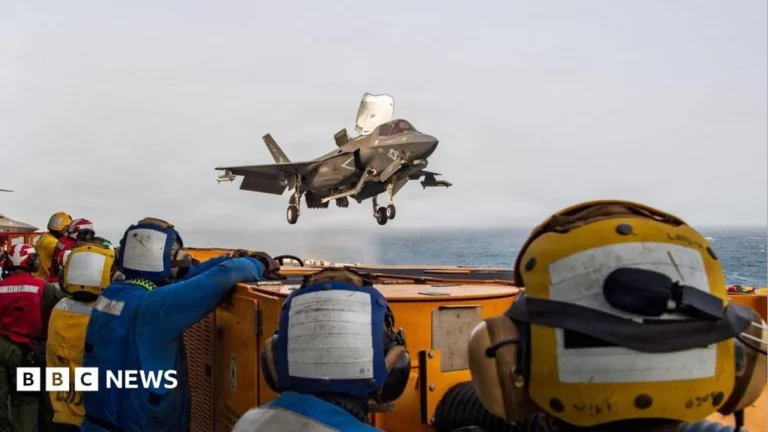
In a development that underscored the chaotic and high-stakes nature of the conflict, three US fighter jets crashed in Kuwait, an allied nation hosting significant American military assets. The US Department of Defense swiftly announced that the incident was the result of apparent "friendly fire" during complex air operations. While specifics remained scarce, preliminary reports suggested a misidentification scenario involving advanced air defense systems or another allied aircraft during a high-stress combat air patrol. All three pilots ejected safely and were recovered with minor injuries, according to CENTCOM. However, the loss of three advanced combat aircraft – believed to be F/A-18 Super Hornets – represented a significant material blow and, more importantly, a severe blow to morale and operational confidence.
The incident prompted immediate investigations by both US and Kuwaiti authorities. Kuwait’s Ministry of Defense issued a statement expressing regret over the incident and emphasizing its commitment to the US-led coalition, while simultaneously calling for full transparency. Analysts pointed out that such incidents, though rare, are not unprecedented in large-scale, multi-national military operations, especially under conditions of heightened alert and rapid decision-making. The "friendly fire" incident highlighted the immense challenges of de-confliction and coordination in a crowded and contested airspace, especially when multiple actors and advanced weapon systems are involved. It also raised questions about the psychological toll on combat personnel operating under constant threat and intense pressure.
Iranian Drone Strikes British Base in Cyprus
Perhaps the most alarming expansion of the conflict came with an Iranian drone strike on a British Royal Air Force (RAF) base in Cyprus, RAF Akrotiri. The base, a critical strategic hub for British military operations in the Eastern Mediterranean and Middle East, was hit by an unmanned aerial vehicle (UAV), causing an evacuation of non-essential personnel and damage to some non-critical infrastructure. The UK Ministry of Defence confirmed the attack, condemning it as an "unprovoked act of aggression" and a "serious escalation." No fatalities were reported, but several personnel sustained minor injuries during the evacuation and subsequent fire suppression efforts.
The targeting of RAF Akrotiri, located hundreds of miles from Iran, represented a clear demonstration of Iran’s increasingly sophisticated long-range drone capabilities and a deliberate attempt to broaden the geographical scope of the conflict. It sent a stark message to the United Kingdom, a key US ally, that its assets are not immune from Iranian retaliation. British Prime Minister Rishi Sunak convened an emergency COBRA meeting, and diplomatic channels were immediately engaged with Cypriot authorities and international partners. The incident raised serious questions about the security of NATO and allied bases in the region and the potential for the conflict to draw in European nations more directly. Cyprus, which hosts several foreign military bases due to its strategic location, reiterated its neutrality while expressing deep concern over its territory being used as a battleground.
Background to the Widening Conflict
The roots of this escalating confrontation are deeply embedded in decades of geopolitical tension between Iran, the United States, and Israel. A primary driver has been Iran’s nuclear program, which Israel views as an existential threat and the US seeks to contain. The 2015 Joint Comprehensive Plan of Action (JCPOA), a multilateral agreement designed to limit Iran’s nuclear activities in exchange for sanctions relief, was unilaterally abandoned by the US in 2018 under the Trump administration, leading to the re-imposition of crippling sanctions. This move, coupled with Israel’s consistent covert operations against Iranian nuclear facilities and scientists, has fostered a climate of deep mistrust and antagonism.
Beyond the nuclear issue, the conflict is fueled by Iran’s regional influence, primarily through its network of proxy militias and allied non-state actors, often referred to as the "Axis of Resistance." These include Hezbollah in Lebanon, various Shiite militias in Iraq and Syria, and the Houthis in Yemen. The US and Israel view these proxies as instruments of Iranian destabilization, while Iran sees them as vital for defending its interests and projecting power against perceived US and Israeli aggression. Previous incidents, such as the 2019 attacks on Saudi oil facilities, the 2020 assassination of Iranian General Qassem Soleimani, and numerous missile and drone exchanges in the past year, have steadily ratcheted up tensions, creating a powder keg environment. The initial days of this current conflict reportedly began with a series of tit-for-tat missile and drone attacks following an unspecified flashpoint event, quickly spiraling into the direct military engagements witnessed today.
Official Reactions and International Response
Reactions from the involved parties and the international community were immediate and varied. The US State Department reiterated its commitment to protecting American interests and allies, calling on Iran to "cease its aggressive actions." US Secretary of Defense Lloyd Austin emphasized that the US seeks "no wider war" but would "not hesitate to defend our forces and partners." Israeli Prime Minister Benjamin Netanyahu affirmed Israel’s right to self-defense, stating that "those who seek to harm Israel will pay a heavy price." Iranian Foreign Minister Hossein Amir-Abdollahian condemned the US and Israeli strikes as "acts of terror" and vowed a "decisive and proportional response" to any further aggression, while simultaneously appealing to the United Nations to intervene.
Internationally, the United Nations Secretary-General António Guterres expressed "grave concern" over the rapidly deteriorating situation, calling for an immediate cessation of hostilities and urging all parties to exercise maximum restraint. The UN Security Council was expected to convene an emergency session to discuss the crisis, though prospects for a unified resolution appeared dim given the deep divisions among its permanent members. The European Union called for de-escalation, emphasizing the catastrophic potential of a full-blown regional war. Saudi Arabia and the United Arab Emirates, while traditionally wary of Iran, reportedly engaged in discreet diplomatic efforts to prevent the conflict from engulfing the entire Gulf region, recognizing the severe economic and security implications for themselves.
Geopolitical Ramifications and Future Outlook
The third day of this US-Israeli war with Iran has profoundly altered the geopolitical landscape, signaling a dangerous new phase in Middle Eastern conflicts. The most immediate and significant impact is on global energy markets. Oil prices surged to multi-year highs following the strikes, driven by fears of disruptions to crude oil supplies from the Persian Gulf, particularly through the Strait of Hormuz, a critical chokepoint for global oil shipments. Shipping insurance premiums for vessels operating in the region also spiked, indicating a severe risk assessment by the maritime industry.
Beyond energy, the conflict poses immense risks to regional stability. The direct engagement between Iran and Western powers, coupled with the activation of proxies like Hezbollah, risks drawing in other nations, either through direct military action or by becoming collateral damage. The potential for a widespread refugee crisis, disruption of trade routes, and the exacerbation of existing humanitarian emergencies in Syria, Yemen, and Iraq are significant concerns. Cyber warfare, a silent but potent front, is also expected to intensify, with both state and non-state actors potentially targeting critical infrastructure.
The "friendly fire" incident in Kuwait complicates alliance dynamics, requiring careful diplomatic navigation to reassure host nations and maintain coalition cohesion. The drone strike on RAF Akrotiri highlights the vulnerability of forward-deployed Western assets and underscores the global reach of modern asymmetric warfare.
As the conflict enters its fourth day, the international community faces an unprecedented challenge. Diplomatic efforts, though underway, struggle to keep pace with the rapid military escalation. The prospect of de-escalation appears increasingly remote as each side retaliates, trapping the region in a perilous cycle of violence. The coming days will be crucial in determining whether the conflict can be contained or if it will cascade into a broader, more destructive regional war with global implications.