


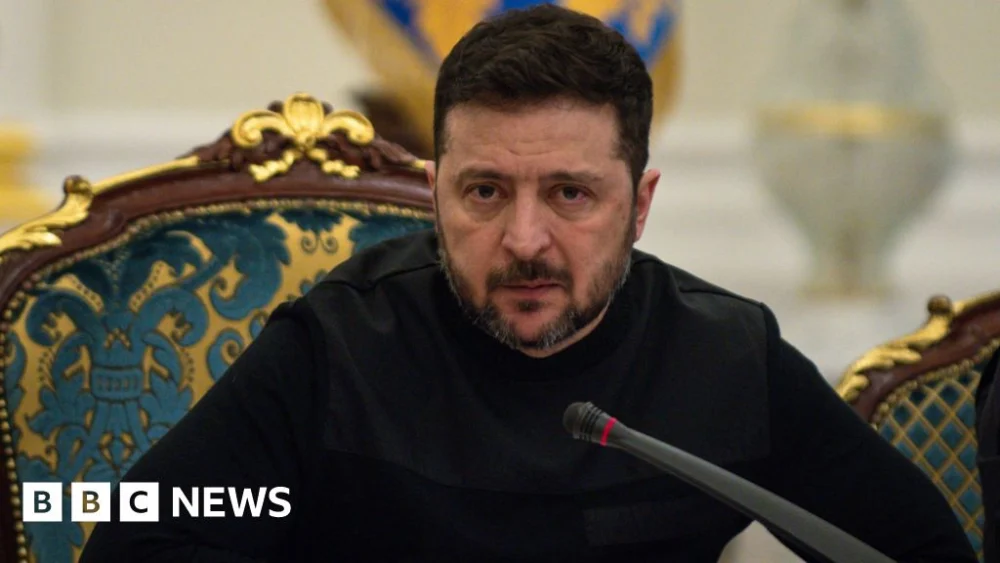
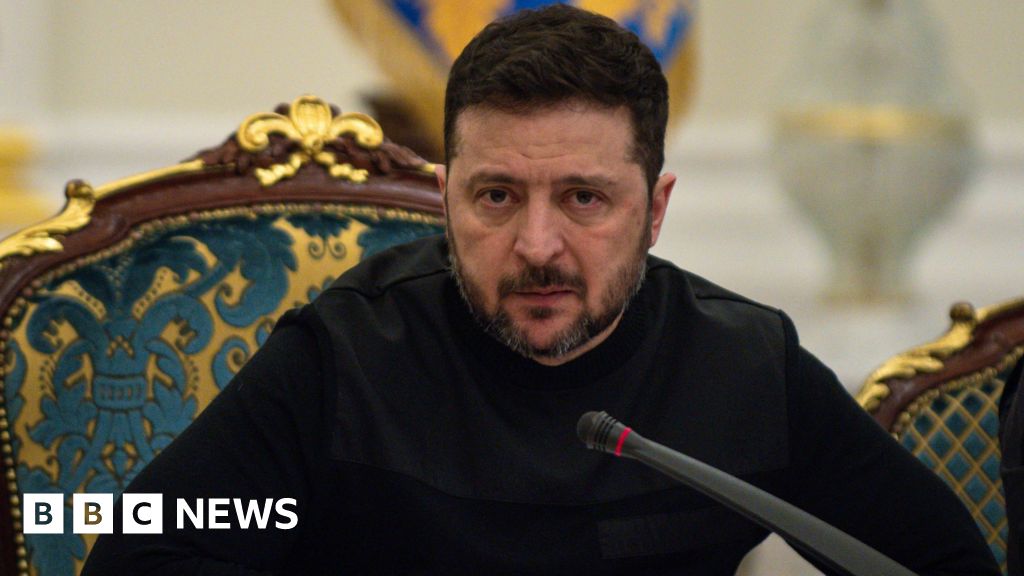
Kyiv has announced its readiness to assist Gulf allies in defending against Iranian drone attacks, a move spurred by direct requests from the United States, according to Ukrainian President Volodymyr Zelensky. This significant development marks a complex turning point, positioning Ukraine, long a recipient of international military aid, as a potential security provider in a volatile geopolitical landscape. President Zelensky confirmed that instructions have been issued "to provide the necessary means and ensure the presence of Ukrainian specialists who can guarantee the necessary security," while simultaneously emphasizing that any assistance would be contingent upon safeguarding Ukraine’s own defense capabilities and securing tangible diplomatic gains for Kyiv.
Ukraine’s Strategic Offer and US Request
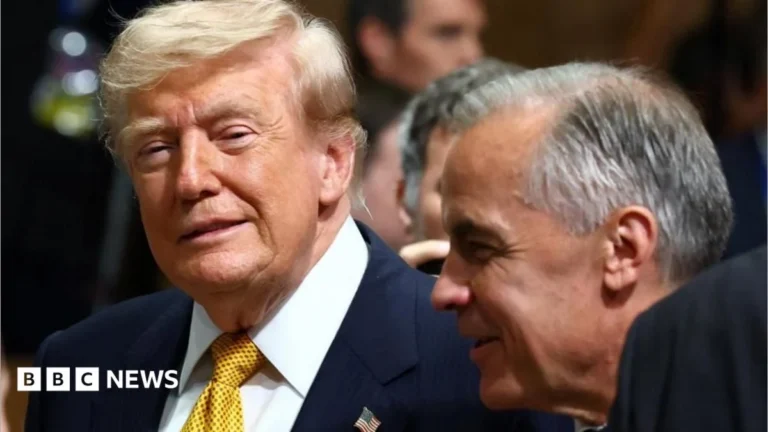
President Zelensky’s revelation, made during a period of heightened tensions in the Middle East, signals a calculated diplomatic offensive. The Ukrainian leader stated that "partners had been reaching out" and specifically highlighted "requests from the American side" for assistance in countering the proliferation of Iranian-made drones. This request from Washington places Ukraine in a unique position, especially given the current US administration’s complex and often erratic policy towards military support for Kyiv. When asked about the Ukrainian offer, US President Donald Trump briefly commented, "I’ll take any assistance from any country," indicating an openness, albeit without elaborating on specifics or potential quid pro quo arrangements.
The core of the request revolves around Ukraine’s hard-won expertise in detecting, tracking, and intercepting Iranian Shahed-type drones, which Russia has extensively deployed against Ukrainian cities and infrastructure since its full-scale invasion began in February 2022. These "kamikaze" drones, primarily the Shahed-136 and its smaller variant, the Shahed-131, have proven challenging to counter effectively due to their low radar cross-section, relatively slow speed, and swarm attack tactics. Ukraine’s air defense forces have, through necessity, developed sophisticated countermeasures and tactics, including a combination of traditional air defense systems, electronic warfare, and mobile fire groups equipped with anti-aircraft guns and heavy machine guns.
Zelensky’s engagement with leaders across the Gulf region – including the United Arab Emirates, Qatar, Bahrain, Jordan, and Kuwait – underscores the breadth of the perceived threat and Ukraine’s ambition to expand its diplomatic influence. He reported promising "concrete steps" to help these nations protect critical military bases and civilian infrastructure from Iranian attacks, explicitly noting that their "main request to Ukraine is" assistance against Shaheds, which are "difficult to intercept without the proper expertise and adequate weapons."
The Stakes: Iranian Drone Threat in the Gulf
The Middle East has long been a flashpoint, but the increasing use of advanced Iranian-supplied drones by proxy groups and directly by Iran itself has escalated regional security concerns. The Shahed-136, with an estimated range of up to 2,500 kilometers (1,550 miles) and a warhead weighing around 50 kg (110 lbs), represents a significant threat to fixed targets. Its relatively low manufacturing cost, estimated between $20,000-$30,000, makes it an attractive asymmetric weapon, allowing for mass attacks that can overwhelm more sophisticated and expensive air defense systems.
The Gulf Cooperation Council (GCC) states, many of whom host significant US military assets and rely heavily on critical energy infrastructure, have been frequent targets of drone and missile attacks attributed to Iran or its proxies. Notable incidents include the 2019 drone and missile attacks on Saudi Aramco oil facilities, which temporarily halved the kingdom’s oil output, and numerous attempts to target civilian areas and military installations in Saudi Arabia and the UAE by Houthi rebels in Yemen, often utilizing Iranian-designed or supplied technology. These attacks highlight the vulnerability of the region’s airspaces and the strategic imperative for robust and cost-effective counter-drone capabilities.
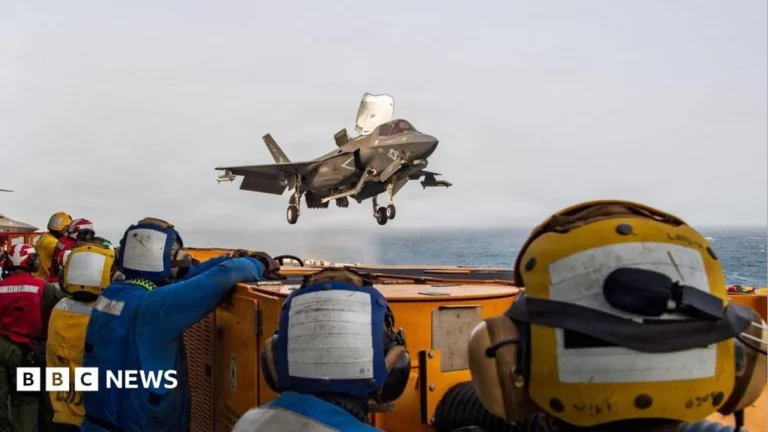
The US maintains a significant military presence in the Gulf, including air defense assets like the Patriot system, specifically to protect its forces and regional allies. However, the sheer volume and persistent nature of drone threats, coupled with the high cost of intercepting them with advanced missiles, create a complex defense dilemma. A single Patriot interceptor missile, costing several million dollars, is an economically inefficient solution against a drone costing tens of thousands. This disparity drives the search for more sustainable and specialized counter-drone solutions, for which Ukraine’s combat experience becomes invaluable.
Kyiv’s Calculated Diplomacy: Conditions and Objectives
Ukraine’s offer is not merely an act of altruism but a calculated diplomatic and strategic maneuver. President Zelensky explicitly tied any assistance to two critical conditions: first, that it "does not weaken our own defence in Ukraine," and second, that "it serves as an investment in our diplomatic capabilities." This reflects Ukraine’s precarious position, constantly balancing its urgent defense needs against opportunities to enhance its international standing and secure future support.
A key objective for Kyiv is a potential "swap" arrangement. Zelensky suggested Ukraine would be willing to provide its interceptor drones and expertise in exchange for more US Patriot air defense systems, particularly PAC-3 missiles, which are vital for protecting against Russian ballistic missiles. He revealed that Ukraine had recently used approximately 800 Patriot PAC-3 missiles – a staggering number exceeding its total receipts throughout the entire conflict. This statistic underscores the immense pressure on Ukraine’s air defense inventory and the critical need for replenishment. By helping Gulf partners develop their own cost-effective counter-drone solutions, Ukraine hopes to indirectly reduce the demand for expensive Patriot missiles in the Middle East, thus freeing up valuable assets for its own defense.
Beyond immediate military gains, Ukraine seeks broader diplomatic advantages. Providing security assistance could generate significant goodwill and gratitude from the US, potentially leading to renewed or enhanced military aid in the future, especially given the current administration’s wavering support. Furthermore, it offers an opportunity to cultivate stronger relationships with Arab nations, many of whom have traditionally maintained close ties with Russia and have largely remained neutral regarding the conflict in Ukraine. By demonstrating its capacity as a reliable security partner, Ukraine aims to win favor, attract investment, and perhaps even encourage these nations to adopt more supportive stances towards Kyiv. The arrival of Gulf delegations in Kyiv for discussions indicates the seriousness with which these nations are considering Ukraine’s offer, with reports even suggesting some were encouraged to remain in the capital until a deal was struck. The United Kingdom is also reportedly exploring ways to assist Qatar, indicating a broader Western interest in leveraging Ukrainian expertise.
The Paradox of US Policy and Ukraine’s Resilience
The irony of the US requesting help from Ukraine has not been lost on Kyiv or its citizens. For years, Ukraine has pleaded for more advanced air defense systems, particularly during periods of intense Russian missile and drone attacks. Under the current US administration, direct military support to Ukraine has ceased, leaving Kyiv reliant on dwindling supplies and a complex web of international partners. This cessation of direct aid has created a palpable sense of frustration and vulnerability in Ukraine, even as the US continues to provide vital intelligence that aids Ukraine’s defense and targeting efforts against Russia.
This turn of events – where the US, a global superpower, turns to a war-torn nation for critical defense expertise – highlights Ukraine’s extraordinary resilience and rapid adaptation in the face of a full-scale invasion. Having endured relentless aerial assaults, Ukraine has emerged as a battle-hardened laboratory for modern air defense and drone warfare. Its experience in combating large-scale drone attacks, including the Iranian-designed Shaheds, is arguably unparalleled. This practical, real-world combat experience, gained under immense pressure, offers insights and solutions that even the most technologically advanced militaries may not possess. It underscores a significant shift: from a nation solely dependent on foreign aid to one capable of offering valuable strategic assets and specialized knowledge to its allies.
The Global Landscape of Air Defense and Drone Warfare
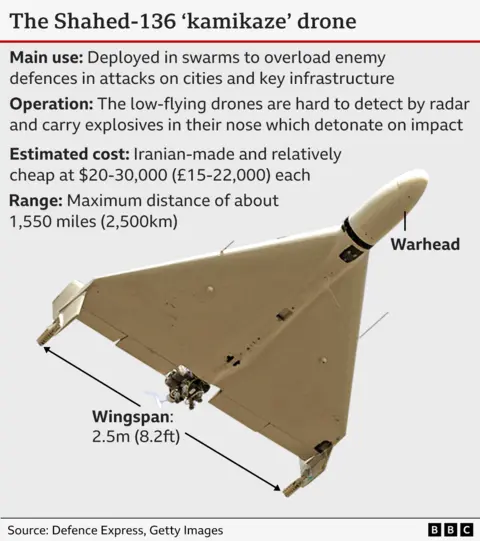
The dilemma faced by Gulf nations—how to effectively and economically counter swarms of inexpensive drones—is a challenge increasingly confronting militaries worldwide. The Shahed-136, a delta-wing drone with a noisy piston engine, flies at relatively low altitudes and speeds, making it difficult for traditional high-altitude air defense systems to efficiently engage. Its estimated cost of production, as low as $20,000-$30,000 per unit, stands in stark contrast to the multi-million-dollar price tag of advanced interceptor missiles like the Patriot PAC-3, which can cost upwards of $4 million each. This cost asymmetry makes engaging such drones with high-end systems economically unsustainable in the long term, potentially depleting precious stockpiles and straining defense budgets.
Ukraine’s response to this challenge has involved a multi-layered approach, combining sophisticated Western-supplied systems like NASAMS and IRIS-T with older Soviet-era anti-aircraft guns, and crucially, thousands of mobile fire teams. These teams, often equipped with pick-up trucks mounted with heavy machine guns or small-caliber anti-aircraft artillery, provide a cost-effective last line of defense against low-flying drones. This blended approach, optimized for efficiency and resource management, is precisely the "expertise and practical support" that Gulf nations are seeking. The ability to scale up interceptor drone production to "up to 10,000 a month," as stated by Ihor Fedirko, head of the Ukrainian Council of Defence Industry, further solidifies Ukraine’s potential as a significant contributor to global counter-drone efforts.
Operational Challenges and Future Prospects
Despite the political will and the pressing need, the implementation of such assistance presents considerable operational challenges. While Ukraine can potentially scale up the production of interceptor drones, the transfer of this technology and expertise is far more complex than simply delivering hardware. Ihor Fedirko cautioned that "the weapons are just plastic and metal, without teaching and training." Effective air defense requires extensive training, not only in operating specific systems but also in developing sophisticated command, control, and communication networks, intelligence gathering, and tactical deployment strategies tailored to specific threat environments.
Fedirko highlighted the current strain on Ukraine’s training infrastructure, stating that "our training centres in Ukraine are totally booked by our armed forces as well as our civilians." This suggests that providing comprehensive training to Gulf partners would require significant logistical planning and potentially external support, or a phased approach. Any agreement would need to address the modalities of training, whether through deploying Ukrainian specialists to the Gulf or hosting Gulf personnel in Ukraine, with clear provisions for knowledge transfer and long-term support.
The outcome of these discussions holds significant implications for all parties involved. For Ukraine, success could mean securing vital air defense systems, bolstering its diplomatic standing, and diversifying its international partnerships. For the US, it offers a pragmatic solution to a complex regional security challenge, potentially at a reduced direct cost, while also strengthening alliances in the Gulf. For the Gulf states, it promises enhanced security against a persistent and evolving threat, potentially transforming their air defense doctrines and capabilities. This intricate interplay of military necessity, economic pragmatism, and geopolitical maneuvering positions Ukraine at the center of a new paradigm in global security cooperation, demonstrating its unexpected emergence as a critical player in the ongoing struggle against advanced asymmetric threats.