



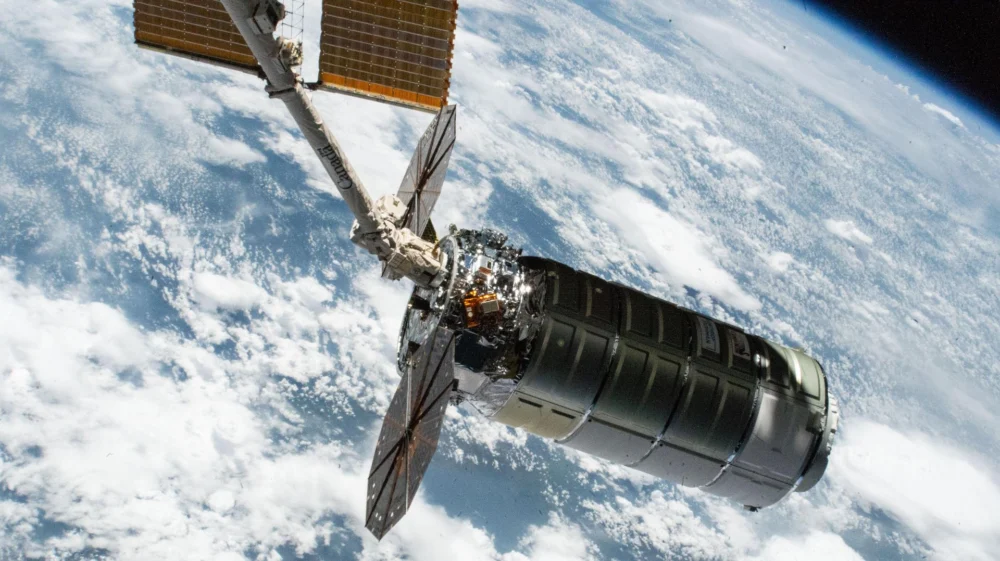
The International Space Station (ISS) is set to bid farewell to Northrop Grumman’s Cygnus XL spacecraft, designated for the 23rd Commercial Resupply Services (CRS-23) mission, on Thursday, March 12, 2026. This departure marks the culmination of a highly successful mission that delivered more than 11,000 pounds (approximately 5,000 kilograms) of vital supplies, cutting-edge science investigations, essential hardware, and other critical cargo to the orbiting laboratory for NASA and its international partners. The event underscores the continuous and indispensable role of commercial resupply missions in sustaining human presence and scientific research in low-Earth orbit.
A Critical Lifeline for Orbital Operations
Since its launch in September 2025, the Cygnus XL spacecraft has served as a crucial lifeline, providing the ISS crew with everything from fresh provisions and personal items to sophisticated scientific equipment and spare parts necessary for the station’s ongoing maintenance and experimental endeavors. The CRS-23 mission holds particular significance as it represents the inaugural flight of the enhanced, larger version of the solar-powered Cygnus spacecraft, boasting an increased cargo capacity designed to meet the evolving demands of the space station. This upgrade allows for the transport of more substantial and diverse payloads, further solidifying Northrop Grumman’s contribution to NASA’s commercial resupply strategy.
The successful berthing and subsequent operations of Cygnus XL have been pivotal for the diverse array of research conducted aboard the ISS. Among the 11,000 pounds of cargo were payloads supporting experiments in fields such as advanced materials science, human physiology in microgravity, biotechnology, and Earth observation. These investigations are critical for expanding humanity’s understanding of life beyond Earth, developing new technologies, and preparing for future long-duration missions to the Moon and Mars. For instance, new biological samples and experimental hardware often require strict temperature control and timely delivery, a capability consistently provided by the Cygnus missions.
Detailed Timeline of the CRS-23 Mission
The journey of the Cygnus XL CRS-23 mission began with its spectacular launch in September 2025.
- Launch (September 2025): The spacecraft lifted off atop a SpaceX Falcon 9 rocket from Space Launch Complex 40 at Cape Canaveral Space Force Station in Florida. This particular launch was notable not only for inaugurating the Cygnus XL variant but also for highlighting the collaborative nature of NASA’s commercial space strategy, utilizing a competitor’s launch vehicle to ensure mission success and redundancy. The launch vehicle’s powerful thrust propelled the cargo vehicle into an optimal orbital trajectory, setting the stage for its rendezvous with the ISS.
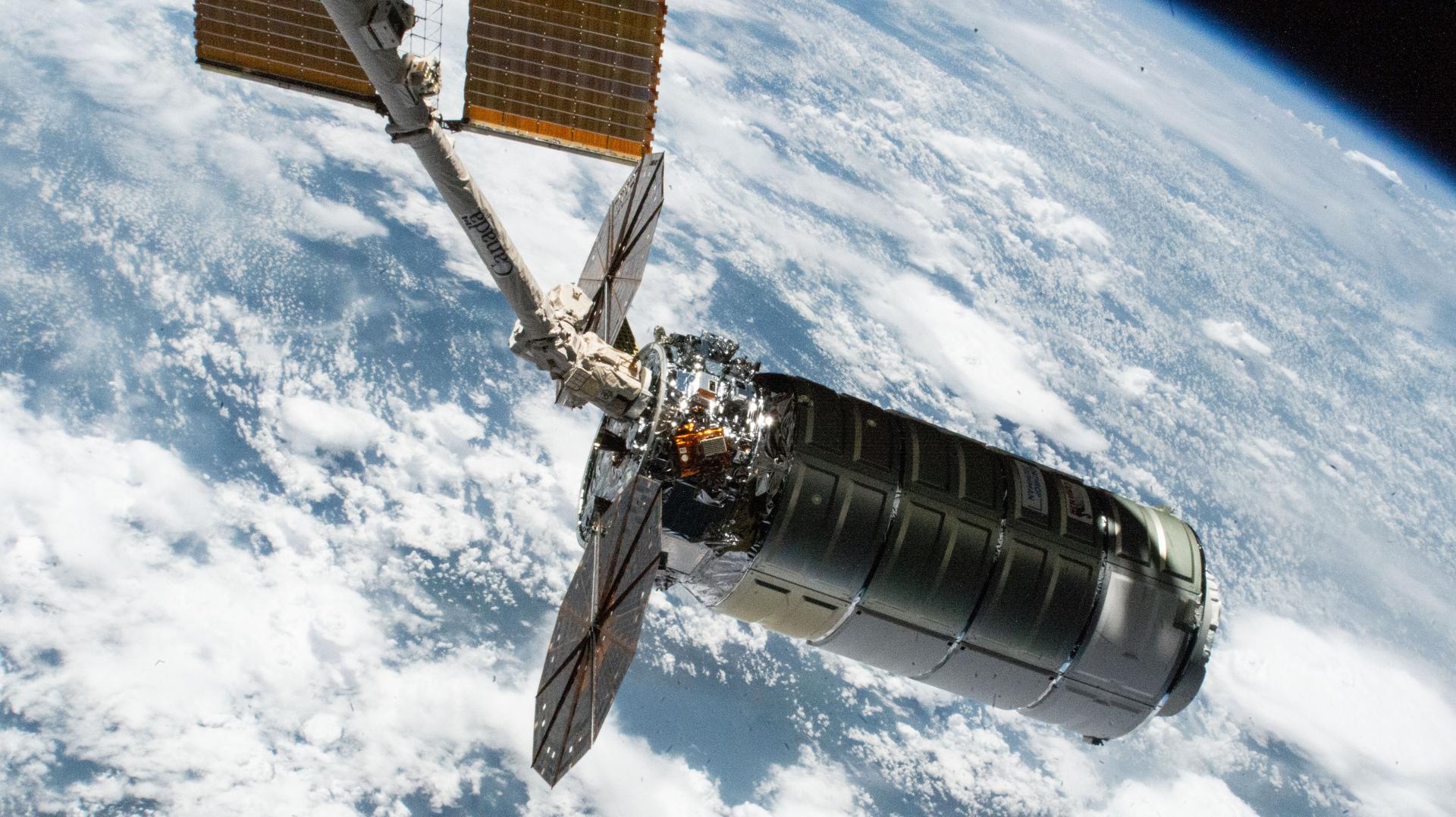
- Rendezvous and Berthing (Shortly After Launch): Following a meticulously choreographed series of orbital maneuvers, the Cygnus XL spacecraft approached the International Space Station. The station’s robotic arm, Canadarm2, played a crucial role in capturing and berthing the spacecraft to the Unity module’s Earth-facing port. This complex operation requires precise coordination between ground controllers and the ISS crew, demonstrating the sophisticated capabilities of both the robotic arm and the Cygnus spacecraft’s navigation systems.
- On-Orbit Operations (September 2025 – March 2026): Over its approximately six-month stay, the Cygnus XL served not just as a storage module but also as an extension of the station’s pressurized volume. Crew members systematically unloaded the thousands of pounds of fresh cargo, ensuring that critical supplies were distributed and scientific experiments initiated. Concurrently, the spacecraft was gradually filled with several thousand pounds of refuse, unneeded equipment, and completed experiment samples, preparing for its ultimate role as a disposal vehicle. This dual function of delivery and disposal is a unique and invaluable feature of the Cygnus spacecraft, differentiating it from other commercial cargo vehicles that return payloads to Earth.
- Undocking and Departure (March 12, 2026): The culmination of its operational phase will occur on Thursday, March 12. Flight controllers on the ground at NASA’s Johnson Space Center will send commands to the station’s 57.7-foot (17.6-meter) long Canadarm2 robotic arm. The arm will carefully detach the Cygnus XL from the Unity module and maneuver it into a safe release position. The final command for release is scheduled for 7 a.m. EDT. European Space Agency (ESA) astronaut Sophie Adenot will be on standby inside the station, diligently monitoring Cygnus’s systems throughout the departure sequence, ensuring a smooth and safe separation.
- Deorbit and Reentry (March 14, 2026): Two days after its departure, on Saturday, March 14, the Cygnus XL will be commanded to perform a controlled deorbit burn. This maneuver will precisely guide the spacecraft into Earth’s atmosphere over a remote area of the Pacific Ocean. Upon reentry, the Cygnus XL, laden with thousands of pounds of trash, will harmlessly burn up, disintegrating into small fragments due to the extreme heat and friction generated by its hypersonic passage through the atmosphere. This method of disposal ensures that no space debris is generated and no hazardous materials impact populated areas, maintaining the safety and sustainability of space operations.
The Indispensable Role of the Commercial Resupply Services Program
The Cygnus CRS-23 mission is a prime example of the success of NASA’s Commercial Resupply Services (CRS) program. Initiated in the early 2000s, the CRS program was designed to foster a robust commercial space industry in the United States, reducing NASA’s reliance on international partners for cargo transport after the retirement of the Space Shuttle program. The program aimed to leverage private sector innovation and efficiency to deliver cargo to the ISS, thereby freeing up NASA resources for deep space exploration initiatives.
Northrop Grumman (formerly Orbital ATK) and SpaceX were the initial awardees of the CRS contracts. While SpaceX utilizes its Dragon spacecraft, which has the unique capability of returning cargo to Earth, Northrop Grumman’s Cygnus provides a vital one-way service for delivering supplies and disposing of waste. This complementary approach ensures a continuous and diverse supply chain for the ISS, offering redundancy and flexibility critical for long-term orbital operations.
The "XL" designation of this Cygnus variant signifies a significant enhancement. Earlier Cygnus spacecraft were already substantial, but the XL version incorporates structural and propulsion modifications to accommodate a larger pressurized cargo module. This increased capacity is crucial as the ISS continues its scientific mission, requiring more complex experiments, additional crew provisions, and the occasional need for larger spare parts or equipment upgrades. The ability to carry more cargo per mission translates into fewer launches needed over time, potentially saving costs and reducing operational complexities.
Scientific Investigations and Hardware Delivered
The 11,000 pounds of cargo were not merely mundane supplies; they included a treasure trove of scientific instruments and experiments designed to push the boundaries of human knowledge. For instance, new facilities for protein crystal growth experiments could lead to breakthroughs in medicine, enabling the development of new drugs and treatments. Advanced combustion experiments aim to understand how fire behaves in microgravity, which has implications for spacecraft safety and engine design.
Material science investigations explore the properties of novel alloys and composites, potentially leading to stronger, lighter materials for aerospace and terrestrial applications. Biological research included studies on plant growth in space, crucial for future long-duration missions where astronauts will need to cultivate their own food. Human research payloads, such as advanced sensors and monitoring devices, continue to gather data on the effects of microgravity on the human body, from bone density loss to cardiovascular changes, providing insights vital for astronaut health and future deep space endeavors.
Hardware deliveries are equally critical. These can range from new components for the station’s environmental control and life support system (ECLSS) to upgraded computer systems and communication equipment. Tools for extravehicular activities (EVAs), spare parts for robotic systems, and even components for future station enhancements are regularly transported. Without these regular resupply missions, the ISS would quickly become unsustainable, unable to perform its mission due to lack of consumables or failed equipment.
The International Collaboration at Play
The involvement of ESA astronaut Sophie Adenot in monitoring the Cygnus departure underscores the strong international partnership that defines the ISS program. Astronauts from various space agencies—NASA, Roscosmos, ESA, JAXA (Japan Aerospace Exploration Agency), and CSA (Canadian Space Agency)—live and work together, symbolizing global cooperation in scientific exploration. Each partner contributes unique expertise and resources, making the ISS a truly global endeavor. Adenot’s role is not just symbolic; it ensures that the crew, who are most intimately familiar with the station’s day-to-day operations, have direct oversight during critical procedures like vehicle departures.
Statements from Key Stakeholders (Inferred)
While no direct quotes are provided for this specific article, the sentiments surrounding such successful missions are consistently positive from NASA and its commercial partners.
A hypothetical NASA official might state, "The successful departure of Northrop Grumman’s Cygnus XL, following its diligent service in delivering over 11,000 pounds of critical cargo, is another testament to the robustness and reliability of our Commercial Resupply Services program. These missions are the lifeblood of the International Space Station, enabling groundbreaking scientific research and ensuring the well-being of our international crews. The Cygnus XL, with its enhanced capabilities, represents a significant step forward in our ability to sustain long-duration human spaceflight and prepare for future exploration beyond low-Earth orbit."
Similarly, a representative from Northrop Grumman would likely express pride in their contribution: "We are incredibly proud of the performance of our Cygnus XL spacecraft during the CRS-23 mission. This first flight of the larger variant has proven its enhanced capacity and reliability, reaffirming our commitment to supporting NASA and the International Space Station. Our partnership with NASA through the CRS program continues to demonstrate the power of commercial innovation in advancing space exploration, delivering essential supplies and enabling critical scientific endeavors that benefit all humanity."
Broader Implications for Space Exploration
The success of missions like Cygnus CRS-23 has profound implications for the future of space exploration.
- Validation of Commercial Space: It further validates NASA’s strategy of outsourcing routine cargo transport to commercial entities. This approach has proven cost-effective and has stimulated innovation within the private sector, leading to the development of new launch vehicles and spacecraft.
- Sustainability of ISS and Future LEO Platforms: By ensuring a continuous flow of supplies and an efficient method for waste disposal, these missions directly contribute to the long-term viability of the ISS. As the ISS approaches its planned retirement, the experience gained from CRS missions is invaluable for developing future commercial low-Earth orbit (LEO) destinations, which will rely heavily on similar resupply models.
- Enabling Deep Space Exploration: By handling the logistical demands of LEO, NASA can focus its resources and engineering talent on the ambitious Artemis program, aiming to return humans to the Moon and eventually send them to Mars. The technologies and operational expertise honed through CRS missions indirectly support these deeper space objectives.
- Technological Advancement and Economic Impact: The development and operation of advanced spacecraft like Cygnus XL drive technological innovation across various sectors, from materials science to propulsion systems. The commercial space industry also creates high-tech jobs and contributes significantly to the global economy, fostering a vibrant ecosystem of aerospace companies and startups.
How to Watch the Undocking and Departure
For those interested in witnessing this critical space operation, NASA will provide live coverage of the undocking and departure of the Cygnus XL spacecraft. The broadcast is scheduled to begin at 6:45 a.m. EDT on Thursday, March 12, 2026. Viewers can tune in via several platforms:
- NASA+: The agency’s dedicated streaming service.
- Amazon Prime: Through NASA’s official channel on the platform.
- NASA’s YouTube channel: Offering wide accessibility.
Additional information on how to stream NASA content across various online platforms, including social media, is available on the NASA website. This public access ensures transparency and allows enthusiasts, educators, and the general public to connect directly with ongoing space missions.
The departure of Cygnus XL marks not an end, but a continuation of the cycle of delivery, research, and sustainment that keeps the International Space Station operating as humanity’s most advanced orbital outpost. It reinforces the critical partnership between government space agencies and commercial industry, paving the way for a dynamic and accessible future in space.
-end-
Contacts:
Josh Finch / Jimi Russell
Headquarters, Washington
202-358-1100
[email protected] / [email protected]
Sandra Jones
Johnson Space Center, Houston
281-483-5111
[email protected]