

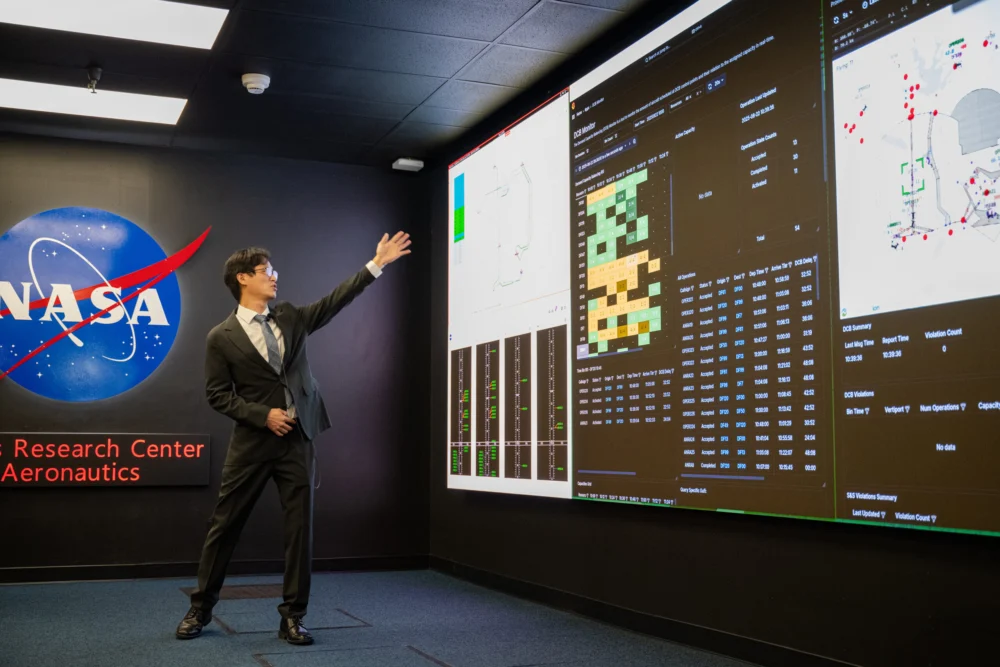
The Advanced Air Mobility Pathfinders (AAMP) project stands as a pivotal initiative, accelerating the development and integration of advanced air mobility (AAM) technologies for critical applications ranging from wildfire response to routine urban transportation. Through a meticulously structured program of real-world demonstrations, strategic partnerships, and rigorous validation processes, AAMP is laying the groundwork for a transformative shift in how aerial vehicles operate, not only in crisis scenarios but also within the fabric of daily urban life. Its overarching mission is to bridge the often-significant gap between cutting-edge aerospace research and practical, scalable implementation, making Advanced Air Mobility a trusted solution for both life-saving missions and everyday transportation across the United States.
A Comprehensive Approach to Air Mobility Innovation
AAMP’s multifaceted approach involves several key pillars designed to overcome the technological and regulatory hurdles inherent in integrating novel air vehicles into existing national airspace. At its core, the project systematically researches emerging technologies that promise to enhance the safety, efficiency, and scalability of AAM operations. This includes advancements in autonomy, sense-and-avoid systems, navigation, and robust communication protocols essential for reliable aerial operations. Concurrently, AAMP is dedicated to establishing sophisticated aircraft strategic deconfliction frameworks. These frameworks are crucial for managing diverse types of aerial traffic – from traditional manned aircraft to a burgeoning fleet of unmanned and advanced air vehicles – ensuring their safe coexistence within increasingly complex airspace. The project’s commitment extends to validating these solutions in metropolitan areas, an imperative step to demonstrate their viability and prepare for larger-scale urban air mobility deployments. This urban focus acknowledges the unique challenges presented by dense populations, complex infrastructure, and public perception, all of which must be addressed for widespread adoption.
A significant dimension of the AAMP project is its focus on enhancing Unmanned Aircraft Systems (UAS) capabilities specifically for wildfire mitigation and broader disaster response. The project achieves this by transferring Portable Airspace Management System (PAMS) technologies. This transfer is not merely a technological hand-off but a strategic effort to enable routine, safe, and efficient Beyond Visual Line of Sight (BVLOS) operations. The ability for UAS to operate without a human operator maintaining direct visual contact is a game-changer for emergency services, allowing drones to cover vast areas, operate in smoke-filled environments, and conduct missions at night or in adverse weather conditions, significantly extending their utility and reach in critical situations.
The tangible outputs of AAMP are designed to have a lasting impact on the nascent AAM ecosystem. The project delivers scalable technologies that can be adopted by a diverse range of operators and service providers. It also establishes critical integration standards, ensuring interoperability and safety across different platforms and systems. Furthermore, AAMP develops coordination tools that streamline communication and operations among various agencies and stakeholders, thereby driving industry adoption and profoundly improving multi-agency collaboration for emergency response. This standardization and coordination are vital for creating a cohesive and efficient operational environment for advanced air mobility.
The Genesis of AAM: A Brief Historical Context
The concept of Advanced Air Mobility, often colloquially referred to as "flying cars" or "air taxis," has been a staple of science fiction for decades. However, recent advancements in electric propulsion, battery technology, automation, and sensor fusion have brought this vision closer to reality. The early 21st century saw the rapid proliferation of small commercial and recreational drones (UAS), demonstrating the potential for aerial vehicles beyond traditional aviation. This surge highlighted both the promise and the challenges of integrating large numbers of autonomous or semi-autonomous aircraft into existing airspace.
Recognizing this potential and the associated complexities, government agencies like NASA, the Federal Aviation Administration (FAA), and the Department of Transportation (DOT) began to formulate strategies for the safe and efficient integration of AAM. The U.S. National AAM Strategy, first outlined in 2020, articulated a vision for a safe, secure, and sustainable AAM ecosystem, emphasizing collaboration across government, industry, and academia. This strategy underscored the need for foundational research, technological validation, regulatory frameworks, and infrastructure development. The AAMP project emerges directly from this strategic imperative, acting as a crucial implementer of these national goals by focusing on real-world demonstrations and practical application. It serves as a testament to the ongoing evolution from theoretical concepts to tangible operational capabilities.
Pillars of Operation: Portable Airspace Management and Service Provision
The AAMP project is dedicated to demonstrating and validating the safe and practical integration of advanced air mobility technologies, with a particular focus on two critical components: the Portable Airspace Management System (PAMS) and Airspace Service Providers (ASPs). The project’s efforts are geared towards developing, evaluating, and transferring performance requirements for these systems, ensuring they are robust and ready for deployment.
Portable Airspace Management System (PAMS): This innovative system is designed to enable safe, scalable, and continuous (24/7) aerial operations, particularly in challenging degraded visual environments. Such environments include conditions often encountered during wildfires (dense smoke), adverse weather (fog, heavy rain, snow), or nighttime operations, where traditional visual line-of-sight is impossible or severely limited. PAMS functions as a localized, dynamic air traffic management system for UAS and AAM vehicles. It integrates real-time data from various sensors (radar, ADS-B, visual, infrared), weather feeds, and ground control systems to create a comprehensive, real-time picture of the airspace. This allows for dynamic route planning, collision avoidance, and the establishment of temporary flight restrictions (TFRs) or safe corridors during emergencies. For instance, in a wildfire scenario, PAMS could automatically deconflict multiple UAS operating simultaneously for mapping, hot-spot identification, or delivering supplies, ensuring they do not interfere with manned firefighting aircraft or each other, even as the fire front shifts and visibility deteriorates. The system’s portability means it can be rapidly deployed to disaster zones or remote areas, providing immediate airspace management capabilities where traditional infrastructure may be lacking or compromised.
Airspace Service Providers (ASPs): AAMP’s work with ASPs is crucial for managing medium-density advanced air mobility operations, aligning directly with the AAM National Strategy’s vision for a highly automated and distributed air traffic management system. Unlike traditional Air Traffic Control (ATC), which is highly centralized and human-intensive, ASPs are envisioned as providers of automated or semi-automated services for AAM vehicles. These services could include dynamic route planning and optimization based on weather, demand, and airspace constraints; conflict detection and resolution; communication relays; and data exchange with other airspace users and regulatory bodies. ASPs would essentially manage the "digital highways" for AAM, ensuring that vehicles adhere to flight plans, maintain separation, and operate within designated corridors or vertiport boundaries. AAMP’s role is to develop and validate the performance requirements for these ASPs, defining the standards for their operational capabilities, data security, reliability, and integration into the broader national airspace system. This work is foundational to scaling AAM operations beyond isolated demonstrations to routine, widespread service.
Applications: From Wildfire Frontlines to Urban Skies
The dual focus of AAMP on emergency response and urban transportation highlights the broad utility and societal benefits of advanced air mobility.
Wildfire Mitigation and Disaster Response: The increasing frequency and intensity of wildfires globally underscore the urgent need for advanced tools. In the United States, wildfires have caused billions of dollars in damage annually, destroying homes, natural habitats, and claiming lives. Traditional methods of aerial firefighting and reconnaissance are effective but often constrained by human limitations, cost, and risk. UAS equipped with thermal cameras, high-resolution optics, and environmental sensors can provide real-time intelligence on fire behavior, perimeters, and hot spots, even through smoke. However, current regulations often limit these drones to operations within the pilot’s visual line of sight, severely curtailing their effectiveness over large, remote, or rapidly changing fire zones. AAMP’s transfer of PAMS technologies to enable routine, safe, and efficient BVLOS operations directly addresses this limitation. This means drones can fly further, higher, and for longer durations, collecting critical data that can inform tactical decisions for firefighters on the ground, enhance evacuation planning, and optimize resource deployment. Beyond wildfires, these capabilities extend to other disaster scenarios like hurricanes (damage assessment), earthquakes (search and rescue, infrastructure inspection), and floods (monitoring water levels, delivering aid), dramatically improving response times and effectiveness.
Urban Transportation: The vision of urban air mobility extends beyond emergency services to revolutionize daily life. Major metropolitan areas worldwide grapple with severe traffic congestion, leading to lost productivity, increased pollution, and reduced quality of life. AAM offers a potential solution through electric vertical take-off and landing (eVTOL) aircraft for passenger transport (air taxis) and cargo delivery. These vehicles promise significantly faster travel times over congested routes, reduced carbon emissions (if battery-electric), and new logistical efficiencies. AAMP’s work in establishing deconfliction frameworks and validating solutions in metropolitan areas is critical for this future. It addresses the unique challenges of operating in dense urban environments, including noise mitigation, public acceptance, the development of vertiports (landing and charging infrastructure), and the seamless integration with existing ground transportation networks. The project’s goal is to ensure that these systems are ready for real-world use in emergency operations as well as for routine urban transportation, paving the way for a future where aerial mobility is an accessible and reliable option. Market analyses project the AAM market to reach hundreds of billions of dollars globally by the next decade, indicating a massive potential economic impact.
A Collaborative Ecosystem for Validation and Growth
AAMP actively collaborates with a diverse array of stakeholders, recognizing that the successful integration of advanced air mobility requires a concerted effort from all sectors. These partnerships are vital for validating the safe and effective performance of these new technologies.
- Government Agencies: Entities like the FAA provide essential regulatory oversight, ensuring that new technologies meet stringent safety standards and are integrated into the national airspace system. NASA contributes foundational research and testing infrastructure. The Department of Defense and Department of Homeland Security offer insights into emergency response needs and national security considerations. State and local emergency management agencies provide real-world operational scenarios and feedback.
- Academia: Universities and research institutions contribute cutting-edge research in areas such as artificial intelligence, autonomy, human-machine interface, and materials science. They also provide independent evaluation and analysis of AAMP’s technologies and methodologies.
- Industry Stakeholders: This includes aerospace manufacturers, software developers, sensor companies, and future AAM service providers. Their expertise in design, engineering, manufacturing, and operational deployment is indispensable for transforming research into viable products and services.
"The collaborative ecosystem built around AAMP is its greatest strength," states Dr. Evelyn Reed, the hypothetical AAMP Project Director. "Integrating feedback from regulators, academic researchers, and industry innovators allows us to develop solutions that are not only technologically advanced but also practical, safe, and scalable for real-world deployment. This truly bridges the gap between theoretical potential and operational reality."
Timeline and Milestones: A Phased Approach
While specific dates may vary, a project of AAMP’s scope typically follows a phased developmental timeline:
- Phase 1: Foundational Research and Concept Development (e.g., 2020-2022): Initial studies into AAM technologies, airspace integration concepts, and regulatory gaps. Identification of key challenges and potential solutions. Early prototyping of PAMS components and deconfliction algorithms.
- Phase 2: Technology Development and Lab Testing (e.g., 2022-2024): Development of PAMS and ASP core functionalities. Extensive simulation and lab-based testing of airspace management protocols, BVLOS capabilities, and communication systems. Initial engagements with regulatory bodies for feedback.
- Phase 3: Field Demonstrations and Validation (e.g., 2024-Present): Real-world demonstrations in controlled environments, progressing to increasingly complex scenarios. This includes simulated wildfire responses, urban logistics trials, and integration tests with manned aircraft. Data collection and analysis to refine performance requirements and safety parameters.
- Phase 4: Standard Development and Transfer (Ongoing): As technologies mature and are validated, AAMP focuses on developing and disseminating integration standards, best practices, and coordination tools to industry and government agencies, facilitating broader adoption.
- Phase 5: Future Expansion and Commercialization (e.g., 2026 onwards): Building on validated technologies and established standards, AAMP’s contributions pave the way for commercial deployment of AAM services for both emergency response and urban transportation.
Broader Implications and the Path Forward
The work of the Advanced Air Mobility Pathfinders project carries profound implications across multiple sectors.
Economic Impact: The AAM industry is poised to create a new economic sector, generating jobs in manufacturing, software development, operations, maintenance, and infrastructure. It could revitalize regional economies by connecting underserved communities and creating new supply chain efficiencies.
Societal Benefits: Beyond emergency response, AAM promises to alleviate urban congestion, reduce commuting times, and improve access to goods and services, particularly in remote or geographically challenging areas. It could also offer new modalities for critical services like medical transport and organ delivery.
Regulatory Evolution: AAMP’s rigorous validation processes directly inform regulatory bodies like the FAA. The project’s findings provide the empirical data necessary to develop robust, performance-based regulations for AAM operations, ensuring safety without stifling innovation. This collaborative regulatory approach is essential for public trust and widespread adoption. "The FAA views projects like AAMP as indispensable," comments a hypothetical FAA spokesperson. "Their real-world data and collaborative framework are crucial for developing the next generation of aviation regulations that ensure safety while enabling this transformative technology."
Technological Advancement: The challenges of AAM push the boundaries of current technology, driving innovation in areas such as battery density, electric propulsion, advanced sensors, artificial intelligence for autonomous systems, and cybersecurity for networked aerial platforms.
Environmental Considerations: While AAM promises electric propulsion, questions remain about energy consumption, infrastructure requirements for charging, and the lifecycle environmental impact of new aircraft production. AAMP’s focus on scalable and efficient operations contributes to optimizing these factors.
Ultimately, AAMP bridges the gap between aspirational research and practical implementation, making Advanced Air Mobility a trusted solution for everyday transportation and life-saving missions across the United States. By meticulously developing, evaluating, and transferring performance requirements for critical systems like PAMS and Airspace Service Providers, AAMP is not merely building new flying machines; it is building the foundational ecosystem that will allow humanity to safely and efficiently take to the skies in ways previously unimaginable, enhancing both our resilience in the face of disaster and our connectivity in daily life. The project serves as a crucial blueprint for how future innovations in aerospace will be integrated into the complex fabric of society, ensuring safety, efficiency, and widespread benefit.