


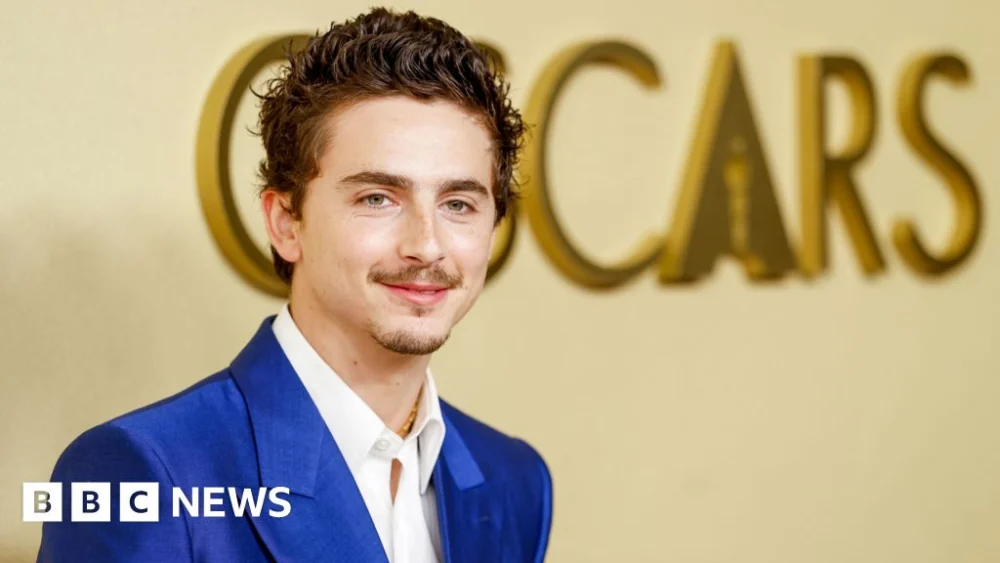
Timothée Chalamet, once the seemingly unassailable golden boy of Hollywood and a presumptive frontrunner for this weekend’s Best Actor Oscar, finds his trajectory increasingly complicated by a confluence of recent controversies and a shifting public perception. What began as seemingly innocuous remarks about the relevance of ballet and opera has rapidly escalated into a broader examination of his public persona, the dynamics of a grueling awards season, and the intricate web of factors that influence Academy voters. The intense scrutiny surrounding the young actor raises questions about whether his current challenges stem solely from his controversial comments or are indicative of a deeper cultural shift in how celebrities are perceived and judged.
The Spark: "No One Cares" About Ballet and Opera
The initial catalyst for the recent storm erupted from an interview with Matthew McConaughey, Chalamet’s former co-star from the 2014 film Interstellar. In a discussion aimed at emphasizing his desire for cinema to remain a widely accessible art form, Chalamet stated, "I don’t want to be working in ballet or opera or things where it’s like, ‘Keep this thing alive even though no-one cares about this any more’." He quickly attempted to soften the blow, adding, "All respect to the ballet and opera people out there. I just lost 14 cents in viewership. Damn, I just took shots for no reason." However, the retraction proved insufficient to quell the burgeoning outrage.
The remarks, widely circulated, ignited an immediate and fierce backlash across social media platforms and traditional media outlets. Theatre critic and arts broadcaster Ian Brown, speaking on BBC Radio London, did not mince words, declaring Chalamet "an absolute fool" and "ridiculous," predicting the comments would "come back to haunt him." Pop culture commentary was equally swift and scathing, with "The Spill" podcast dedicating an episode titled "Why we’re officially done with Timothée Chalamet," questioning whether "the Timothée era officially come to a screeching halt?"
A Robust Defence from the Arts Community
The global arts community, comprising dedicated artists, performers, and institutions, mounted a robust defense against Chalamet’s assertion. Many viewed his comments as dismissive and disrespectful towards art forms rich in history, cultural significance, and requiring immense dedication from their practitioners. US opera singer Isabel Leonard articulated a widely held sentiment: "To take cheap shots at fellow artists says more in this interview than anything else he could say. Shows a lot about his character."
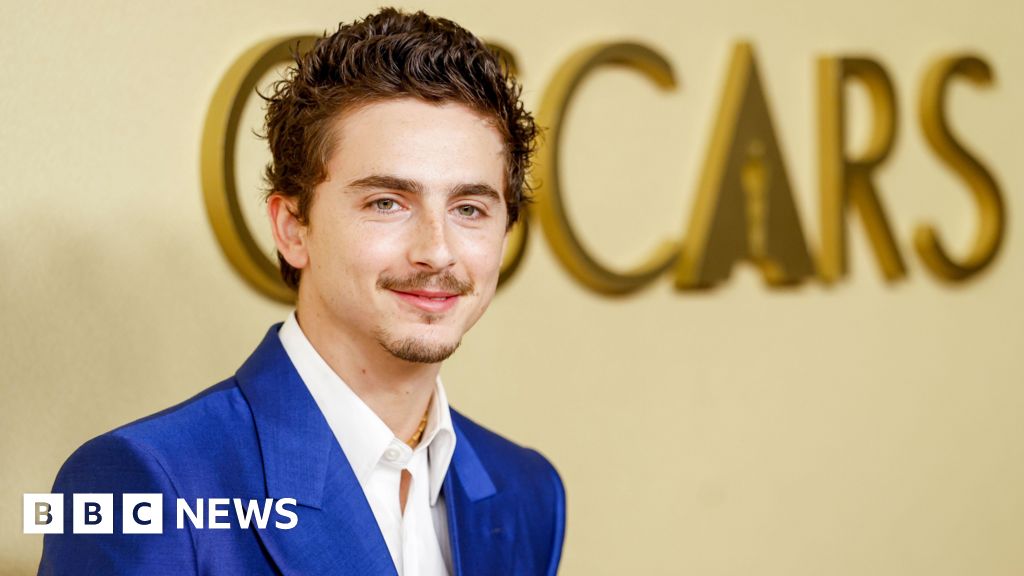
Beyond verbal rebukes, some arts organizations ingeniously leveraged the controversy for their own benefit. Seattle Opera, for instance, humorously capitalized on the moment by offering a 14% discount on tickets to their production of Carmen, inviting "Timmy" himself to use the promo code "TIMOTHEE." This demonstrated not only the resilience but also the marketing savvy within the performing arts sector. The incident underscored the passionate commitment of audiences and professionals alike to these venerable art forms, challenging any notion of their irrelevance.
Statistical Realities vs. Perceived Disregard
While the emotional response to Chalamet’s comments was undeniable, his underlying point regarding declining audience numbers for traditional performing arts is supported by some statistical trends. An official survey of arts attendance in the United States, conducted every five years, revealed a notable downturn. In 2022, merely 0.7% of the US population attended an opera at least once, a significant drop from 2.2% in 2017. Similarly, attendance for ballet and other live dance forms decreased from 8.2% to 4.7% over the same five-year period. These figures, while not negating the passion of existing audiences, do suggest a demographic challenge for these art forms in attracting broader public engagement.
It’s also worth noting that Chalamet’s perspective, though clumsily articulated, might stem from a place of familiarity rather than outright ignorance. He has previously spoken fondly of his family’s connection to dance, with his grandmother, mother, and sister all having been dancers. This background adds a layer of complexity, suggesting his comments might have been an ill-judged attempt to highlight concerns about the future accessibility of live arts, rather than a malicious attack on the art forms themselves. However, the impact of his words, regardless of intent, has been palpable.
The Perilous Path of Oscar Season
The timing of Chalamet’s controversial statements proved particularly precarious, coinciding with the critical final days of Oscar voting. His initial interview began attracting significant attention early in the week leading up to the awards, with the reaction snowballing as voting deadlines loomed. While some, like his largest fan account "Club Chalamet," quickly labeled the incident a "smear campaign" designed to undermine his chances, the exact impact on Academy voters remains a subject of debate.
Alex Ritman, Variety’s London bureau chief, suggests that the controversy likely peaked after Oscar voting had concluded, potentially mitigating its direct influence on the outcome. However, the broader narrative surrounding Chalamet’s Oscar prospects had already begun to shift. He had long been considered a strong frontrunner for Best Actor, buoyed by critical acclaim for his role in Marty Supreme. Yet, the landscape of the awards race is dynamic, heavily influenced by the momentum generated during pre-Oscar ceremonies. Chalamet’s failure to secure two of the most significant recent warm-up prizes—at the BAFTAs and the Actors Awards—had already signaled a turning tide.
Ritman explains, "It’s about the momentum as you get into that last leg and you see how the tea leaves are falling. He was obviously a frontrunner for a very long time, and then when all the different award ceremonies start happening back-to-back, you get a lay of the land." The absence of these key wins indicated a potential erosion of his previously dominant position, even before the ballet and opera remarks added fuel to the fire.
The "Marty Supreme" Persona and Public Perception
Beyond the specific comments, a deeper analysis points to a growing unease with the public persona Chalamet cultivated during the promotional tour for Marty Supreme. Michael Schulman, author of Oscar Wars, observes that many people had "soured on him a little bit just over the past couple weeks," preceding the recent controversy. Schulman attributes this shift to the "callow youth full of braggadocio" persona that Chalamet adopted to market the film. This strategy, while successful in generating buzz and driving audiences to cinemas, created an "awkward transition into award season where he tried to play reverend and humble."
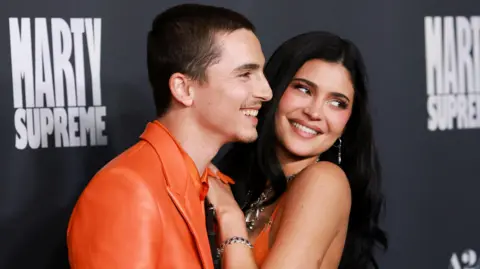
The dissonance between the "Marty Supreme brat persona" and a more subdued, awards-season-appropriate demeanor left some observers confused and others alienated. As Schulman puts it, "So now he comes off as young and obnoxious, and no one’s going to rush to give a young, obnoxious person the best actor award. So I don’t think it’s gone quite right for him." This highlights the tightrope walk celebrities must navigate between promoting their work and maintaining an image that resonates positively with the Academy and the public. The Marty Supreme press events, which included highly publicized appearances with girlfriend Kylie Jenner in matching orange outfits, undoubtedly garnered attention but may have inadvertently contributed to a perception of superficiality or excessive self-promotion.
The question of Chalamet’s "true" identity – whether he is the brash celebrity dating reality TV stars or the serious, humble actor – has become a point of contention. It’s possible he embodies both: a genuinely talented actor who, in his ambition to win an Oscar and achieve "one of the greats" status, adopted a marketing strategy that ultimately backfired, amplified by his high-profile relationship and penchant for stunts to sell films.
Broader Campaign Dynamics and Competing Narratives
The Oscar race is rarely a straightforward contest, and Chalamet’s situation is further complicated by other narratives and developments. Unease has reportedly surfaced regarding a previous film by Marty Supreme director Josh Safdie, where a 17-year-old girl was allegedly cast to play a sex worker, with the director reportedly unaware of her age until after the scene was shot. While not directly related to Chalamet, such reports can subtly affect the perception of a film and its associated talent during awards season.
Concurrently, a significant swing of support has been observed towards the film Sinners, particularly after the BAFTAs. Its stars, Michael B. Jordan and Delroy Lindo, garnered widespread praise for their composure and grace when a guest with Tourette’s involuntarily shouted a racial slur while they were on stage. This incident showcased remarkable professionalism and dignity, generating a wave of positive sentiment that could translate into Academy votes, contrasting sharply with the controversies surrounding Chalamet.
The Fatigue of Awards Season and the Search for Authenticity
Michael Schulman suggests that "both semi-scandals are simply a sign that Oscar season has gone on too long." The extended period of campaigning, interviews, and public appearances can lead to celebrity fatigue, both for the stars themselves and for the public. "Everyone has had too many opportunities to be in front of a microphone talking about whatever’s on their mind, and we’re running out of things to say," he notes. This protracted exposure can inadvertently lead to gaffes or misinterpretations that would otherwise go unnoticed, turning minor missteps into viral controversies.
While the "smear campaign" theory is often floated during awards season, Schulman downplays the omnipotence of Oscar strategists, stating, "I don’t think that the Oscar strategists are that powerful." Instead, it appears to be a more organic confluence of factors: a shifting public mood, the relentless pressure of the campaign trail, and a heightened sensitivity to celebrity behavior in the age of instant social media scrutiny.
Despite the recent turbulence, Chalamet’s talent remains undeniable. Rehna Azim, awards editor for Movie Marker magazine, remains firmly on "Team Timothée." She champions his willingness to offer "something interesting instead of the same bland, safe answers that many actors give." Azim believes he "should still get his Oscar" and deserves it, highlighting his positive interactions with fans and his continued status as an "interesting actor." She expresses concern that the online backlash could stifle his unique voice.
Ultimately, the confluence of Chalamet’s "ballet and opera" comments, the perceived missteps in his Marty Supreme promotional persona, and the strong competing narratives from other nominees paints a complex picture for his Oscar chances. While Schulman still believes Chalamet "deserves an Oscar," the journey to that coveted gold statuette has become significantly more arduous and unpredictable. The final decision rests with the Academy voters, who must weigh performance against perception, talent against public image, and the enduring power of a moment against the relentless scrutiny of an extended awards season. Whether Chalamet can reclaim his golden boy status or if this marks a more permanent shift in his public standing remains to be seen.