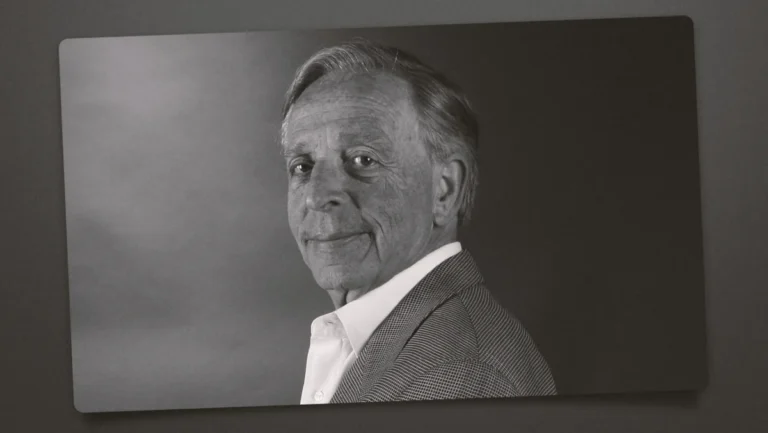




In a career spanning five decades, English singer-songwriter Billy Idol, a pivotal figure of the 1980s "Second British Invasion" on MTV, continues to defy expectations. Now at 70, a grandfather, and still sporting his signature spiky blonde hair, rebellious sneer, and captivating voice, Idol’s influence and creative output remain remarkably potent. His recent accomplishments, including an Oscar nomination, a star on the Hollywood Walk of Fame, and continued musical releases, underscore a career that shows no signs of waning.
A Resurgence in the Digital Age
The recent years have witnessed a significant creative and professional resurgence for Billy Idol. The pandemic era, surprisingly, saw a renewed interest in his iconic 1981 hit "Dancing with Myself," a track that resonated with the isolation and introspection many experienced globally. This renewed spotlight coincided with a burst of new material. In 2021, he released the EP The Roadside, followed by The Cage in 2022. Culminating this period of prolific output was his first full studio album in eleven years, Dream Into It, released in 2025, further solidifying his continued presence in the music landscape.
Idol’s collaborative spirit also came to the fore. He embarked on a North American tour with long-time friend and fellow music icon Joan Jett, reconnecting with his fanbase through live performances. Furthermore, he lent his distinctive vocals to "Night Crawling," a track on Miley Cyrus’s 2020 album Plastic Hearts. Cyrus, a vocal admirer of Idol’s work, expressed her excitement about the collaboration, noting how Idol’s influence permeated her own musical journey. This cross-generational engagement highlights Idol’s enduring appeal and his ability to connect with contemporary artists.
The year 2023 saw Idol receive a prestigious star on the Hollywood Walk of Fame, a testament to his lasting impact on popular culture. His musical achievements have also garnered recognition from the Rock and Roll Hall of Fame, with nominations for induction in both 2025 and 2026, further underscoring his status as a legend in the genre.
An Unexpected Journey to the Oscars
Perhaps the most surprising and celebrated development in Idol’s recent career was his shortlisting for Best Original Song at the Academy Awards in late 2025. The nomination was for "Dying to Live," a poignant ballad he co-wrote with acclaimed Oscar nominee J. Ralph. The song serves as the emotional anchor for the closing montage of Billy Idol Should Be Dead, Jonas Akerlund’s documentary chronicling the artist’s often turbulent life.
The documentary itself premiered to critical acclaim at the Tribeca Festival in June 2025, receiving a warm reception. Its theatrical rollout began in select cinemas at the end of February 2026, offering a comprehensive look at Idol’s journey from his punk rock origins to global superstardom. The Oscar nomination for "Dying to Live" brought a new dimension to Idol’s artistic recognition, extending his reach beyond the music industry into the realm of cinematic accolades.
Reflections from the Hollywood Hills
In a recent conversation at his Hollywood Hills residence, a property he has called home since relocating from New York in 1988, Billy Idol shared his thoughts on his multifaceted career, the documentary, the Oscar-nominated song, and the surreal experience of being recognized by the Academy. The expansive property, a testament to his enduring success, provided a fitting backdrop for a man reflecting on a life lived at full throttle.
The Genesis of the Documentary
Idol explained his decision to cooperate with the documentary, which commenced production in 2019, as a natural progression of his life and career. "As you get into your 60s and 70s, you have a vantage point that you didn’t have before, and you can see the landscape of your life, really, and you’re in a position to look at it and quantify it and be able to talk about that in a serious way, which you maybe couldn’t have done earlier in your life because you just weren’t far enough along the road," Idol reflected. This retrospective lens allowed him to approach the project with a newfound depth and perspective.
The timing also played a crucial role. The passing of his father in 2014 and his mother in 2020 underscored the importance of capturing personal histories while individuals are still present. "My dad had died in 2014, and then my mom passed on in 2020, so we just got her in the documentary," he noted. This poignant realization prompted a desire to create a "serious one, one with gravitas," a film that would accurately represent his life and legacy for future generations. The documentary’s production timeline, starting in 2019 and culminating with its release and Oscar consideration years later, showcases a deliberate and thoughtful approach to documenting his extraordinary journey.
Crafting "Dying to Live"
The inspiration for "Dying to Live" stemmed directly from the need to provide an emotional soundtrack for the documentary’s concluding montage. "What we didn’t have was music to go along with it," Idol explained. "In the rest of the documentary, you’ve seen my life, but now we wanted you to feel what I went through, and we came up with ‘Dying to Live.’"
The musical arrangement itself was an exploration of new territory for the artist. Collaborating with J. Ralph, Idol envisioned a departure from his typical rock arrangements. "When I met Josh Ralph, it made sense that we might do it with a string quartet, which I’d never done before," he stated. While he had incorporated orchestral elements in previous work, such as on his 2013 album Kings and Queens of the Underground, a direct vocal performance with a string quartet was a novel undertaking.
Idol drew inspiration from musical precedents, citing The Beatles’ use of orchestration on tracks like "Eleanor Rigby" and George Martin’s innovative arrangements on "I Am The Walrus." He also recalled Tony Visconti’s string arrangements for Marc Bolan, particularly the performances featured in the documentary Born to Boogie, where Bolan sang his songs with a string quartet. "That’s what kind of made me think, ‘What about if we try something I’ve never tried before?’ Which was me just singing with a string quartet – it’s actually called doubled quartet," Idol elaborated. "What about if I’m singing that? Maybe that will bring out the lyrics of the song and bring out the emotional content of this montage and help you feel what I’d gone through." This deliberate choice in instrumentation aimed to amplify the emotional resonance of the lyrics and the narrative of his life.
The Narrative of "Dying to Live"
The lyrics of "Dying to Live" serve as a profound reflection on Idol’s life choices and the pursuit of his artistic dreams. "It is the story of my musical life, really – what I decided to do with my life from punk rock onwards, when I got a chance to live my dream of doing music and of having an artistic life," he revealed. The song captures the essence of an individual who has successfully navigated the challenges of a demanding industry to achieve a lifelong ambition.
Idol emphasized the ongoing nature of his passion and career. "So now you’re getting to feel the emotions of someone who got to live their dream and has had an artistic life, and it’s still going on. It’s not ending. It’s carrying on. It’s growing," he asserted. This sentiment underscores his continuous engagement with his art and his commitment to evolving as a musician. The song’s narrative arc, from the raw energy of punk to the sophisticated introspection of a veteran artist, encapsulates a journey of self-discovery and artistic fulfillment.
The Oscar Nomination: A Dream Realized
The Academy Award nomination for "Dying to Live" was met with profound disbelief and gratitude from Idol. "It’s just incredible. I mean, you can’t imagine things like that, especially if I go back and think about the young me, even prior to punk – could I ever imagined what was going to happen, that one day you’d even be on a shortlist with all these other great people doing fantastic work?" he mused. The recognition from a prestigious institution like the Academy Awards represents a pinnacle of achievement that transcends his established musical success.
For Idol, the nomination itself carries immense weight. "I mean, it’s pretty incredible. That in itself is an award," he stated. This perspective highlights his appreciation for the acknowledgment of his songwriting and the song’s contribution to the documentary, irrespective of the final outcome. The journey from the rebellious stages of punk to the hallowed halls of the Oscars signifies a remarkable evolution and a testament to the enduring power of his artistic vision.
Broader Impact and Future Outlook
Billy Idol’s continued relevance in the music industry, coupled with his foray into cinematic recognition, paints a compelling picture of an artist who has not only weathered the storms of a long career but has also adapted and thrived. His willingness to experiment with new sounds, collaborate with younger artists, and engage with projects that delve into his personal narrative demonstrates a vital and dynamic creative spirit. The Oscar nomination for "Dying to Live" has undoubtedly introduced his music to a new audience and provided a fresh platform for his storytelling. As he continues to produce new music and engage with his fans, Billy Idol remains a significant and influential figure, proving that age is merely a number when it comes to artistic passion and innovation. His career, now firmly in its sixth decade, serves as an inspiring example of longevity, reinvention, and the persistent pursuit of artistic expression.