



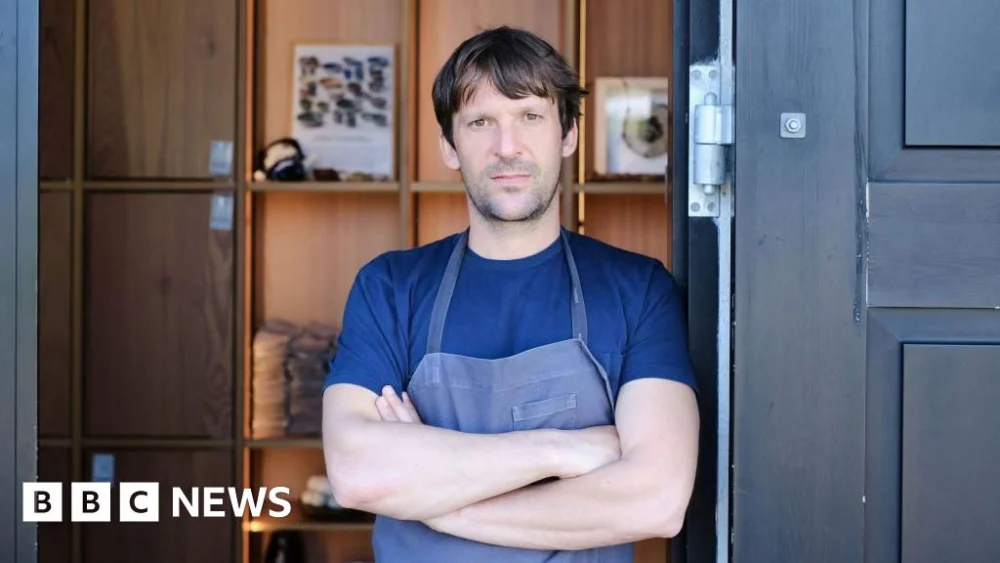
Copenhagen, Denmark – René Redzepi, the visionary head chef and co-owner of Noma, consistently ranked among the world’s most influential and revered restaurants, has officially resigned from his position following a cascade of allegations detailing a toxic work environment and instances of verbal and physical abuse within his esteemed kitchens. The departure of Redzepi, a figure synonymous with the New Nordic culinary movement, marks a pivotal moment for the Copenhagen institution and sends profound reverberations across the global fine dining industry, forcing a critical re-evaluation of the intense pressures and historical norms that have long characterized elite gastronomic establishments.
The Fall of a Culinary Titan
For more than two decades, René Redzepi has been lauded as a culinary pioneer, a chef whose relentless pursuit of innovation transformed Noma into a global phenomenon. Opened in 2003, Noma quickly ascended to the zenith of gastronomic acclaim, earning three Michelin stars and being crowned "The World’s Best Restaurant" an unprecedented five times by Restaurant magazine. Redzepi’s philosophy, centered on hyper-local ingredients, foraging, and a deep connection to the Scandinavian landscape, inspired a generation of chefs and redefined contemporary fine dining. His influence extended beyond the plate, shaping culinary trends and fostering a global community of food enthusiasts eager to experience Noma’s boundary-pushing tasting menus, often priced at hundreds of dollars per person. The restaurant became a pilgrimage site for epicureans and aspiring chefs alike, drawn by its reputation for unparalleled creativity and meticulous execution.
However, beneath the veneer of culinary perfection, a darker narrative began to emerge. Media reports, spearheaded by a detailed investigation in the New York Times, brought to light numerous accusations from former employees who described a demanding and often abusive culture fostered under Redzepi’s leadership. These allegations painted a stark picture of a kitchen environment where verbal threats, demeaning remarks, and even instances of physical mistreatment were reportedly commonplace. The high-pressure, high-stakes world of a three-Michelin-star kitchen, it appeared, had cultivated an environment where extreme behavior was allegedly tolerated, if not encouraged, in the relentless pursuit of gastronomic excellence.
A Timeline of Allegations and Responses
The current crisis for Noma and Redzepi did not materialize overnight but unfolded over several months, escalating sharply with the public revelation of the extensive allegations.
- Late 2022/Early 2023: Initial reports began to surface in various media outlets, hinting at discontent and difficult working conditions within Noma. These often built upon anecdotal evidence shared within the industry, signaling a growing conversation about workplace ethics in high-end gastronomy.
- February 2023: The New York Times published a comprehensive report, featuring interviews with dozens of former Noma employees. This report meticulously detailed a pattern of alleged abuse, ranging from Redzepi’s "shouting and pushing people" to a pervasive culture of fear and intimidation. Former Noma employee Jason Ignacio White publicly corroborated these claims, stating, "To be honest with you, I think the repercussions of staying silent are worse than me speaking up and standing with my peers against violence." White’s testimony highlighted a sense of solidarity among those who had endured the challenging conditions.
- February 2023: Soon after the New York Times report, Redzepi issued a statement on social media, acknowledging the veracity of some of the allegations. In a candid admission, he stated, "To those who have suffered under my leadership, my bad judgment, or my anger, I am deeply sorry and I have worked to change." He further admitted to having "shouted and pushed people, acting in ways that are unacceptable," and revealed that he had sought therapy to address his anger management issues. This response, while acknowledging culpability, did not immediately quell the rising tide of criticism.
- March 2023: As Noma prepared for its highly anticipated 16-week residency in Los Angeles, the allegations gained traction, drawing the attention of workers’ rights organizations and consumer groups. The pop-up, a significant global branding exercise for Noma, became a focal point for dissent.
- March 2023: Protests began to take place outside Noma’s temporary location in the Silver Lake neighborhood of Los Angeles. Wage-rights groups, including One Fair Wage, actively campaigned for Redzepi’s resignation and called for greater accountability within the fine dining sector. Saru Jayaraman, a prominent member of One Fair Wage, articulated the sentiment of the protestors to CBS News, stating, "Who wants to eat in an environment of abuse? Who wants to eat food that comes from the tears and sweat of people who are suffering?"
- March 2023: Concurrently with the protests, several major corporate sponsors, whose backing was crucial for the high-profile LA residency, began to withdraw their support. American Express, a significant partner, was among those reported to have pulled out, citing the unfolding controversy. This withdrawal of corporate endorsement served as a powerful signal of the seriousness of the allegations and the increasing pressure on Noma’s brand.
- March 2023: Amid mounting public pressure, corporate withdrawals, and internal reflections, Redzepi officially announced his resignation via social media. His statement declared: "After more than two decades of building and leading this restaurant, I’ve decided to step away and allow our extraordinary leaders to now guide the restaurant into its next chapter." He reiterated his acceptance of responsibility, stating, "An apology is not enough; I take responsibility for my own actions." Redzepi also confirmed his resignation from the board of MAD, a non-profit organization he founded in 2011, which is dedicated to fostering positive change and supporting new talent within the restaurant industry—a move seen as particularly symbolic given the nature of the allegations.
The Ill-Fated Los Angeles Residency
The Los Angeles residency was envisioned as a triumphant expansion of Noma’s global footprint, an opportunity to showcase its culinary artistry to a new, eager audience. Reservations for the exclusive 16-week dinner series, priced at an exorbitant $1,500 (£1,120) per person, famously sold out within minutes of their release, underscoring the immense global demand for the Noma experience. The pop-up was not merely a temporary restaurant but a meticulously crafted event, designed to immerse diners in Noma’s unique philosophy of nature, seasonality, and experimental cuisine.
However, what was meant to be a celebration quickly turned into a crucible of public scrutiny. The timing of the comprehensive abuse allegations coincided precisely with the pop-up’s launch, casting a long shadow over the venture. The protests outside the Silver Lake location served as a constant, visible reminder of the ethical questions swirling around Noma. The withdrawal of corporate sponsors like American Express was a significant blow, not only financially but also to the restaurant’s reputation. These high-profile corporations, increasingly sensitive to public image and ethical sourcing, could not afford to be associated with an establishment facing such severe accusations of workplace misconduct. Redzepi, in his resignation statement, confirmed that "the team would continue their work at the Los Angeles location without him," indicating an immediate separation from the project he had meticulously overseen for years. This decision underscored the severity of the situation and the immediate need to distance the brand from the controversies surrounding its founder.
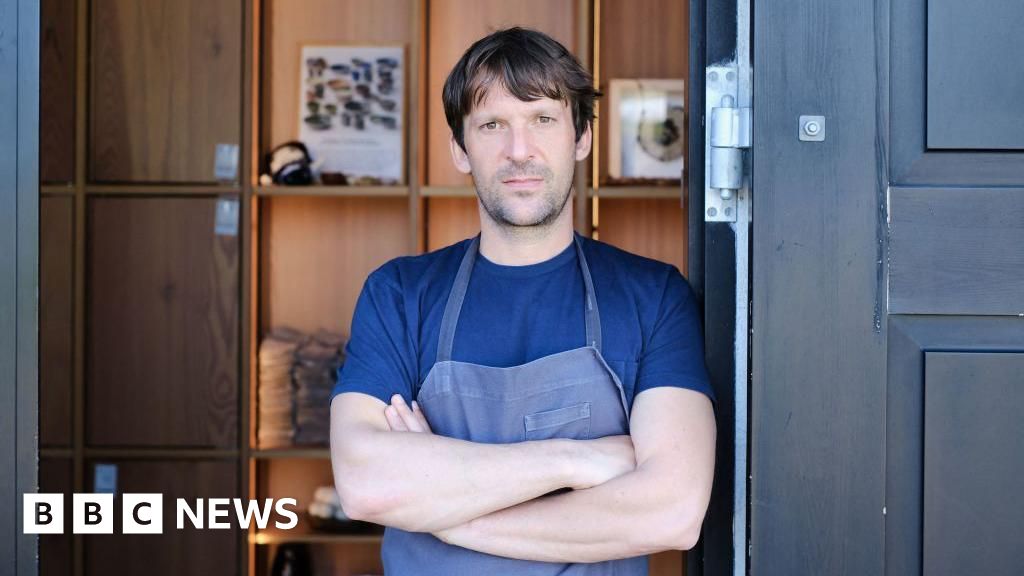
Broader Implications for the Fine Dining Industry
The events at Noma are not isolated incidents but rather symptomatic of a larger, ongoing reckoning within the high-stakes world of fine dining. For decades, the professional kitchen has been romanticized as a grueling, almost militaristic environment where toughness and unwavering dedication are paramount. The "brigade system," a hierarchical structure introduced by Auguste Escoffier in the 19th century, has often been interpreted as justification for demanding, and at times abusive, leadership styles. Iconic chefs, from Gordon Ramsay to Anthony Bourdain, have famously depicted the intense pressures and often volatile temperaments prevalent in professional kitchens.
However, there has been a growing movement in recent years to challenge these entrenched norms. The hospitality industry, notorious for its long hours, low pay, and high-stress environments, has faced increasing calls for improved worker welfare, better compensation, and more humane working conditions. The #MeToo movement, while primarily focused on sexual harassment, has broadened the conversation around power dynamics and abuse in various workplaces, including restaurants. Consumers are becoming more conscious of the ethical footprint of their food, extending beyond sustainability and sourcing to encompass the treatment of the people who prepare it.
Redzepi’s resignation from Noma, and notably from the board of MAD, the non-profit he founded to champion industry improvements, symbolizes a critical juncture. MAD (an acronym for food in Danish, and literally "food" in English as well) was established in 2011 with the noble mission of exploring how food can make the world better, focusing on education, community building, and addressing challenges within the food system, including worker well-being. His stepping down from this organization, given its stated mission to help those new to the restaurant industry, highlights the deep contradiction between his public advocacy and the alleged realities within his own kitchen.
The Noma controversy serves as a stark warning to other Michelin-starred establishments and celebrity chefs. The pursuit of perfection, while admirable, can no longer come at the expense of human dignity and well-being. Restaurants that fail to adapt to these evolving ethical standards risk not only their reputations and financial viability but also their very legitimacy in the eyes of an increasingly discerning public. The demand for transparency and accountability is growing, and patrons are increasingly willing to "vote with their forks" for establishments that demonstrate a genuine commitment to ethical practices from farm to table, and crucially, from front-of-house to back-of-house.
Noma’s Future Without Its Founder
Redzepi’s statement indicated a clear path forward for Noma: "the Noma team today is the strongest and most inspiring it has ever been," and that the "extraordinary leaders" would now guide the restaurant. This suggests that Noma, as a brand and an institution, intends to continue, albeit without its defining creative force at the helm. The decision for the Los Angeles team to proceed without Redzepi immediately signals a desire to move beyond the shadow of the controversy and demonstrate a commitment to its existing talent.
The challenge for Noma will be immense. How does a restaurant so intrinsically linked to the personality and vision of one chef reinvent itself? Will its creative direction remain the same, or will it evolve under new leadership? The restaurant’s reputation for innovation and its ability to attract top talent may be tested. However, the move could also be an opportunity for Noma to forge a new identity, one that prioritizes a healthier, more sustainable workplace culture alongside its culinary brilliance. It could set a precedent for how high-end restaurants can adapt to contemporary ethical demands while maintaining their artistic integrity.
The departure of René Redzepi from Noma is more than just a change in leadership; it is a seismic event that reflects a broader cultural shift. It underscores the growing intolerance for abusive workplaces, even in industries historically defined by intense pressure. The fine dining world, long a bastion of traditional hierarchies and often unquestioned authority, is now being compelled to confront its own ethical shortcomings. The legacy of Noma, and of Redzepi himself, will now be inextricably linked not only to groundbreaking cuisine but also to the critical conversation about respect, well-being, and accountability in professional kitchens globally. The coming months will reveal whether Noma can navigate this unprecedented challenge and emerge as a new model for ethical excellence in gastronomy.