

Travis Kalanick, the controversial co-founder and former CEO of Uber, is reportedly embarking on a new high-stakes venture in the autonomous vehicle sector, establishing a self-driving company with what is described as "major backing" from his former ride-hailing giant. The move, first reported by The Information, signals Kalanick’s determined return to a technology he once championed and subsequently expressed regret over abandoning. Sources close to the matter indicate that Kalanick has voiced an ambition to "be more aggressive in rolling out self-driving technology than Waymo," Google’s pioneering autonomous driving subsidiary, setting the stage for a potentially intense competitive battle.
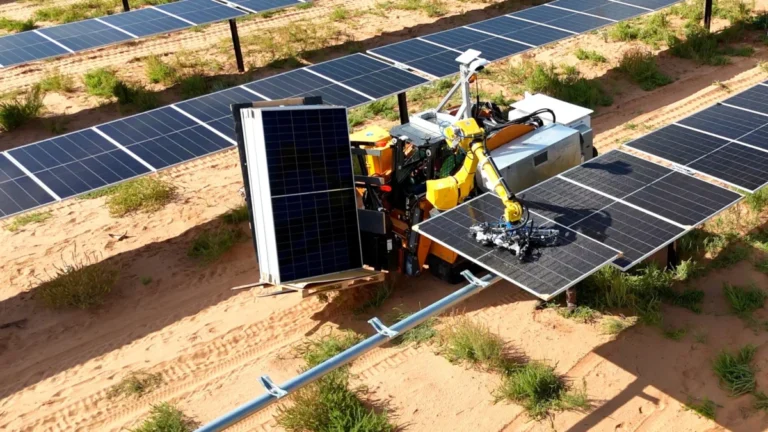
The reported plans also include the strategic consideration of acquiring Pronto, an autonomous vehicle startup specializing in industrial and mining site applications. Pronto was founded by Anthony Levandowski, a former colleague of Kalanick at Uber and a central figure in the infamous trade secrets lawsuit between Waymo and Uber. This potential acquisition and reunion with Levandowski adds a layer of intrigue and controversy to Kalanick’s latest technological endeavor. While Kalanick was previously linked to talks to acquire the U.S. operations of Chinese self-driving firm Pony.ai, also with Uber’s potential support, The Information confirmed on Friday that those discussions have since concluded. Uber has not yet responded to requests for comment regarding its reported involvement or the nature of its "major backing."
Kalanick’s Tumultuous History with Autonomous Vehicles at Uber
Travis Kalanick’s history with self-driving technology is inextricably linked to his tenure at Uber, a period marked by audacious ambition, rapid expansion, and significant controversy. It was Kalanick who, in 2015, spearheaded Uber’s entry into the autonomous vehicle race by establishing its Advanced Technologies Group (ATG) in Pittsburgh. This initiative was seen as crucial for Uber’s long-term strategy, promising to dramatically reduce operational costs by replacing human drivers with robotic counterparts. The vision was clear: a future where Uber’s vast network would be powered by self-driving cars, making rides cheaper and more accessible.
A pivotal moment in this early phase was Kalanick’s aggressive recruitment of Anthony Levandowski, a brilliant but controversial engineer from Google’s self-driving project. Levandowski was lured to Uber with the promise of leading its autonomous efforts, bringing with him a wealth of expertise and a reputation for fast-paced development. However, Levandowski’s departure from Google and subsequent actions at Uber became the epicenter of a sprawling legal battle. Google, through its self-driving subsidiary Waymo, accused Uber of stealing trade secrets related to its LiDAR technology, a critical component for autonomous navigation. The lawsuit alleged that Levandowski downloaded thousands of confidential files before leaving Google and subsequently used them to benefit Uber’s ATG.
The Waymo v. Uber lawsuit became a high-profile saga, shedding light on the cutthroat competition in the autonomous vehicle space. While Uber and Waymo eventually reached a settlement, Levandowski faced severe consequences. He was criminally charged with 33 counts of theft and attempted theft of trade secrets. In 2020, he was sentenced to 18 months in prison, though he ultimately received a last-minute presidential pardon from then-President Donald Trump at the end of his first term in January 2021. This legal entanglement cast a long shadow over Uber’s autonomous vehicle ambitions and Kalanick’s leadership.
The Downfall and Departure from Uber
Kalanick’s reign at Uber came to an abrupt end in June 2017, when he resigned under immense pressure from investors. His departure followed a "confluence of crises" that had engulfed the company, severely damaging its reputation and culture. These crises included widespread complaints of sexual harassment and discrimination within the company, allegations of a toxic workplace environment, and multiple investigations into its business practices. An external investigation led by former U.S. Attorney General Eric Holder ultimately resulted in the firing of more than 20 employees and a sweeping overhaul of the company’s leadership and corporate culture.
The fallout from these events, combined with the ongoing legal battle with Waymo and other controversies like the "Greyball" tool used to evade regulators, created an untenable situation for Kalanick. His aggressive, "growth at all costs" management style, once hailed as instrumental in Uber’s meteoric rise, was now seen as a liability. His successor, Dara Khosrowshahi, was tasked with steering the company toward profitability and restoring its public image, a monumental undertaking that included navigating the complexities of its autonomous vehicle division.
Uber’s Post-Kalanick Autonomous Journey and the Arizona Fatality
Even after Kalanick’s resignation, Uber’s ATG continued its work on self-driving technology under Khosrowshahi’s leadership. However, the path remained fraught with challenges. In March 2018, a tragic incident further complicated Uber’s autonomous ambitions when one of its self-driving test vehicles, operating in autonomous mode with a safety driver present, struck and killed a pedestrian in Tempe, Arizona. The accident marked the first recorded fatality involving a fully autonomous test vehicle and sent shockwaves through the nascent industry. Investigations revealed that the vehicle’s sensors detected the pedestrian, but the system classified her as an unknown object, and the emergency braking system was disengaged to prevent erratic driving. The safety driver was reportedly distracted at the time of the collision.
The Arizona fatality led to the immediate suspension of Uber’s autonomous vehicle testing and prompted a reevaluation of safety protocols across the industry. The incident highlighted the immense technical and ethical challenges inherent in deploying self-driving technology on public roads. Ultimately, in December 2020, Uber decided to divest its self-driving unit. The company sold ATG to Aurora, an autonomous trucking company, in a deal that valued Aurora at approximately $10 billion. As part of the transaction, Uber invested $400 million in Aurora and took a 26% stake in the combined entity, effectively outsourcing its autonomous vehicle development while retaining a financial interest in the technology’s future. This strategic pivot marked a significant departure from Kalanick’s original vision of Uber developing its own proprietary self-driving fleet.

In a rare interview in March 2025, Kalanick publicly expressed his regret over Uber’s decision to abandon its internal self-driving car development. This sentiment, voiced just a year before reports of his new venture emerged, underscores his continued belief in the transformative potential of autonomous technology and perhaps his desire to reclaim a leadership role in its advancement.
The New Venture: A Resurgence and Strategic Implications
Kalanick’s reported new self-driving company, with "major backing" from Uber, represents a fascinating turn of events and a potential comeback for the controversial founder in a domain he feels deeply about. The nature of Uber’s "major backing" remains to be fully elucidated. It could range from a significant financial investment, providing crucial capital for research and development, to a strategic partnership offering access to Uber’s vast ride-hailing network for testing and eventual deployment, or even a data-sharing agreement. For Uber, this backing could be a strategic hedge, allowing it to maintain a direct connection to innovative autonomous technology development without bearing the full financial and operational burden, especially given its previous challenges with ATG. It could also represent an effort to support a new player that might ultimately integrate its services with Uber’s platform, offering a diversified approach to its autonomous strategy beyond its existing partnership with Aurora.
The consideration of acquiring Pronto and reuniting with Anthony Levandowski is particularly noteworthy. Pronto’s focus on industrial and mining sites suggests a potentially more immediate and contained deployment strategy for autonomous technology, distinct from the complexities of urban robotaxis. Industrial environments offer more predictable, controlled conditions, which can accelerate development and commercialization. Levandowski’s expertise in this niche, coupled with his deep knowledge of autonomous systems, would be invaluable. However, his past legal troubles and criminal conviction for trade secret theft will undoubtedly draw heightened scrutiny from regulators, investors, and the public. Any new venture involving Levandowski will need to navigate public perception and demonstrate robust ethical and legal safeguards.
Kalanick’s stated ambition to "be more aggressive in rolling out self-driving technology than Waymo" is a bold declaration. Waymo, with its extensive testing, cautious approach, and partnerships, is widely considered a leader in the field, having deployed fully autonomous ride-hailing services in select cities. Kalanick’s "aggressive" stance could imply a willingness to take on more risk, explore unconventional deployment models, or pursue faster commercialization timelines. This might involve focusing on specific geographic areas or use cases where regulatory hurdles are lower, or leveraging proprietary technology that allows for quicker scaling. The emphasis on "rolling out" suggests a focus on deployment and market penetration, rather than solely on technological perfection.
The Broader Autonomous Vehicle Landscape and Challenges
The autonomous vehicle industry is a high-stakes arena, characterized by immense capital requirements, formidable technical challenges, and a complex regulatory environment. Major players like Waymo (Alphabet), Cruise (General Motors), Mobileye (Intel), and Tesla are investing billions, each pursuing different strategies and timelines. While robotaxi services are slowly expanding, the path to widespread deployment has proven more arduous and time-consuming than initially anticipated. Technical hurdles include perfecting perception in diverse weather conditions, handling unpredictable human behavior, and ensuring fail-safe systems. Regulatory frameworks are still evolving, varying significantly across jurisdictions, adding another layer of complexity.
Beyond passenger transport, autonomous technology is finding applications in logistics, long-haul trucking, and industrial operations, where the economic case can be clearer due to repetitive routes and contained environments. Pronto’s existing focus aligns with this latter segment, potentially offering a more pragmatic entry point for Kalanick’s new company before expanding to more complex urban environments. The industry has also seen consolidation and strategic realignments, such as the recent scaling back and eventual closure of Argo AI, a significant autonomous vehicle developer backed by Ford and Volkswagen, underscoring the intense pressure and financial demands of the sector.
Implications and Future Outlook
Kalanick’s re-entry into the autonomous vehicle space carries significant implications. For Kalanick himself, it represents an opportunity for a second act, a chance to prove his vision and execution capabilities outside the shadow of his previous controversies. His reputation as an aggressive, visionary founder who transformed an industry precedes him, but so does the baggage of Uber’s tumultuous early years. The backing from Uber suggests a level of reconciliation or at least strategic alignment, indicating that despite their past, there’s a mutual interest in the success of this new venture.
From an industry perspective, Kalanick’s new company could inject fresh competition and perhaps an alternative approach to deployment. His drive for "aggressive" rollout could push boundaries, but it will also inevitably invite intense scrutiny, especially concerning safety and ethical considerations, given the industry’s past incidents and Levandowski’s history. Regulators will be watching closely, ensuring that ambition does not compromise safety.
The venture’s success will hinge on several factors: the strength of its technology, its ability to secure additional funding beyond Uber’s initial backing, its capacity to navigate the regulatory labyrinth, and its skill in building public trust. The combination of Kalanick’s entrepreneurial zeal, Levandowski’s technical prowess, and Uber’s strategic support creates a potent, albeit controversial, force in the quest for autonomous mobility. As the industry continues its slow march toward widespread adoption, Kalanick’s latest endeavor promises to be a compelling narrative to watch, potentially reshaping the competitive landscape and reigniting debates about leadership, innovation, and responsibility in the technological frontier.