


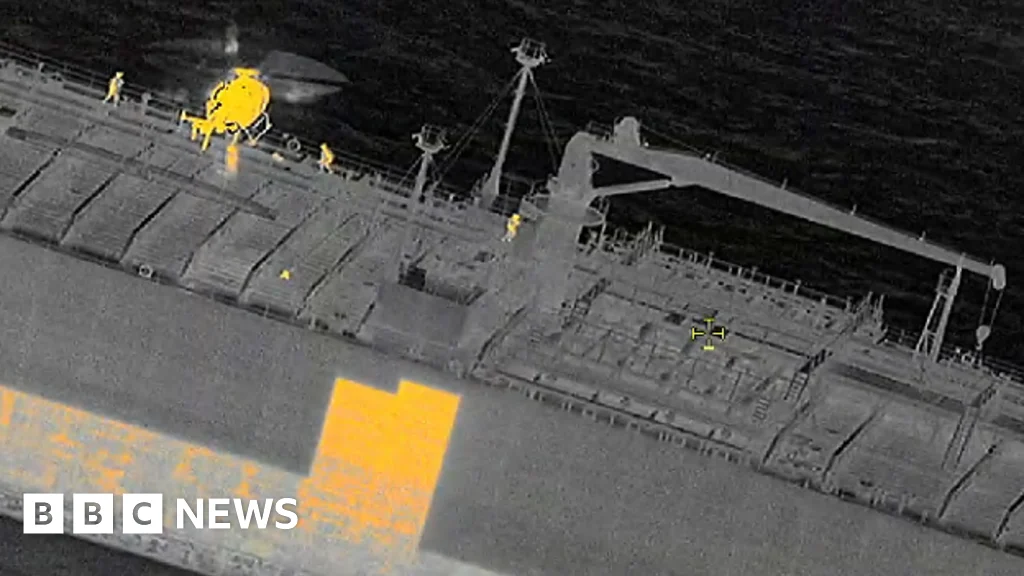
A Swedish court has ordered the detention of the Russian captain of the tanker Sea Owl One, a vessel suspected of operating under a false flag as part of Moscow’s expanding "shadow fleet," a network designed to circumvent Western sanctions on its oil exports. The unnamed captain, 55, appeared in court in Ystad after his arrest on Friday by the Swedish Prosecution Authority, facing charges related to the suspected use of forged documents. This incident marks the second seizure by Swedish authorities in a single week targeting vessels linked to Russia’s illicit maritime operations, underscoring an intensified European effort to enforce international sanctions and maritime law.
Details of the Sea Owl One Interception
The interception of the Sea Owl One occurred on Thursday evening, south of Trelleborg, a key port on Sweden’s southern tip. Members of the Swedish Coast Guard, utilizing advanced surveillance and intelligence, boarded the 228-meter (748-foot) tanker while it was navigating Swedish territorial waters. Initial suspicions arose because the vessel was ostensibly sailing under a Comoran flag, which authorities believed might be bogus. The Comoros, an East African archipelago nation, has seen its flag increasingly misused by vessels seeking to obscure their true ownership or origin, often facilitating illicit trade.
Further investigation by the boarding officers quickly escalated their concerns when the captain presented documents that appeared to be fraudulent. The discovery of these allegedly forged documents formed the basis for the captain’s subsequent arrest and the legal proceedings that followed. The Sea Owl One itself is not an obscure vessel; it is listed among those sanctioned by the European Union, making its presence and operational methods within EU-adjacent waters particularly significant.
According to the Swedish Coast Guard, the tanker had been en route from Santos, Brazil, to Primorsk on Russia’s Baltic coast. Its historical operational data indicated a pattern of transporting oil between Russia and Brazil in recent years, a route that would typically fall under scrutiny given the existing international sanctions framework. The Swedish Prosecution Authority confirmed the captain’s detention, noting that such custody periods typically last for 14 days, allowing for extensive questioning and investigation into the broader network potentially involved. The Russian embassy in Sweden confirmed that 10 of the 24 sailors aboard the Sea Owl One, including the captain, were Russian nationals, with the remaining crew members hailing from Indonesia. The embassy stated on Saturday that it was "closely monitoring the situation," a standard diplomatic response to such incidents involving its citizens abroad.
The Rise of Russia’s Shadow Fleet
The term "shadow fleet" refers to a growing armada of tankers and cargo ships operating with obscure ownership, questionable insurance, and often under flags of convenience, primarily to facilitate the transport of Russian oil and other commodities in defiance of Western sanctions. This fleet emerged prominently following Russia’s full-scale invasion of Ukraine in February 2022, which prompted a sweeping array of economic penalties from the United States, the European Union, the UK, and other allies. A cornerstone of these sanctions is the G7 price cap, introduced in December 2022, which prohibits Western companies from providing maritime services (like insurance, financing, and shipping) to Russian oil cargoes sold above $60 per barrel.
To circumvent this, Russia has heavily invested in acquiring older, less regulated tankers, often through shell companies and complex ownership structures. These vessels frequently switch flags, disable their Automatic Identification System (AIS) transponders (a practice known as "going dark"), or engage in "spoofing" their location data to obscure their movements and origins. The estimated size of this shadow fleet varies, but experts suggest it could comprise hundreds of tankers, some of which are nearing the end of their operational lifespans, raising significant environmental and safety concerns. The use of forged documents, as suspected in the Sea Owl One case, is another common tactic, allowing vessels to falsely claim compliance with international regulations or to obscure their true cargo and destination.
The operation of such a fleet poses multifaceted challenges. Economically, it allows Russia to continue generating substantial revenue from its oil exports, partially undermining the intended impact of sanctions. Geopolitically, it represents a direct challenge to the international rules-based order, demonstrating Russia’s willingness to engage in illicit activities to sustain its war effort. Environmentally, the use of older, poorly maintained vessels with inadequate insurance raises the specter of catastrophic oil spills, particularly in sensitive maritime environments like the Baltic Sea or vital shipping lanes.
A Pattern of Enforcement and Interception
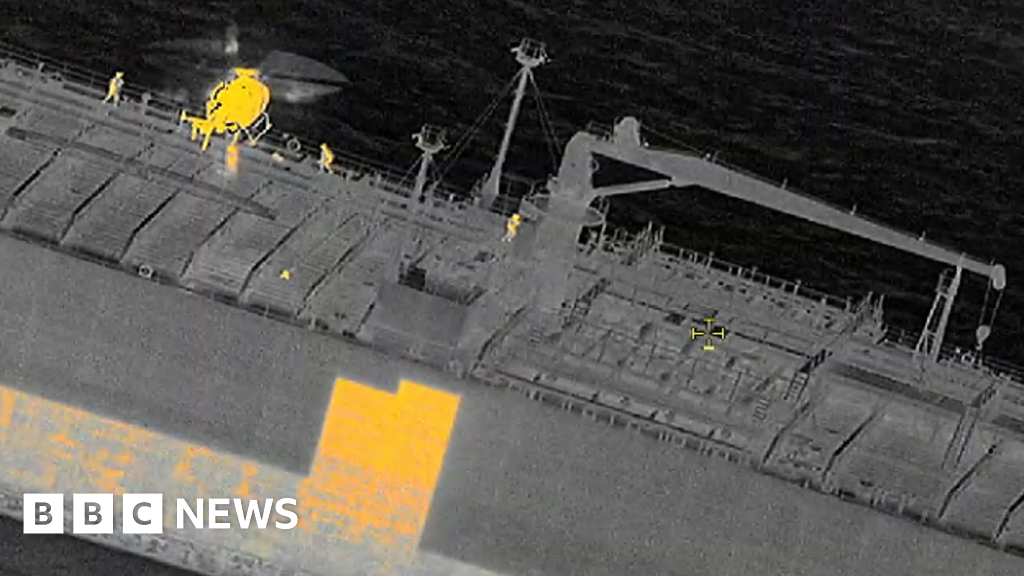
The detention of the Sea Owl One‘s captain is not an isolated event but rather indicative of a broader, concerted effort by European maritime authorities to crack down on Russia’s shadow fleet. Just days prior, on March 6, the Swedish Coast Guard seized another vessel, the Caffa, a Guinean-flagged cargo ship. The Caffa was traveling from Casablanca, Morocco, to St. Petersburg, Russia, and was also taken into control under similar suspicions regarding its operational legitimacy. Compounding the concerns, the Caffa was additionally suspected of carrying stolen Ukrainian grain, a grim dimension to the ongoing conflict where Russia has been accused of looting agricultural resources from occupied territories. This vessel is now also anchored off the Trelleborg coast, undergoing further investigation.
Beyond Sweden, other European nations have also taken decisive action. France, a significant maritime power, has previously intercepted several tankers believed to be part of Russia’s shadow fleet. In January, French authorities seized the Grinch in the Mediterranean Sea, and in October of the previous year, the Boracay was intercepted in the Atlantic. These actions highlight a growing European resolve to collectively enforce sanctions and uphold maritime security, recognizing that illicit shipping operations by one state can destabilize international trade and environmental safety for all.
International Law and Maritime Security Implications
The use of false flags and forged documents directly contravenes fundamental principles of international maritime law, particularly the United Nations Convention on the Law of the Sea (UNCLOS). UNCLOS mandates that every ship must sail under the flag of one State only and be subject to its exclusive jurisdiction on the high seas. A flag state has the responsibility to ensure that vessels flying its flag comply with international regulations concerning safety, pollution prevention, and crew welfare. When a vessel operates under a bogus or false flag, it effectively operates outside this regulatory framework, creating a legal vacuum that facilitates illicit activities and poses significant risks.
The Comoros, like other flag states of convenience, often faces challenges in effectively monitoring and controlling the vast number of vessels registered under its flag. While some flag states are complicit or lax in their oversight, others may simply lack the resources or capacity to police every vessel. The increasing prevalence of false flags and document forgery by Russia’s shadow fleet puts immense pressure on coastal states and international organizations to identify and interdict these vessels, often requiring sophisticated intelligence gathering and surveillance capabilities.
The implications for maritime security extend beyond sanctions evasion. Vessels operating without proper registration or insurance pose inherent risks to navigation, marine environments, and human safety. Inadequate maintenance, undertrained crews, and a disregard for international safety standards, often associated with shadow fleet operations, increase the likelihood of accidents, collisions, and environmental disasters. The deliberate disabling of AIS transponders or "spoofing" further complicates maritime traffic management and search-and-rescue operations.
Official Reactions and the Path Forward
Swedish authorities have reiterated their commitment to upholding international law and ensuring the safety of their territorial waters. The actions taken against the Sea Owl One and the Caffa send a clear message that Sweden will not tolerate illicit maritime activities aimed at undermining international sanctions. The Swedish Prosecution Authority’s decision to detain the captain underscores the seriousness with which these offenses are being treated, indicating a potential legal precedent for prosecuting individuals involved in such operations.
The Russian embassy’s statement of "monitoring closely" is typical, but the broader diplomatic ramifications are significant. These seizures highlight the ongoing tension between Russia and Western nations, particularly in the economic and geopolitical spheres. While Russia continues to dismiss Western sanctions as illegal and politically motivated, the enforcement actions by European states demonstrate a firm resolve to implement them.
The challenge for international authorities remains formidable. The shadow fleet is dynamic and adaptive, constantly evolving its tactics to evade detection. Countering it requires sustained international cooperation, enhanced intelligence sharing, advanced surveillance technologies, and robust legal frameworks. Efforts to target not just the vessels and their crews, but also the obscure ownership structures, financial facilitators, and insurance providers that enable the shadow fleet, will be crucial.
These recent detentions in Sweden are more than isolated incidents; they are critical nodes in a larger, ongoing effort to dismantle an illicit maritime network that directly supports a belligerent state. As the conflict in Ukraine continues, the battle on the seas to enforce sanctions and maintain maritime order is becoming an increasingly important front. The actions taken by Sweden, France, and other nations serve as a stark reminder that despite sophisticated evasion tactics, the international community remains vigilant in its pursuit of accountability and adherence to global norms.