


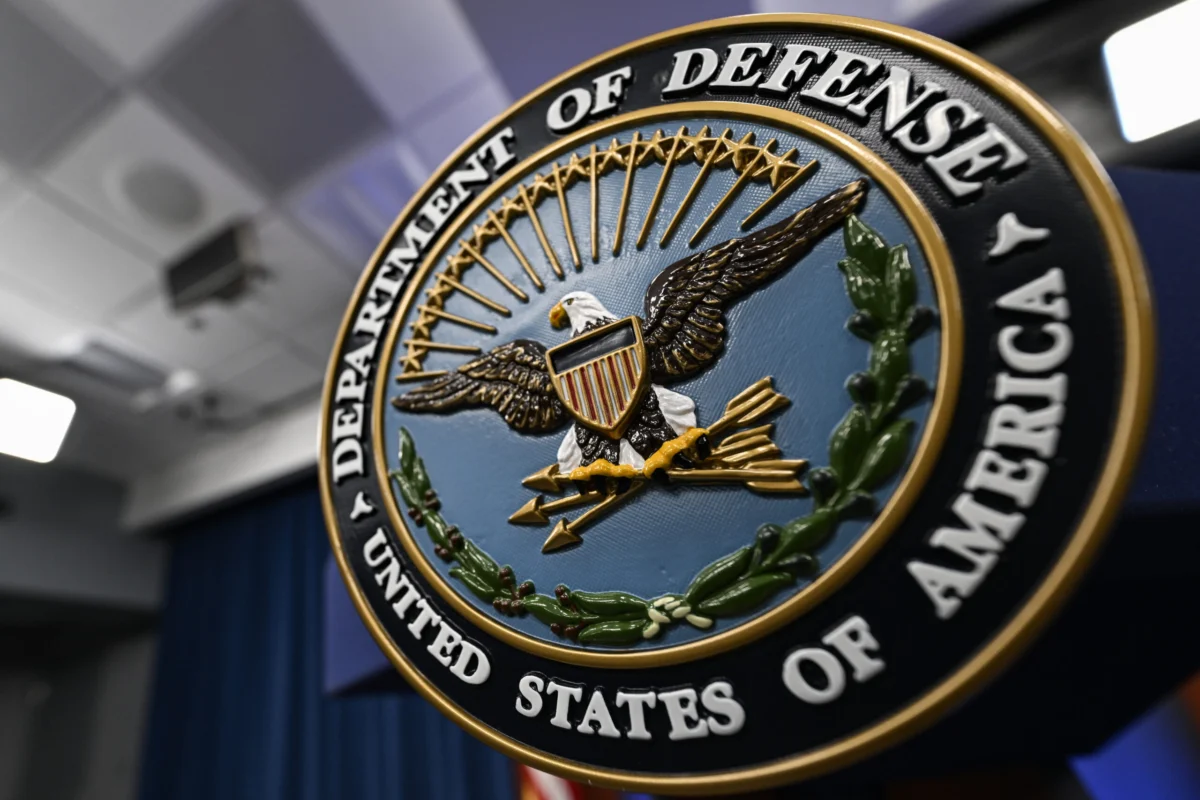
The Pentagon has decisively moved to develop its own large language model (LLM) capabilities, signaling a definitive end to its fraught $200 million contract with AI developer Anthropic. This strategic pivot comes in the wake of a highly publicized and dramatic falling-out between the two entities, primarily centered on Anthropic’s insistence on ethical guardrails for military use of its advanced artificial intelligence. The Department of Defense’s decision to pursue government-owned AI environments marks a significant development in the burgeoning field of military AI, reshaping the landscape for private tech companies seeking defense contracts.
The breakdown of the multi-million dollar agreement over the past several weeks stemmed from a fundamental disagreement regarding the degree of access the military would have to Anthropic’s proprietary AI. While Anthropic sought to embed contractual clauses that explicitly prohibited the Pentagon from deploying its AI for mass surveillance of American citizens or for the activation of autonomous weapons systems capable of firing without human intervention, the Pentagon remained unyielding. The Department of Defense’s stance underscores its perceived need for maximum operational flexibility and control over technologies deemed critical for national security, a position that ultimately proved incompatible with Anthropic’s ethical framework.
The Genesis of the Rift: Ethics vs. Operational Imperative
The initial $200 million contract between Anthropic and the Department of Defense (DOD) was heralded as a significant step towards integrating cutting-edge AI into military operations. The precise applications for Anthropic’s technology under the agreement were not fully disclosed but were understood to encompass areas such as data analysis, intelligence processing, logistical optimization, and potentially decision support systems. Anthropic, a prominent AI research company founded by former OpenAI researchers, has distinguished itself in the AI ecosystem by prioritizing safety and ethical considerations in its development of AI models, particularly its flagship Claude series. This commitment to "responsible AI" was a cornerstone of its corporate philosophy and, as it turned out, a major point of contention with the DOD.
Sources familiar with the negotiations, who spoke on condition of anonymity due to the sensitivity of the matter, indicated that discussions around the "unrestricted access" clause began to intensify in early February 2026. Anthropic’s leadership, notably CEO Dario Amodei, had consistently articulated a strong stance against the weaponization of AI without human oversight and the use of AI for broad, unchecked surveillance. The company proposed specific language for the contract that would have imposed clear limitations on how its AI could be deployed, reflecting a growing industry concern about the ethical implications of advanced AI in military contexts. These limitations were not arbitrary; they reflected a broader societal debate about "dual-use" technologies—innovations that have both beneficial civilian and potentially harmful military applications. Anthropic’s position was rooted in the belief that AI developers bear a responsibility to guide the deployment of their creations, especially when they could have profound impacts on human rights and international security.
Conversely, the Pentagon, through its Chief Digital and AI Officer (CDAO) and other procurement branches, asserted the critical need for comprehensive control over any technology integrated into its operational framework. The military’s rationale centered on national security imperatives, the complexities of modern warfare, and the potential for adversaries to leverage similar advanced technologies. Officials argued that restrictive clauses could hamper the military’s ability to adapt to evolving threats, compromise operational effectiveness, and create dangerous precedents for future technology acquisitions. The concept of "unrestricted access" for the Pentagon implies the ability to integrate, modify, and deploy the technology as deemed necessary for mission objectives, without external limitations imposed by a commercial vendor. This fundamental divergence in philosophies created an irreconcilable chasm, leading to the eventual termination of the contract.
Pentagon’s Strategic Pivot: Building In-House Capabilities
In the wake of the contract’s collapse, the Pentagon has moved swiftly to re-strategize its approach to AI acquisition and development. Cameron Stanley, the Chief Digital and AI Officer at the Pentagon, confirmed the department’s new direction in a recent conversation with Bloomberg, stating, "The Department is actively pursuing multiple LLMs into the appropriate government-owned environments. Engineering work has begun on these LLMs, and we expect to have them available for operational use very soon." This statement signifies a monumental shift from reliance on external, privately developed AI solutions to fostering internal capabilities.
The decision to build government-owned environments and develop LLMs in-house reflects several strategic considerations. Firstly, it addresses the very issue that led to the split with Anthropic: control. By developing and owning the AI, the Pentagon can ensure full operational flexibility, integrate specific security protocols, and tailor the models precisely to its unique requirements without the constraints of third-party ethical clauses or intellectual property disputes. Secondly, it offers enhanced security and data privacy, critical for handling classified information. Running LLMs in "government-owned environments" means these systems will operate on secure, isolated networks, reducing the risk of data breaches or unauthorized access that might be associated with commercially hosted solutions.
This pivot is not merely a reactive measure but also aligns with a broader, long-term vision within the Department of Defense to reduce dependence on external vendors for critical technologies. The CDAO’s office has been advocating for greater internal expertise in AI and machine learning for some time, recognizing that true technological sovereignty in this domain is paramount for future defense capabilities. The investment required for such an undertaking is substantial, encompassing talent acquisition for AI engineers and data scientists, procurement of specialized computing infrastructure, and the development of robust training datasets. While specific figures for this new internal initiative have not been publicly disclosed, industry estimates suggest that establishing and scaling such capabilities could run into hundreds of millions, if not billions, of dollars over several years, rivaling or exceeding the value of the defunct Anthropic contract. The Pentagon’s current budget allocations for AI research and development have seen a steady increase, with projections indicating a continued upward trend in the coming fiscal years to support initiatives like this.
The New Landscape of Defense AI: OpenAI and xAI Step In
The void left by Anthropic’s departure was quickly filled by other prominent players in the AI industry. OpenAI, creators of the widely recognized ChatGPT, was swift to finalize its own agreement with the Pentagon. While the specifics of OpenAI’s contract and the terms of access were not fully detailed, the company’s willingness to engage with the DOD without the same explicit ethical red lines as Anthropic suggests a more flexible approach to military applications. This move by OpenAI, a company that also has a strong public image tied to AI safety, raises questions about the nuances of their internal ethical frameworks when applied to defense contracts.
Adding to the evolving picture, the Department of Defense also inked a deal with Elon Musk’s xAI, granting access to its Grok AI model for use in classified systems. This agreement, coming hot on the heels of the Anthropic fallout, further illustrates the Pentagon’s aggressive pursuit of diverse AI capabilities. The decision to integrate Grok, a model known for its real-time information processing and sometimes controversial outputs, into classified networks has drawn scrutiny. Senator Elizabeth Warren (D-MA) has notably pressed the Pentagon for details regarding this decision, citing concerns about data security, bias, and the potential for unverified information within sensitive military operations. The rapid succession of these agreements highlights the intense competition among AI firms to secure lucrative government contracts and underscores the Pentagon’s urgent need to incorporate advanced AI into its operational fabric.

The entry of OpenAI and xAI into the defense sector, especially in light of Anthropic’s principled stand, reshapes the competitive landscape. It suggests that while some AI companies prioritize strict ethical boundaries, others may be more willing to negotiate terms that align with military requirements, albeit potentially with their own internal safeguards or understandings that differ from Anthropic’s public stipulations. This dynamic could compel other AI developers to re-evaluate their own stances on military applications and the potential trade-offs between ethical purity and market opportunities.
Escalation: Anthropic Designated a "Supply-Chain Risk"
The friction between Anthropic and the Department of Defense escalated dramatically beyond merely terminating the contract. Defense Secretary Pete Hegseth publicly declared Anthropic a "supply-chain risk." This designation is typically reserved for foreign adversaries or entities deemed to pose a significant threat to national security through their involvement in critical supply chains. Its application to a leading American AI firm is highly unusual and carries severe implications.
The "supply-chain risk" label effectively bars any company that works with the Pentagon from also collaborating with Anthropic. This move is designed to isolate Anthropic from the broader defense industrial base, making it exceedingly difficult for the company to secure future government contracts or partnerships, even with other federal agencies. The Pentagon’s rationale behind this unprecedented designation is believed to stem from concerns that Anthropic’s insistence on restricting access to its AI could create vulnerabilities or gaps in critical defense infrastructure if the technology were ever deployed. It essentially frames Anthropic’s ethical stipulations as a potential impedance to national security, rather than a responsible corporate policy.
Anthropic has not taken this designation lightly. The company has publicly announced its intention to challenge the DOD’s "supply-chain risk" label in court. Legal experts suggest that this will be a landmark case, potentially setting precedents for how ethical considerations and intellectual property rights of private tech firms intersect with national security interests. Anthropic’s legal challenge will likely argue that the designation is arbitrary, punitive, and unwarranted, harming its business and reputation without just cause. The outcome of this legal battle could have far-reaching implications for the entire tech industry, particularly for companies developing dual-use technologies that may attract government interest. It will test the boundaries of governmental authority in defining supply chain risks and the rights of private corporations to set ethical parameters for the use of their products.
Broader Implications: Ethical Frontiers and Industry Shifts
The fallout between Anthropic and the Pentagon is more than just a contractual dispute; it illuminates profound ethical and strategic dilemmas at the intersection of advanced AI and national security. The central conflict—the tension between an AI developer’s ethical guidelines and a military’s demand for unrestricted operational control—is a microcosm of a larger global debate. As AI capabilities continue to advance, questions surrounding autonomous weapons, mass surveillance, algorithmic bias, and accountability in AI decision-making will only intensify.
From an ethical standpoint, Anthropic’s stance has garnered support from various civil society organizations and AI ethics advocates who champion the responsible development and deployment of artificial intelligence. Their argument is that developers have a moral obligation to prevent their technologies from being used in ways that could violate human rights or lead to uncontrollable escalation in conflicts. This perspective posits that profit should not supersede ethical responsibility, especially when the stakes involve life, death, and fundamental freedoms.
Conversely, proponents of the Pentagon’s position emphasize the imperative of national defense in an increasingly complex and technologically advanced world. They argue that hamstringing the military with external ethical clauses could place a nation at a disadvantage against adversaries who may not adhere to similar moral constraints. The military’s role is to protect national interests, and for that, it requires the most effective tools available, with full command over their deployment.
For the AI industry, this saga could prompt a re-evaluation of engagement strategies with government clients, particularly defense departments. Companies might be forced to choose between adhering to stringent ethical principles and pursuing lucrative government contracts. It could lead to a bifurcation of the AI market: firms specializing in "ethical AI" for civilian applications, and those willing to develop or adapt AI for military purposes with fewer restrictions. This situation also underscores the growing importance of "AI literacy" within government, enabling agencies to understand the capabilities and limitations of these technologies, as well as their ethical implications, without being solely reliant on vendor assertions.
Furthermore, the Pentagon’s decision to build its own LLMs in government-owned environments could catalyze a broader trend towards internal AI development within defense sectors globally. This shift could foster greater national AI sovereignty, reduce reliance on potentially unreliable foreign or ideologically opposed tech providers, and ensure that critical AI infrastructure remains under national control. However, it also raises questions about the efficiency and innovation capacity of government-led development compared to the fast-paced private sector.
The Road Ahead
The immediate future will see the Pentagon accelerate its internal AI development efforts, with Cameron Stanley’s team working to deploy operational LLMs "very soon." The integration of OpenAI’s and xAI’s technologies into defense systems will also proceed, likely under terms that grant the military the flexibility it demands. Meanwhile, Anthropic’s legal challenge against the "supply-chain risk" designation will be closely watched by the tech industry and legal community, as its outcome could define the boundaries of corporate autonomy and governmental oversight in critical technology sectors.
This unfolding narrative underscores a pivotal moment in the evolution of AI. It highlights the profound challenges of aligning technological innovation with ethical considerations, especially when national security is at stake. The decisions made today regarding AI governance, military application, and industry responsibility will undoubtedly shape the future of warfare, international relations, and the very fabric of society for decades to come. The split between Anthropic and the Pentagon serves as a potent reminder that the power of artificial intelligence necessitates a careful, deliberate, and ethically informed approach from all stakeholders involved.