
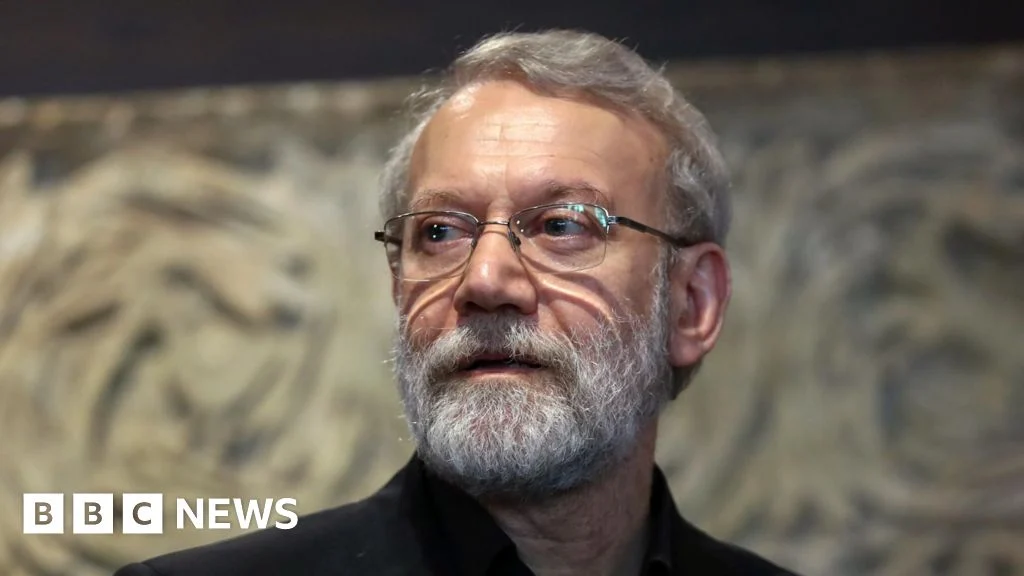
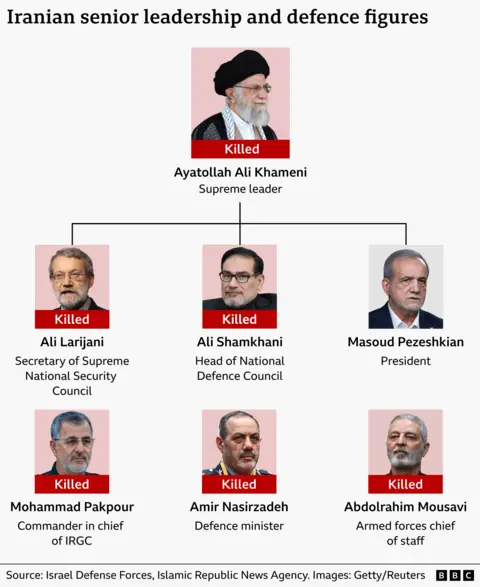
In a dramatic escalation of the ongoing regional conflict, Israel has announced the elimination of Iran’s top security official, Ali Larijani, and the head of the powerful paramilitary Basij force, Gholamreza Soleimani, in a series of targeted airstrikes. The deaths, confirmed by Iranian authorities, also included Larijani’s son and several bodyguards, marking a significant blow to the Islamic Republic’s leadership and further deepening the volatile crisis gripping the Middle East. This strategic strike follows the assassination of Supreme Leader Ayatollah Ali Khamenei on February 28, the event widely considered to have ignited the current widespread hostilities between Iran, Israel, and their respective allies.
The Israeli Defence Minister, Israel Katz, wasted no time in confirming the operations, stating unequivocally, "Larijani and the Basij commander were eliminated last night and have joined Khamenei, the head of the annihilation programme, along with all those eliminated from the Axis of Evil in the depths of hell." This stark pronouncement underscores Israel’s declared intent to dismantle Iran’s command structure and its network of regional proxies. Iranian state television, citing a statement from the Supreme National Security Council (SNSC), confirmed the casualties early on Wednesday local time, expressing profound grief: "After a lifetime of struggle for the advancement of Iran and of the Islamic Revolution, he [Larijani]… answered the call of God." The SNSC statement specifically named Larijani’s son, Morteza, and one of his aides among the deceased, alongside the bodyguards.
A Decisive Blow to Iranian Leadership
The killing of Ali Larijani represents the most senior Iranian official to be assassinated since the death of Ayatollah Ali Khamenei, who was targeted on the inaugural day of combined Israeli and US strikes. Larijani’s trajectory within the Iranian political and security establishment was meteoric and multifaceted, positioning him as a pivotal figure in both domestic and foreign policy. A former commander in the Islamic Revolutionary Guard Corps (IRGC), Larijani ascended to prominence as the head of Iran’s state broadcaster, IRIB, a role he held for a decade. His influence expanded significantly after 2004 when he became a security adviser to the then-Supreme Leader, Ayatollah Ali Khamenei.
Beyond these roles, Larijani’s career highlights include serving as Iran’s chief nuclear negotiator with Western powers, a critical position that placed him at the heart of international diplomacy concerning Iran’s controversial nuclear program. He also held the esteemed position of Speaker of Iran’s parliament, showcasing his ability to navigate complex political landscapes. Initially identified with the hardline "principlist" faction, dedicated to upholding the ideological tenets of the Islamic Revolution, Larijani later evolved to be described as a "moderate conservative" by political analysts, suggesting a pragmatic shift in his approach to governance and international relations.
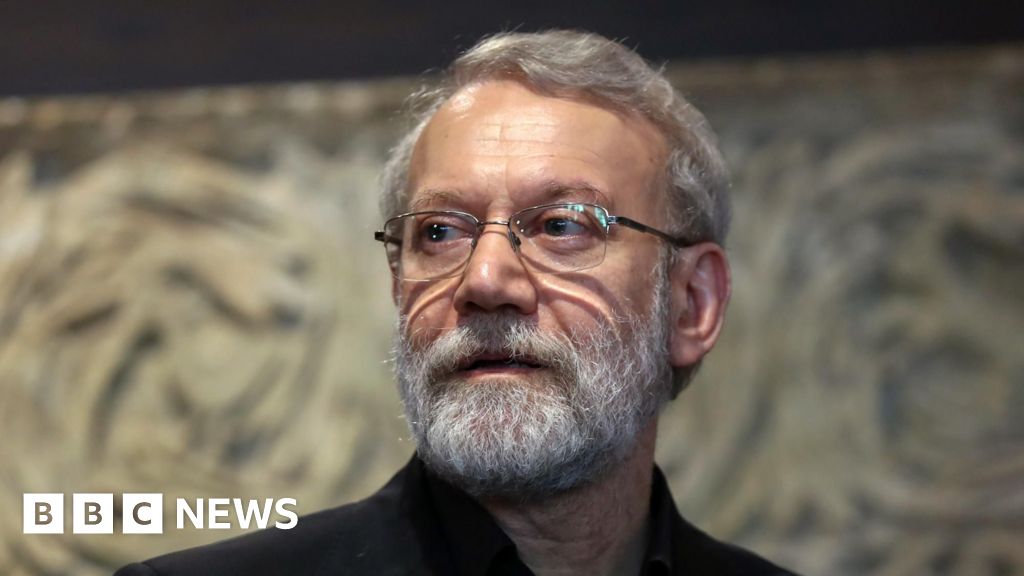
His most recent and arguably most critical appointment came last August as the Secretary of the SNSC, Iran’s highest national security body. In this capacity, he was widely believed to have overseen the unprecedented and brutal crackdown by the Basij and other security forces on widespread protests that swept across Iran in December and January. Human rights activists estimate that during this period, at least 6,508 protesters were killed, and a staggering 53,000 arrested, painting a grim picture of the state’s response to internal dissent under Larijani’s watch. Furthermore, he served as the late supreme leader’s representative on the council and was consistently referred to by Iranian news outlets as a close adviser to Khamenei. The Israel Defense Forces (IDF) emphasized Larijani’s elevated status post-Khamenei, asserting that he "consolidated his status as the de-facto leader of the Iranian regime and led the combat efforts against the State of Israel and countries across the region."
The Basij Force and its Commander
The elimination of Gholamreza Soleimani, the commander of the Basij Resistance Force, is equally significant. The Basij, a volunteer militia with an estimated one million members, forms a crucial pillar of Iran’s internal security apparatus. Directly controlled by the powerful IRGC, the Basij are notoriously known for their deployment to suppress dissent and maintain order through force during internal protests. The IDF specifically highlighted Soleimani’s role, stating, "During internal protests in Iran, particularly in recent periods as demonstrations intensified, Basij forces under Soleimani’s command led the main repression operations." The Israeli military further corroborated their claims by releasing video footage purported to show several airstrikes targeting Basij checkpoints across Tehran on Tuesday, building on local Iranian media reports from the previous week about similar strikes that killed several security personnel.
The intertwined fates of Larijani and Soleimani, one a strategic architect of national security and the other a key enforcer of internal control, underscore the comprehensive nature of Israel’s targeting strategy. These assassinations aim to cripple both the strategic planning and the operational enforcement capabilities of the Iranian regime.
Chronology of Escalation and Deception
The assassinations unfold against a backdrop of intense and expanding conflict. The war, triggered by the February 28 strikes that killed Ayatollah Ali Khamenei, has rapidly spread across the Middle East. Iran has responded with a barrage of missile and drone attacks against Israel and Arab states hosting US military facilities, transforming the region into a perilous battleground.
A curious detail emerged following the Israeli announcement of Larijani’s death. Later on Tuesday, Larijani’s social media accounts posted an undated, handwritten note that state media claimed was written on Tuesday. The note praised 84 "warriors" of the Iranian navy who were killed in a US submarine attack on their warship off the coast of Sri Lanka earlier this month. A ceremony had been held to honor these sailors on Tuesday evening. In a similar vein, state TV read out a message about the sailors, attributed to Soleimani, the Basij commander, before the Revolutionary Guards later confirmed his death. These posthumous messages, possibly pre-prepared or disseminated by remaining loyalists, suggest an attempt by the Iranian regime to control the narrative and perhaps obscure the immediate impact of the leadership losses.
Before the current war, intelligence reports suggested that Khamenei had tasked Larijani with devising a comprehensive plan to ensure the Islamic Republic’s survival in the face of a major attack by Israel and the US, including the assassination of its leadership. This context renders Larijani’s own death particularly poignant and strategically disruptive for Iran. After Khamenei’s demise, Larijani’s influence had reportedly grown even further, especially given the disappearance from public view of Khamenei’s son, Mojtaba, who was reportedly chosen as his successor but was injured in the same Israeli strike that killed his father. Larijani, by contrast, remained a visible figure, frequently engaging with statements from US President Donald Trump on social media and making public appearances, including at a pro-government Quds Day rally in Tehran just last Friday.
Regional and Economic Fallout
The broader implications of this conflict are stark and far-reaching. The price of oil has surged dramatically, fueled by Iranian attacks forcing production stoppages in Gulf states and critically disrupting exports through the vital Strait of Hormuz waterway, a choke point for a significant portion of the world’s oil supply. This economic ripple effect threatens global stability and underscores the interconnectedness of geopolitical tensions and energy markets.
The human cost of this escalating war continues to mount. According to the Iranian government, more than 1,300 people have been killed in Israeli and US strikes in Iran since the conflict began, a grim toll that includes 226 women and 204 children. In Israel, authorities have reported 12 fatalities from Iranian missile attacks. On Tuesday, sirens blared across Israel as Iranian forces launched several missile barrages. While there were reports of fires from impacts, Israel’s emergency services stated that no one was wounded in these particular attacks.
The conflict’s reach extends beyond direct adversaries. In the United Arab Emirates, authorities confirmed that debris from an intercepted Iranian missile killed a Pakistani national in Abu Dhabi’s Bani Yas area, a stark reminder of the indiscriminate nature of modern warfare. Furthermore, oil loading at the crucial port of Fujairah was partly halted after a third drone attack in four days, highlighting the direct economic consequences for regional players caught in the crossfire.
Internal Dissent and Future Implications
Inside Iran, where authorities have imposed an internet shutdown making direct communication difficult, the news of the assassinations was met with mixed reactions. While the state mourned, text messages received by BBC Persian from Iranians opposed to the establishment revealed a sense of grim satisfaction. A man in his 30s from Tehran remarked, "I think it was a very important step because the decision-making brains must be shut down." Another man from the nearby city of Karaj echoed this sentiment, stating, "When they die, you might not believe it, but I get so happy because they’re criminals and have so much blood on their hands." These statements underscore the deep fissures within Iranian society and the profound discontent with the current regime, which could be further exacerbated by the leadership vacuum and the escalating external pressures.
The assassinations of Ali Larijani and Gholamreza Soleimani represent a profound moment in the rapidly evolving Middle East conflict. They not only eliminate key figures instrumental in Iran’s security and internal control but also signal a clear escalation in Israel’s strategy of targeting high-value assets within the Iranian establishment. The implications for Iran’s immediate response, its internal stability, and the broader trajectory of the regional war remain uncertain, but a further intensification of hostilities appears almost inevitable. The world watches with bated breath as the "Axis of Evil" rhetoric meets the stark reality of strategic decapitation, pushing an already volatile region closer to the brink.