


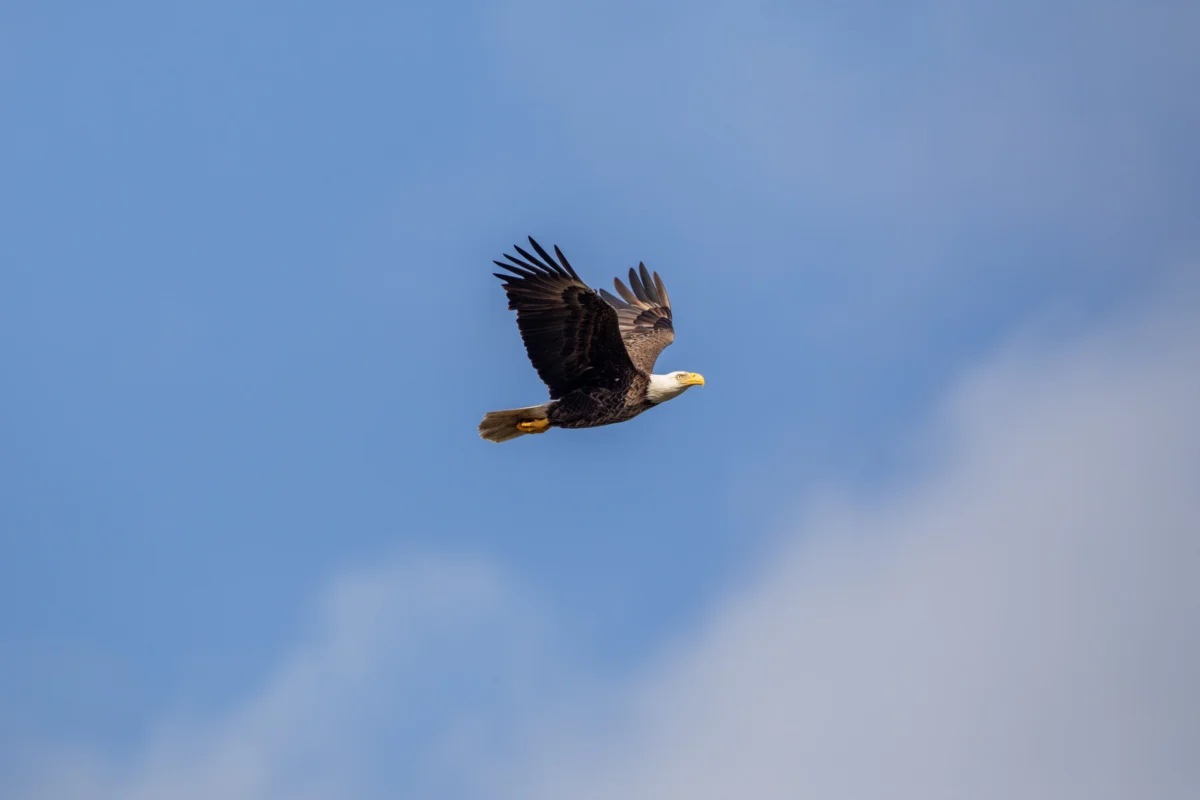
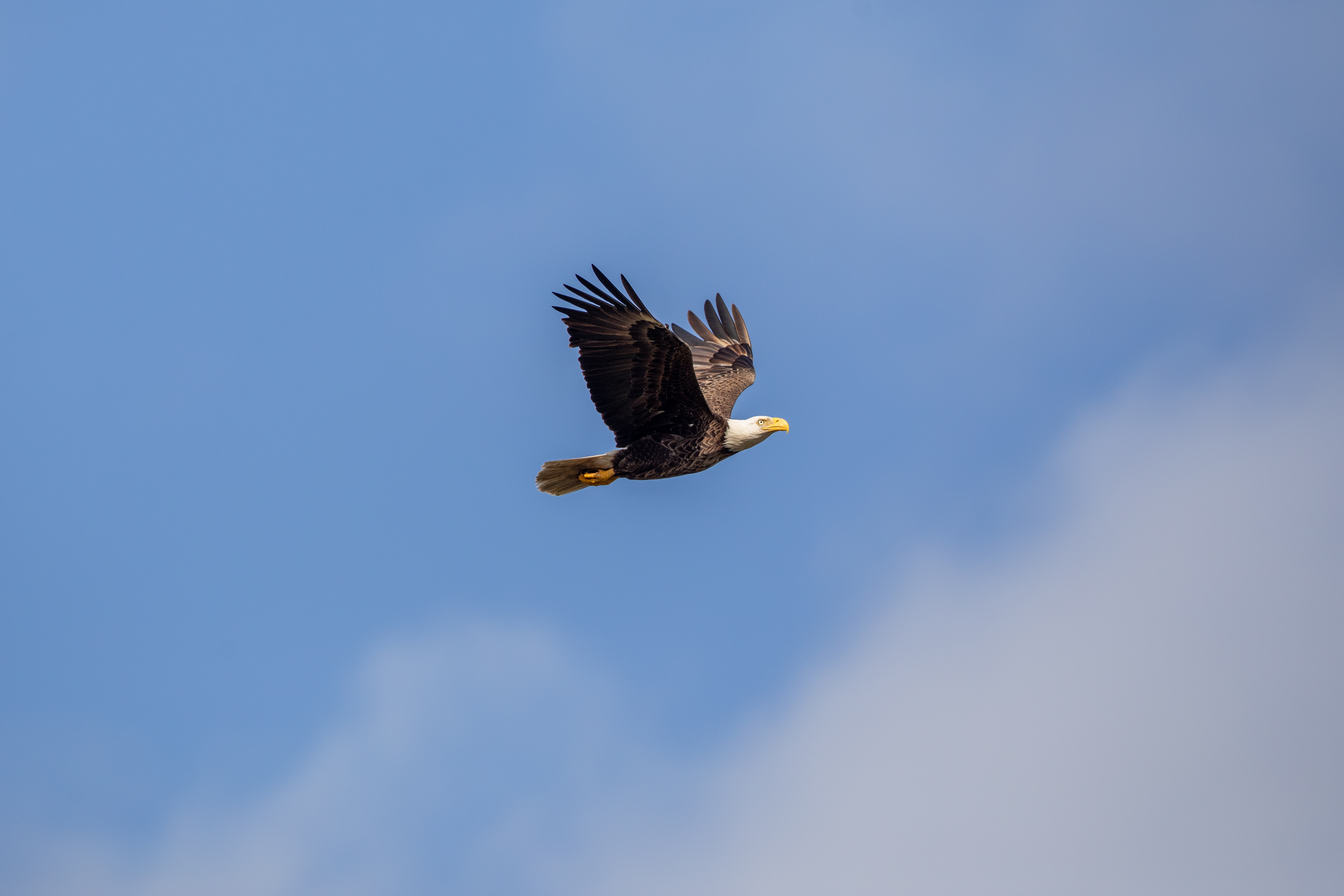
An American bald eagle soared away from its nest and tree at NASA’s Kennedy Space Center (KSC) in Florida on Friday, March 13, 2026, a routine yet powerful display of wildlife resilience within one of the nation’s most technologically advanced precincts. This observation was not merely a chance encounter but a meticulously documented event, forming a crucial part of the annual bald eagle nesting surveys conducted across NASA Kennedy, the Merritt Island National Wildlife Refuge (MINWR), and the Canaveral National Seashore. These comprehensive surveys are vital for monitoring the health and activity of the local bald eagle population, ensuring regulatory compliance, and informing ongoing wildlife management strategies that have made this unique aerospace hub a thriving sanctuary for the national bird. Each year, as winter descends, these majestic raptors establish their residence in Florida, embarking on their breeding cycle and raising a new generation of eagles amidst the launchpads and wetlands of the Space Coast.
The Uniqueness of the Space Coast Sanctuary
The Kennedy Space Center, renowned globally as the launchpad for humanity’s exploration of space, harbors a lesser-known but equally significant role as a critical ecological refuge. Situated on Florida’s eastern coast, KSC shares its expansive land with the Merritt Island National Wildlife Refuge, a 140,000-acre haven established in 1963, and the adjacent Canaveral National Seashore. This extraordinary juxtaposition of high-tech space operations and pristine natural habitat creates a unique environment where advanced engineering coexists with an abundance of biodiversity, including one of the densest populations of bald eagles in the southeastern United States.
The refuge’s diverse landscape—comprising brackish estuaries, freshwater marshes, scrublands, pine flatwoods, and coastal dunes—provides an ideal year-round habitat for a multitude of species. For bald eagles (Haliaeetus leucocephalus), this intricate mosaic offers ample nesting sites in mature pines and cypress trees, undisturbed foraging grounds rich with fish and waterfowl, and protection from human encroachment due to the restricted access necessitated by spaceflight operations. NASA’s land management policies, which include significant tracts of undeveloped land serving as buffer zones, inadvertently contribute to the refuge’s ecological integrity. The very nature of space center operations, which limits public access to vast areas, has created an involuntary sanctuary, allowing wildlife to thrive with minimal disturbance. This synergy between human endeavor and natural preservation underscores a remarkable commitment to environmental stewardship, where the pursuit of scientific advancement goes hand-in-hand with robust conservation efforts. The success of this model has garnered international recognition, highlighting KSC and MINWR as a testament to effective integrated land management.
A National Symbol’s Resurgence: The Bald Eagle’s Journey
The presence of a flourishing bald eagle population at KSC represents a monumental conservation success story, reflecting a national effort to rescue America’s iconic bird from the brink of extinction. In the mid-20th century, the bald eagle population plummeted dramatically across the contiguous United States. By 1963, only 417 nesting pairs remained, a stark decline from an estimated 100,000 pairs in the 18th century. This catastrophic decline was primarily attributed to habitat loss, illegal hunting, and, most significantly, the widespread use of the pesticide DDT (dichlorodiphenyltrichloroethane). DDT accumulated in the food chain, leading to thinner eggshells in raptors, which often broke during incubation, preventing successful reproduction.
Recognizing the dire situation, the bald eagle was listed as endangered under the Endangered Species Preservation Act of 1967 and subsequently under the more comprehensive Endangered Species Act (ESA) of 1973. This listing provided critical federal protection, prohibiting harm to eagles and their habitats, and spurred intensive conservation initiatives. Bans on DDT in the U.S. in 1972 were a pivotal turning point. Through dedicated recovery programs, including habitat protection, captive breeding, reintroduction efforts, and public awareness campaigns, the bald eagle began a slow but steady recovery.
Florida played a crucial role in this resurgence. The state’s extensive wetland habitats and relatively mild climate provided vital refugia. By the early 2000s, the bald eagle population had recovered sufficiently to warrant its removal from the federal list of threatened and endangered species in 2007. This delisting, however, did not diminish protective measures. The Bald and Golden Eagle Protection Act (BGEPA) of 1940 (as amended) continues to provide robust legal safeguards for both species, prohibiting their take, possession, sale, purchase, barter, offer to sell, purchase or barter, transport, export or import, or any injury to them, including their parts, nests, or eggs, without proper authorization. The remarkable comeback of the bald eagle serves as a powerful testament to the effectiveness of conservation legislation and collaborative efforts between federal agencies, state governments, and environmental organizations.
The Annual Ritual: Nesting Surveys and Monitoring
The eagle sighting on March 13, 2026, at KSC is integral to a meticulously planned annual cycle of nesting surveys designed to monitor the health and stability of the bald eagle population within the MINWR and KSC complex. These surveys are typically conducted during the critical breeding season, which in central Florida generally spans from October through June. The chronology of the bald eagle’s breeding cycle in this region is well-established:
- October-December: Adult eagles return to their nesting territories, engage in courtship displays, reinforce or build new nests, and establish pair bonds. Nests, often massive structures weighing hundreds of pounds, are typically situated high in mature trees, providing excellent visibility and protection.
- December-January: Egg laying commences, usually with clutches of one to three eggs.
- January-February: Incubation period lasts approximately 35 days, with both parents sharing duties.
- February-March: Hatching occurs, and the vulnerable eaglets begin to grow rapidly, demanding constant care and feeding from their parents.
- March-April: Fledging begins, as young eagles take their first flights. This is a critical period where juveniles hone their hunting and survival skills under parental guidance. The March 13, 2026, observation likely occurred during this crucial fledging or early post-fledging phase, with the young bird possibly making exploratory flights or a parent returning to the nest with food.
- May-June: Post-fledging care continues, with the young eagles remaining dependent on their parents for several weeks or even months as they learn to hunt independently.
- July-September: Juveniles disperse from their natal territories, often migrating northward to cooler climates before returning to Florida in subsequent years to establish their own breeding territories.
The nesting surveys employ a combination of methodologies to gather accurate data. Biologists and trained volunteers conduct ground observations from strategic vantage points, using high-powered binoculars and spotting scopes to identify active nests, count eggs or chicks, and assess the overall health and behavior of the eagles. Aerial surveys, often conducted via helicopter or small aircraft, provide a broader perspective, allowing surveyors to locate new nests in remote areas and quickly cover vast territories. Data collected includes the number of active nests (those with eggs or chicks), inactive nests (structures present but not used for breeding in the current season), the number of fledglings produced, and any observed threats or disturbances. This comprehensive data is then meticulously analyzed to track population trends, evaluate the effectiveness of conservation measures, and ensure compliance with federal wildlife protection mandates. The consistency of these annual surveys provides invaluable longitudinal data, essential for adaptive management strategies in response to environmental changes or emerging threats.
Data Illuminates Success
The sustained efforts in conservation and monitoring at the Kennedy Space Center and its surrounding refuges are reflected in robust population data for bald eagles. Nationally, the recovery has been extraordinary. From the low of 417 nesting pairs in 1963, the U.S. Fish and Wildlife Service (USFWS) reported in 2020 that the contiguous U.S. bald eagle population had soared to an estimated 71,467 breeding pairs, a 160-fold increase. This remarkable rebound underscores the species’ capacity for recovery when provided adequate protection and suitable habitat.
Florida, with its extensive coastline, abundant wetlands, and year-round food sources, has consistently been a stronghold for bald eagles. The state’s population significantly contributed to the national recovery. Within this context, the KSC/MINWR complex stands out as a critical breeding ground. While specific real-time numbers for March 2026 are part of ongoing survey documentation, historical trends indicate that the area consistently hosts a substantial number of active nests, often exceeding 50 pairs annually within the refuge boundaries. These numbers position the Space Coast as one of the most vital regions for bald eagle reproduction in the entire Southeast.
Beyond the eagles themselves, the broader ecological health of the Merritt Island National Wildlife Refuge is a testament to the integrated management approach. The refuge supports an astonishing array of biodiversity, including over 1,500 species of plants, 330 species of birds, 117 species of fish, 68 species of amphibians and reptiles, and 30 species of mammals. This rich tapestry of life, including threatened and endangered species like the Florida manatee and the loggerhead sea turtle, further solidifies the refuge’s status as an indispensable ecological asset. The thriving eagle population is an indicator of the overall health of this complex ecosystem, demonstrating that the environmental conditions are favorable not only for the apex predator but also for the myriad species that form its prey base and habitat. The data collected through these surveys not only tracks eagle numbers but also provides insights into prey availability, habitat quality, and potential environmental stressors, contributing to a holistic understanding of the refuge’s ecological dynamics.
Voices from the Field: Conservation Perspectives
The sustained success of bald eagle conservation at the Kennedy Space Center and Merritt Island National Wildlife Refuge is a point of pride and a testament to collaborative stewardship. Officials from NASA’s Environmental Management Office frequently emphasize their commitment to integrating wildlife protection with the agency’s primary mission of space exploration. A NASA spokesperson, speaking generally about the agency’s environmental philosophy, might state, "NASA recognizes its profound responsibility to be a steward of the environment, especially on lands as ecologically significant as the Kennedy Space Center. Our environmental programs are designed to minimize the impact of our operations and, where possible, enhance the natural habitats we share with iconic species like the bald eagle. The annual eagle surveys are a cornerstone of this commitment, providing critical data to ensure these majestic birds continue to thrive here."
From the perspective of the U.S. Fish and Wildlife Service (USFWS), which manages MINWR, the partnership with NASA is exemplary. A representative for the refuge manager at Merritt Island National Wildlife Refuge might remark, "The Merritt Island National Wildlife Refuge, in conjunction with NASA, represents a highly successful model of conservation. The restricted access due to KSC operations has inadvertently created a sanctuary, allowing bald eagles and numerous other species to flourish in a relatively undisturbed environment. The robust eagle population we observe year after year is a direct result of decades of dedicated habitat management, vigilant monitoring, and the strong protective measures afforded by federal law. Our annual surveys are vital for maintaining this success and adapting to new environmental challenges."
Conservation biologists and independent ecologists also underscore the significance of the KSC/MINWR population. Dr. Eleanor Vance, a raptor specialist affiliated with a regional environmental research institute, might offer an expert analysis: "The bald eagle population on Florida’s Space Coast is not just a local success story; it’s a regional and national benchmark for recovery. Eagles are indicator species—their health reflects the health of the broader ecosystem. The consistent breeding success at KSC/MINWR suggests a remarkably healthy estuarine and wetland system capable of supporting a top-tier predator. While their numbers are strong, ongoing monitoring remains crucial to detect any subtle shifts in environmental conditions, prey availability, or emerging threats like novel contaminants or the impacts of climate change on coastal habitats." These collective statements highlight a shared understanding of the ecological value of the area and a commitment to its continued preservation.
Beyond the Nest: Broader Implications for Conservation
The sight of a bald eagle soaring over the Kennedy Space Center, a common occurrence documented on March 13, 2026, carries implications far beyond the immediate ecological observation. It serves as a potent symbol of successful conservation and offers profound insights into broader environmental challenges and opportunities.
Firstly, the bald eagle’s recovery and its thriving presence at KSC reinforce its enduring status as a national symbol. It represents not just the strength and freedom of the United States but also the nation’s capacity for environmental stewardship and restorative action. Its journey from near extinction to widespread recovery provides a powerful narrative of hope and demonstrates that concerted conservation efforts, backed by robust legislation and public support, can reverse even the most severe ecological declines. This success story inspires continued investment in conservation for other struggling species.
Secondly, bald eagles function as critical indicator species. Their health and reproductive success are directly linked to the overall health of the ecosystems they inhabit. A stable, reproducing eagle population at KSC/MINWR signals a relatively pristine and productive environment, capable of sustaining a diverse food web. Conversely, any decline in eagle numbers or reproductive output would serve as an early warning sign of environmental degradation, such as pollution, habitat fragmentation, or disruptions in prey populations. Thus, the ongoing monitoring of these eagles provides valuable insights into the broader ecological well-being of the Space Coast.
Furthermore, the KSC/MINWR model offers a compelling blueprint for coexistence between human development and critical wildlife conservation. It demonstrates that advanced technological endeavors, even those with significant infrastructure footprints like spaceports, can be integrated with vital ecological preservation. The restricted access zones and buffer areas essential for space safety have, by design, provided invaluable sanctuary for wildlife. This symbiotic relationship underscores the potential for innovative land management strategies that prioritize both human progress and environmental protection. It challenges the conventional notion that development must inevitably come at the expense of nature, instead showcasing a path where both can flourish.
Looking ahead, the commitment to monitoring and management at KSC/MINWR remains critical. While bald eagles are no longer endangered, new threats emerge. Climate change, with its potential for sea-level rise and increased frequency of extreme weather events, poses a significant risk to coastal habitats. Continued human population growth in Florida may lead to increased pressure on surrounding areas, raising concerns about habitat fragmentation and human-wildlife conflict. Moreover, the ongoing presence of environmental contaminants, even at low levels, requires constant vigilance. The annual surveys and the dedicated efforts of wildlife managers are therefore not just about celebrating past successes but are essential for adapting to future challenges and ensuring the long-term viability of this iconic population. The educational value derived from the KSC/MINWR model is also paramount, informing public awareness and inspiring future generations of conservationists.
In conclusion, the flight of the American bald eagle at NASA’s Kennedy Space Center on March 13, 2026, was more than just a fleeting moment; it was a living testament to a profound conservation triumph. It underscored the invaluable ecological significance of the Space Coast, the remarkable recovery of a national emblem, and the enduring commitment of federal agencies to environmental stewardship. The meticulously conducted annual nesting surveys provide the factual basis for this success, ensuring that KSC remains not only a gateway to the cosmos but also a vital sanctuary for the majestic bald eagle, perpetually symbolizing both national pride and environmental resilience.