


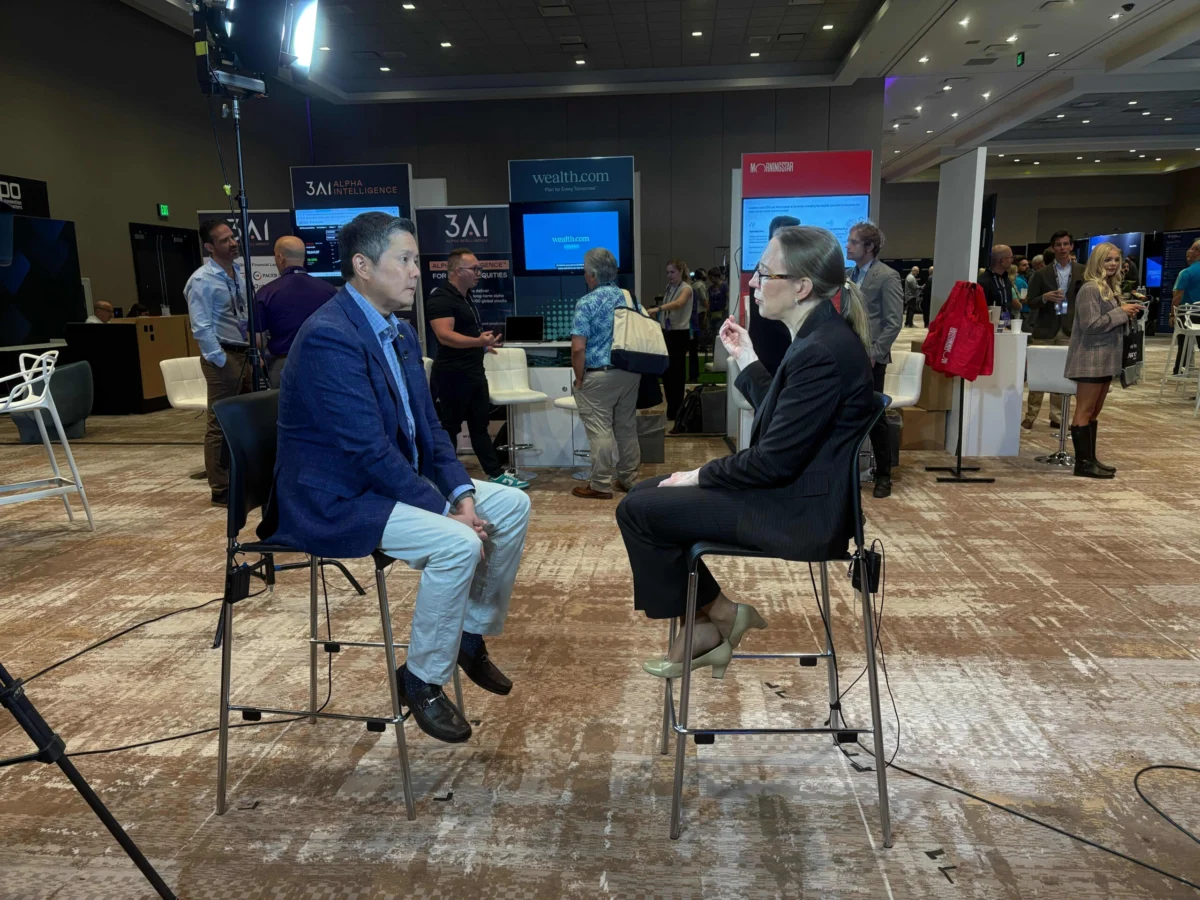
SEC Commissioner Hester Peirce has articulated a distinct openness to fostering collaboration with financial industry innovators on the development and deployment of emerging exchange-traded fund (ETF) products linked to cryptocurrencies and the burgeoning field of tokenization. Her remarks, delivered during an exclusive interview with "ETF Edge" host Dominic Chu at the VettaFi’s Exchange 2026 conference in Las Vegas, underscore a pivotal shift in the U.S. Securities and Exchange Commission’s (SEC) engagement strategy with the rapidly evolving digital asset space. Peirce’s stance, often characterized by her proactive approach to financial innovation, signals a more receptive environment for dialogue between regulators and market participants seeking to bring novel products to market.
"We want to work with people on new products," Peirce stated emphatically, extending an invitation to Wall Street firms and technology developers. "It really is a come in and talk to us about what you’re trying to do. We want to work with you toward being able to experiment to see whether the market wants your products." This emphasis on dialogue and experimentation marks a significant departure from the more guarded posture that characterized the SEC’s early interactions with the cryptocurrency industry, particularly concerning complex investment vehicles. Her presence at the VettaFi conference, a major gathering for the ETF sector, was itself a testament to the increasing importance of this segment within the broader financial regulatory purview. "I’m here because this is such an important segment of what we regulate," she added, highlighting the growing influence and innovation within the ETF ecosystem.
The VettaFi Exchange 2026 Conference: A Nexus for Innovation
The VettaFi’s Exchange 2026 conference serves as a critical annual forum where key players in the ETF industry converge to discuss market trends, technological advancements, and regulatory challenges. Las Vegas, known for its vibrant atmosphere, played host to a multitude of financial professionals, asset managers, technology providers, and regulatory figures. The conference agenda typically covers a wide array of topics, from thematic ETFs and active management strategies to the impact of artificial intelligence (AI) and blockchain technology on investment products. Commissioner Peirce’s participation provided a direct channel for the SEC to engage with the industry, offering insights into regulatory perspectives while also gathering feedback on market developments. Her remarks were particularly pertinent given the pervasive discussions at the conference about the future of finance, where tokenization and crypto-linked products frequently emerged as central themes. The backdrop of such an event amplified the significance of her message, indicating a potential shift in the regulatory winds that could impact how innovative financial products are conceived, developed, and brought to market.
The Resurgence of Tokenization and Regulatory Receptivity
One of the most compelling aspects of Peirce’s commentary revolved around the topic of tokenization of financial instruments. Tokenization, the process of converting rights to an asset into a digital token on a blockchain, has been lauded by proponents for its potential to enhance liquidity, transparency, and efficiency in financial markets. Despite its promise, regulatory uncertainty has long been a significant hurdle. Peirce acknowledged a renewed interest in this area, linking it directly to broader shifts in the political and administrative landscape. "It’s not the SEC’s job to decide… how the market moves forward," she asserted, reinforcing the SEC’s role as a facilitator of fair and orderly markets, rather than an arbiter of technological preference. "But tokenization is one of those areas that since the administration changed and since the attitude toward crypto and blockchain changed, people have come to us and they’ve said, ‘We really think tokenization has potential here.’"
This observation is crucial, suggesting that a more nuanced understanding and potentially a more accommodating regulatory approach towards blockchain technology and digital assets are taking root within various government agencies. Historically, the SEC has grappled with classifying various digital assets, often leading to protracted legal battles and a cautious stance on new product approvals. The shift in "attitude" that Peirce references could signify a maturing of the regulatory perspective, moving from an initial phase of skepticism and enforcement to one of cautious exploration and collaboration. Industry reports from leading financial institutions and consulting firms have consistently projected significant growth in the tokenized assets market, with some estimates suggesting it could reach trillions of dollars within the next decade, driven by increased institutional adoption and clearer regulatory frameworks. Assets ranging from real estate and private equity to art and traditional securities are all considered ripe for tokenization, promising fractional ownership, immediate settlement, and reduced intermediary costs.
Navigating the ETF Landscape: A Historical Trajectory
The SEC’s journey with crypto-related ETFs has been a long and often arduous one, characterized by initial skepticism and a gradual evolution of regulatory comfort. For years, the Commission rejected numerous applications for spot Bitcoin ETFs, citing concerns related to market manipulation, lack of surveillance-sharing agreements with regulated markets of significant size, and adequate investor protection. This protracted period of rejection created considerable frustration within the crypto industry and among investors eager for more accessible and regulated avenues to gain exposure to digital assets.
Chronology of Key Regulatory Milestones for Crypto ETFs:

- 2017-2021: Era of Rejection and Caution: During this period, numerous applications for spot Bitcoin ETFs were filed by various asset managers, including the Winklevoss twins’ SolidX Bitcoin Trust, VanEck, and Fidelity. Each was met with rejection by the SEC, which consistently cited concerns over market manipulation, custody risks, and the nascent nature of cryptocurrency markets. The SEC maintained that the underlying Bitcoin markets lacked sufficient regulation and oversight to protect retail investors.
- October 2021: The First Bitcoin Futures ETF Approval: A significant turning point occurred with the approval of the ProShares Bitcoin Strategy ETF (BITO). This was a futures-based ETF, meaning it invested in Bitcoin futures contracts traded on regulated exchanges like the Chicago Mercantile Exchange (CME), rather than holding actual Bitcoin directly. This approval was seen as a cautious step by the SEC, as futures markets are already subject to federal commodities laws and robust regulatory oversight. The success of BITO, which quickly accumulated billions in assets under management, demonstrated significant investor demand for regulated crypto exposure.
- Early 2024: The Landmark Approval of Spot Bitcoin ETFs: After years of legal challenges and persistent lobbying, particularly following a court ruling in favor of Grayscale against the SEC regarding its application to convert its Bitcoin trust into an ETF, the SEC finally approved nearly a dozen spot Bitcoin ETFs in January 2024. This decision marked a watershed moment for the cryptocurrency industry, providing mainstream investors with a regulated, accessible, and often lower-cost way to invest in Bitcoin. The approval led to unprecedented inflows of capital into these products, with several funds quickly accumulating billions in assets, validating the demand for direct crypto exposure within a traditional investment wrapper. The collective assets under management (AUM) for spot Bitcoin ETFs rapidly surpassed tens of billions of dollars within months, attracting both retail and institutional investors.
The success and acceptance of spot Bitcoin ETFs have undoubtedly influenced the current regulatory dialogue. The substantial trading volumes, the relatively smooth operational rollout, and the overall market stability following their launch have provided the SEC with real-world data points, potentially easing some of its long-standing concerns. This historical context illuminates why Peirce’s recent statements are particularly impactful, suggesting that the SEC is now better equipped, and perhaps more willing, to engage with other complex crypto-linked products and tokenization initiatives.
Investor Protection: The Unwavering Mandate
Despite the newfound openness to innovation, Commissioner Peirce underscored that the SEC’s foundational mandate of investor protection remains paramount. "We want to do it [work with issuers] in a way that respects investor protection," she affirmed. "It’s not our job to say which products are good or bad. It is our job to work with sponsors to make sure that they’re disclosing what those products are, what the risks are [and] what they’re intended to be used for." This statement articulates a crucial distinction: the SEC’s role is not to pick winners or losers in the market but to ensure transparency and adequate risk disclosure, enabling investors to make informed decisions.
For novel products like those tied to cryptocurrencies or leveraging tokenization, the complexity and inherent volatility often necessitate enhanced disclosure requirements. The SEC typically mandates that product sponsors provide comprehensive prospectuses detailing investment objectives, strategies, fees, and, critically, a thorough outline of potential risks. For example, levered ETFs, which Peirce alluded to, amplify returns (and losses) through derivatives and leverage. While they can offer attractive short-term gains, their daily rebalancing mechanisms mean that their long-term performance can deviate significantly from the leveraged return of the underlying index, making them particularly risky for retail investors who may not fully grasp their intricacies. The SEC has historically scrutinized such complex products to ensure that their risks are clearly communicated and that they are suitable for the investors they target.
The Commission’s commitment to investor protection extends beyond initial disclosures. It also involves ongoing oversight, enforcement actions against fraudulent activities, and investor education initiatives. As new products emerge, the challenge for the SEC is to strike a delicate balance: fostering innovation that can benefit investors and markets, while simultaneously safeguarding against potential harms arising from complexity, novelty, or outright malfeasance. This balancing act is central to Peirce’s advocacy for collaborative engagement, wherein dialogue between innovators and regulators can preemptively address potential risks and help shape appropriate disclosure frameworks.
Broader Implications for Wall Street and Financial Innovation
Commissioner Peirce’s remarks carry significant implications for the broader financial industry. For Wall Street, a more accommodating SEC posture on crypto ETFs and tokenization could unlock substantial new revenue streams and investment opportunities. Traditional financial institutions, which have historically moved cautiously into the digital asset space, may now feel more emboldened to accelerate their strategies for integrating blockchain technology and offering crypto-related products. This could lead to:
- Accelerated Product Development: Asset managers are likely to ramp up efforts to develop new ETFs beyond Bitcoin and Ethereum, potentially including funds tied to other major cryptocurrencies, baskets of digital assets, or even tokenized versions of traditional securities.
- Increased Institutional Adoption of Tokenization: With a clearer regulatory path, banks and financial firms might invest more heavily in building out tokenization platforms for a variety of assets, from private equity funds to real estate and carbon credits. This could lead to more efficient capital markets, improved liquidity for illiquid assets, and enhanced settlement processes.
- Enhanced Market Liquidity and Efficiency: Tokenization, in particular, promises to revolutionize market infrastructure by enabling instant settlement, reducing counterparty risk, and allowing for fractional ownership of high-value assets. This could attract a wider pool of investors and enhance overall market liquidity.
- Global Competitiveness: A proactive regulatory stance in the U.S. could help maintain its position as a global leader in financial innovation. Countries like Switzerland, Singapore, and the UAE have already made significant strides in establishing regulatory frameworks for digital assets and tokenized securities. A more collaborative approach from the SEC could ensure that the U.S. remains an attractive hub for blockchain-based financial innovation.
However, challenges persist. Regulatory clarity, while improving, is still evolving. The distinction between securities and commodities for various digital assets remains a contentious issue, impacting how different products are regulated by the SEC versus the Commodity Futures Trading Commission (CFTC). Furthermore, ensuring interoperability between different blockchain networks and integrating tokenized assets into existing legacy financial systems will require substantial technological investment and standardization efforts. The ongoing debate surrounding the approval of spot Ethereum ETFs, for instance, highlights that while progress has been made, each new asset or product type still presents unique regulatory considerations and hurdles.
In conclusion, Commissioner Hester Peirce’s call for collaboration and her expressed openness towards emerging crypto ETFs and tokenization represent a significant moment in the ongoing dialogue between regulators and innovators. It signals a maturation of the SEC’s approach, moving towards a framework that seeks to understand and accommodate technological advancements while rigorously upholding its core mission of investor protection. As the digital asset landscape continues to evolve at a breakneck pace, this collaborative spirit will be crucial in shaping the future of finance, ensuring that innovation can flourish within a robust and responsible regulatory environment.