

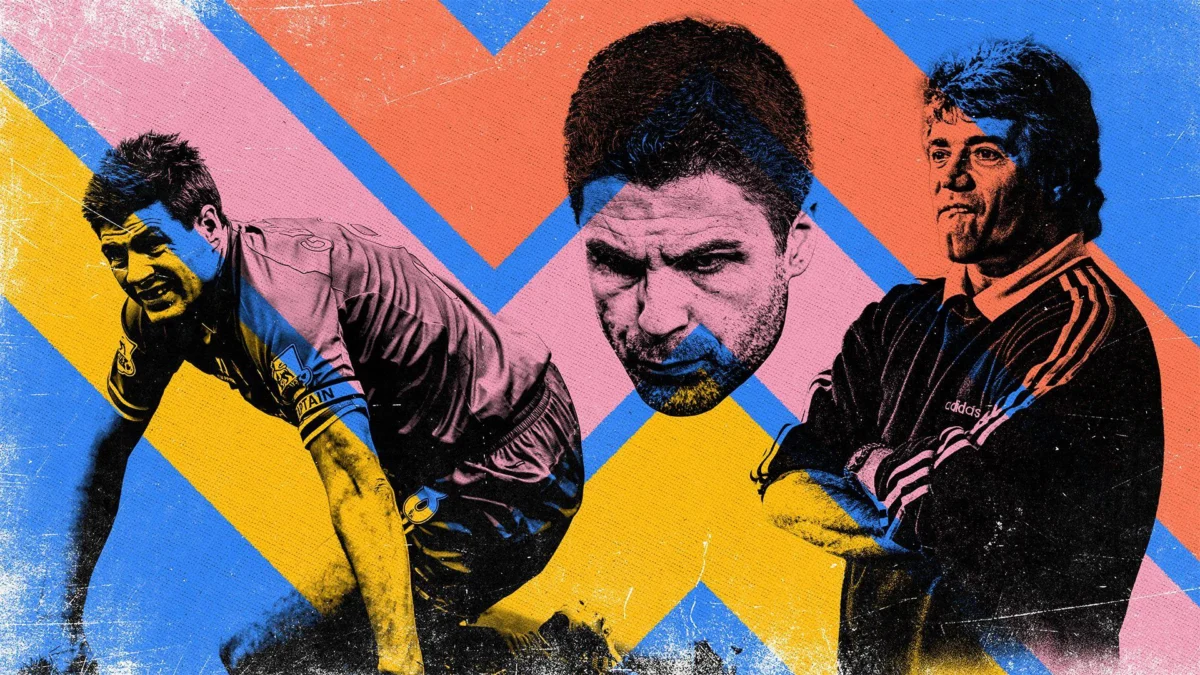
The dreaded word, "bottlers," often echoes in the stands, a cruel taunt hurled by rival supporters at teams perceived to have faltered under the immense pressure of a Premier League title race. While the accusation can be simplistic, it captures a unique agony: leading for extended periods, only to see the coveted trophy slip through one’s grasp. For clubs like Arsenal, who have grappled with this tag for decades, the specter of past disappointments looms large. However, their struggles are far from unique, with numerous clubs experiencing the sting of a seemingly unassailable lead evaporating. This analysis, drawing on statistical data and historical context, delves into the most significant Premier League title collapses, examining the factors that contributed to their downfall and the enduring impact on club legacies.
The Psychology of a Title Collapse: More Than Just Dropped Points
The phenomenon of "bottling it" in football is a complex interplay of psychological pressure, tactical adjustments, and sheer misfortune. When a team establishes a commanding lead, the weight of expectation can become immense. Every dropped point is magnified, and the narrative of collapse begins to take hold, often before the team itself has lost its nerve. For players and managers, the challenge shifts from simply winning matches to managing external scrutiny and internal anxieties. Statistics reveal that prolonged periods at the top of the table, while indicative of a strong season, can paradoxically increase the pressure. The longer a team leads, the greater the perceived failure if they ultimately fall short.
Historic Title Race Reversals: A Chronological Examination
To understand the magnitude of these collapses, it’s crucial to revisit some of the most memorable instances in Premier League history. These are not merely statistical anomalies but deeply ingrained narratives that have shaped the perception of certain clubs and managers.
10. Tottenham Hotspur: 2015-16 – The Youthful Promise That Faded
While Tottenham Hotspur in the 2015-16 season might not have held the lead for as long as some others on this list, their position as a genuine contender, challenging the established order, made their eventual slip all the more poignant. Mauricio Pochettino’s vibrant young side, brimming with energy and attacking flair, emerged as surprise challengers to Leicester City’s fairytale. At one point, Spurs harboured genuine aspirations of lifting their first league title since 1961.
Their strong form throughout the winter, including a remarkable six-game winning streak from January to February, positioned them perfectly to capitalize on any Leicester stumble. However, the Foxes, fueled by an unwavering belief and a remarkable defensive solidity, consistently found ways to secure results. The infamous "Battle of the Bridge" – a tempestuous 2-2 draw against Chelsea at Stamford Bridge in May – ultimately ended Tottenham’s title hopes, a match marred by a record number of yellow cards and a physical confrontation that saw Leicester crowned champions. Tottenham’s subsequent losses in their final two games saw them finish third, a testament to the emotional and physical toll of the chase. The feeling that their moment had passed, at least for that season, was palpable.
9. Norwich City: 1992-93 – The Inaugural Season’s Surprise Package
In the very first season of the Premier League, Norwich City provided one of its most unexpected narratives. Having narrowly avoided relegation the previous year, finishing fifth from bottom, few predicted their ascent to the summit. The Canaries, under Mike Walker, led the league for an astonishing 129 days, a remarkable feat considering they had sold star striker Robert Fleck to Chelsea for a then-club record £2 million.
Their success was built on astute signings like Mark Robins and Efan Ekoku, complemented by the emergence of a young Chris Sutton. Norwich held the top spot until matchday 26. However, the relentless march of Sir Alex Ferguson’s Manchester United, inspired by the brilliance of Eric Cantona, proved too strong. United, with their formidable experience and winning mentality, eventually overtook Norwich, who ultimately secured a commendable third-place finish. This campaign highlighted that even in the nascent stages of the Premier League, established powerhouses could assert their dominance.
8. Liverpool: 2018-19 – The Near-Perfect Season Undone by a Single Point
Liverpool’s 2018-19 campaign is often cited as one of the most unfortunate near-misses in Premier League history. Jürgen Klopp’s dynamic side achieved an extraordinary 97 points, a tally that would have secured the title in almost any other season. They led the league for 141 days, demonstrating their consistent dominance. Their "rock ‘n’ roll" football captivated fans, and a seemingly insurmountable 10-point lead over Manchester City in December suggested the title was within their grasp.
However, the title race became a titanic battle between two exceptional teams. Liverpool’s solitary defeat of the season came at the hands of Manchester City, a crucial match where John Stones’ last-ditch goal-line clearance proved pivotal. This loss, coupled with four draws in their subsequent six games, proved costly. Despite a blistering run of nine consecutive wins to close out the season, they ultimately finished agonizingly one point behind Pep Guardiola’s Manchester City. The sheer quality of both teams meant that even near perfection was not enough, a testament to the ruthless efficiency of their rivals.
The Arsenal Files: A Recurring Narrative of Near Misses
Arsenal’s history in the Premier League is punctuated by several instances where the title seemed within reach, only to slip away. These moments have contributed to the enduring narrative of "bottling it," a label the club has struggled to shake.
7. Arsenal: 2002-03 – The Echo of a Missed Opportunity
Just a season after achieving their iconic "Invincibles" status, Arsène Wenger’s Arsenal found themselves in a familiar position: leading the Premier League for a significant portion of the campaign. They spent nearly five months at the top, a testament to their dominant squad and Wenger’s tactical acumen. The team, having clinched the title at Old Trafford the previous year, exuded confidence, with Wenger famously predicting an unbeaten season.
However, Manchester United, under Sir Alex Ferguson, demonstrated their championship pedigree. United’s formidable scoring prowess, highlighted by decisive victories over Liverpool and Newcastle, allowed them to gain ground. A pivotal moment arrived in mid-April at Highbury. While Thierry Henry scored twice, Ryan Giggs’ late equalizer for Manchester United in a pulsating 2-2 draw proved a significant blow. United, buoyed by this result, never looked back. Arsenal’s subsequent dropped points against Bolton Wanderers and Leeds United ultimately allowed Manchester United to surge ahead and secure the title, leaving a bitter taste of what might have been.
6. Arsenal: 2007-08 – The Emirates Era’s First Major Setback
In the early years at the Emirates Stadium, a new-look Arsenal side, with the core of the Invincibles dispersed, showed immense promise. By March, they had suffered only one defeat and occupied the top spot for 156 days. This period was characterized by exciting young talent like Cesc Fàbregas and a fluid attacking style.
However, a series of unfortunate events and a subsequent loss of form derailed their challenge. The horrific broken leg suffered by Eduardo da Silva in a draw at Birmingham City marked a turning point, initiating a five-game winless streak across all competitions. This coincided with a period of mental fragility, exacerbated by significant defeats in cup competitions. They were eliminated by rivals Tottenham in the League Cup semi-finals, thumped by Manchester United at Old Trafford in the FA Cup, and exited the Champions League at the hands of Liverpool. This collapse became a significant marker in Wenger’s tenure, contributing to a nine-year league title drought and famously drawing the "specialist in failure" barb from José Mourinho, before a series of FA Cup triumphs offered some solace.
5. Arsenal: 2022-23 – The New Era’s Stark Reality Check
The 2022-23 season saw Arsenal redefine the Premier League record books for a different reason: becoming the team to spend the most days at the top of the table without winning the title, accumulating an astonishing 248 days. Their dominance was profound, with the Gunners only relinquishing the lead for three days in a 30-week period, primarily when Manchester City secured a crucial rearranged fixture in February.
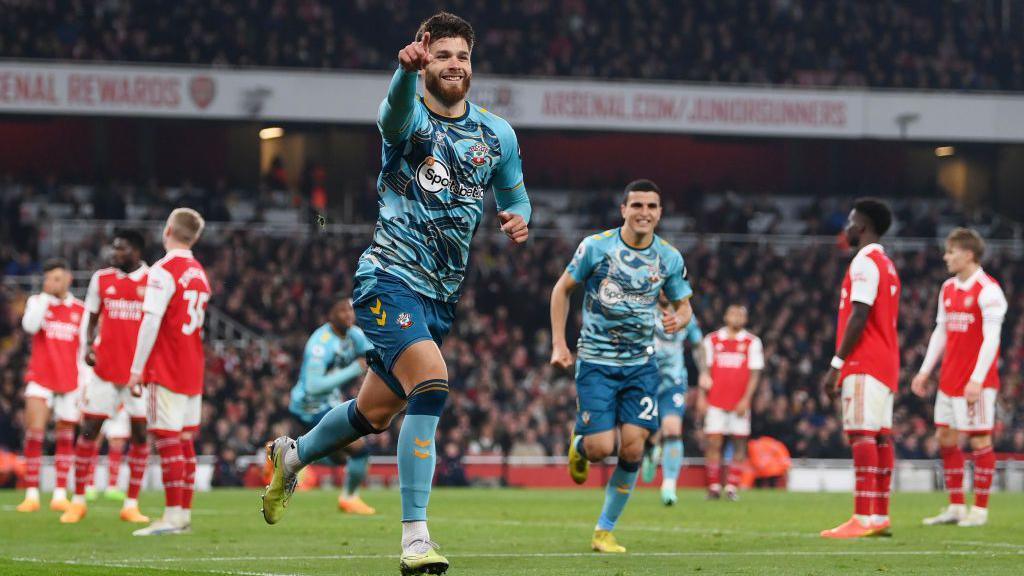
Their return to the summit was short-lived, however. The visit to the Etihad Stadium on April 26th proved decisive. Pep Guardiola’s Manchester City, in a relentless pursuit of their own treble, delivered a convincing 4-1 victory. While Manchester City’s eventual triumph was undeniably a result of their superior performance, Arsenal’s capitulation in the preceding weeks could not be ignored. Three successive draws, including surrendering two-goal leads against Liverpool and West Ham United, and a dramatic 3-3 home draw against Southampton, highlighted a significant mental fragility. This period suggested that the pressure of the title race had overwhelmed Mikel Arteta’s young squad, demonstrating that even a seemingly insurmountable lead could evaporate under intense scrutiny.
4. Manchester United: 1997-98 – The Unraveling of a Dominant Force
In stark contrast to Arsenal’s struggles, the 1997-98 season saw Manchester United on the receiving end of a dramatic title collapse. Arsène Wenger’s revolution at Arsenal was in full swing, and the Gunners, having trailed United by a significant margin, mounted an incredible comeback to secure the Premier League title.
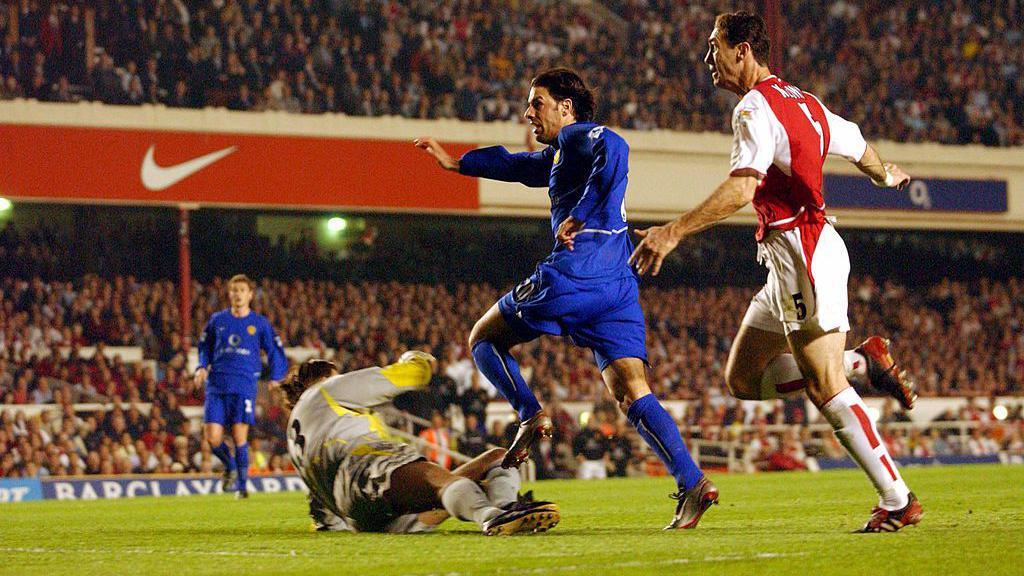
Manchester United, under Sir Alex Ferguson, appeared to be in complete control of the title race. At one point, they held a formidable 13-point lead over Arsenal. So confident was one bookmaker that they paid out on a United victory prematurely. However, a series of uncharacteristic dropped points against teams like Southampton, Bolton Wanderers, and Sheffield Wednesday, coupled with draws against West Ham United, opened the door for Arsenal. The title-defining clash occurred in March, where Marc Overmars scored a late equalizer for Arsenal, initiating a remarkable 10-game winning streak that propelled them to the top. Manchester United’s subsequent dropped points at home against Liverpool and Newcastle United in April saw them finish as runners-up by a single point, a stark reminder of the fine margins in title races.
An Iconic Top Three: The Collapses That Defined Eras
The pinnacle of Premier League title race heartbreaks often involves iconic moments and legendary figures, etched into the memories of football fans.
3. Liverpool: 2013-14 – The Slip That Cost a Generation’s Dream
The 2013-14 season remains a source of profound disappointment for Liverpool supporters. Steven Gerrard’s impassioned declaration, "This does not slip," after a crucial 3-2 victory over Manchester City, which marked their tenth consecutive win and brought them to the brink of a first league title since 1990, became tragically ironic.
In the very next home game against Chelsea, Gerrard himself slipped on the Anfield turf, allowing Demba Ba to score the opener in a 2-0 defeat. This moment, captured in stark slow-motion replays, symbolized the unraveling of Liverpool’s challenge. The momentum shifted dramatically. In the penultimate game of the season, against Crystal Palace, Liverpool stormed into a three-goal lead, only to concede three times in the final minutes, resulting in a 3-3 draw. This costly slip meant they needed to outscore Manchester City on the final day, a task that proved impossible. Gerrard, a legend of the club, ended his Liverpool career without a Premier League winner’s medal, a testament to the cruel nature of football. The title would eventually arrive in 2020, but the ghosts of 2014 lingered.
2. Manchester United: 2011-12 – The Aguerooooo! Moment
The 2011-12 season concluded with one of the most dramatic and iconic finishes in Premier League history. Manchester City, under the burgeoning influence of their Abu Dhabi ownership, snatched the title from the grasp of their fiercest rivals, Manchester United, in the dying seconds of the season.
Manchester United had done their part, winning their final game against Sunderland. However, the damage had been done in the preceding weeks. Sir Alex Ferguson’s side had squandered an eight-point lead with just six games remaining. The image of a bare-chested Sergio Agüero, wildly celebrating his 94th-minute winner against Queens Park Rangers while wearing his Manchester City jersey around his head, is indelibly etched in Premier League folklore. This goal not only secured City’s first league title in 44 years but also shattered Manchester United’s dominance in Manchester, a city they had long considered their own. Ferguson’s pre-season taunt about City never being "top dogs" in Manchester was rendered hollow by this seismic shift in power.
1. Newcastle United: 1995-96 – The Kevin Keegan Monologue and the Ultimate Collapse
The undisputed king of Premier League title collapses belongs to Kevin Keegan’s Newcastle United in the 1995-96 season. Keegan’s "Entertainers," a side famed for their attacking flair and charismatic manager, held a seemingly insurmountable 12-point lead over Manchester United in January 1996. The league was seemingly theirs to lose.
However, a dramatic downturn in form allowed Sir Alex Ferguson’s Manchester United to claw their way back. The turning point arguably came in March when Manchester United visited St. James’ Park and secured a crucial victory, reducing Newcastle’s lead to a single point. By the final three games, the two teams were level on points.
The narrative culminated in a famous post-match interview following Manchester United’s narrow victory over Leeds United. Ferguson’s suggestion that teams "raise their game" when playing against Manchester United, and specifically mentioning Leeds’ perceived lack of intensity against his side, ignited Keegan’s legendary, impassioned rant. His plea, delivered with raw emotion, "And I’ll tell you, honestly, I will love it if we beat them. Love it!" resonated with fans and highlighted the psychological battle unfolding. Despite the emotional rallying cry, Newcastle faltered. A draw at Nottingham Forest and a final-day home draw against Tottenham Hotspur allowed Manchester United to secure the title with a win at Middlesbrough. This collapse remains a cautionary tale about the fragility of leads and the immense psychological pressure of a title race.
The Enduring Legacy of Near Misses
These collapses are more than just footnotes in Premier League history; they are defining moments that shape club identities and managerial legacies. For fans, they represent moments of agonizing what-ifs, fueling enduring debates and fueling the passion for future campaigns. The data consistently shows that while leading for extended periods is a positive indicator, the ability to maintain composure and execute under immense pressure is the true hallmark of a Premier League champion. The psychological fortitude required to navigate these treacherous waters often separates the contenders from the champions, ensuring that the drama and unpredictability of the Premier League title race continue to captivate audiences worldwide.