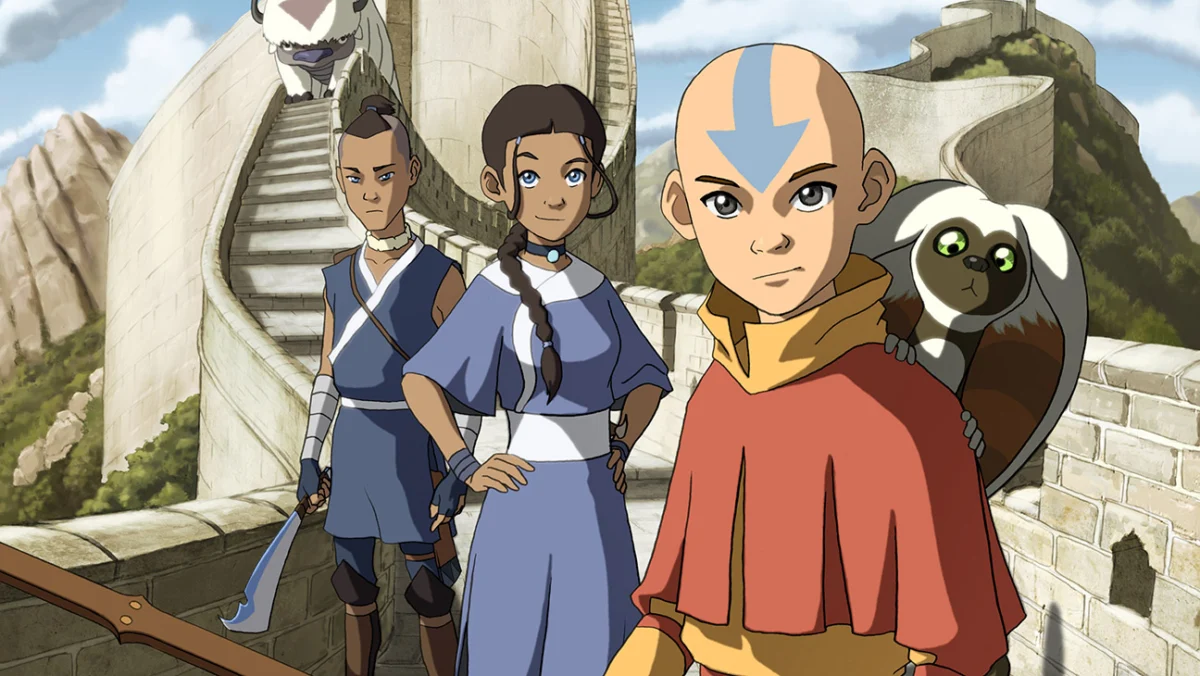
The premature and widespread dissemination of "The Legend of Aang: The Last Airbender," a highly anticipated animated film, has sent ripples through Hollywood, igniting a fierce debate about distribution strategies, intellectual property protection, and the evolving landscape of digital media consumption. The incident, which saw significant portions of the film surface online weeks before its official streaming debut, has not only embarrassed Paramount+ but also exposed deep-seated frustrations within the animation community and among dedicated fanbases.
Unfolding of the Leak: From Trolling to Widespread Piracy
The initial stages of the leak appear to have originated from an anonymous X (formerly Twitter) account known as ImStillDissin. Initially, the individual claimed to have posted two one-minute clips of the film as a form of "trolling," believing it to be a minor transgression given that the movie was slated for a direct-to-streaming release on Paramount+ rather than a theatrical premiere. This sentiment was amplified by the fact that the clips were watermarked with "#PeggleCrew," a nod to an affiliation with a hacker group.
The situation escalated rapidly. Within hours, the leaked clips gained traction across the internet, notably on platforms like 4chan, a notorious online forum where discussions about illicitly obtained media are commonplace. Users on these platforms actively encouraged ImStillDissin to release the full film, a request he initially resisted. However, the dam broke on Monday when an entirely separate account, believed to be based in Singapore, uploaded the complete movie. This unauthorized version has since circulated extensively among the film’s devoted fanbase.
The individual behind ImStillDissin later clarified that while he received the full movie from a contact with a history of hacking, he did not personally originate the leak of the entire film. He asserted that "multiple people had access," suggesting that his initial act of sharing short clips was not the sole conduit for the film’s widespread pirating. The precise origin of the high-quality pirated version remains unclear, but its quality suggests a potential breach of security systems involved in the film’s production or post-production phases, rather than a mere screen recording. This contrasts with the two-minute clips ImStillDissin initially shared, which were recordings and thus indicative of existing security measures.
A History of Hollywood Leaks: Precedent and Parallels
The premature surfacing of entertainment content is a recurring issue within the industry, though the scale and timing of "The Legend of Aang: The Last Airbender" leak are noteworthy. Historically, high-profile productions have fallen victim to similar breaches. Screeners for acclaimed films like "The Revenant" and "Zero Dark Thirty," as well as episodes of the critically lauded series "Game of Thrones," have all been leaked days or even weeks before their official releases.
However, incidents involving entire films from major franchises leaking months in advance are rarer. One significant precedent was set in 2017 when hackers stole episodes of the then-new season of "Orange Is the New Black" from Netflix’s post-production vendor, attempting to extort the streaming giant. The leak of "The Legend of Aang: The Last Airbender" months before its scheduled October premiere places it among the more substantial pre-release dissemination events in recent memory. This incident also follows closely on the heels of an unfinished copy of Paramount’s "Saving Bikini Bottom: The Sandy Cheeks Movie" leaking just weeks before its theatrical release in 2024, indicating a potential pattern of security vulnerabilities for the studio.
Paramount’s Response and Investigation
In the wake of the leak, Paramount has initiated a thorough investigation into the incident. Sources close to the situation have informed The Hollywood Reporter that the studio has definitively ruled out any vulnerability within its own internal systems as the cause of the breach. This suggests that the leak originated from a source outside Paramount’s direct digital infrastructure, possibly at a vendor or partner involved in the film’s production or distribution pipeline.
Concurrently, Paramount is actively engaged in its copyright takedown processes, attempting to remove instances of the leaked film from platforms like X. However, the decentralized nature of the internet and the speed at which digital content can be replicated make such efforts a challenging, often Sisyphean, task.
The Strategic Pivot: Direct-to-Streaming and Fan Frustration
The leak has inevitably reignited discussions surrounding Paramount’s strategic decision to bypass a traditional theatrical release for "The Legend of Aang: The Last Airbender." This move is part of a broader strategy by Paramount to position its streaming service, Paramount+, as the exclusive hub for all animated content originating from Avatar Studios, the creative powerhouse behind the beloved "Avatar: The Last Airbender" universe.
This decision has been met with considerable controversy. The original "Avatar: The Last Airbender" animated series, which concluded its run years ago, experienced a remarkable resurgence on Netflix in 2020. It dominated the streamer’s daily charts for over 60 consecutive days, setting a record for non-Netflix originals at the time. Even in the following year, it remained a powerhouse, ranking as the third most-streamed animated show on the platform, two decades after its initial release. Data from Nielsen further illustrates the enduring popularity, showing the series among the Top 100 most-streamed titles for 17 out of 139 weeks since its March 2023 debut on Paramount+.
The perceived devaluation of the franchise by opting for a direct-to-streaming release, particularly for a visually rich animated film, has fueled resentment among some segments of the fanbase. This frustration has, in turn, been cited as a justification for the illegal download of the leaked movie. A common sentiment expressed online is that fans who would have pirated the film anyway would not have subscribed to Paramount+ to watch it, thus rendering the leak a non-issue from their perspective.
Fan Defense and Animator Outcry
The narrative emerging from some fan communities suggests a sense of entitlement and a reaction against what they perceive as a corporate misjudgment. Posts on platforms like 4chan have articulated this viewpoint directly: "Anyone watching the leak wouldn’t even be watching it on Paramount+ in the first place. It literally makes no difference." Others have expressed a belief that the film’s quality and artistic merit warranted a cinematic release, with one commenter lamenting, "You fund animation like this, and you throw it on a dead platform without any fucking advertising? The leak is deserved."
However, this perspective stands in stark contrast to the pleas from the film’s animators and crew members. Professionals who dedicated years to bringing "The Legend of Aang: The Last Airbender" to life have voiced their deep disappointment and urged fans to refrain from watching the pirated version. Julia Schoel, a creator of animated short films and a contributor to "Rise of the Teenage Mutant Ninja Turtles: The Movie," highlighted the profound disrespect the leak shows to the artists’ labor. She stated on X, "This is incredibly disrespectful to all of the hard work the artists put in."
Schoel, while critical of Paramount’s distribution decision, acknowledged the crew’s expectation of a theatrical celebration of their efforts. "We worked on the Aang movie for years with the expectation that we’d get to celebrate all of our hard work in theaters," she wrote. Tessa Bright, animation director at Flying Bark Studios, the company responsible for animating the film, echoed these sentiments. She emphasized the "amount of effort and dedication it took to make this film happen," underscoring the emotional toll such leaks take on the creative teams.
The Unintended Consequences: A "Jackass Thing to Do"
Even ImStillDissin, the individual who initiated the initial clips’ dissemination, expressed a degree of regret, albeit not out of deference to Paramount. He stated that he never intended to leak the entire movie, deeming it a "jackass thing to do to the animators." This admission further underscores the internal conflict within the fandom, where some defend their actions while others, including those directly involved in the film’s creation, condemn them.
The incident serves as a potent reminder of the complex interplay between creative endeavors, corporate strategy, and the digital consumption habits of audiences. While Paramount grapples with the immediate fallout of the leak and seeks to reinforce its security protocols, the broader implications for franchise management and the future of animated film distribution remain a subject of intense scrutiny. The widespread availability of "The Legend of Aang: The Last Airbender" ahead of its official debut raises critical questions about how studios can best protect their intellectual property while simultaneously navigating the evolving expectations and desires of their dedicated fanbases in an increasingly interconnected world. The long-term impact on the film’s viewership on Paramount+ and the studio’s future release strategies will be closely watched.