

The National Aeronautics and Space Administration (NASA) has announced the Artemis II Human Research Data Methodology Challenge, an urgent call to the global scientific community to leverage the unique biomedical data collected from the historic Artemis II mission. With a total prize pool of $25,000, the challenge, which opened on March 30, 2026, and closes on June 5, 2026, seeks innovative analytical approaches to decipher the complex physiological and psychological responses of humans to deep space, a critical step toward establishing long-term human presence on the Moon and ultimately, Mars. This initiative underscores NASA’s Human Research Program’s (HRP) commitment to safeguarding astronaut health and performance as humanity ventures farther from Earth than ever before.
The Imperative of Human Research in Deep Space Exploration
NASA’s Human Research Program (HRP) stands as the cornerstone of human spaceflight, dedicated to understanding and mitigating the risks associated with long-duration missions. Established to ensure the health and safety of astronauts, the HRP conducts extensive research across various domains, including space radiation, altered gravity fields, hostile and closed environments, distance from Earth, and the unique operational demands of space missions. Its work is foundational to the ambitious goals of the Artemis program, which aims to return humans to the lunar surface and eventually pave the way for crewed missions to Mars.
For decades, HRP’s research has primarily relied on data gathered from missions in low Earth orbit (LEO), predominantly aboard the International Space Station (ISS). The ISS, while an invaluable orbiting laboratory, is still largely protected by Earth’s magnetosphere, which shields astronauts from the full spectrum of deep space radiation. Astronauts on the ISS also benefit from relatively easy access to medical resupply and communication with Earth. As exploration extends beyond LEO, these protections diminish, and the challenges intensify significantly. This shift in operational environment necessitates a profound expansion of scientific understanding, which Artemis II is uniquely poised to provide.
The HRP employs a multi-faceted approach to its research. This includes utilizing ground-based research facilities, where scientists can simulate certain aspects of the space environment, such as microgravity analogs or radiation exposure experiments. Analog environments, like those found in Antarctica or underwater habitats, provide invaluable insights into the psychological and sociological aspects of isolation and confinement. However, none of these simulations can fully replicate the integrated, dynamic conditions experienced in the actual deep space environment—a gap that Artemis II data is designed to bridge.
Artemis II: A Pioneering Voyage Beyond Earth’s Protective Embrace
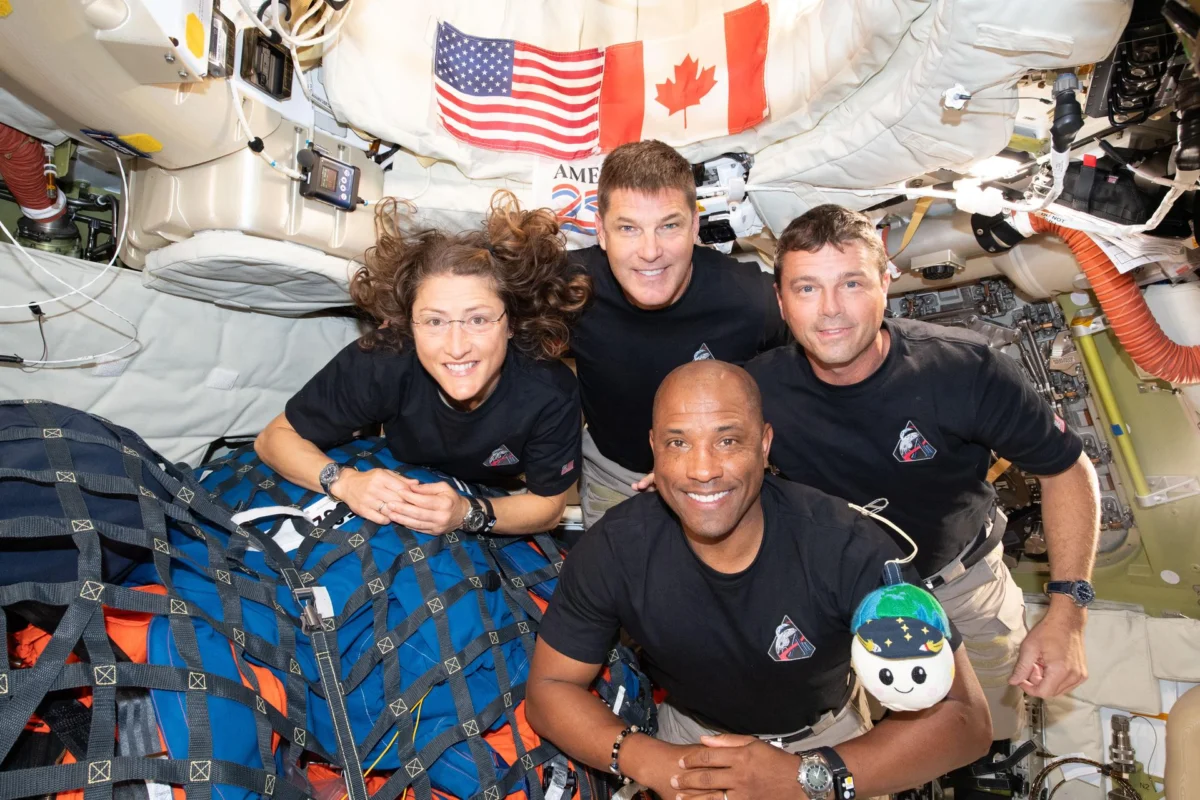
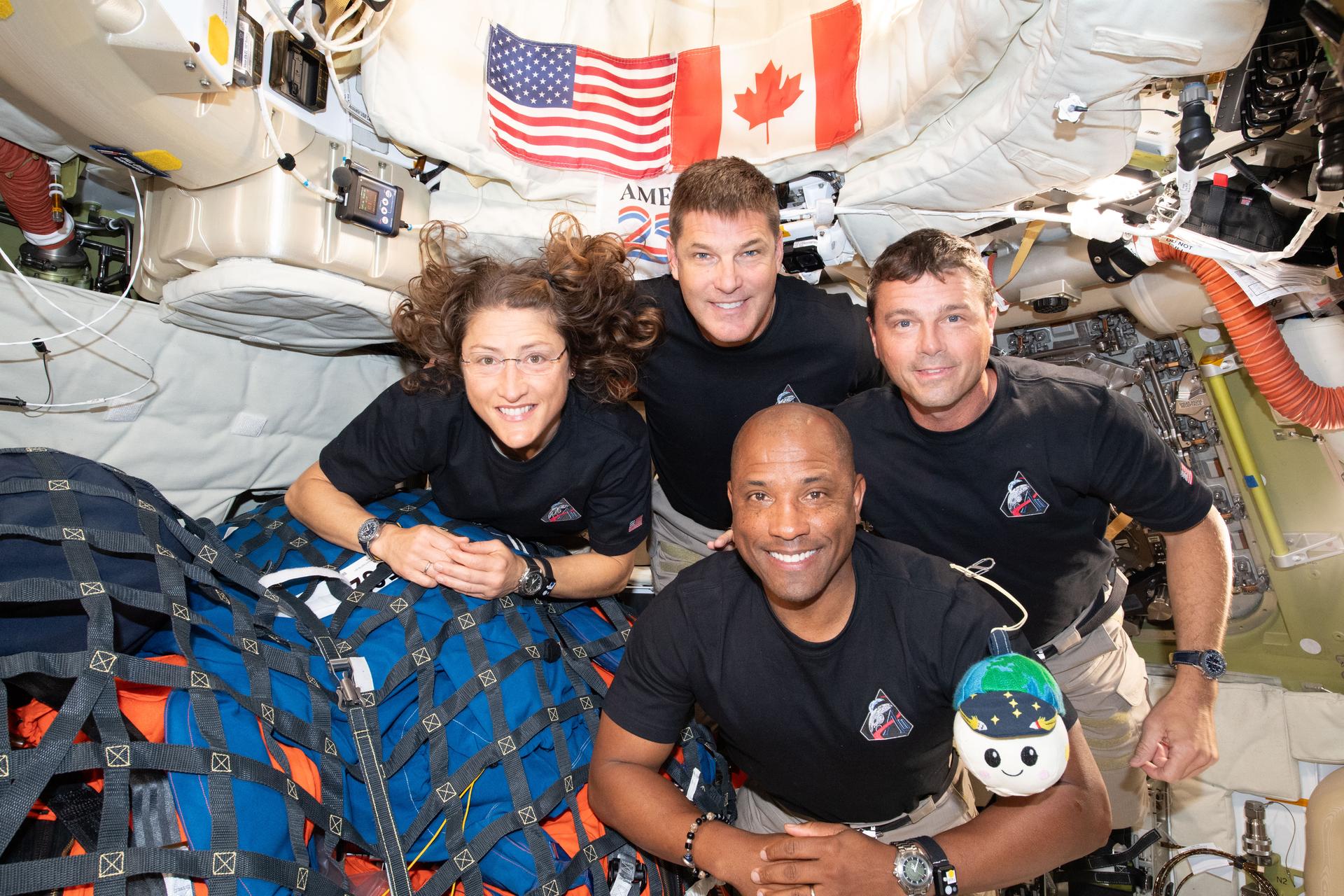
The Artemis II mission marked a pivotal milestone in human exploration, representing the first crewed mission to the vicinity of the Moon since Apollo 17 in December 1972. Launched aboard the powerful Space Launch System (SLS) rocket, the Orion spacecraft carried four astronauts on a trajectory that took them farther into deep space than any humans have gone before. This journey was not merely a technological demonstration but a critical human research expedition, designed to expose astronauts to the full physiological and psychological conditions inherent in translunar space.
The mission’s profile was carefully designed to expose the crew to an environment distinct from LEO. Key factors included:
- Deep Space Radiation: Beyond the protective embrace of Earth’s magnetosphere, astronauts encountered galactic cosmic rays (GCRs) and potential solar particle events (SPEs) at levels significantly higher and with different energy spectra than those experienced on the ISS. Understanding the biological effects of this type of radiation on the human body, including risks to the central nervous system, cardiovascular system, and increased cancer risk, is paramount for future long-duration missions.
- Isolation and Confinement: The Orion spacecraft, while advanced, offers a confined living and working space for an extended period. The psychological effects of prolonged isolation from Earth, limited personal space, and the sheer vastness of deep space pose unique mental health challenges. Monitoring mood, cognitive performance, and crew dynamics in this environment is crucial.
- Operational Demands of a Test Mission: As a test flight, Artemis II placed unique operational demands on its crew. The intensity of pre-flight training, the real-time problem-solving required during the mission, and the inherent stresses of pioneering a new spacecraft and trajectory contribute to the overall physiological and psychological load. The mission profile tested human resilience and adaptability under extreme conditions.
- Altered Circadian Rhythms: The absence of typical Earth-based day/night cycles and the demanding work schedule can disrupt astronauts’ circadian rhythms, leading to sleep disturbances and potential decrements in performance and mood.
The data collected from the Artemis II crew is thus not just supplementary; it is foundational. It represents the first direct, real-time measurements of human responses to conditions that ground-based simulations cannot fully replicate. The mission served as an "irreplaceable research opportunity," as noted by Bailey G. Light and other NASA HRP officials, providing a critical data point to bridge the gap between LEO experience and the requirements for sustained deep space habitation.
The Genesis of the Artemis Program: A Return to the Moon and Beyond
The Artemis program, named after Apollo’s twin sister in Greek mythology, signifies humanity’s renewed commitment to lunar exploration with the ultimate goal of Mars. It was conceived not just as a return to the Moon but as a sustainable program, establishing a long-term presence on and around the lunar surface. This differs significantly from the Apollo missions, which were primarily focused on demonstrating capability and achieving specific landing objectives.
The Artemis program unfolds in several key phases:
- Artemis I (2022): An uncrewed test flight of the SLS rocket and Orion spacecraft, orbiting the Moon and returning to Earth. This mission demonstrated the performance of the vehicle and verified critical systems before putting humans aboard.
- Artemis II (2024 – as per original article, 2026 is date of article’s publication): The first crewed test flight, taking four astronauts on a lunar flyby. This mission focuses on testing Orion’s systems with a crew, validating life support, communications, and navigation in deep space, and crucially, gathering human health data.
- Artemis III (targeting mid-to-late 2020s): The mission that will land the first woman and first person of color on the lunar south pole, establishing a sustained presence through the development of the Gateway lunar orbiting outpost and surface infrastructure.
The journey of Artemis II, carrying its crew further into deep space than Apollo 17’s record-setting 400,171 kilometers from Earth, was a deliberate step to push the boundaries of human endurance and gather unprecedented biomedical data. The free-return trajectory around the Moon exposed the crew to the deep space environment for approximately 8-10 days, providing a crucial dataset distinct from the 3-6 month missions on the ISS or the shorter Apollo lunar landings.
The Analytical Challenge: Extracting Insights from a Unique Dataset
While the Artemis II data is invaluable, it also presents a profound analytical challenge. The "sample size" of the crew is limited to just four individuals. In traditional scientific research, such a small sample size would typically be considered insufficient for drawing statistically robust conclusions. However, the depth and breadth of data collected from these four subjects are extraordinary.
The dataset spans multiple physiological systems:
- Cardiovascular System: Heart rate, blood pressure, cardiac output, vascular stiffness.
- Musculoskeletal System: Bone density changes, muscle atrophy, spinal elongation.
- Neurovestibular System: Balance, spatial orientation, motion sickness, cognitive performance.
- Immune System: Alterations in immune cell function, inflammation markers.
- Genomics and Proteomics: Gene expression changes, protein profiles reflecting stress and adaptation.
- Psychological Data: Mood assessments, cognitive performance tests, sleep quality logs, crew interaction dynamics.
Furthermore, the data encompasses various modalities (e.g., wearable sensor data, blood/urine samples, subjective questionnaires, medical imaging) and is collected across numerous time points (pre-flight, in-flight, post-flight). This combination creates a "sparse but rich" dataset – sparse in terms of the number of subjects, but incredibly rich in the types and frequency of measurements.
Traditional statistical methods, often designed for larger populations, may not be optimally suited to extract the maximum insights from such a complex and limited dataset. This is precisely what the NASA Artemis II Human Research Data Methodology Challenge seeks to address. The HRP is looking for innovative approaches that can:
- Integrate Diverse Data Streams: Develop methods to synthesize data from different physiological systems and modalities into a holistic picture of astronaut health.
- Handle Small Sample Sizes: Employ advanced statistical techniques, machine learning algorithms, or personalized modeling approaches that can identify meaningful patterns and predictive markers despite the limited number of subjects.
- Identify Inter-individual Variability: Recognize and account for differences in individual responses, which are critical for personalized medicine approaches in space.
- Develop Predictive Models: Create models that can forecast potential health issues or performance decrements based on early indicators.
The challenge explicitly invites data scientists, statisticians, bioinformaticians, machine learning experts, and researchers from around the world to contribute their expertise. The expectation is that the competition will yield novel algorithms and methodologies that can transform how NASA analyzes human health data from future deep space missions, ensuring that every piece of information contributes to astronaut safety.
Official Responses and Broader Implications
While specific quotes from NASA officials regarding the challenge are inferred, the very existence of such a public competition speaks volumes about the agency’s proactive approach. Officials within the Human Research Program would likely emphasize the critical nature of this data for informing countermeasure development and mission planning. "The insights gained from this challenge will directly inform our strategies for protecting astronauts on their multi-year journey to Mars," a representative might state, underscoring the long-term vision. "We are leveraging the global scientific community to ensure we leave no stone unturned in understanding the human body’s incredible adaptations and vulnerabilities in deep space."
The Artemis II astronauts themselves, though primarily focused on mission execution, are inherently aware of their role as "citizen scientists" or "living laboratories." Their contributions of biomedical data are invaluable, and they embody the spirit of human exploration and scientific discovery. Their experiences and biological responses will shape the future of human spaceflight for generations.
The scientific community has reacted with enthusiasm to such challenges, viewing them as exciting opportunities to contribute to humanity’s grandest endeavors. Researchers are keen to apply cutting-edge data science techniques to real-world, high-stakes problems. "This is a unique opportunity to apply advanced analytics to a truly unprecedented dataset," commented a hypothetical leading data scientist, "The findings could not only revolutionize space medicine but also offer insights into human health and disease here on Earth."
The implications of the Artemis II Human Research Data Methodology Challenge extend far beyond NASA’s immediate goals.
- Moon to Mars Pathway: The methodologies developed will be directly applicable to future Artemis missions, including the establishment of lunar bases, and most critically, to the much longer and more hazardous journey to Mars. A Mars mission could last two to three years, subjecting astronauts to even greater cumulative radiation doses and extended periods of isolation.
- Commercial Spaceflight: As commercial entities like SpaceX and Blue Origin develop capabilities for private space tourism and deep space ventures, the knowledge gained from Artemis II will be vital for ensuring the safety and well-being of all space travelers.
- Terrestrial Applications: Insights into bone density loss, cardiovascular deconditioning, radiation effects, and psychological stress in extreme environments often have direct parallels to conditions on Earth. Research into countermeasures for spaceflight-induced physiological changes could lead to new treatments for osteoporosis, cardiovascular disease, or stress-related disorders in the general population.
- International Collaboration: The methodologies and findings from this challenge will foster international collaboration, as agencies like the European Space Agency (ESA), Japan Aerospace Exploration Agency (JAXA), and Canadian Space Agency (CSA) also have vested interests in deep space human health research. Sharing knowledge and analytical tools strengthens the global effort toward space exploration.
- Ethical Considerations: The challenge also indirectly highlights the ethical considerations inherent in human research in space. Ensuring astronaut privacy, obtaining informed consent, and responsibly utilizing sensitive biological data are paramount. The sophisticated analytical methods sought by the challenge must adhere to the highest standards of data security and ethical research practices.
Conclusion
The Artemis II Human Research Data Methodology Challenge represents a critical junction in humanity’s quest to become a multi-planetary species. By soliciting the brightest minds from around the globe to tackle the analytical complexities of the Artemis II mission’s unique biomedical dataset, NASA is ensuring that every piece of information gleaned from this historic voyage contributes maximally to the safety and success of future missions. As the deadline for submissions approaches on June 5, 2026, the global scientific community is poised to unlock the secrets of human adaptation to deep space, paving the way for a sustained human presence on the Moon and the monumental journey to Mars and beyond. The future of human space exploration hinges not just on technological prowess, but on a profound understanding and protection of the human element itself.