


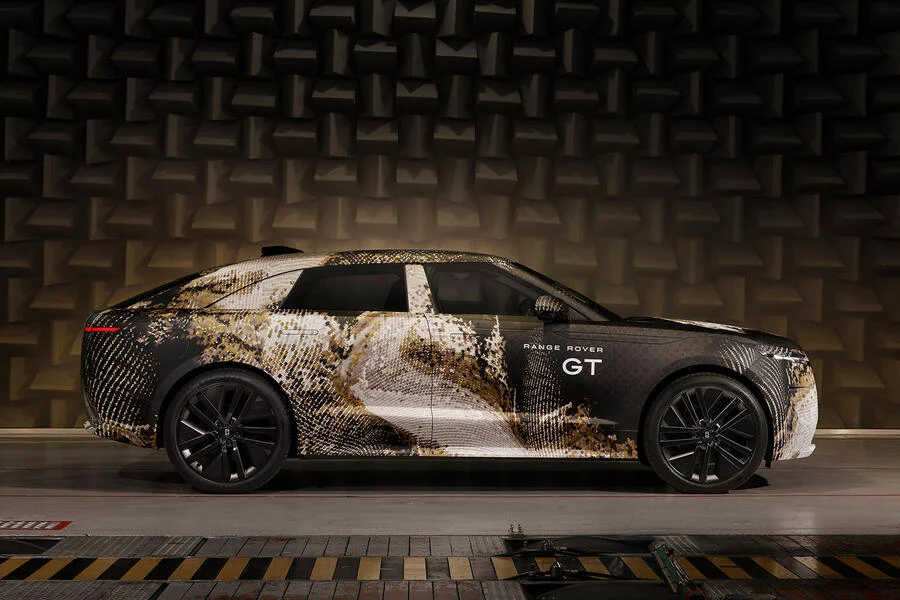
The automotive landscape is currently witnessing a profound transformation as Jaguar Land Rover (JLR) accelerates its "Reimagine" strategy, a multi-billion-pound initiative designed to transition the storied British manufacturer into an electric-first luxury powerhouse. At the heart of this transition is the upcoming Range Rover GT, a vehicle poised to redefine the brand’s aesthetic and technological benchmarks. As JLR moves toward a more streamlined, "House of Brands" organizational structure, the Range Rover GT emerges not merely as a new model, but as the vanguard for a new generation of vehicles built upon the Electrified Modular Architecture (EMA). This shift represents a sophisticated balancing act between the brand’s traditional values of "peerless luxury" and the pressing demands of modern electrification and software-driven functionality.
The interior of the Range Rover GT marks a radical departure from the tactile, button-heavy cockpits of the past, embracing a philosophy of "reductive design." By moving the drive selector to a column stalk and integrating nearly all climate and secondary vehicle functions into a central touchscreen, JLR is following a broader industry trend toward minimalist, screen-centric environments. However, the company is acutely aware of the criticisms leveled at complex digital interfaces. To combat this, the GT will debut an entirely new software suite designed to offer a "short user interface journey." In practical terms, this means a flatter menu structure where the vast majority of common tasks—such as adjusting temperature or navigating to a destination—can be completed in just one or two taps. This software pivot is a critical component of JLR’s goal to become a leader in Software-Defined Vehicles (SDVs), ensuring that the digital experience matches the physical refinement of the hardware.
The physical cabin layout further emphasizes this minimalist approach. The center console is designed as a seamless, flat surface when not in use, maintaining the clean lines of the interior. However, integrated haptic or mechanical sensors allow it to open, revealing essential amenities like cupholders and storage cubbies. This "hidden-until-needed" technology is a hallmark of the new Range Rover design language, aiming to reduce visual clutter and create a more serene environment for occupants.
In terms of passenger accommodation, the Range Rover GT is engineered to challenge the traditional trade-offs of sleek, aerodynamic design. Despite its sloping, coupe-like roofline, JLR engineers have prioritized rear-seat comfort and accessibility. The vehicle will come standard with a two-seat rear configuration featuring a fixed center armrest, a layout typically reserved for high-end executive limousines. This configuration underscores the GT’s positioning as a luxury grand tourer rather than a utilitarian family hauler, though a traditional three-seat bench will likely be available for broader market appeal.
The true innovation of the GT lies beneath its skin. As the first vehicle to utilize the bespoke EMA platform, the GT benefits from packaging efficiencies that are impossible in internal combustion engine (ICE) vehicles. By positioning the battery pack low in the chassis and pushing the wheels to the corners, JLR has managed to provide rear legroom comparable to the flagship full-size Range Rover, despite the GT’s smaller exterior footprint. A full-length glass roof is standard, designed to mitigate any sense of claustrophobia that might otherwise be caused by the low roofline, flooding the cabin with natural light and enhancing the sense of space.
The journey of the EMA platform itself serves as a microcosm of the volatile global automotive market. Originally conceived as a flexible architecture capable of supporting internal combustion, hybrid, and fully electric powertrains, the EMA was later refocused to be a pure-electric platform as JLR doubled down on its commitment to zero-emission vehicles. However, in a significant strategic pivot announced recently, JLR leadership confirmed that the EMA platform will, in fact, support hybrid powertrains alongside fully electric systems. This reversal is a pragmatic response to fluctuating global demand, where the transition to pure EVs has slowed in key markets like North America and Europe, while demand for plug-in hybrids (PHEVs) has surged. By reintroducing hybrid compatibility to the EMA platform, JLR ensures that it can remain agile, catering to different regional regulatory environments and consumer preferences without sacrificing the economies of scale provided by a shared architecture.
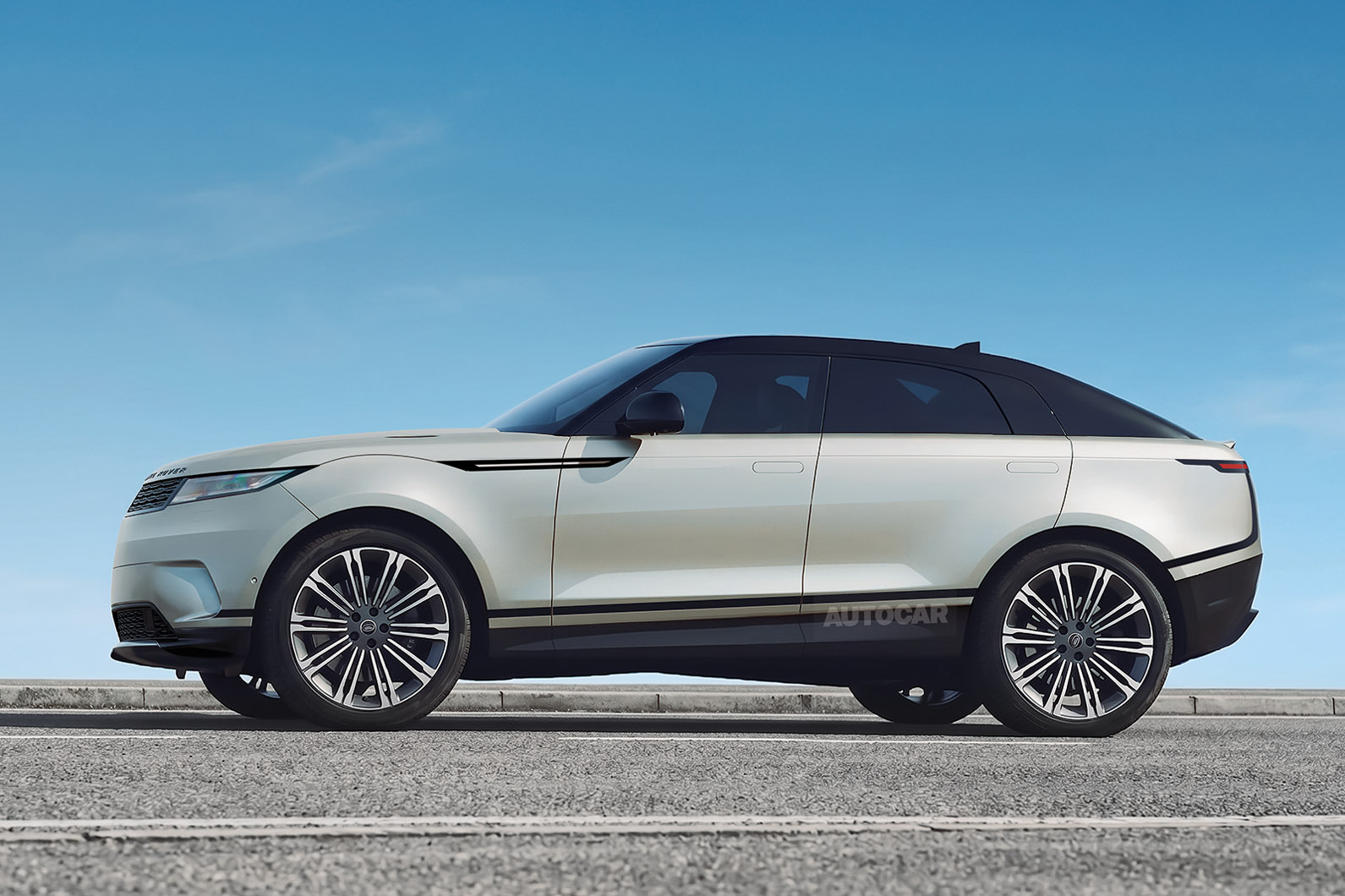
Following the launch of the Range Rover GT, the second vehicle slated for the EMA platform is the highly anticipated "Defender Sport." This model is expected to be a more compact, more affordable interpretation of the rugged Defender brand, effectively replacing the aging Discovery Sport and potentially the Range Rover Evoque. The consolidation of these models into a single, high-performing platform is part of JLR’s broader effort to increase profitability by focusing on its most desirable sub-brands: Range Rover, Defender, and Discovery. Analysts suggest that by leveraging the EMA platform for a smaller Defender, JLR can capture a younger, urban-dwelling demographic that desires the prestige and capability of the Defender nameplate but requires a more manageable size and a more efficient powertrain.
The strategic importance of this transition cannot be overstated. Martin Limpert, Managing Director of Range Rover, has been vocal about the brand’s readiness for electrification. In a recent Q&A session, Limpert addressed the skepticism often directed at electric luxury vehicles. He argued that the inherent characteristics of an electric powertrain—instant torque, silent operation, and smoothness—are the ultimate expression of the Range Rover DNA. "We think Range Rover EVs are a culmination of everything the brand has stood for over the past 56 years," Limpert stated. He highlighted features like one-pedal driving and advanced traction management systems, which can react faster than mechanical equivalents, as key differentiators that will enhance both the on-road refinement and the off-road capability of the new models.
Limpert also pointed to significant consumer interest, noting that the waiting lists for upcoming electric models are already substantial. This high demand suggests that the brand’s core constituency is ready to embrace electrification, provided the vehicles deliver the "effortless" experience they have come to expect. For JLR, the success of the Range Rover GT and the EMA platform is essential for meeting stringent fleet emissions targets and for competing with rival luxury manufacturers like Porsche, Audi, and Mercedes-Benz, all of whom have established strong footholds in the premium EV sector.
Chronologically, the development of the EMA platform has been a cornerstone of JLR’s capital expenditure since the "Reimagine" strategy was first unveiled in 2021. The initial investment of £15 billion over five years was recently increased to £18 billion, reflecting the rising costs of battery technology and software development. The Range Rover GT is expected to begin customer deliveries in the near future, marking the start of a rapid-fire release schedule that will see several new EMA-based models hit the market by the end of the decade.
The implications of these moves extend beyond just the product lineup. By shifting the Discovery Sport and Evoque successors onto the EMA platform under the "Defender" or "Range Rover" umbrellas, JLR is effectively streamlining its manufacturing processes. This allows for more flexible production lines at facilities like Halewood, which has been designated as JLR’s first all-electric production plant. The move toward a hybrid-capable EMA platform also provides a safety net for the company’s supply chain, allowing it to balance battery sourcing with traditional engine production as the market dictates.
Furthermore, the introduction of the Range Rover GT represents a shift in JLR’s marketing philosophy. By positioning the GT as a "bespoke" EV experience rather than just an electric version of an existing car, the company is aiming to justify a higher price point and reinforce its "modern luxury" branding. This strategy is vital for maintaining the high margins necessary to fund the expensive transition to a zero-carbon future.
In conclusion, the Range Rover GT and the versatile EMA platform represent the most significant technological leap in Land Rover’s history. By combining minimalist, software-driven interiors with a flexible, high-performance architecture, JLR is attempting to future-proof its most iconic brands. While the path to full electrification has been recalibrated to include hybrids, the goal remains the same: to deliver a vehicle that is "fit for purpose" in a rapidly changing world. As Martin Limpert and the rest of the JLR leadership team prepare to bring these vehicles to market, the industry will be watching closely to see if this blend of traditional British luxury and cutting-edge electric technology can set a new standard for the automotive world. The Range Rover GT is not just a car; it is a declaration of intent for the next half-century of the brand.