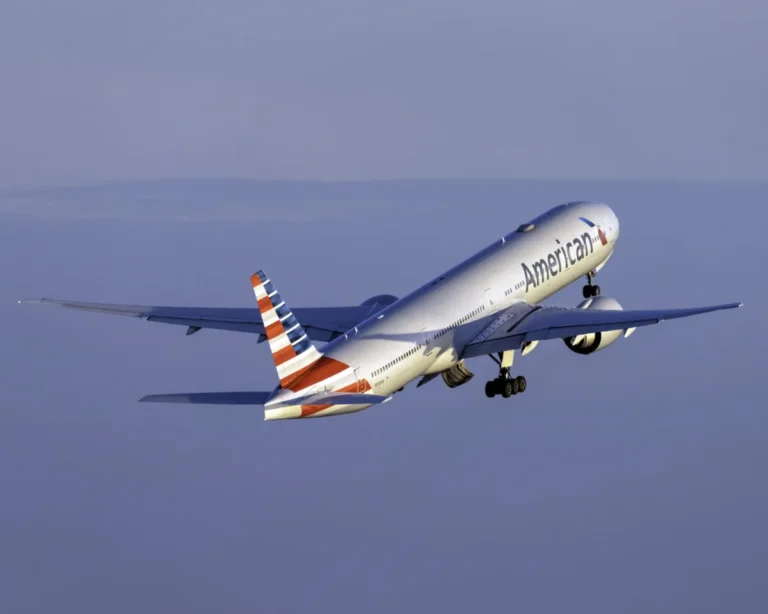



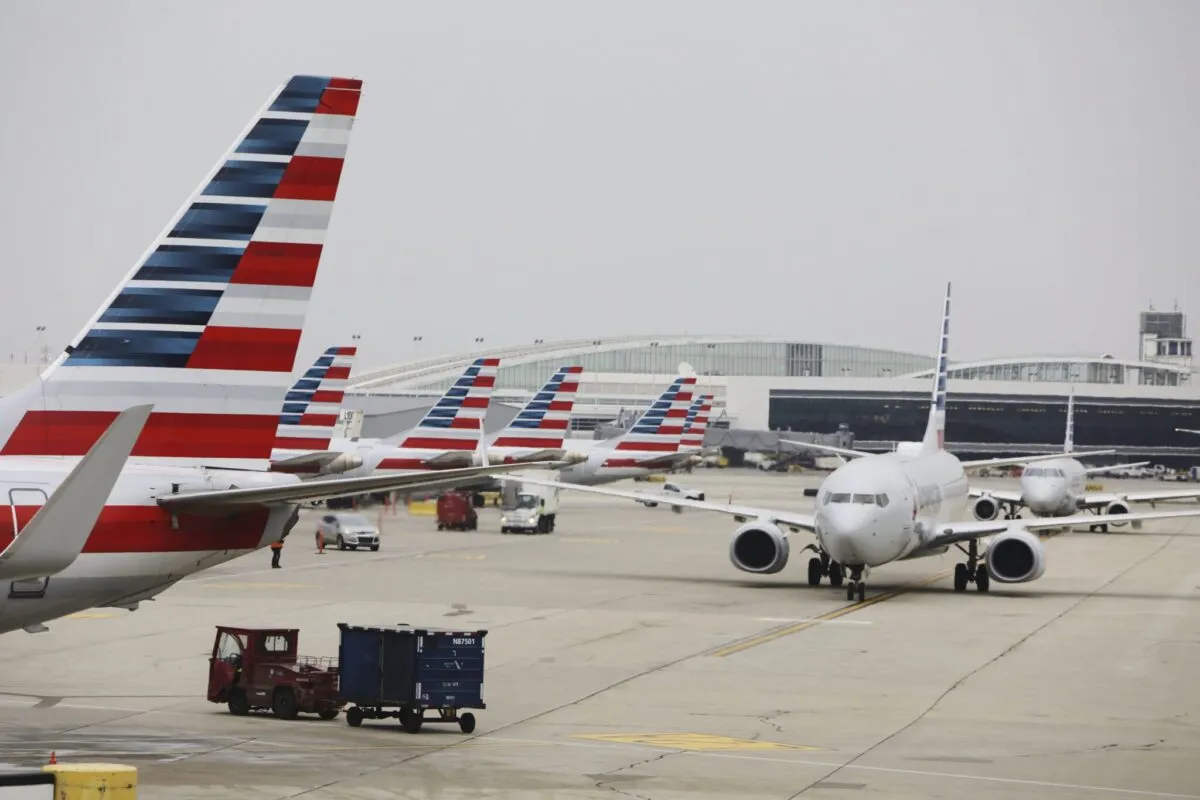
The global aviation landscape is currently navigating a complex intersection of fluctuating energy costs, shifting consumer demand, and a post-pandemic operational recalibration. While the industry standard in times of economic uncertainty typically involves a contraction of services to bolster pricing power, American Airlines has opted for a divergent path. In its most recent fiscal disclosures, the Fort Worth-based carrier revealed a strategy centered on sustained capacity growth, even as its primary competitors, Delta Air Lines and United Airlines, signal a more cautious approach. This decision comes at a pivotal moment for American Airlines, as it seeks to balance market share objectives with the necessity of improving its bottom-line performance relative to its industry peers.
In the second quarter of the current fiscal year, American Airlines reported a capacity increase of 5.4%, a figure that stands in contrast to the more aggressive trimming seen elsewhere in the sector. Looking ahead to the third quarter, the carrier projects a further capacity expansion of between 3% and 5%. This strategy of maintaining or increasing seat availability is designed to capture a broader segment of the traveling public, yet it brings into focus the inherent tension between volume and yield. While American’s second-quarter earnings surpassed some analyst expectations with a reported profit of $71 million, the figure remains a fraction of the earnings reported by its chief rivals. For the same period, Delta Air Lines posted a robust $1.6 billion profit, while United Airlines reported $805 million, highlighting a significant profitability gap that American executives are under pressure to close.
The Strategic Rationale Behind Capacity Retention
The decision to maintain higher capacity levels is rooted in a calculated assessment of fuel price volatility and long-term network positioning. Traditionally, airlines utilize capacity cuts as a lever to increase "yield"—the average fare paid per mile per passenger. By reducing the number of available seats, carriers can often fill remaining planes at higher price points, thereby offsetting the rising costs of jet fuel and labor. However, American Airlines executives have defended their decision to remain aggressive on capacity, citing a "conservative approach" to cuts.
The carrier’s leadership argues that a sudden withdrawal of capacity could leave the airline vulnerable if fuel prices stabilize or if demand remains more resilient than anticipated. Furthermore, American’s network strategy is heavily reliant on its dominant positions in "Sunbelt" hubs such as Dallas/Fort Worth (DFW), Charlotte (CLT), and Miami (MIA). These regions have seen significant population growth and economic activity over the last three years, and American is hesitant to cede market share in these critical growth corridors. By keeping its flight schedules robust, the airline aims to maintain its dominance in these hubs, even if it means accepting lower immediate margins than its competitors.
Comparative Financial Analysis: The Big Three
To understand the implications of American’s strategy, it is essential to examine the financial disparity between the "Big Three" U.S. carriers. The $71 million profit reported by American, while a positive indicator of recovery, pales when placed alongside Delta’s $1.6 billion. The disparity is driven by several factors beyond mere capacity management:
- Premium Revenue Streams: Delta and United have been more successful in capturing the "premium" segment of the market. Both carriers have invested heavily in high-end cabin products and international long-haul routes, which often command higher margins. American, by contrast, has focused more heavily on its domestic and short-haul international network, where competition from low-cost carriers (LCCs) is fiercer and pricing power is more limited.
- Operational Efficiency: Delta’s industry-leading profitability is often attributed to its operational reliability and its ownership of a refinery, which provides a unique hedge against fuel price swings.
- Debt Obligations: American Airlines continues to carry a higher debt load than its peers, a legacy of its aggressive fleet renewal program conducted over the past decade. This necessitates a high level of cash flow to service interest payments, sometimes prioritizing volume to ensure liquidity.
Despite these headwinds, American’s load factor—the percentage of seats filled—remains competitive. The challenge lies in the "yield" generated from those seats. In a market where fuel costs are highly volatile, the lack of aggressive capacity discipline can lead to a "fare war" environment, where airlines are forced to lower prices to fill the excess seats they have put into the market.
A Chronology of Strategic Shifts and Market Pressures
The current state of American Airlines’ strategy is the result of a series of internal and external shifts over the past 24 months.
- Mid-2022 to Early 2023: As travel demand surged post-pandemic, American focused on rebuilding its network, prioritizing domestic connectivity and utilizing its regional partners to feed its major hubs.
- Late 2023: The airline industry began to see a cooling of the "revenge travel" phenomenon. While demand remained high, the astronomical fare increases seen in 2022 began to level off. During this period, fuel prices remained stubbornly high due to geopolitical tensions in Eastern Europe and the Middle East.
- Early 2024: American Airlines underwent a significant internal shift with the departure of its Chief Commercial Officer, Vasu Raja. Raja had been the architect of a "direct-to-consumer" sales strategy that sought to bypass traditional travel agencies and third-party booking platforms.
- Q2 2024: Following Raja’s departure, CEO Robert Isom admitted that the direct-sales strategy had alienated some corporate travel managers and travel agencies, leading to a loss in high-value business bookings. The airline began a pivot back to traditional distribution channels to regain lost market share in the lucrative corporate sector.
- Present Day: The carrier is now attempting to reconcile its high-capacity output with a revised sales strategy, all while navigating a fuel market that remains unpredictable.
The Fuel Factor and Operational Costs
Fuel remains the most significant variable expense for any airline, often accounting for 20% to 30% of total operating costs. For American Airlines, the decision to keep capacity high makes the company more sensitive to fluctuations in the price of Brent Crude and West Texas Intermediate (WTI). Unlike some international peers, major U.S. carriers generally do not engage in extensive fuel hedging, meaning they are exposed to the "spot price" of jet fuel.
When capacity is high, the "break-even" load factor—the percentage of seats an airline must fill to cover its costs—rises if fuel prices spike. Executives at American have noted that their conservative approach to capacity cuts (meaning they are cutting less than others) is a response to this volatility. Their logic suggests that by maintaining a steady schedule, they avoid the operational costs associated with constantly starting and stopping routes, which can be just as expensive as flying with lower yields. However, this puts immense pressure on the airline’s revenue management teams to ensure that the 5.4% increase in seats does not lead to a collapse in unit revenue (TRASM – Total Revenue per Available Seat Mile).
Re-evaluating the Sales and Distribution Model
A critical component of American’s current predicament is its recent history with distribution. The airline’s previous attempt to force bookings through its own website and app—while cutting commissions for travel agents—was intended to reduce distribution costs. However, data from the first half of 2024 suggests this move backfired, as corporate travelers, who often rely on specialized agencies, migrated to Delta and United.
The current capacity strategy must now work in tandem with a "restoration" of these relationships. By offering more seats and more frequent flights (the 3-5% projected growth in Q3), American is essentially trying to prove to corporate partners that it has the most convenient schedule. This "frequency" strategy is a classic airline tactic: if a business traveler has a choice between an airline that flies once a day and one that flies five times a day, they will almost always choose the latter for flexibility. American is betting that high capacity will eventually translate back into high-value corporate loyalty.
Broader Impact and Industry Implications
The divergence in strategy between American and its rivals has broader implications for the U.S. economy and the traveling public.
For Consumers: American’s refusal to aggressively cut capacity is generally good news for passengers. More seats in the market typically prevent the kind of dramatic fare spikes that occur when demand far outstrips supply. Especially in "fortress hubs" like Charlotte or Dallas, American’s commitment to capacity helps maintain a level of price stability, even if it pressures the airline’s own profit margins.
For the Industry: If American’s strategy succeeds in capturing market share without destroying its yields, it could force Delta and United to reconsider their own capacity constraints. Conversely, if American’s profits continue to lag significantly, it may be forced into a "mid-course correction" involving painful cuts in late 2024 or early 2025.
For Investors: Wall Street remains cautious. While American’s $71 million profit beat the most pessimistic forecasts, the stock has faced pressure due to concerns over its narrow margins. Investors are looking for signs that the pivot back to traditional sales channels will bear fruit and that the airline can find a way to make its high-capacity model as profitable as the premium-heavy models of its rivals.
Future Outlook: A Balancing Act
As American Airlines moves into the final quarters of the year, its performance will be a bellwether for the "volume-first" approach in a high-cost environment. The carrier’s leadership remains firm in the belief that their network—centered on the high-growth Sunbelt—requires a high-capacity commitment to serve the long-term needs of their customer base.
The coming months will provide a definitive test. If fuel prices remain stable or trend downward, American’s high capacity could lead to a surge in total revenue that narrows the gap with Delta and United. However, if energy prices climb or if the U.S. economy sees a significant slowdown in consumer spending, the carrier may find itself with too many seats and not enough high-paying passengers to fill them. For now, American Airlines continues to fly a different path, prioritizing presence and persistence in an increasingly competitive sky.