


A groundbreaking dental gel, developed by scientists at the University of Nottingham, holds the potential to revolutionize oral healthcare by mimicking the natural processes of enamel formation. This innovative material could offer a new paradigm for preventing tooth decay, restoring worn teeth, and mitigating the pervasive issue of dental erosion, a problem affecting a significant portion of the global population. The research, meticulously detailed in the prestigious journal Nature Communications, signifies a major leap forward in restorative dentistry, moving beyond mere symptom management to actual structural repair.
Genesis of a Groundbreaking Discovery: Years of Research Culminate in Enamel Regeneration
The journey toward this transformative dental gel began with a deep understanding of the intricate biological mechanisms that govern tooth enamel development in infancy. For years, researchers at the University of Nottingham’s School of Pharmacy and Department of Chemical and Environmental Engineering have been dedicated to unraveling these complex processes. Their objective was not simply to create a protective coating, but to engineer a material capable of actively rebuilding the mineral matrix of enamel. This ambitious goal was pursued through rigorous experimentation and a multidisciplinary approach, integrating expertise in biomaterials science, chemical engineering, and pharmaceutical sciences.
The core of their innovation lies in the development of a novel gel formulated with proteins meticulously designed to replicate the functions of natural enamel-forming proteins. This scientific endeavor, spanning several years of intensive research and development, culminated in the creation of a material that, when applied, initiates a process of controlled mineralization. Unlike conventional treatments that often rely on external fluoride application, this new gel operates by leveraging the tooth’s own environment, orchestrating the deposition of essential minerals to rebuild lost structure. The publication of their findings in Nature Communications marks a significant milestone, validating years of meticulous scientific inquiry and opening the door to widespread clinical application.
The Mechanism of Regeneration: Epitaxial Mineralization at Play
The newly developed dental gel operates through a sophisticated process known as epitaxial mineralization, a biological phenomenon that scientists have sought to harness for therapeutic purposes. When applied to a tooth, the gel forms an ultra-thin, yet remarkably durable, coating. This coating possesses the unique ability to penetrate the surface of the enamel, effectively filling microscopic cracks, pores, and other areas compromised by demineralization or erosion.
Crucially, this gel acts as a biological scaffold. It actively draws calcium and phosphate ions from the surrounding saliva, the body’s natural reservoir of these essential minerals. The engineered proteins within the gel then meticulously guide the controlled formation of new mineral crystals. This controlled growth is paramount; the new crystals align themselves precisely with the existing crystalline structure of the natural enamel. This alignment, or "epitaxy," ensures that the newly formed mineral seamlessly integrates with the underlying tooth structure, rather than forming a superficial, poorly organized layer.
The outcome of this organized growth is a regenerated enamel surface that not only fills in structural defects but also recovers the microscopic architecture and, critically, the physical properties of healthy, natural enamel. This is a stark contrast to existing treatments, which often focus on strengthening existing enamel or providing a temporary protective barrier. The Nottingham gel, by contrast, facilitates true regeneration, restoring the tooth’s structural integrity from within.
A Potential Boon for Sensitive Teeth and Beyond
The implications of this research extend beyond general enamel repair. The gel shows immense promise for individuals suffering from dentine hypersensitivity, a common and often debilitating condition. Dentine, the softer layer beneath enamel, becomes exposed when enamel wears away or gums recede. This exposure reveals microscopic tubules that lead directly to the tooth’s nerves, triggering sharp pain in response to stimuli such as hot, cold, sweet, or even light touch.
When applied to exposed dentine, the gel can initiate the formation of an enamel-like mineral layer directly over the sensitive surface. This biomimetic repair not only helps to seal off the offending tubules, thereby reducing sensitivity, but also creates a more robust surface. This strengthened surface can then serve as a superior foundation for dental restorations, such as fillings and crowns, improving their longevity and adhesion. This dual benefit – pain relief and enhanced restorative bonding – underscores the multifaceted potential of this innovation.
The Pervasive Challenge of Enamel Loss: A Global Health Concern
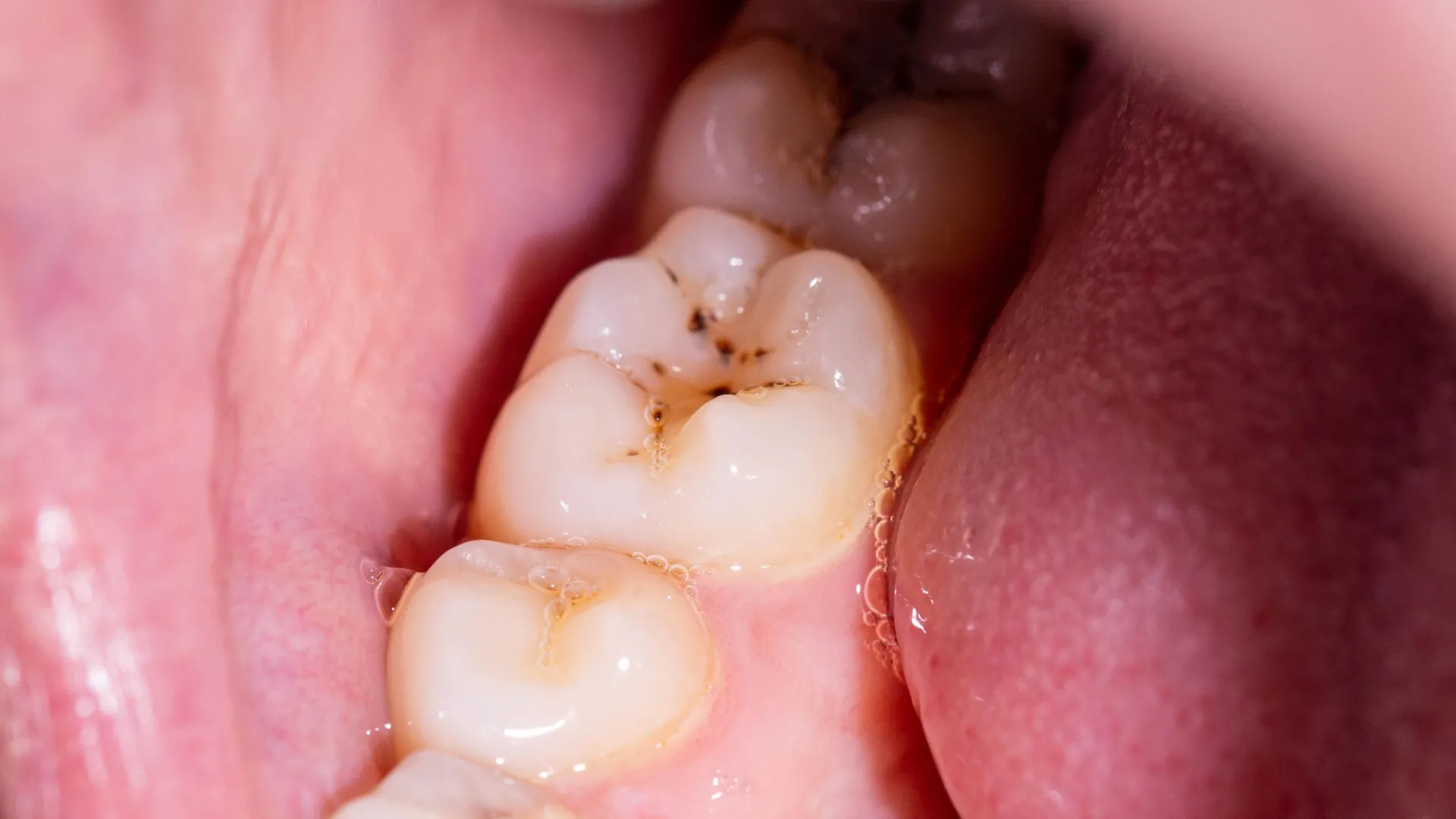
Enamel loss is not merely an aesthetic concern; it is a fundamental contributor to a wide spectrum of dental ailments, including tooth decay, cavities, and erosion. These conditions affect a staggering percentage of the global population, with estimates suggesting that nearly half of all individuals experience some form of dental disease. The consequences of severe dental disease are profound, ranging from chronic pain and persistent infection to the ultimate loss of teeth.
Furthermore, the connection between oral health and systemic well-being is increasingly recognized. Poor oral hygiene and untreated dental conditions have been linked to a heightened risk of developing or exacerbating serious health issues, including diabetes and cardiovascular disease. This underscores the critical importance of effective strategies for preventing and treating enamel damage.
Enamel, despite being the hardest tissue in the human body, possesses a critical vulnerability: it lacks living cells. This means that once enamel is lost due to physical abrasion, chemical erosion from acidic foods and drinks, or the effects of bacteria, it cannot regenerate itself. This inherent limitation has long posed a significant challenge for dental professionals and patients alike.
Advancing Beyond Current Treatments: A New Era of Restorative Dentistry
Current dental interventions for enamel loss, while valuable, have historically been limited in their scope. Fluoride varnishes and other remineralization treatments can effectively strengthen existing enamel, making it more resistant to acid attacks, and can help to alleviate some symptoms of sensitivity. However, they do not possess the capability to truly replace the original, complex mineral structure of enamel that has been lost.
The Nottingham researchers’ gel represents a paradigm shift precisely because it moves beyond strengthening and towards genuine restoration. By promoting organized mineral growth that closely mimics the natural tissue, it offers a more profound and lasting solution. This ability to rebuild the tooth’s architecture at a microscopic level is what sets this innovation apart from previous therapeutic approaches.
Rigorous Testing: Rebuilt Enamel Withstands the Rigors of Daily Life
To validate the efficacy and durability of their regenerated enamel, the research team subjected it to a battery of tests designed to simulate the harsh conditions teeth encounter daily. Dr. Abshar Hasan, a Postdoctoral Fellow and lead author of the study, explained the meticulous process: "Dental enamel has a unique structure, which gives enamel its remarkable properties that protect our teeth throughout life against physical, chemical, and thermal insults. When our material is applied to demineralized or eroded enamel, or exposed dentine, the material promotes the growth of crystals in an integrated and organized manner, recovering the architecture of our natural healthy enamel."
These real-world simulations included rigorous mechanical stress tests, such as repeated brushing cycles designed to mimic thorough oral hygiene, and chewing forces that replicate the pressures exerted during mastication. The regenerated enamel was also exposed to acidic conditions, representative of the impact of acidic foods and beverages commonly consumed.
The results were remarkably encouraging. The regenerated enamel demonstrated mechanical properties that were virtually indistinguishable from those of healthy, natural enamel. This resilience suggests that the material is not only capable of repairing damage but can also withstand the daily wear and tear that teeth endure, promising long-term effectiveness in clinical applications.
The Path to Commercialization: Bringing Innovation to Patients Worldwide
With the scientific foundation firmly established and promising preclinical results in hand, the University of Nottingham team is now focused on translating their groundbreaking discovery into tangible products for patient care. Professor Alvaro Mata, Chair in Biomedical Engineering & Biomaterials and the lead investigator on the project, expressed his optimism: "We are very excited because the technology has been designed with the clinician and patient in mind. It is safe, can be easily and rapidly applied, and it is scalable. Also, the technology is versatile, which opens the opportunity to be translated into multiple types of products to help patients of all ages suffering from a variety of dental problems associated with loss of enamel and exposed dentine."
The scalability and ease of application of the gel are key factors driving its potential for widespread adoption. The researchers envision it being incorporated into a range of dental products, from professional treatments administered in dental clinics for severe enamel erosion to over-the-counter products designed to alleviate sensitive teeth. Furthermore, the material’s ability to create a strong, well-integrated surface could also lead to advancements in the durability and bonding of dental fillings and other restorative materials.
To accelerate this process, the research team has initiated the commercialization phase through their newly formed start-up company, Mintech-Bio. Their immediate goal is to develop and launch an initial product for clinical use, with the ambitious aim of making this revolutionary technology accessible to patients globally. The prospect of having a first product available within the next year signals a rapid transition from laboratory research to real-world impact, potentially transforming the landscape of dental health for millions.
Broader Implications: A Shift in Preventative and Restorative Dental Care
The implications of this development extend far beyond individual patient treatments. A successful rollout of this enamel-regenerating gel could usher in a new era of preventative and restorative dental care. By effectively addressing the root cause of many common dental issues – enamel degradation – it could significantly reduce the incidence of cavities, erosion, and the need for more invasive procedures.
This could lead to substantial cost savings for healthcare systems worldwide, as the burden of treating advanced dental diseases is considerable. Furthermore, by improving oral health, which is increasingly recognized as a critical component of overall well-being, this innovation has the potential to contribute to better public health outcomes. The ability to maintain stronger, healthier teeth throughout life could positively impact nutrition, speech, and self-esteem, leading to a higher quality of life for individuals across all age groups. The scientific community will undoubtedly be watching the progress of Mintech-Bio with keen interest as this promising technology moves toward widespread clinical application.