
Wyndham Hotels & Resorts, the world’s largest hotel franchising company by number of properties, is currently undergoing a significant structural evolution that prioritizes revenue quality over sheer volume. While the company has historically been synonymous with the economy segment—anchored by household names such as Super 8, Days Inn, and Microtel—its latest financial disclosures reveal a deliberate and systematic effort to transition its domestic portfolio toward higher-revenue midscale and extended-stay assets. This strategy was prominently highlighted during the company’s second-quarter earnings call, where executives detailed a "swap" mechanism designed to phase out lower-performing economy rooms in favor of higher-tier properties that command superior fee structures.
As of the close of the second quarter, Wyndham’s total U.S. room count remained essentially flat year-over-year, hovering at approximately 501,100 rooms. However, the stability of this headline figure masks a profound internal churn. According to CEO Geoff Ballotti, the company is aggressively focused on replacing lower-quality rooms with those that offer a higher Fee Per Available Room (FeePAR). This metric is critical for a franchisor like Wyndham, as its revenue is derived from a percentage of the gross room revenue generated by its franchisees. By shifting the portfolio mix toward midscale and upper-midscale brands, Wyndham can increase its corporate earnings even if its total property count remains stagnant.
The Financial Logic of FeePAR and Portfolio Pruning
The cornerstone of Wyndham’s current strategy is the optimization of FeePAR. In the franchising model, not all rooms are created equal. A room in an economy brand like Super 8 typically generates a lower daily rate than a room in a midscale brand like La Quinta or an upper-midscale brand like Wyndham Garden. Consequently, the royalties and marketing fees paid to the parent company are lower for the economy asset.
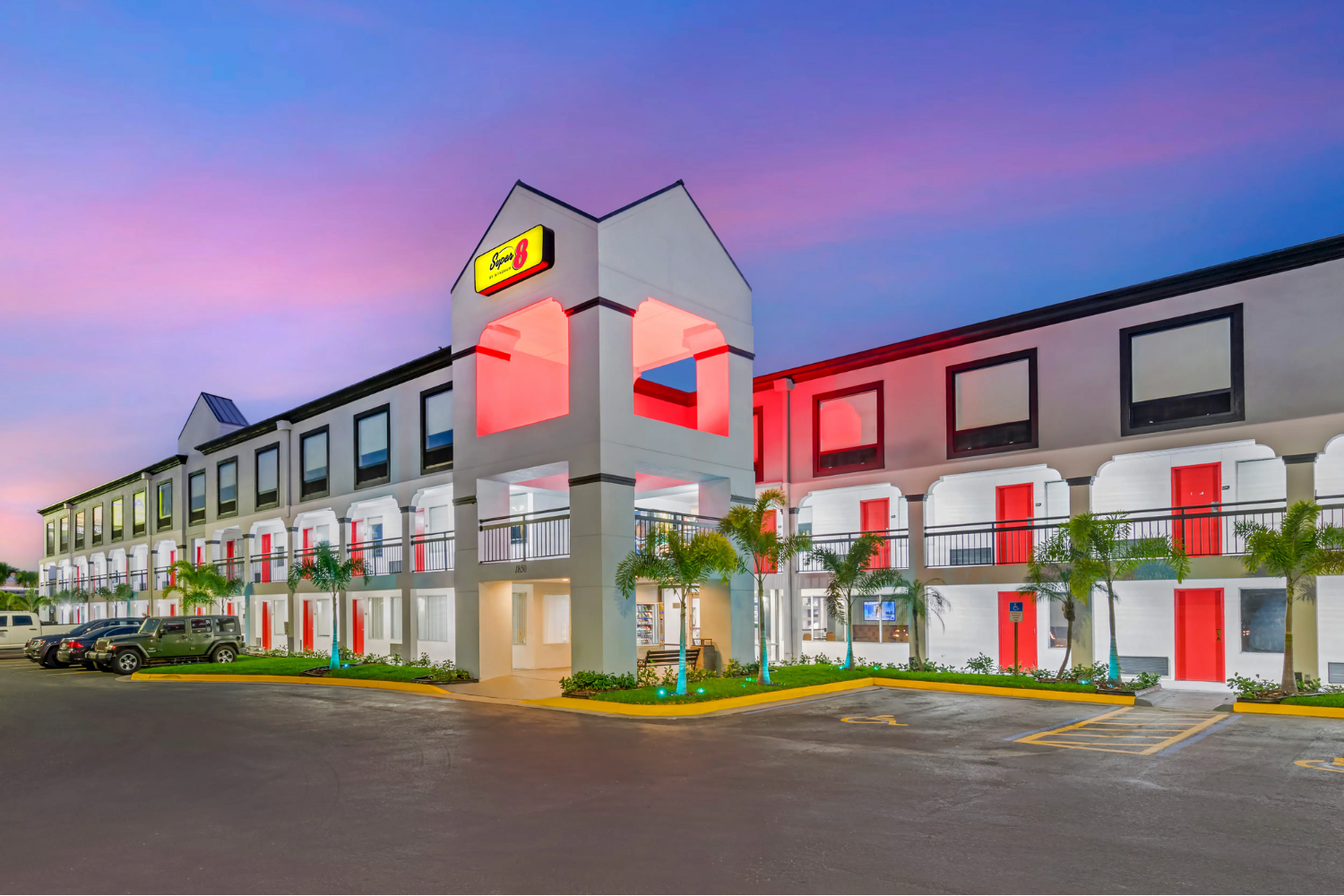
In the most recent quarter, Wyndham reported that its economy room count in the United States decreased by 3%, falling to 216,600. This contraction was not an accidental loss of market share but rather a calculated exit of properties that no longer met the company’s quality standards or financial benchmarks. Simultaneously, the company saw growth in its midscale and upscale segments, effectively offsetting the losses in the budget category.
Ballotti emphasized that this is a "deliberate portfolio overhaul." By removing "lower-quality, lower-FeePAR rooms," Wyndham is attempting to insulate its balance sheet from the volatility of the extreme budget segment, which has faced increased pressure from rising labor costs and shifting consumer expectations. The transition allows the company to focus its resources on brands that provide a more robust return on investment for both the franchisor and the property owners.
The Rise of Echo Suites and the Extended-Stay Boom
A pivotal component of Wyndham’s growth trajectory is its aggressive expansion into the extended-stay market, specifically through its new brand, Echo Suites Extended Stay by Wyndham. Launched in 2022, Echo Suites was designed to capture the burgeoning demand for long-term accommodations driven by the "blue-collar" workforce and large-scale infrastructure projects.
The brand has seen unprecedented interest from developers, with a pipeline that has rapidly expanded to over 270 hotels. During the second quarter, Wyndham noted that it continues to break ground on these properties at a steady pace. The significance of Echo Suites lies in its operational efficiency; these hotels require fewer staff members and offer high occupancy rates with long average lengths of stay, making them highly attractive to franchisees.
From a corporate perspective, Echo Suites properties represent the "high-quality, high-FeePAR" assets that Ballotti referenced. Because these are new-construction builds, they command higher rates and require less immediate capital expenditure for maintenance compared to the aging economy assets Wyndham is currently shedding. The success of Echo Suites is a primary reason why Wyndham’s development pipeline reached a record 245,000 rooms globally at the end of the quarter, a 7% increase year-over-year.
Chronology of the Strategic Shift
The current transformation did not happen in a vacuum. It is the result of a multi-year effort to refine the company’s identity following its spin-off from Wyndham Worldwide in 2018.
- 2018: Wyndham Hotels & Resorts becomes a standalone public company. It acquires La Quinta Holdings, a move that significantly boosted its presence in the midscale segment and signaled a departure from a purely economy focus.
- 2020-2021: During the height of the COVID-19 pandemic, Wyndham’s economy and midscale brands proved resilient compared to luxury and urban hotels, as leisure travelers opted for "drive-to" destinations. This reinforced the value of the select-service model.
- 2022: The company launches Echo Suites, entering the highly competitive extended-stay arena. It also begins a more rigorous "brand cleaning" process, terminating franchise agreements with properties that failed to meet updated brand standards.
- 2023-Early 2024: Wyndham successfully fended off a hostile takeover attempt by Choice Hotels International. The defense against the merger was built largely on the argument that Wyndham’s standalone "value-creation" plan—centered on this very pivot to midscale and high-growth brands—offered more long-term upside for shareholders than the Choice offer.
- Q2 2024: The company reports a flat U.S. room count but a significant shift in composition, confirming that the "quality over quantity" strategy is in full effect.
Market Context: Infrastructure and Labor Trends
Wyndham’s strategy is closely tied to broader macroeconomic trends in the United States. The passage of the $1.2 trillion Infrastructure Investment and Jobs Act has created a massive tailwind for the company. As construction projects begin across the country, there is a heightened need for affordable, mid-tier lodging for workers who remain on-site for weeks or months at a time.
Wyndham has positioned itself to be the primary beneficiary of this spending. By upgrading its portfolio to include more midscale and extended-stay options, it provides a product that is better suited for the modern "infrastructure traveler" than a traditional roadside economy motel.
Furthermore, the hospitality industry continues to grapple with a tightened labor market. Midscale and extended-stay properties often utilize a more streamlined operating model compared to full-service hotels. For example, extended-stay hotels typically offer limited housekeeping services, which reduces the labor burden on franchisees. This operational efficiency makes the midscale segment more sustainable in a high-wage environment, further justifying Wyndham’s move away from the labor-intensive legacy economy model.
Reactions from Shareholders and Industry Analysts
The market response to Wyndham’s Q2 earnings and strategic direction has been generally positive, though some analysts remain cautious about the flat domestic growth. Investors are closely watching RevPAR (Revenue Per Available Room) trends, which have shown signs of normalization across the industry after the post-pandemic surge.
In a recent note, industry analysts pointed out that Wyndham’s ability to grow its pipeline despite high interest rates is a testament to the strength of its brands. The fact that 95% of the company’s pipeline consists of midscale and above properties, or its Echo Suites brand, provides a clear roadmap for future earnings growth.
Franchisees have expressed a mix of reactions. While many are eager to transition to higher-tier brands like La Quinta or Echo Suites to capture higher rates, owners of legacy Super 8 or Days Inn properties face pressure to either invest significantly in renovations or risk being phased out of the system. This "upward pressure" on quality is a hallmark of Ballotti’s leadership, aimed at elevating the brand equity of the entire Wyndham umbrella.
Broader Implications for the Hospitality Industry
Wyndham’s pivot is indicative of a wider trend in the global hotel industry where the lines between "economy" and "midscale" are increasingly blurred. Major competitors like Marriott International and Hilton have also launched their own "midscale" or "premium economy" brands (such as Marriott’s StudioRes and Hilton’s Spark) to compete for the budget-conscious but quality-seeking traveler.
By shedding its lowest-performing economy rooms, Wyndham is effectively ceding the "bottom of the market" to independent motels or ultra-budget platforms, choosing instead to compete in the "sweet spot" of the industry: the select-service midscale segment. This segment offers the best balance of high margins for the franchisor and manageable operating costs for the franchisee.
The implications for travelers are equally significant. As Wyndham and its competitors move upmarket, the availability of ultra-low-cost branded hotel rooms may decrease. However, the average quality of a branded hotel stay is likely to improve as companies like Wyndham enforce stricter standards and introduce newer, purpose-built assets into their systems.
Future Outlook and Conclusion
Looking ahead to the remainder of 2024 and into 2025, Wyndham expects its portfolio transformation to accelerate. The company has reaffirmed its full-year guidance, betting on the continued rollout of Echo Suites and the steady conversion of independent midscale hotels to Wyndham brands.
The "swap" strategy—exchanging a 3% decline in economy rooms for a more profitable mix of midscale and extended-stay properties—is a bold move that prioritizes the long-term health of the brand over short-term room count growth. If successful, Wyndham will emerge not just as a leader in scale, but as a leader in profitability and brand consistency within the midscale hospitality sector.
As CEO Geoff Ballotti summarized, the goal is no longer just to be the largest, but to be the most "valuable" for the stakeholders involved. By focusing on FeePAR and higher-quality assets, Wyndham is repositioning itself for a future where the "economy" label is no longer its primary identity, but rather a foundation upon which a more sophisticated, midscale-driven empire is built.