



Southwest Airlines has reported a historic financial performance for the second quarter, generating a record-breaking $8.4 billion in revenue, representing a 16.4% increase compared to the same period in the previous fiscal year. This surge in top-line growth comes at a critical juncture for the Dallas-based carrier as it navigates a complex macroeconomic environment characterized by volatile fuel prices and shifting consumer preferences within the aviation industry. To achieve these results, the airline implemented a series of strategic maneuvers, including adjustments to airfares and specific fee structures, designed to offset the rising costs of operations and labor. Chief Executive Officer Bob Jordan highlighted that the company’s performance is a direct result of a multi-year effort to modernize its business model, moving toward a more diversified and resilient framework that prioritizes earnings optimization through enhanced network planning, product evolution, and sophisticated pricing strategies.
Financial Performance and Revenue Drivers
The $8.4 billion revenue milestone underscores Southwest’s ability to capture robust travel demand despite broader economic uncertainties. The 16.4% year-over-year growth was driven primarily by a combination of high load factors and an increase in the average fare paid by passengers. As the industry grapples with the "normalization" of travel patterns following the post-pandemic surge, Southwest has managed to maintain a competitive edge by leveraging its brand loyalty while simultaneously tightening its fiscal discipline.
A significant portion of the revenue increase can be attributed to the airline’s tactical adjustments in pricing. By employing advanced data analytics to manage yields, Southwest has been able to maximize revenue per available seat mile (RASM). Furthermore, while the airline remains famous for its "Bags Fly Free" policy—a cornerstone of its brand identity—it has optimized other ancillary revenue streams. This includes adjustments to fees for overweight or oversized luggage, as well as premium services such as EarlyBird Check-In and upgraded boarding positions. These incremental revenue gains have proven essential in cushioning the bottom line against the inflationary pressure of jet fuel, which remains one of the most volatile and significant expenses for any global carrier.
Net income for the quarter also reflected the airline’s operational efficiency, although the company continues to face headwinds from increased labor costs following the ratification of several major union contracts. Despite these expenses, the airline’s operating margin remains a point of focus for leadership, as they aim to return to industry-leading profitability levels through sustained cost control and revenue innovation.
The Strategic Pivot: Optimizing the Business Model
CEO Bob Jordan’s statement regarding the "optimization" of earnings potential signals a departure from some of the more rigid traditional practices that defined Southwest for decades. For nearly half a century, Southwest operated on a relatively simple, high-frequency, point-to-point model with a standardized fleet and a singular class of service. However, the modern aviation landscape demands greater flexibility. Jordan noted that the business model now benefits from a "broader and more diverse" approach, which includes a more sophisticated look at how the airline schedules its aircraft and interacts with its customer base.
The "optimization" strategy is built upon three primary pillars: network, products, and pricing. In terms of the network, Southwest has been aggressively re-evaluating its route map. This involves shifting capacity away from underperforming short-haul markets and toward higher-demand, longer-haul routes and leisure destinations that offer better margins. The airline has also increased its presence at major hubs and international gateways, moving slightly away from its historical reliance on secondary airports.
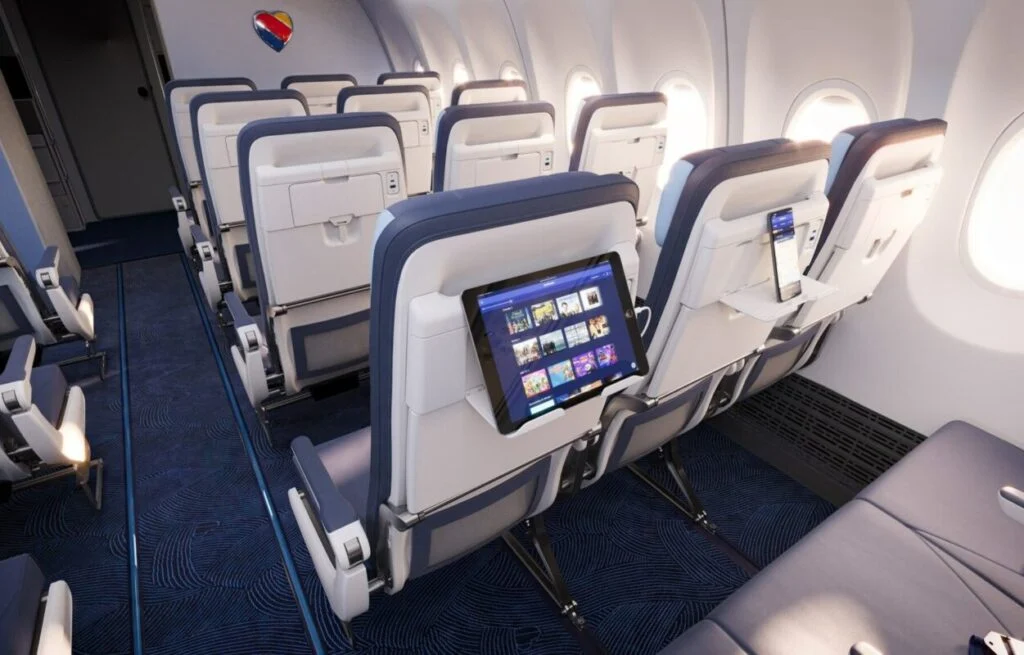
On the product front, Southwest is undergoing one of the most significant transformations in its history. The airline recently announced plans to move away from its iconic open-seating model toward assigned seating, a move intended to appeal to business travelers and families who value the certainty of a reserved spot. Additionally, the introduction of "Even More Space" or similar premium economy seating options marks a shift toward segmenting the cabin to capture higher-paying customers. These changes represent a direct response to consumer feedback and a recognition that the "one-size-fits-all" approach may no longer be the most effective way to drive unit revenue in a market where competitors like Delta and United have successfully monetized premium cabin offerings.
A Chronology of Transformation: 2022 to Present
The current financial success is the culmination of a series of pivotal events and strategic shifts that began in earnest in 2022. The timeline of Southwest’s recent evolution is marked by both crisis and calculated growth.
In late 2022, Southwest faced one of the most significant operational challenges in its history when a massive winter storm triggered a systemic collapse of its scheduling software, leading to thousands of canceled flights and a significant blow to its reputation. This event served as a catalyst for a massive $2 billion investment in technology and infrastructure. Throughout 2023, the airline focused on "winter-proofing" its operations and upgrading its legacy IT systems to ensure that its point-to-point network could withstand extreme weather events.
By early 2024, the focus shifted from operational recovery to strategic expansion. The airline began integrating more sophisticated revenue management software, allowing for more dynamic pricing. Concomitantly, the leadership team initiated a comprehensive review of the "Southwest Experience," leading to the decision to modernize aircraft interiors with improved Wi-Fi, larger overhead bins, and in-seat power—features that were once considered secondary but are now essential for maintaining market share.
The second quarter of this year represents the realization of these investments. The record revenue is not merely a reflection of high demand, but a validation of the technical and structural changes implemented over the last 24 months. The airline has moved from a defensive posture, focused on stability, to an offensive one, focused on maximizing the value of every seat flown.
Addressing Operational Headwinds and the Boeing Factor
While the financial data is positive, Southwest’s growth trajectory is inextricably linked to its relationship with Boeing. As an all-737 operator, Southwest is uniquely vulnerable to the production delays and regulatory scrutiny facing the aircraft manufacturer. The delay in the certification of the Boeing 737 MAX 7, in particular, has forced Southwest to recalibrate its capacity growth plans.
To mitigate the impact of fewer-than-expected aircraft deliveries, Southwest has had to extend the life of some of its older 737-700 aircraft, which are less fuel-efficient than the newer MAX models. This necessity creates a dual challenge: it increases maintenance costs and prevents the airline from fully realizing the fuel savings promised by a modernized fleet. Despite these hurdles, Southwest’s management has been proactive in adjusting its flight schedules to ensure that the available fleet is utilized in the most profitable manner possible.
Labor relations have also played a central role in the airline’s cost structure. Over the past year, Southwest has reached landmark agreements with its pilots, flight attendants, and ground crews. While these contracts ensure operational stability and recognize the hard work of the airline’s employees, they represent a significant increase in fixed costs. The airline’s ability to generate record revenue is therefore vital to maintaining its margins in the face of these higher wage scales.
Market Reactions and Stakeholder Perspectives
The reaction from the investment community to Southwest’s Q2 results has been one of cautious optimism. Analysts have praised the airline’s aggressive move toward revenue optimization and its willingness to reconsider long-standing traditions like open seating. However, some market observers remain concerned about the rising cost per available seat mile (CASM) excluding fuel, which has trended upward due to labor and maintenance expenses.
Industry analysts suggest that Southwest is successfully navigating a "mid-life crisis" of its business model. By evolving from a pure low-cost carrier (LCC) into a "value-based" carrier that offers more premium-like amenities, Southwest is positioning itself to compete more effectively for high-value corporate contracts. This shift is seen as necessary as the gap between LCCs and legacy carriers narrows, with legacy airlines introducing "Basic Economy" to compete on price and LCCs adding "Premium" options to compete on service.
Internal reactions from Southwest employees have been mixed but generally supportive of the growth. While some longtime staff members are sentimental about the change in seating policy, there is a broad recognition that the airline must adapt to survive in a hyper-competitive market. The record revenue figures serve as a morale booster, indicating that despite the challenges of the past few years, the airline remains a dominant force in American aviation.
Broader Implications for the Aviation Industry
Southwest’s performance and its subsequent strategic pivot offer a blueprint for the future of the domestic airline industry. The transition toward a more "diversified" model suggests that the era of the pure-play low-cost carrier may be evolving into something more complex. As consumers demand more choice—ranging from the most basic, budget-friendly fares to premium experiences with extra legroom and priority boarding—airlines must be able to provide a spectrum of products.
The emphasis on network optimization also highlights a broader trend of airlines becoming more disciplined with capacity. Rather than chasing market share at any cost, carriers like Southwest are focusing on "profitable growth." This discipline is likely to lead to more stable airfares for the industry at large but may result in reduced service to smaller, less profitable regional airports.
Furthermore, Southwest’s heavy investment in technology serves as a reminder to the industry that operational resilience is just as important as revenue generation. In an era of climate volatility and complex global supply chains, the ability to maintain a reliable schedule is a key differentiator for customers.
Future Outlook: Sustaining Momentum
Looking ahead, Southwest Airlines faces the challenge of maintaining its record-setting momentum in an environment where economic growth may cool. The airline’s leadership remains confident that the changes to its pricing and product offerings will continue to yield dividends. The rollout of assigned seating and premium cabin options will be a multi-year process, requiring significant modifications to the existing fleet and a massive marketing effort to re-educate the public on what to expect when flying Southwest.
The airline also intends to continue its focus on sustainability, with goals to reduce carbon emissions and invest in sustainable aviation fuel (SAF). These initiatives, while costly in the short term, are increasingly important for long-term viability as both regulators and consumers place a higher premium on environmental responsibility.
In conclusion, Southwest Airlines’ record $8.4 billion second-quarter revenue is a testament to the company’s resilience and its willingness to evolve. By focusing on the optimization of its network, products, and pricing, the carrier is not only addressing the immediate pressures of fuel and labor costs but is also laying the groundwork for a new chapter in its storied history. As it moves away from some of its founding traditions in favor of a more modern, data-driven approach, Southwest is signaling its intent to remain a leader in the skies for decades to come, proving that even the most established business models must adapt to the changing tides of the global economy.