


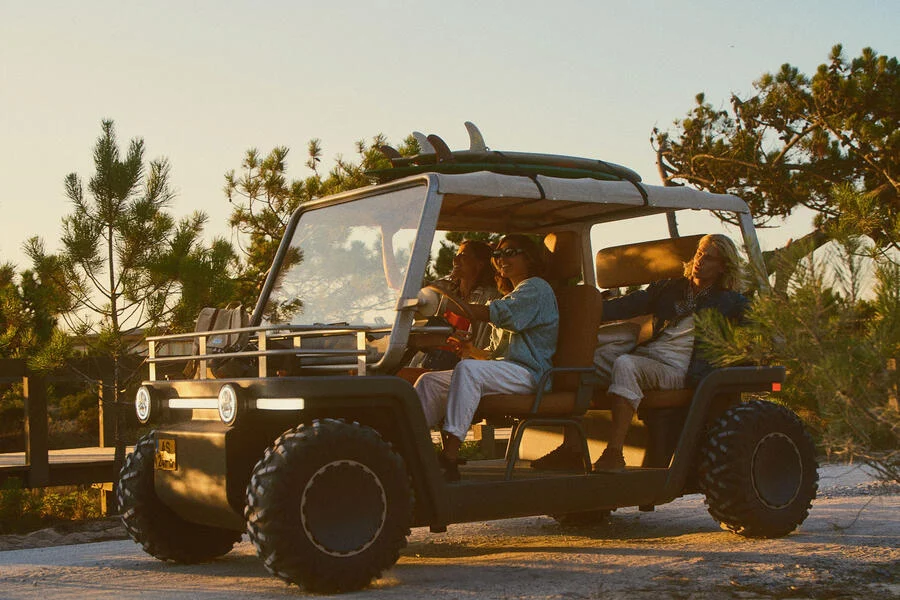
The European automotive landscape is currently witnessing a transformative shift toward micromobility, driven by a combination of tightening urban emissions regulations and a growing demand for specialized, lightweight transport solutions. At the forefront of this movement is Amble, a Portuguese startup that has officially debuted its first vehicle, "The One." This sub-450kg quadricycle represents a significant departure from conventional microcar design, blending the utilitarian ruggedness of a classic off-roader with the minimalist aesthetic sensibilities of high-end consumer technology. The project is led by Julian Hoenig, a designer whose portfolio includes some of the most iconic industrial designs of the 21st century, ranging from the Audi R8 supercar to the Apple Watch.
A New Vision for the L7e Quadricycle Category
The Amble One is homologated under the European Union’s L7e heavy quadricycle standard. This regulatory framework allows for vehicles that are more substantial than the L6e "light quadricycle" class (such as the Citroën Ami) but remain significantly smaller and lighter than traditional passenger cars (M1 category). By adhering to the L7e standard, the Amble One occupies a similar market space as the Microlino—a modern interpretation of the Isetta—and the pioneering but now discontinued Renault Twizy.
However, where previous entrants in this category have focused primarily on urban commuting or "bubble car" nostalgia, Amble has pivoted toward a "go-anywhere" philosophy. The One is engineered to handle a wide variety of terrains and climates, making it as suitable for the rugged coastal paths of Portugal as it is for the manicured grounds of a luxury resort or the snowy trails of an Alpine village. This versatility is central to Amble’s strategy of redefining the microcar not just as a tool for city dwellers, but as a multipurpose vehicle for the hospitality, leisure, and adventure sectors.
The Design Pedigree of Julian Hoenig
The involvement of Julian Hoenig has brought immediate international attention to the startup. Hoenig’s career trajectory is a unique bridge between the traditional automotive world and the cutting-edge tech industry. During his tenure at Audi, he was responsible for styling the Audi RSQ concept, a futuristic vehicle famously featured in the 2004 science fiction film I, Robot. He followed this with the design of the first-generation Audi R8, a car credited with elevating Audi into the ranks of world-class supercar manufacturers. His influence also extended to high-volume models like the fourth-generation Audi A4 and the original Audi Q3.
Following his success in Ingolstadt, Hoenig moved to Cupertino to join Apple’s elite industrial design team. There, he played a pivotal role in the creation of the Apple Watch, a product that required a deep understanding of human-centric design, materials science, and the intersection of hardware and software.
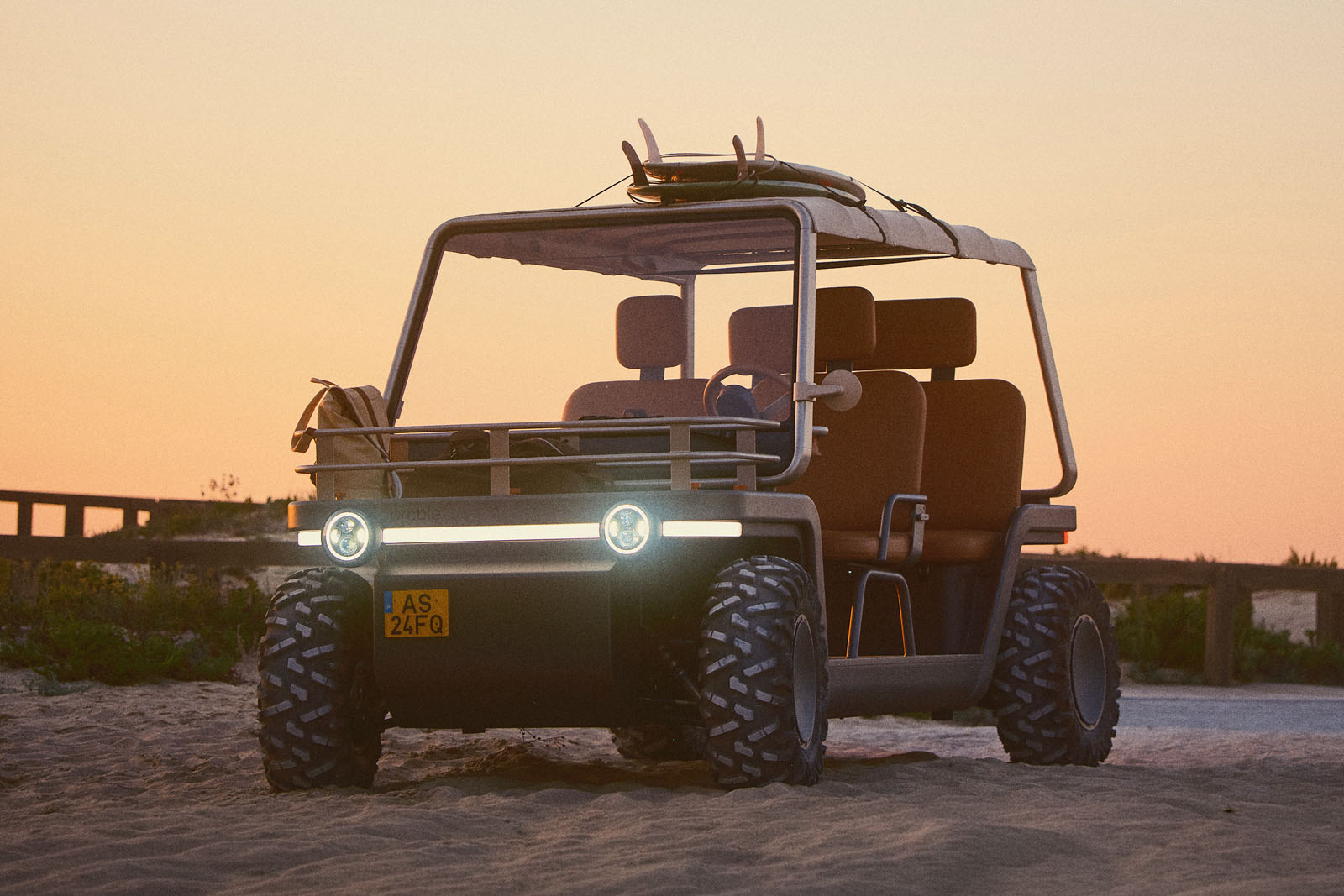
With the Amble One, Hoenig has applied these diverse experiences to a minimalist platform. The vehicle’s aesthetic is intentionally stripped back, drawing inspiration from NASA’s Lunar Roving Vehicle (LRV) used during the Apollo missions of the 1960s and 70s. This "form follows function" approach is complemented by nods to legendary off-roaders such as the Series I Land Rover and the 1972 Ford Bronco. The result is a vehicle that avoids the "overstyled" look common in modern automotive design, opting instead for a stance and proportion that suggests durability and ease of use.
Chronology of Development: From Golf Buggy to Road-Legal Transport
The genesis of Amble dates back approximately four years. The project was initially sparked by a specific request from a contact of Hoenig’s within the luxury hotel industry. The requirement was for a golf buggy that could transport guests around high-end resorts without the flimsy, utilitarian feel of standard fleet carts.
Upon researching the existing market, Hoenig found a significant gap. Most available options were either too basic for a luxury setting or lacked the engineering integrity required for diverse applications. As the design progressed, the team recognized that the vehicle’s potential extended far beyond private estates. By making the vehicle road-legal under the L7e framework, they could tap into a much larger market of private owners and commercial operators.
This realization led to the formal founding of Amble. The development phase focused on balancing the lightweight requirements of the L7e class—which mandates a maximum curb weight of 450kg (excluding batteries for electric versions)—with the structural rigidity needed for light off-roading. The transition from a resort-specific cart to a road-legal quadricycle required rigorous attention to safety standards and lighting, braking, and steering systems compatible with European road use.
Engineering Specifications and Performance
While the L7e regulations permit a maximum speed of 90 km/h (approximately 56 mph), Amble has made the strategic decision to limit the One to 65 km/h (40 mph). This decision reflects the vehicle’s intended use cases. In resort environments, coastal towns, and urban centers, high top speeds are rarely necessary and often counterproductive to safety and energy efficiency. By capping the speed, Amble can optimize the electric drivetrain for torque and battery longevity, ensuring the vehicle has the "grunt" needed for off-road inclines while maintaining a practical daily range.
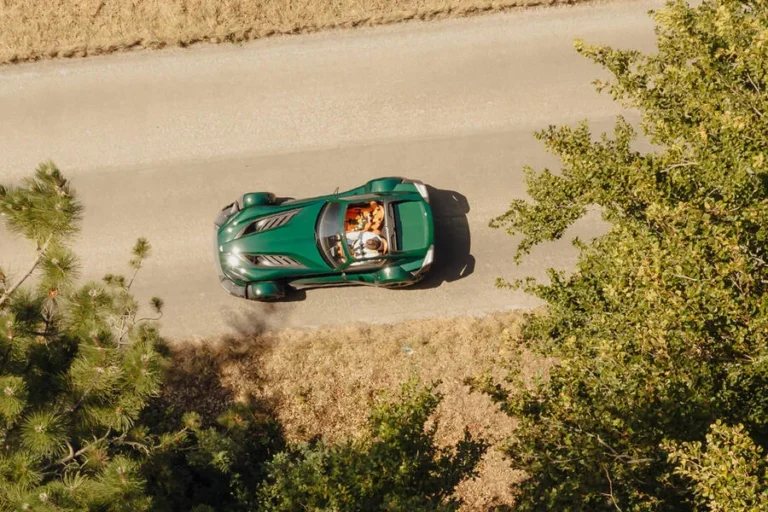
The One features an open-sided configuration, a direct legacy of its golf-cart origins. This design choice is intended to foster a sense of "connection to nature," according to the company. The ease of ingress and egress makes it an ideal "hop-on, hop-off" vehicle for short errands or resort transfers. To address the realities of varied weather conditions, Amble will offer a "full" weather protection package, which includes a high-quality canvas roof and side enclosures. This adaptability allows the vehicle to operate in diverse environments, from sun-drenched Mediterranean beaches to northern European ski resorts.
Strategic Vision and Market Implications
Amble co-founder Adrien Roose has articulated a vision for the company that goes beyond mere vehicle manufacturing. Roose suggests that the "bubble" provided by traditional modern cars—with their thick pillars, soundproofing, and isolation—contributes to a sense of disconnection between drivers and their communities. By keeping the Amble One open and accessible, the company aims to create "friendlier ecosystems" where drivers and pedestrians are more aware of one another.
This social-centric approach to mobility is gaining traction in urban planning circles. As cities move toward "15-minute city" models, the need for 2.5-ton SUVs for local errands is increasingly questioned. The Amble One provides a middle ground: it offers more protection and capability than a moped or bicycle, yet occupies a fraction of the space of a standard car.
The startup is already looking toward the future. Roose has confirmed that development is underway for a second model. While the One is designed for open-air utility, the upcoming model is expected to feature a more traditional body style with enhanced weather protection, specifically tailored for the harsher climates of Northern Europe. This suggests that Amble intends to build a modular ecosystem of vehicles based on a shared lightweight architecture.
Supporting Data: The Rise of the Micro-EV Market
The launch of the Amble One comes at a time of significant growth for the quadricycle market. According to industry analysts, the European micro-EV market is expected to grow at a compound annual growth rate (CAGR) of over 10% through 2030. Factors driving this include:
- Urbanization: By 2050, nearly 84% of the European population is expected to live in urban areas, increasing the demand for space-efficient transport.
- Sustainability Mandates: With the EU’s "Fit for 55" program aiming for a 55% reduction in emissions by 2030, lightweight vehicles offer a lower lifecycle carbon footprint compared to full-sized electric cars.
- The "Second Car" Replacement: Many households are looking to replace a secondary internal combustion engine (ICE) vehicle with a smaller, more affordable electric alternative for local trips.
The L7e category specifically offers a unique advantage for startups like Amble. The regulatory hurdles and crash-testing requirements for quadricycles, while present, are less cost-prohibitive than those for M1-class passenger cars. This allows smaller, design-led firms to bring innovative products to market more quickly and at a lower price point than traditional OEMs.
Conclusion and Industry Outlook
The Amble One is more than a niche luxury toy; it is a serious attempt to apply world-class automotive and tech design principles to the smallest segment of the road-legal market. By leveraging the expertise of Julian Hoenig, Amble is challenging the perception of microcars as "cheap" or "compromised" vehicles. Instead, they are positioning the quadricycle as a premium, specialized tool for a modern lifestyle.
As the company moves from the reveal of the One into full-scale production and distribution, the industry will be watching closely to see if the "connection to nature" and "open-air" philosophy resonates with consumers outside the luxury resort niche. If successful, Amble could pave the way for a new generation of lightweight, design-forward vehicles that prioritize efficiency and community interaction over raw power and isolation. The project stands as a testament to the idea that the future of mobility may not just be about going faster or further, but about moving more thoughtfully within our immediate environments.