


The landscape of financial services within the global hospitality sector is undergoing a significant transformation, marked most recently by InterContinental Hotels Group (IHG) launching a co-branded debit card in partnership with Revolut and Visa. This move signals a broader strategic pivot by major travel brands toward the United Kingdom’s unique financial ecosystem. IHG’s entry into the market follows a rapid succession of similar launches from other industry titans, including Hilton in 2024 and Marriott International in 2025. With United Airlines also introducing a UK-specific debit product in March 2024, the trend highlights a growing consensus among travel executives that the British market represents a primary frontier for loyalty-based financial products.
The emergence of these debit products is particularly noteworthy because, for many of these hotel groups, the UK offerings represent their only debit-based financial instruments globally. In most other territories, specifically the United States, travel loyalty is traditionally tethered to high-interest credit cards. The sudden influx of debit options in the UK suggests a calculated response to local consumer behavior, regulatory environments, and the rising influence of financial technology (fintech) platforms. Paul Proctor, IHG’s Senior Vice President of Global Loyalty and Partnerships, emphasized that the UK is a "particularly attractive market" due to the overwhelming dominance of debit cards as the primary method for everyday transactions.
A Chronology of the UK Travel Debit Expansion
The timeline of this market shift illustrates how quickly the "debit-first" strategy has gained momentum among global travel brands. While co-branded credit cards have existed in the UK for decades, the pivot to debit began in earnest in 2024.
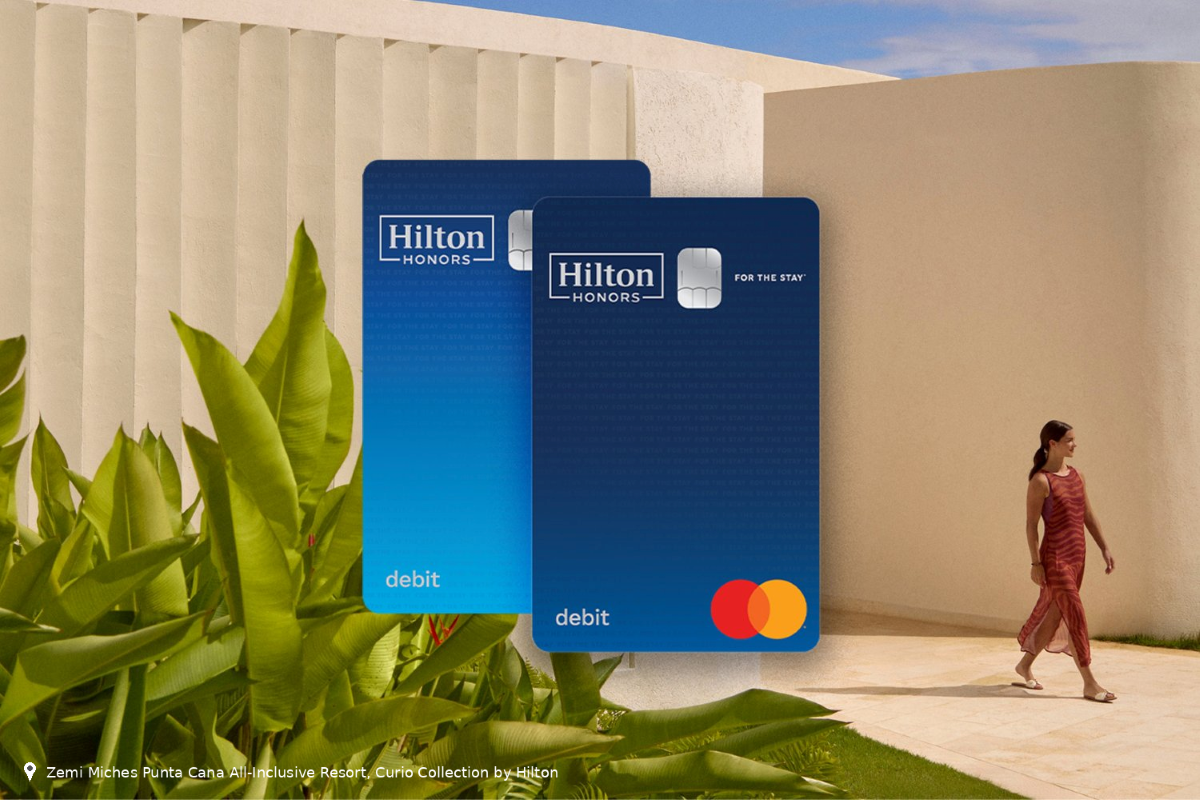
In early 2024, Hilton became the first major hotel group to break the mold by launching its co-branded debit card. Unlike traditional banking products, Hilton partnered with Currensea, a direct-debit travel card specialist, to allow consumers to link the card to their existing bank accounts. This removed the friction of opening a new bank account while allowing users to earn Hilton Honors points on daily spending.
Following Hilton’s lead, United Airlines entered the fray in March 2024. As one of the major "Big Three" US carriers, United’s decision to launch a UK debit card—rather than a credit card—was seen as a litmus test for whether airline loyalty could be successfully decoupled from credit products in international markets.
By 2025, Marriott International joined the movement, launching its Marriott Bonvoy debit card. This launch solidified the trend, proving that the world’s largest hotel companies viewed the UK’s debit infrastructure as a vital component of their international growth strategy. The cycle was most recently completed by IHG, which chose a different path by partnering with the neo-bank giant Revolut, leveraging Revolut’s massive existing user base in the UK to integrate IHG One Rewards directly into a digital-first banking experience.
Understanding the "Debit Country" Phenomenon
The primary driver behind this shift is the fundamental difference between how American and British consumers handle their finances. While the US market is heavily oriented toward credit and debt-based rewards, the UK is increasingly characterized as a "debit country."
According to the UK Finance Payment Markets 2025 report, debit cards accounted for a staggering 26.1 billion payments in 2024. This figure represents over half of all financial transactions made within the country. The report further forecasts that this dominance will only increase, with debit transactions expected to reach 30.6 billion by 2034. Currently, almost every adult in the UK holds at least one debit card, and for the vast majority, it serves as the default payment method for everything from morning coffee to high-value electronics.
This saturation of the debit market provides a massive, untapped pool of data and loyalty engagement for travel brands. By attaching a loyalty program to a debit card, companies like IHG and Hilton can capture "everyday spend" data that was previously invisible to them. When a customer uses a co-branded debit card at a local supermarket or for a utility bill, the hotel group maintains a constant presence in the consumer’s daily life, rather than just during the two or three times a year the consumer books a hotel stay.
Strategic Alliances: The Role of Fintech and Open Banking
The rapid rollout of these products has been facilitated by the UK’s advanced fintech infrastructure and "Open Banking" regulations. These regulations allow third-party providers to access financial data from traditional banks (with consumer consent), making it easier for brands to offer financial products without becoming banks themselves.
The partnerships chosen by these hotel groups reflect two distinct strategies:
-
The Integration Model (IHG and Revolut): By partnering with Revolut, IHG is tapping into a pre-existing ecosystem of tech-savvy users. Revolut’s platform allows for seamless currency exchange and digital-first features that align with the needs of frequent travelers. For IHG, this partnership provides immediate access to millions of potential loyalty members who are already comfortable managing their finances via an app.
-
The Overlay Model (Hilton, Marriott, and Currensea): Hilton and Marriott opted for a partnership with Currensea, which uses Open Banking to link a branded debit card to a user’s existing high-street bank account (such as Barclays, HSBC, or Lloyds). This model is highly effective for the UK market because it does not require the consumer to switch banks or manage a new balance. It simply "layers" the rewards program on top of their existing financial habits.
These fintech collaborations allow hotel groups to bypass the traditional hurdles of the banking industry, such as complex credit checks and the high capital requirements of issuing credit.
Economic and Regulatory Drivers
Beyond consumer preference, there are significant economic reasons why travel brands are favoring debit cards in the UK over credit cards. In the United States, credit card issuers charge high interchange fees to merchants, a portion of which is used to fund lucrative "points" and "miles" programs. However, in the UK and the European Union, interchange fees are strictly capped by regulation (typically 0.2% for debit and 0.3% for credit).
Because the margins on credit card fees are so thin in the UK, it is difficult for banks to offer the same level of aggressive rewards found in the US. Debit cards, while having even lower interchange fees, offer a lower-risk profile for the issuer. There is no credit risk, no need for debt collection, and a much higher frequency of use. For a brand like Marriott or IHG, the goal is not necessarily to profit from interest rates on debt, but to drive "stickiness" in their loyalty programs. The debit card serves as a marketing tool that pays for itself through data acquisition and increased brand preference.
Official Responses and Market Reactions
Industry leaders have been vocal about the necessity of adapting to local financial cultures. Paul Proctor of IHG noted that the goal of the Revolut partnership was to make the IHG One Rewards program "part of the daily fabric" of their members’ lives. By rewarding "non-travel spend," these companies are attempting to shorten the "earn-to-burn" cycle—the time it takes for a customer to earn enough points for a free night’s stay.
Financial analysts suggest that this trend is also a defensive move against "loyalty fatigue." With consumers facing a cost-of-living crisis, the ability to earn travel rewards on essential daily spending—without the risk of accumulating high-interest credit card debt—is an attractive value proposition. Market reactions indicate that younger demographics, specifically Gen Z and Millennials in the UK, are more credit-averse than previous generations, making the debit-based rewards model the most viable way to capture their long-term loyalty.
Broader Implications for the Travel Industry
The UK’s experiment with travel debit cards is being closely watched by global observers. If the model continues to show success in 2025 and beyond, it is highly likely that similar products will be rolled out across the Eurozone, where debit card usage is also high and interchange fees are similarly capped.
Furthermore, this shift represents the "fintech-ization" of the hospitality industry. Hotel groups are no longer just providers of lodging; they are becoming lifestyle platforms that integrate travel, technology, and personal finance. The data collected from these debit transactions will allow hotel groups to create highly personalized marketing campaigns. For example, if a debit card’s data shows a member frequently spends at high-end restaurants, the hotel group can offer targeted promotions for their luxury brands like InterContinental or Ritz-Carlton.
The transition to debit also levels the playing field for consumers who may not qualify for premium credit cards. By removing the credit-score barrier, IHG, Hilton, and Marriott are democratizing their loyalty programs, allowing a wider segment of the population to accumulate points. This inclusivity is expected to bolster membership numbers and increase the overall valuation of these loyalty programs, which are often cited as the most valuable assets on a hotel company’s balance sheet.
As the UK Finance projections suggest, the move toward a cashless, debit-centric society is permanent. For global hospitality giants, the launch of these co-branded debit cards is not just a localized marketing tactic, but a fundamental realignment of how they interact with consumers in a digital age. The UK market, with its unique blend of high debit penetration and advanced fintech adoption, has become the global laboratory for the future of travel loyalty.