
The Lancia Thesis remains one of the most significant yet commercially enigmatic chapters in the history of the Italian automotive industry. Representing a massive capital investment by Fiat Auto at the turn of the millennium, the Thesis was conceived not merely as a successor to the Lancia Kappa, but as a sophisticated technological flagship capable of reclaiming Lancia’s historical status as a purveyor of "high-culture" luxury. Developed on a bespoke chassis with a level of engineering attention rarely seen in the brand’s modern era, the vehicle aimed to disrupt the dominance of the German "Big Three"—the BMW 5 Series, Mercedes-Benz E-Class, and Audi A6. However, despite its pioneering technology and opulent interior, the Thesis concluded its eight-year production run with fewer than 20,000 units manufactured, serving as a poignant case study in the complexities of brand perception and market positioning.
The Genesis of the Thesis: From Dialogos to Production
The conceptual roots of the Lancia Thesis can be traced back to the 1998 Turin Motor Show, where Lancia unveiled the Dialogos concept car. Designed under the direction of Mike Robinson, the Dialogos was a radical departure from contemporary automotive trends. It featured a high waistline, a prominent vertical grille reminiscent of the 1930s Lancia Aprilia, and a cabin designed to function as a "mobile living room," complete with rotating seats and a wooden floor. The concept was intended to celebrate Lancia’s centenary by looking backward at its heritage while looking forward toward a futuristic, stress-free driving experience.
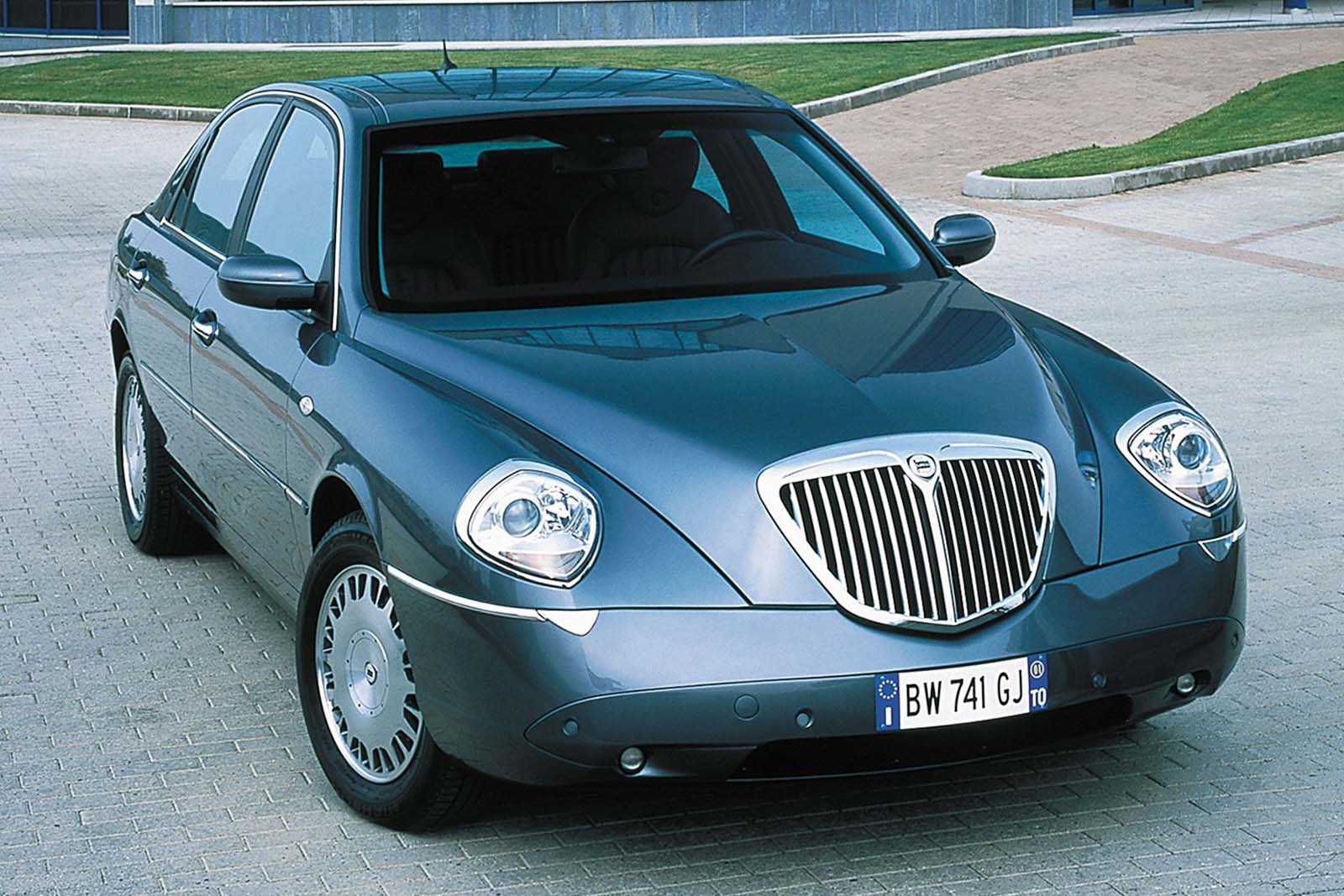
When the production-ready Thesis (Type 841) debuted at the 2001 Geneva Motor Show, it carried much of the Dialogos’s DNA, albeit tempered for mass-market feasibility. The name "Thesis" was chosen to signify a scholarly proposition or a statement of intent. Unlike many of its contemporaries within the Fiat Group, which often shared platforms to save costs, the Thesis was granted a unique, dedicated chassis. This decision underscored Fiat’s commitment to making the Thesis a legitimate contender in the premium E-segment.
Technical Sophistication and Engineering Benchmarks
The engineering brief for the Thesis focused on "stress-free" motoring, a philosophy that dictated every aspect of its mechanical layout. To compete with the refined ride quality of the Mercedes E-Class, Lancia engineers implemented a sophisticated multi-link suspension system both front and rear. This setup was notably shared in its fundamental architecture with the Maserati Spyder, GranTurismo, and Quattroporte of the era.
Central to its ride quality was the "Skyhook" adaptive damping system, developed in collaboration with Sachs. This system utilized multiple sensors to monitor wheel and body movement, adjusting the damping rates in milliseconds to counteract pitch and roll. At the time, such technology was largely reserved for high-end sports cars or flagship luxury limousines like the Mercedes S-Class.
The Thesis also served as a laboratory for Lancia’s technological firsts. It was the first model in the brand’s history to feature radar-guided adaptive cruise control, a system provided by Bosch that allowed the vehicle to maintain a set distance from the car ahead. Other advanced features included an electronic parking brake—a rarity in 2001—bi-xenon headlamps, and a solar-cell sunroof that could power the ventilation system while the car was parked, keeping the interior cool under the Mediterranean sun.
Powertrain Specifications and Performance Data
Lancia offered a diverse range of engines to cater to the European executive market, focusing on smooth power delivery rather than outright sports performance. The initial lineup included:
- 2.0-liter Turbocharged 20V Inline-5: Producing 185 hp, this engine provided a balance of tax-efficient displacement and forced-induction torque.
- 2.4-liter 20V Inline-5: A naturally aspirated unit delivering 170 hp, known for its distinctive five-cylinder acoustic signature.
- 3.0-liter "Busso" V6: Sourced from Alfa Romeo, this legendary 215 hp engine provided the Thesis with the prestige of a six-cylinder powerhouse, though it was later replaced.
- 3.2-liter V6: The final evolution of the Busso V6, producing 230 hp, which served as the range-topping engine from 2003 onwards.
- 2.4-liter JTD Multijet Diesel: Recognizing the dominance of diesel in the European executive sector, Lancia offered various iterations of this five-cylinder turbodiesel, ranging from 150 hp to 185 hp.
While the engines were capable, the Thesis was a heavy vehicle, with curb weights often exceeding 1,800 kg. This mass, combined with the comfort-oriented calibration of its five-speed Comfortronic automatic transmission, meant the Thesis was a grand tourer rather than a sport sedan.
Design Philosophy: A Polarizing Aesthetic
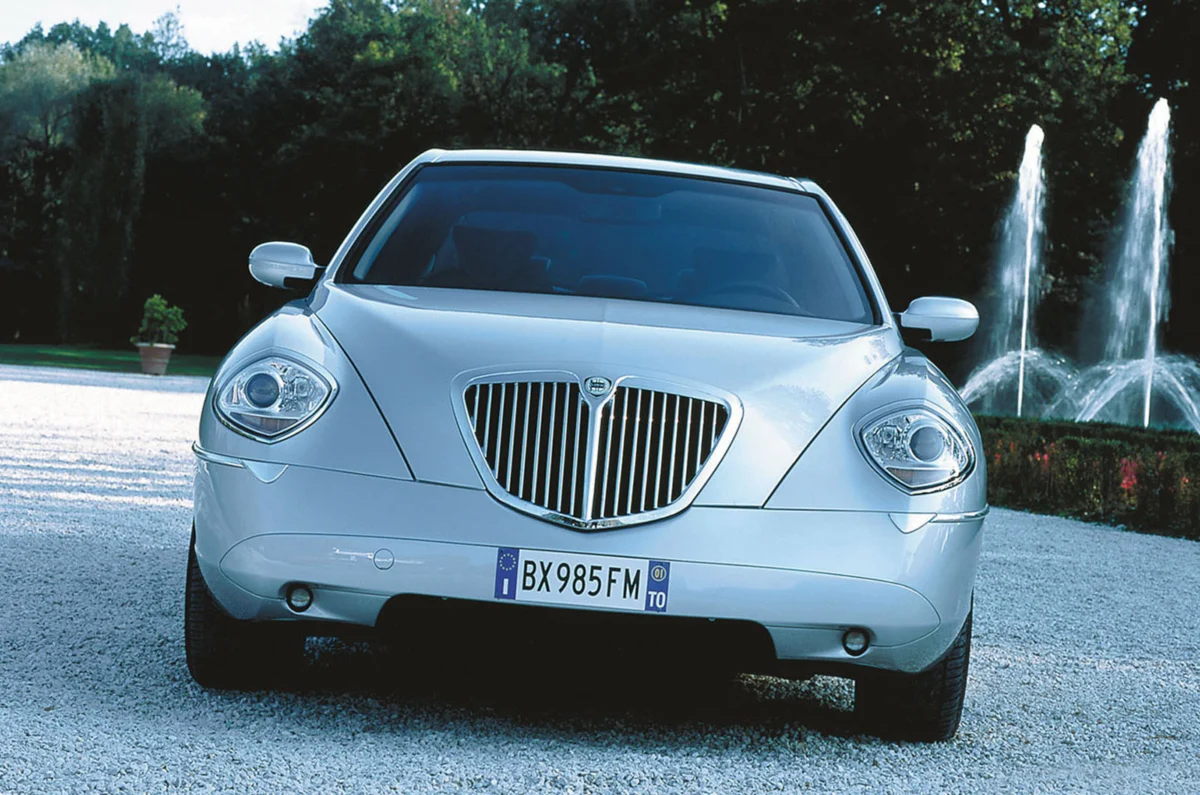
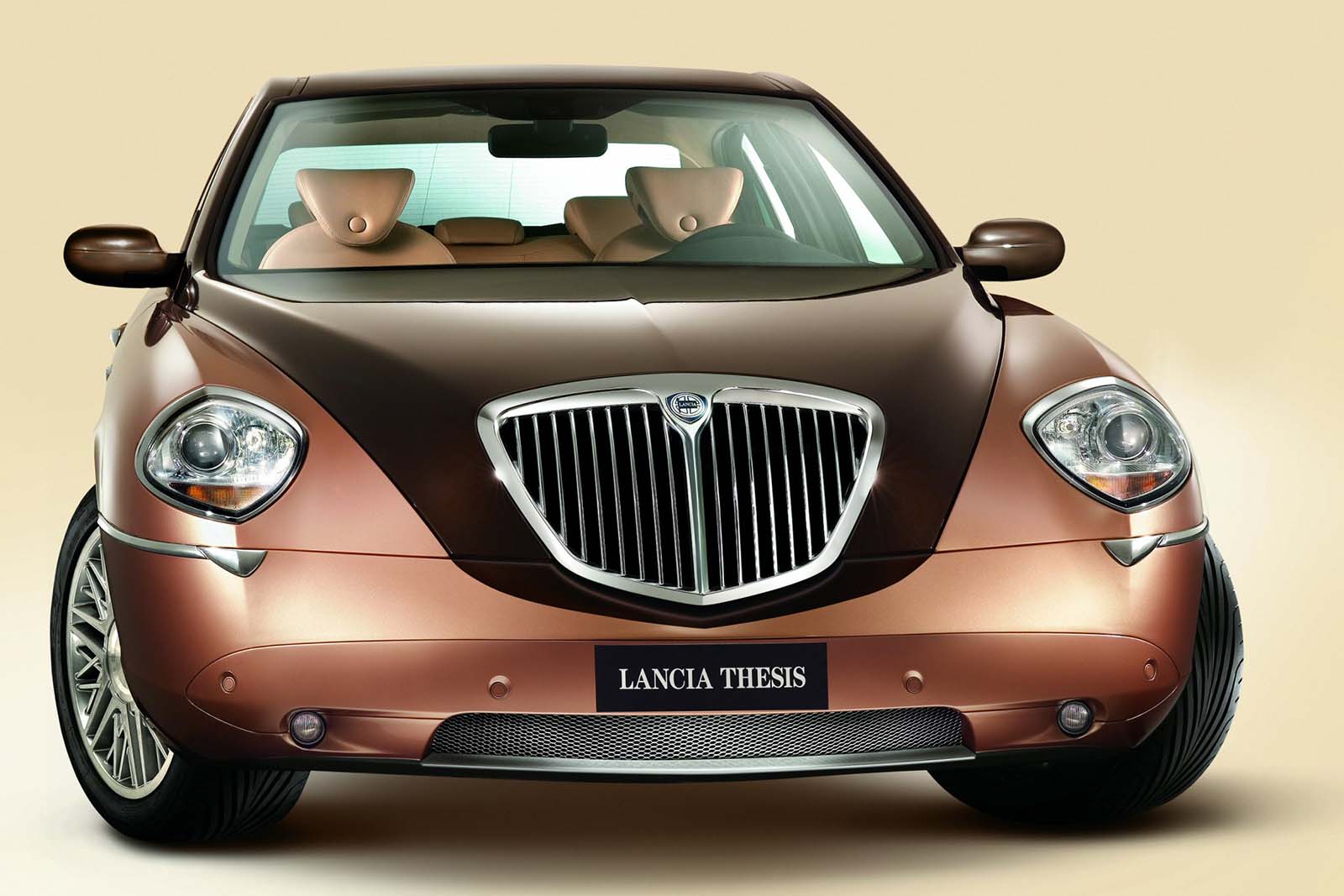
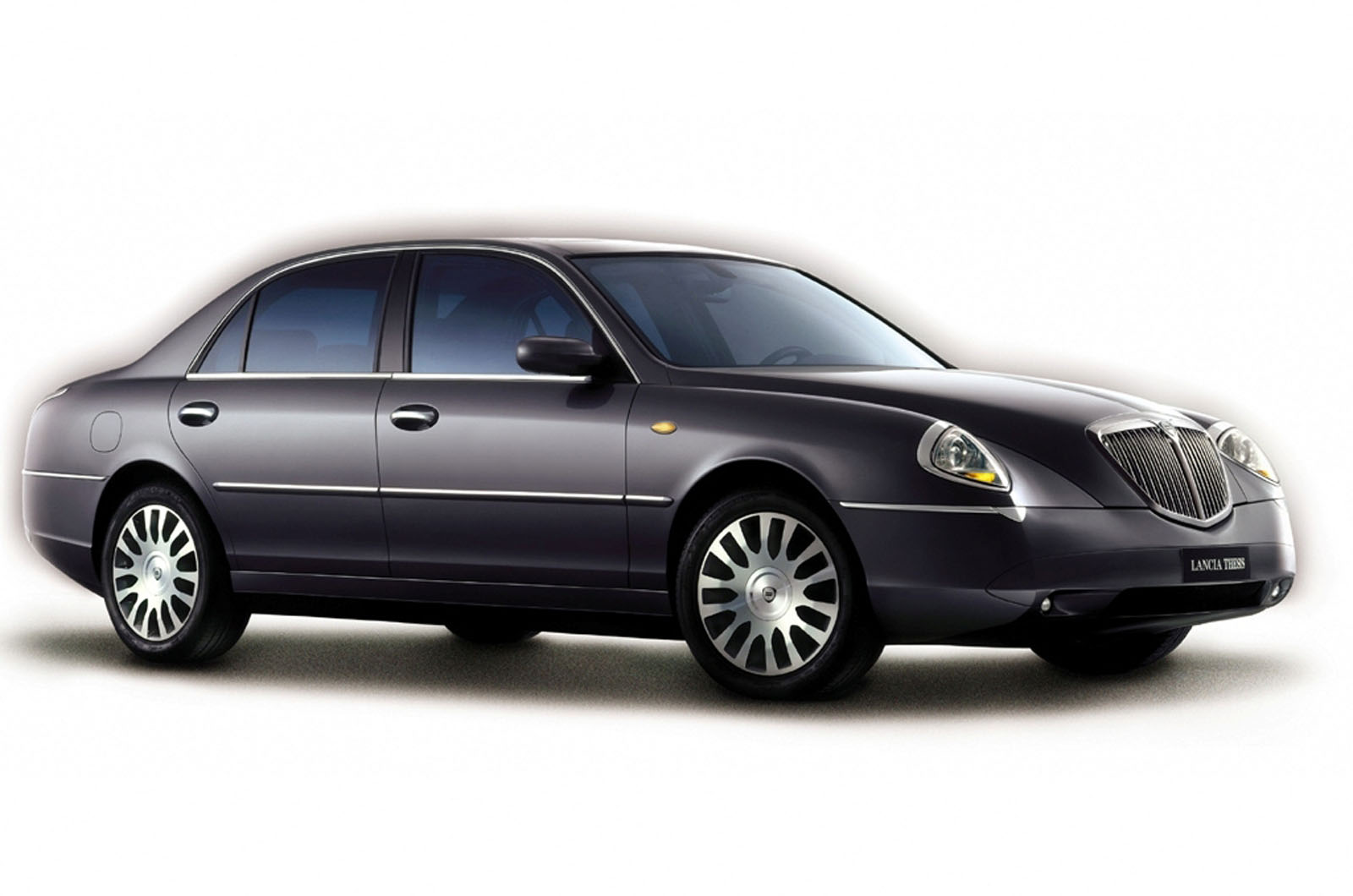
The design of the Thesis remains its most debated characteristic. The front end is dominated by a large, upright chrome grille shaped like a medieval shield, flanked by almond-shaped headlamps that sit atop the fenders rather than being integrated into the front fascia. This "retro-futuristic" look was intended to evoke the elegance of pre-war coachbuilding, but it proved polarizing in a market that was increasingly moving toward sharp, aggressive, and aerodynamic styling.
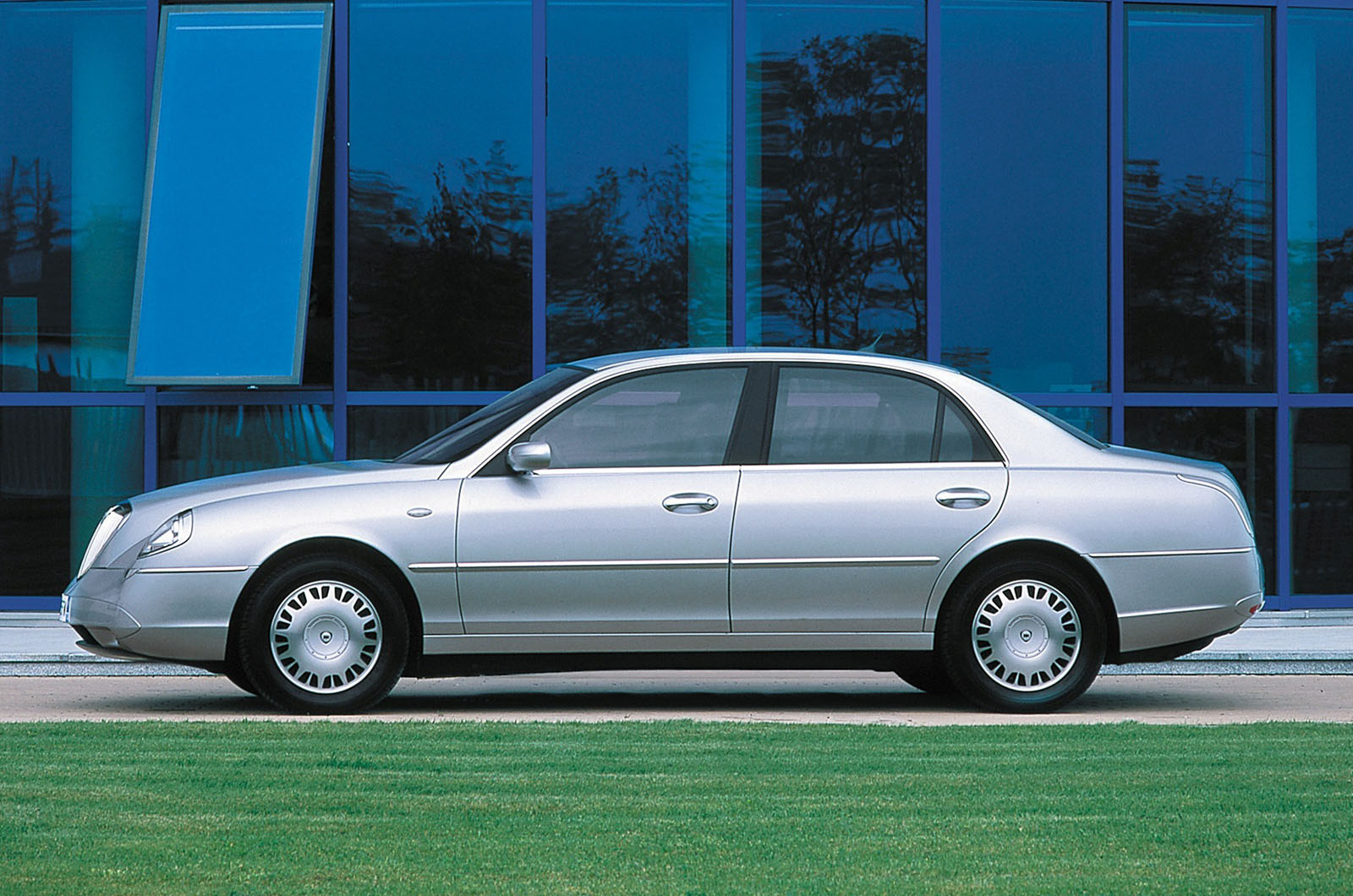
From a profile perspective, the Thesis was often criticized for its conservative middle section. While the nose and tail were highly distinctive, the doors and greenhouse were relatively conventional, creating a visual disconnect that some critics described as "three cars joined in the middle." However, the rear design was widely praised for its innovation. It featured vertical, ultra-slim LED taillights—among the first of their kind—which gave the car a "gothic" and ethereal light signature at night.
Interior Craftsmanship and the "Living Room" Experience
Where the Thesis arguably surpassed its German rivals was in the quality and ambiance of its interior. Lancia moved away from the austere, plastic-heavy cabins of the 1990s, opting instead for high-grade materials and artisan craftsmanship.
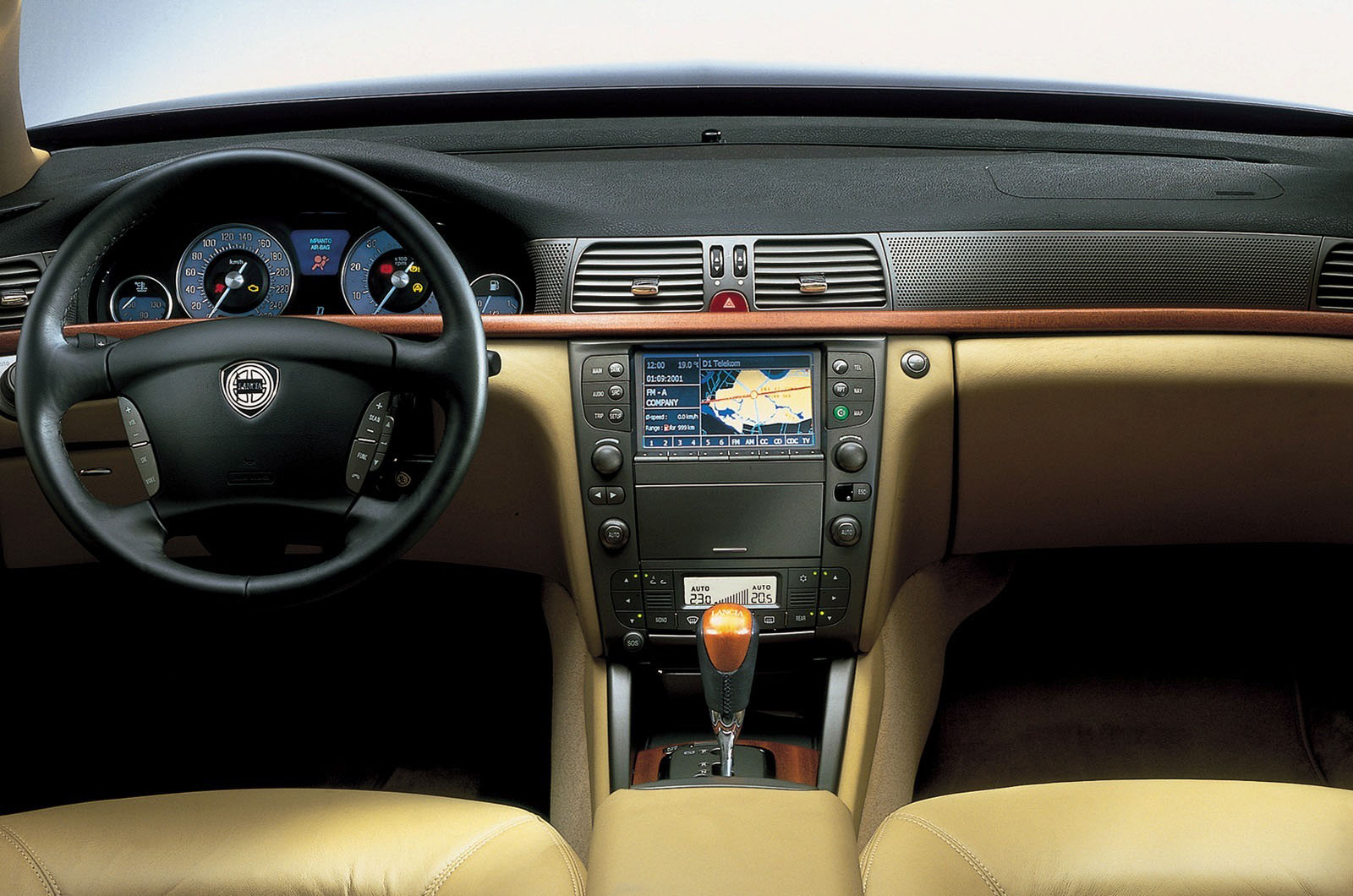
The seats were frequently upholstered in Poltrona Frau leather or high-quality Alcantara, featuring a "piped" design that echoed classic furniture. The dashboard utilized magnesium castings for structural rigidity and was trimmed in genuine open-pore wood and soft-touch materials. To enhance the "stress-free" experience, Lancia offered optional "Comfort Seats" which were heated, ventilated, and featured a massage function—available for both the driver and the rear passengers.
The instrumentation featured cream-faced dials with classical typography, illuminated by a soft green glow. The center console was dominated by the CONNECT NAV+ system, which integrated satellite navigation, telephony, and vehicle settings into a single interface. Despite the high level of luxury, the interior remained a sanctuary of quietness, thanks to extensive soundproofing and thick glass.
Market Reception and the Challenge of the "German Monopoly"
The Lancia Thesis faced an uphill battle from its inception. During the early 2000s, the executive car market was firmly under the control of the German manufacturers. Brand prestige in this segment was dictated by perceived reliability, resale value, and a "corporate-approved" aesthetic—areas where Lancia struggled.
In the United Kingdom, the Thesis was never officially sold in right-hand drive, immediately cutting off one of Europe’s largest luxury car markets. Even in its native Italy, where it was the official car of the Italian government and used extensively by the President, private sales were sluggish.
The primary criticisms leveled against the Thesis involved its structural rigidity. Despite the sophisticated suspension, the car struggled with "NVH" (Noise, Vibration, and Harshness) when encountering sharp, transverse road imperfections. Journalists noted that while the car floated beautifully on smooth motorways, hitting a bridge expansion joint would often send a shudder through the steering column and dashboard—a flaw that undermined its "bespoke" luxury pretensions.
Chronology of Production and Discontinuation
- 1998: Debut of the Lancia Dialogos concept car.
- 2001: Official unveiling of the Lancia Thesis at the Geneva Motor Show.
- 2002: Commercial launch in mainland Europe.
- 2003: Introduction of the 3.2-liter V6 engine and the "Stola S80" concept based on the Thesis.
- 2004: Launch of the "Centenario" and "Bicolore" special editions to stimulate interest.
- 2007: Lancia updates the diesel range to meet Euro 4 emissions standards, but rumors of discontinuation begin to circulate.
- 2009: Production officially ends at the Fiat plant in Rivalta. The Thesis is replaced in 2011 by the Lancia Thema, which was a rebadged Chrysler 300.
Broader Impact and Historical Legacy
The failure of the Thesis to capture significant market share had long-lasting implications for Lancia and the Fiat Group. It signaled the end of Lancia’s era of developing bespoke, high-cost platforms. Following the Thesis, Lancia’s lineup became increasingly dependent on shared platforms with Fiat and, eventually, Chrysler.
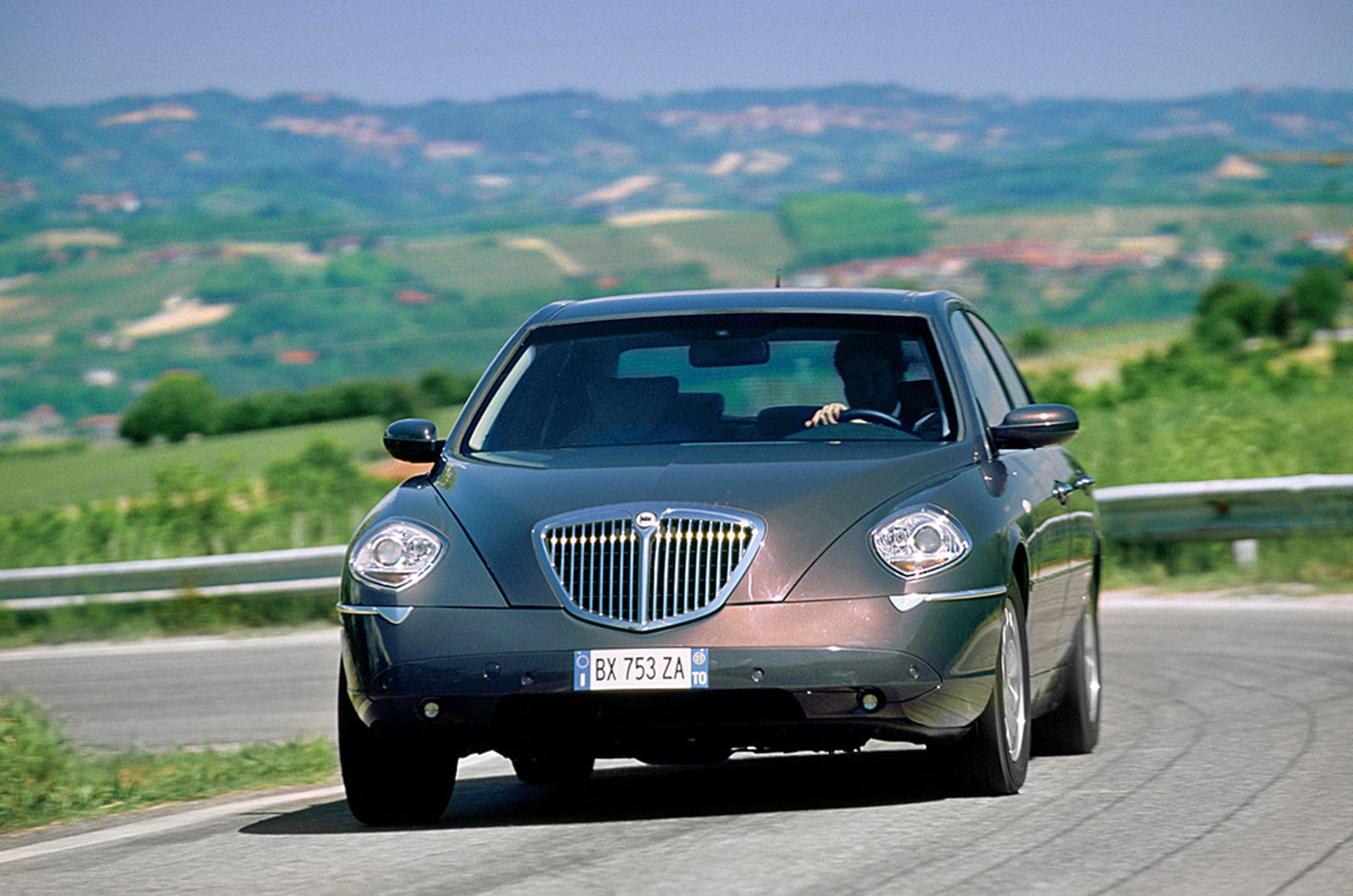
In hindsight, the Thesis is viewed by enthusiasts and automotive historians as a "brave failure." It was a car that dared to be different in a segment defined by conformity. Today, the Thesis has achieved a cult status among collectors, particularly in Italy and Germany. With fewer than 16,000 to 18,500 units estimated to be remaining worldwide, it is a rare sight.
The Thesis serves as a reminder of a time when the Italian automotive industry was willing to invest heavily in a unique vision of luxury—one rooted in art, comfort, and technological experimentation rather than lap times and Nürburgring records. While it did not succeed in unseating the BMW 5 Series or the Mercedes E-Class, it remains a testament to Lancia’s enduring spirit of "Gran Turismo" elegance. For the few who owned or experienced them, the Thesis represented a sophisticated, if flawed, alternative to the status quo, offering a level of character and warmth that its more clinical rivals often lacked.