

The Strategic Positioning of the Range Rover GT
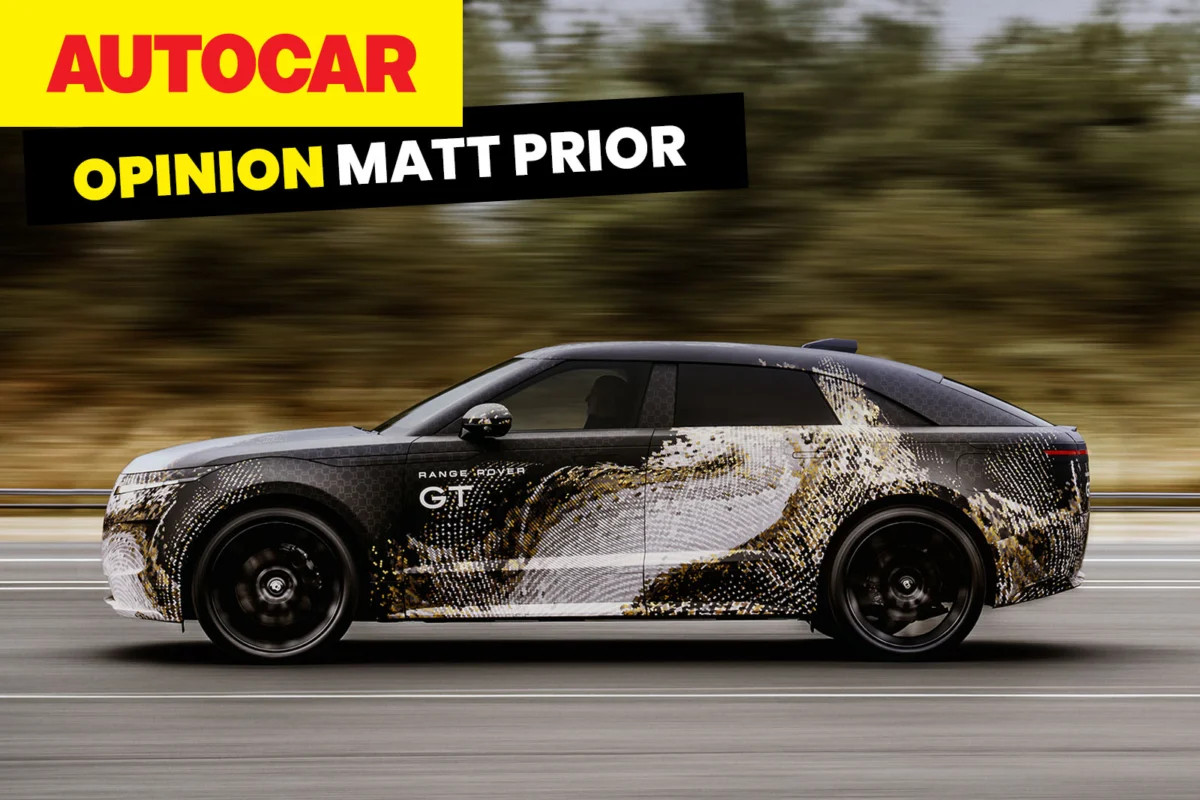
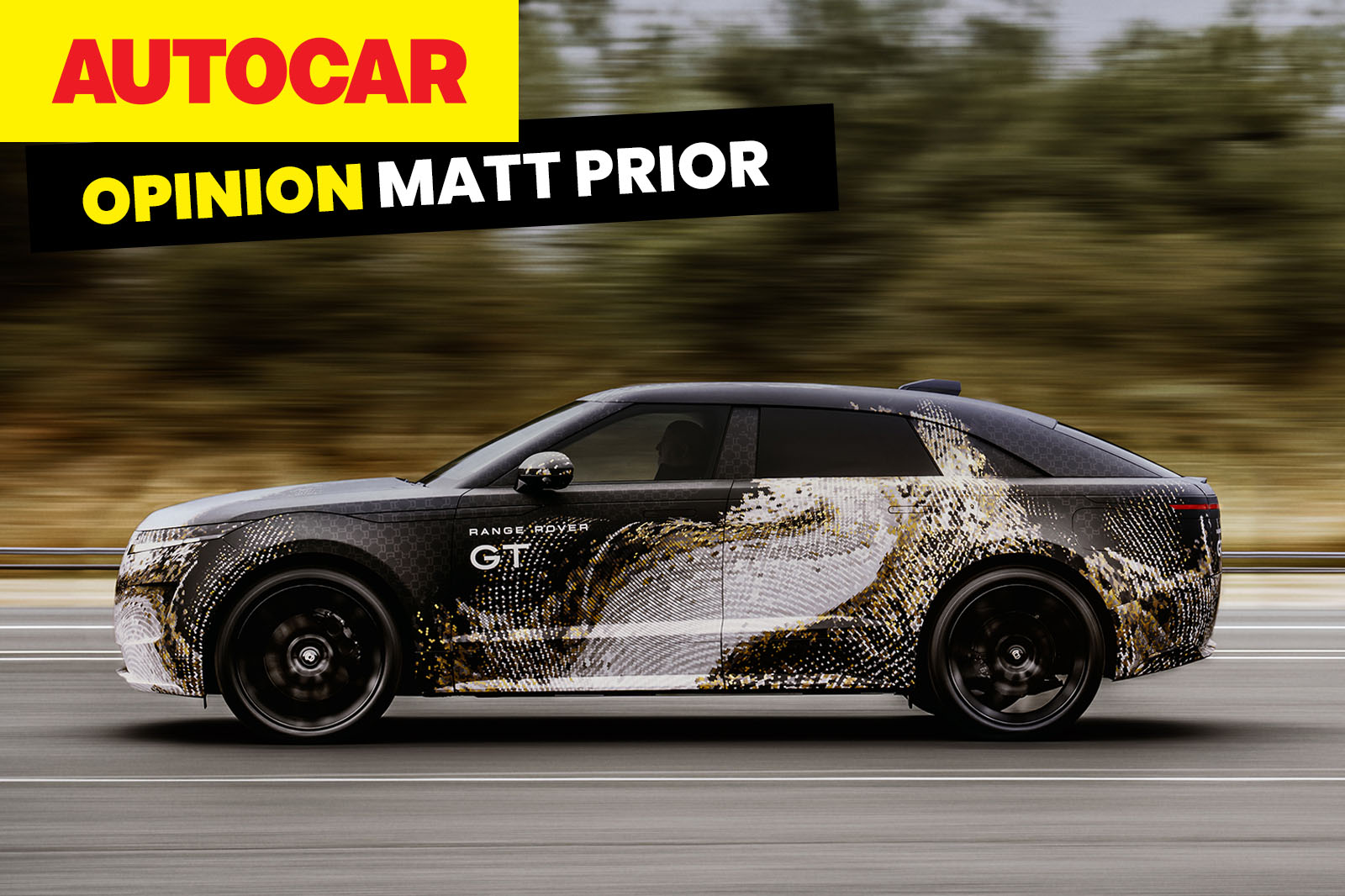
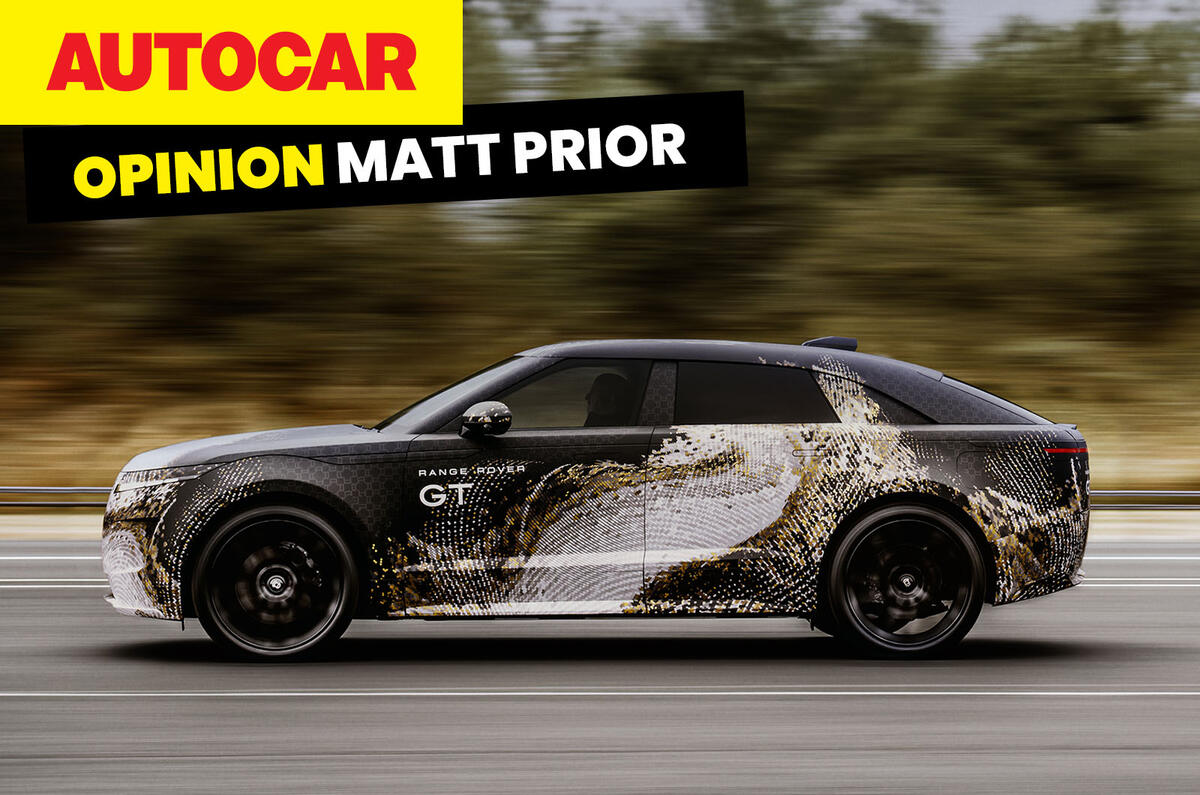
The Range Rover GT represents a significant departure from the traditional silhouette that has defined the brand for over half a century. Historically, Range Rover has been synonymous with a "commanding driving position" and a boxy, upright stature optimized for off-road capability and presence. The GT, however, adopts a more "crossover" or "shooting brake" aesthetic, prioritizing aerodynamic efficiency—a critical metric for maximizing the range of electric vehicles (EVs).
Industry analysts suggest that the Range Rover GT is JLR’s answer to the growing market for high-performance, luxury electric grand tourers. By lowering the roofline and refining the vehicle’s drag coefficient, Range Rover aims to compete directly with the Porsche Taycan Cross Turismo and the Audi e-tron GT, albeit with the elevated luxury and "go-anywhere" ethos inherent to the Land Rover heritage. This move is part of the "House of Brands" strategy, where Range Rover, Defender, Discovery, and Jaguar operate as distinct entities under the JLR corporate umbrella.
Distinguishing the Range Rover GT from the Jaguar Type 01
A common misconception in recent months has been that the Range Rover GT is simply a rebadged or "inflated" version of the Jaguar Type 01—the vehicle widely considered to be the true second-generation (Mk2) evolution of the I-Pace concept. While it is standard industry practice to utilize a single platform across multiple brands to achieve economies of scale, JLR is taking a bifurcated approach to its next-generation architectures.
The Jaguar Type 01 is built upon the JEA (Jaguar Electric Architecture), a bespoke platform designed specifically for the brand’s pivot into the ultra-luxury segment, targeting price points and performance metrics previously reserved for Bentley and Aston Martin. In contrast, the Range Rover GT is expected to utilize the EMA (Electrified Modular Architecture). The EMA is engineered to support the next generation of mid-sized Range Rover and Discovery models, focusing on integrating advanced off-road hardware with high-density battery packs.
Despite these different foundations, a "Jaguar link" remains. This connection is found not in the chassis, but in the high-level software, battery management systems, and electric drive units (EDUs). By sharing these high-cost components, JLR can maintain the distinct driving dynamics of a Jaguar and a Range Rover while benefiting from the collective research and development spend.
Chronology of JLR’s Electrification Journey
To understand the context of the Range Rover GT, one must look at the timeline of JLR’s recent corporate evolution:
- 2018: Jaguar launches the I-Pace, the first credible luxury EV challenger from a legacy European manufacturer. It wins World Car of the Year but remains on a standalone platform.
- 2021: CEO Thierry Bolloré announces the "Reimagine" strategy, confirming Jaguar will become an all-electric luxury brand by 2025.
- 2023: JLR undergoes a corporate rebranding, moving away from "Jaguar Land Rover" as a consumer-facing name in favor of the "House of Brands." Adrian Mardell is confirmed as CEO, emphasizing a focus on profitability and high-margin luxury models.
- Late 2023: Initial sightings of "low-profile" Range Rover prototypes begin at the Nürburgring, leading to rumors of a GT model.
- 2024: JLR confirms an investment of £15 billion over the next five years to transform its industrial footprint, including the conversion of the Halewood plant into an all-electric production facility for the EMA platform.
- 2025-2026: Expected launch window for the Jaguar Type 01 and the subsequent debut of the Range Rover GT.
Technical Data and Platform Architecture
The Range Rover GT is poised to benefit from the latest advancements in 800V charging technology. This architecture will allow the vehicle to replenish its battery from 10% to 80% in under 20 minutes at ultra-fast charging stations, addressing one of the primary concerns of luxury EV buyers.
| Feature | Range Rover GT (EMA Platform) | Jaguar Type 01 (JEA Platform) |
|---|---|---|
| Primary Focus | Luxury Versatility / Off-road Capability | High Performance / Ultra-Luxury |
| Voltage | 800V Architecture | 800V Architecture |
| Drive Units | Modular EDUs (Dual/Triple Motor) | High-Output Bespoke Motors |
| Estimated Range | 400+ Miles (WLTP) | 430+ Miles (WLTP) |
| Target Market | Premium SUV/Crossover | Luxury GT / Saloon |
The EMA platform is designed around a "simple" floor structure that can accommodate various battery sizes. For the Range Rover GT, this likely means a battery capacity exceeding 100kWh. Furthermore, JLR has partnered with NVIDIA for the "DRIVE" software-defined platform, which will provide the GT with advanced Level 2+ and Level 3 autonomous driving capabilities, as well as over-the-air (OTA) updates that can improve vehicle performance throughout its lifecycle.
Official Responses and Strategic Vision
While JLR executives have been tight-lipped regarding specific model names, CEO Adrian Mardell has frequently alluded to the necessity of expanding the Range Rover portfolio into new segments. During a recent investor presentation, Mardell noted, "Our strategy is to deliver a modern luxury experience that is beyond expectation. This requires us to rethink what a Range Rover can be in an electric age, without losing the DNA that makes it the world’s most desirable SUV brand."
Chief Creative Officer Gerry McGovern has also hinted at the design direction, emphasizing "reductionism" and "modernism." For the Range Rover GT, this translates to a "flush" design language where door handles, glazing, and trim are integrated seamlessly into the bodywork to reduce turbulence. McGovern’s team is reportedly focused on creating a vehicle that feels "carved from a solid block," a philosophy that will distinguish the GT from the more aggressive, air-intake-heavy designs of its German competitors.
Broader Impact and Industry Implications
The introduction of the Range Rover GT and the Jaguar Type 01 signals a broader trend in the automotive industry: the blurring of lines between traditional vehicle segments. As batteries are heavy and mounted low in the floor, the "ideal" EV shape is often a taller car or a lower SUV. The Range Rover GT sits precisely in this sweet spot.
For JLR, the success of the Range Rover GT is critical for several reasons:
- Brand Extension: It allows the Range Rover name to capture buyers who find the full-sized Range Rover too cumbersome for urban environments but find the Evoque or Velar insufficiently prestigious.
- Sustainability Targets: To meet stringent fleet emissions targets in the EU and China, JLR needs high-volume, high-margin EVs. The GT is expected to be a high-margin "halo" car for the EMA platform.
- Manufacturing Efficiency: By utilizing the EMA platform at the Halewood plant, JLR can achieve the scale necessary to remain competitive against larger conglomerates like the Volkswagen Group or Stellantis.
The "Jaguar link" mentioned by industry insiders also suggests a unified approach to the supply chain. By sourcing battery cells from the same Agratas gigafactory (a Tata Group subsidiary), both the Range Rover GT and the Jaguar Mk2 I-Pace (Type 01) will benefit from localized, secure supply chains, reducing the volatility associated with importing rare earth materials and battery components.
Analysis of Market Prospects
The Range Rover GT enters a market that is increasingly crowded but still hungry for true luxury. Unlike the original I-Pace, which was a pioneer in a relatively empty field, the GT must fight for dominance. However, the Range Rover badge carries a level of social capital that few other brands can match. If JLR can successfully marry the "Range Rover" lifestyle with a sleek, grand-touring format, they may create a new sub-segment of "Active Luxury GTs."
While it may not be a "Mk2 I-Pace" in the literal sense of sharing a chassis, the Range Rover GT is the spiritual beneficiary of the lessons learned from the I-Pace. It represents the maturation of JLR’s electric ambitions—moving from an experimental standalone model to a core pillar of the world’s most famous luxury SUV family. As the 2025 reveal approaches, the industry will be watching closely to see if this "sleek new mid-sized Rangie" can redefine the brand for a new generation of affluent, environmentally conscious drivers.