


The Champion of the Commonplace: Gordon McNeill’s Volkswagen Polo
The centerpiece of the 2026 festival was the victory of a 1999/2000 Volkswagen Polo C, owned by Gordon McNeill. In any other concours d’elegance, a small hatchback with a 999cc engine producing a modest 49bhp would be relegated to the spectator parking lot. However, at the Festival of the Unexceptional, these specifications are the markers of a true champion. McNeill’s Polo is the antithesis of a "trailer queen"; it has covered 176,000 miles, served as his wedding car, and has remained his daily driver for two decades.
The judges’ decision to award the top prize to the Polo highlighted the festival’s core criteria: originality, preservation, and a life well-lived. Unlike restored classics that look better than they did on the showroom floor, McNeill’s Polo represents the "survivor" category—a vehicle that has escaped the scrap heap and the modification shop to remain in its factory-intended state. The vehicle’s 20-year tenure with a single owner, coupled with its role in significant life milestones, exemplifies the emotional connection between humans and their utilitarian transport.
The Evolution of the Concours de l’Ordinaire
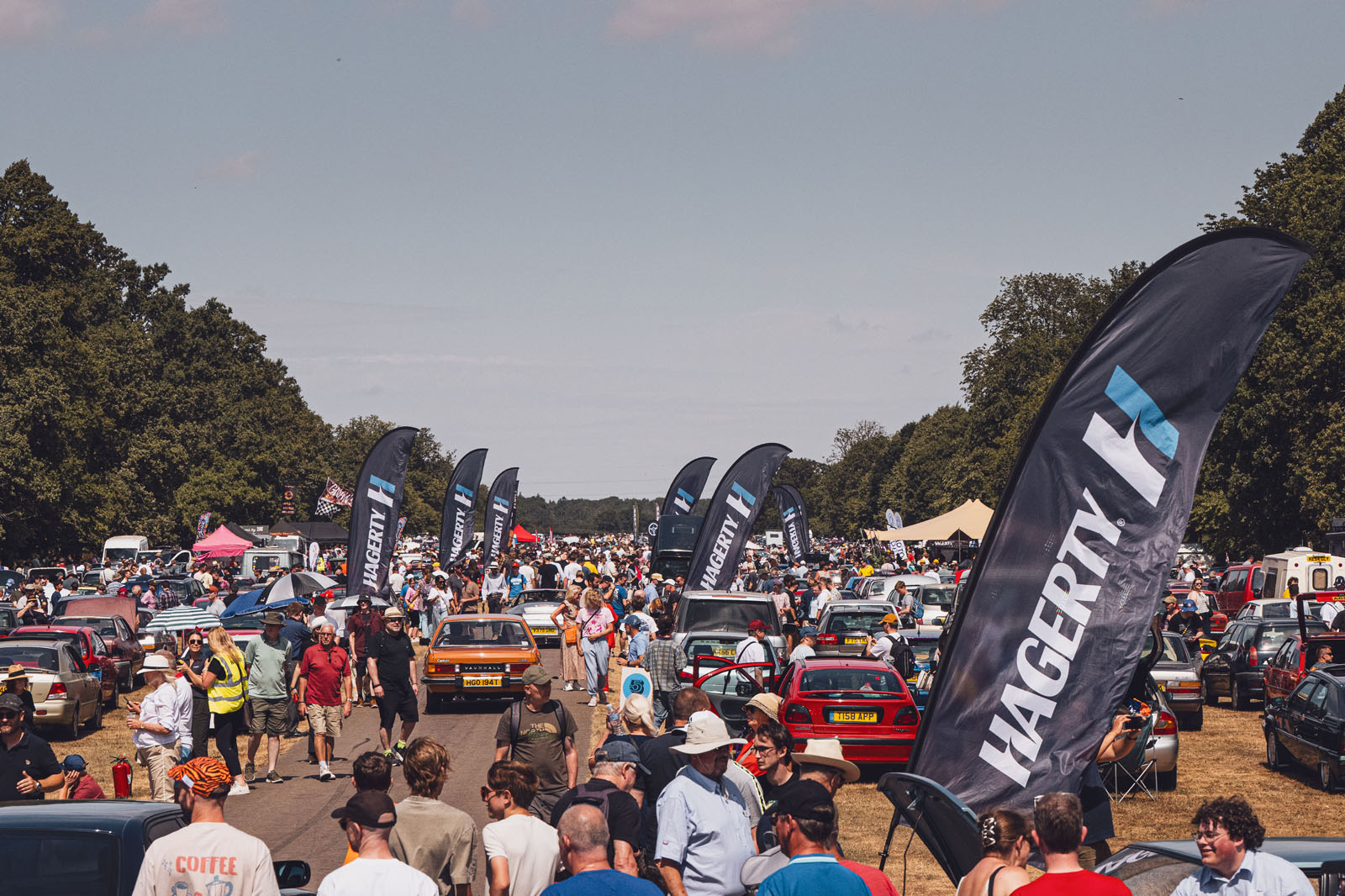
The Festival of the Unexceptional was established by Hagerty in 2014 to provide a platform for cars that were once ubiquitous on British roads but have since become endangered species. The 2026 edition marked a significant milestone in the event’s growth, reflecting a broader shift in car culture toward nostalgia and "rad" era appreciation.
Historically, the UK’s automotive landscape was dominated by vehicles like the Ford Cortina, the Austin Allegro, and the Vauxhall Cavalier. However, various government-led scrappage schemes—most notably the 2009 program—and the natural attrition of daily use meant that these vehicles were discarded at alarming rates. Today, a base-model 1980s Ford Escort is statistically rarer than many models of Ferrari or Porsche. This scarcity has transformed what was once "boring" into something "exceptional."
The timeline of the festival reflects its rising popularity:
- 2014: The inaugural event is held at Whittlebury Park, focusing on cars from 1968–1989.
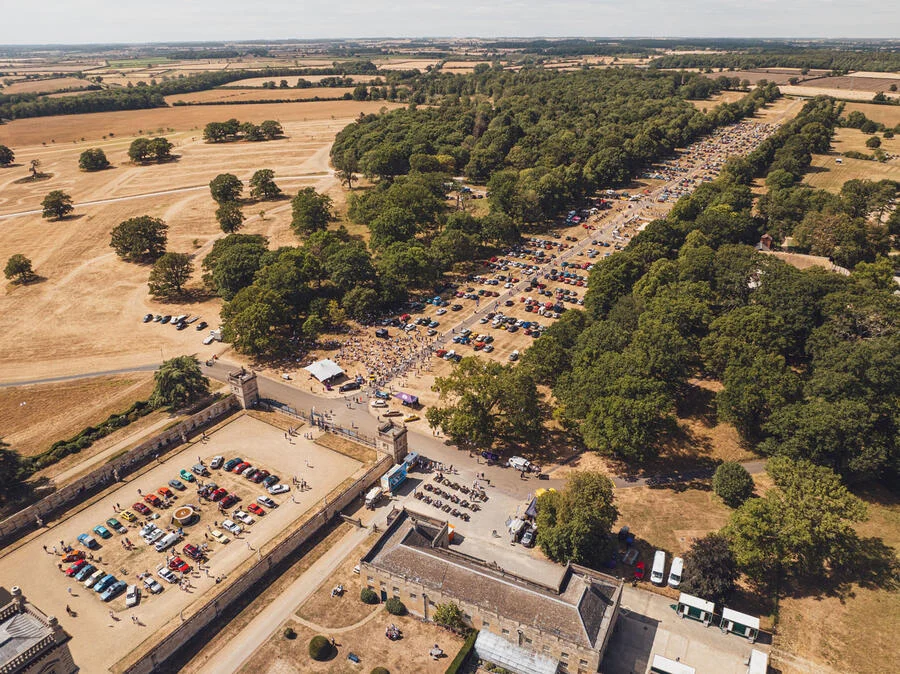
- 2021: The event moves to the grander setting of Grimsthorpe Castle to accommodate increasing crowds.
- 2024–2026: The eligibility window expands to include "unexceptional" cars from the late 90s and early 2000s, acknowledging the nostalgia of the Millennial generation.
Statistical Trends in the "Unexceptional" Market
The 2026 festival occurs against a backdrop of rising valuations for everyday classics. Data from Hagerty’s Price Guide suggests that while the top end of the classic car market has seen some stabilization, the "unexceptional" sector is experiencing steady growth.
Key data points regarding these vehicles include:
- Survival Rates: According to "How Many Left" data, many models featured at the festival have survival rates of less than 1% of their original production run.
- Market Value: The value of "concours condition" everyday cars from the 1980s and 90s has risen by an average of 15-20% over the last three years, driven by buyers seeking the cars of their childhood.
- Demographics: The festival has seen a 30% increase in attendees under the age of 35, indicating that the appeal of mundane classics is cross-generational.
The 2026 event featured a curated "Concours de l’Ordinaire" of 50 vehicles, selected from hundreds of applications. The variety on display was a testament to the diversity of the "unexceptional" category, ranging from early Japanese imports to the final iterations of British Leyland products.
Judging the Mundane: Criteria and Competition
Judging at the Festival of the Unexceptional is a rigorous process, though it differs significantly from traditional events. Rather than looking for the deepest paint shine or the most expensive leather, the judges—a panel of automotive journalists and historians—look for "purity."
The 2026 judging criteria focused on several key areas:
- Trim Levels: Preference is given to base or "L" models. Vehicles with plastic hubcaps, wind-up windows, and blanking plates where a radio or clock should be are highly prized.
- Originality: The presence of original dealer stickers, factory-fitted cassette players, and period-correct accessories (such as beaded seat covers or steering wheel locks) adds significant value.
- History: Documentation of a car’s life as a family workhorse is essential. Service stamps from long-defunct local garages and original purchase receipts provide the narrative depth the judges seek.
The competition for the 2026 title was fierce. Runners-up included a remarkably preserved Nissan Micra K11 and a base-spec Ford Sierra that appeared to have spent its entire life in a time capsule. The Polo’s victory was ultimately secured by its high mileage; it proved that a car can be meticulously maintained while still fulfilling its primary purpose as a transport tool.
Official Reactions and Cultural Impact
Representatives from Hagerty and various automotive heritage groups have noted that the Festival of the Unexceptional has redefined what constitutes a "classic" car. Mark Thomas, a spokesperson for the event, remarked that the festival "celebrates the cars we actually remember—the ones our parents drove us to school in, the ones we learned to drive in, and the ones that formed the backdrop of our lives."
Industry analysts suggest that the success of the 2026 event has broader implications for the automotive industry. As the world transitions toward electric vehicles and autonomous technology, there is a growing desire for the tactile, mechanical simplicity of late 20th-century internal combustion cars. The Polo C, with its 1.0-liter engine and lack of modern electronic driver aids, represents a peak of "honest" engineering that many enthusiasts fear is being lost.
Furthermore, the festival provides a low-barrier entry point into the classic car hobby. While a vintage E-Type Jaguar may require a six-figure investment, a well-kept "unexceptional" car can often be acquired and maintained for a fraction of the cost, making the hobby more inclusive and sustainable for younger generations.
Broader Implications for Automotive Preservation
The rise of the "unexceptional" movement has prompted a re-evaluation of museum collections and heritage fleets. Manufacturers like Volkswagen and Ford have begun to pay closer attention to their "bread and butter" history, realizing that the legacy of the Polo or the Fiesta is just as vital to their brand identity as their racing triumphs.
The 2026 Festival of the Unexceptional also highlighted the environmental aspect of car ownership. Gordon McNeill’s 20-year stewardship of his Polo is a masterclass in sustainability through longevity. By maintaining and continuing to use a vehicle for a quarter of a century, the environmental impact of manufacturing a new vehicle is deferred. The festival promotes the idea that the "greenest" car is the one that is already built and properly maintained.
As the gates closed on Grimsthorpe Castle, the legacy of the 2026 event remained clear. The Festival of the Unexceptional is no longer a niche gathering for the eccentric; it is a vital pillar of the global car scene. It challenges the notion that value is tied to price, and that beauty is tied to exclusivity. In the victory of a high-mileage, 49bhp Volkswagen Polo, the festival found its perfect mascot: a symbol of resilience, utility, and the quiet dignity of the everyday.
The success of this year’s event ensures that the "unexceptional" will continue to have a home. As more enthusiasts look past the chrome and horsepower of traditional classics, they find a rich, relatable history in the plastic dashboards and fabric seats of the cars that truly moved the world. The 2026 Festival of the Unexceptional was not just a car show; it was a celebration of the human experience as told through the medium of the motor car, proving that even the most mundane vehicle can become extraordinary when given the chance to survive.