The Triumph TR7, produced between 1974 and 1981, remains one of the most polarizing figures in automotive history, standing as a definitive symbol of the British motor industry’s tumultuous transition during the late 20th century. While the vehicle was initially envisioned as a revolutionary successor to the traditional British roadster, its legacy is inextricably linked to the industrial strife, mechanical shortcomings, and management failures that plagued British Leyland (BL) during the era. Despite these setbacks, the TR7 represented a bold leap forward in automotive aesthetics and remains a subject of fascination for enthusiasts who recognize the brilliance buried beneath its troubled execution.
The Genesis of the Wedge: A Radical Departure in Design
The development of the TR7, internally codenamed "Project Bullet," began in the early 1970s as British Leyland sought to consolidate its sports car offerings. The goal was to create a modern, safe, and mass-marketable vehicle that could compete with emerging international rivals, particularly in the United States. Unlike the Triumph TR6 it was designed to replace, which featured a traditional separate chassis and conservative styling, the TR7 utilized a monocoque construction and a radical "wedge" profile.
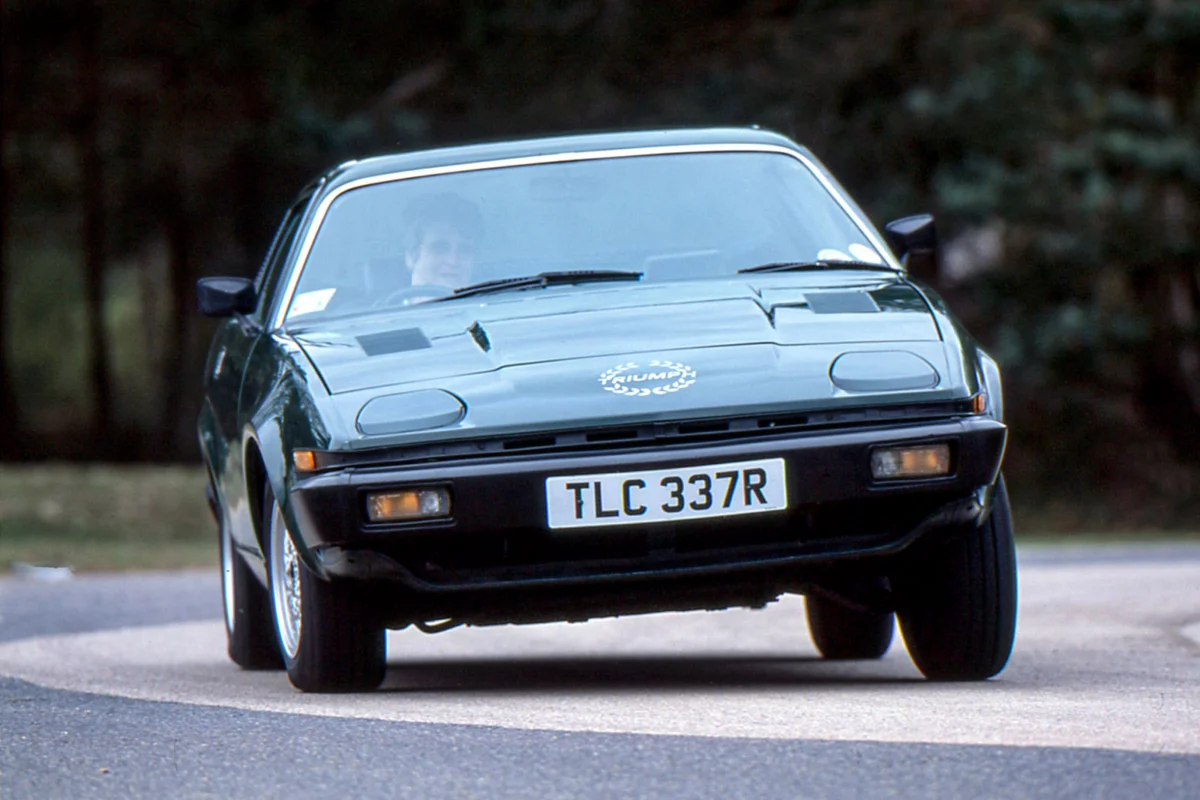
The design was led by Harris Mann, a stylist whose work was often overshadowed by the constraints of the British Leyland production system. Mann’s vision for the TR7 was characterized by a sharp, low nose, a rising waistline, and a chopped-off "Kamm tail" rear. This aesthetic was heavily influenced by the 1970s obsession with futuristic, aerodynamic shapes, famously marketed under the slogan "The Shape of Things to Come."
Initially, the car was launched exclusively as a fixed-head coupe. This decision was largely driven by fears that the United States, Triumph’s primary export market, would introduce stringent roll-over safety legislation that would effectively ban traditional convertibles. When these laws failed to materialize, the lack of an open-top version at launch was viewed as a strategic oversight, though a drophead version eventually arrived in 1979.
Technical Specifications and Mechanical Composition
Mechanically, the TR7 was designed for simplicity and ease of maintenance, though this simplicity often frustrated purists who expected the sophisticated independent rear suspension found in the TR6. The car featured a front-mounted, 2.0-liter four-cylinder engine derived from the Triumph Dolomite. This eight-valve, slant-four unit produced approximately 105 brake horsepower (bhp) in European trim and roughly 92 bhp in the emissions-restricted North American version.
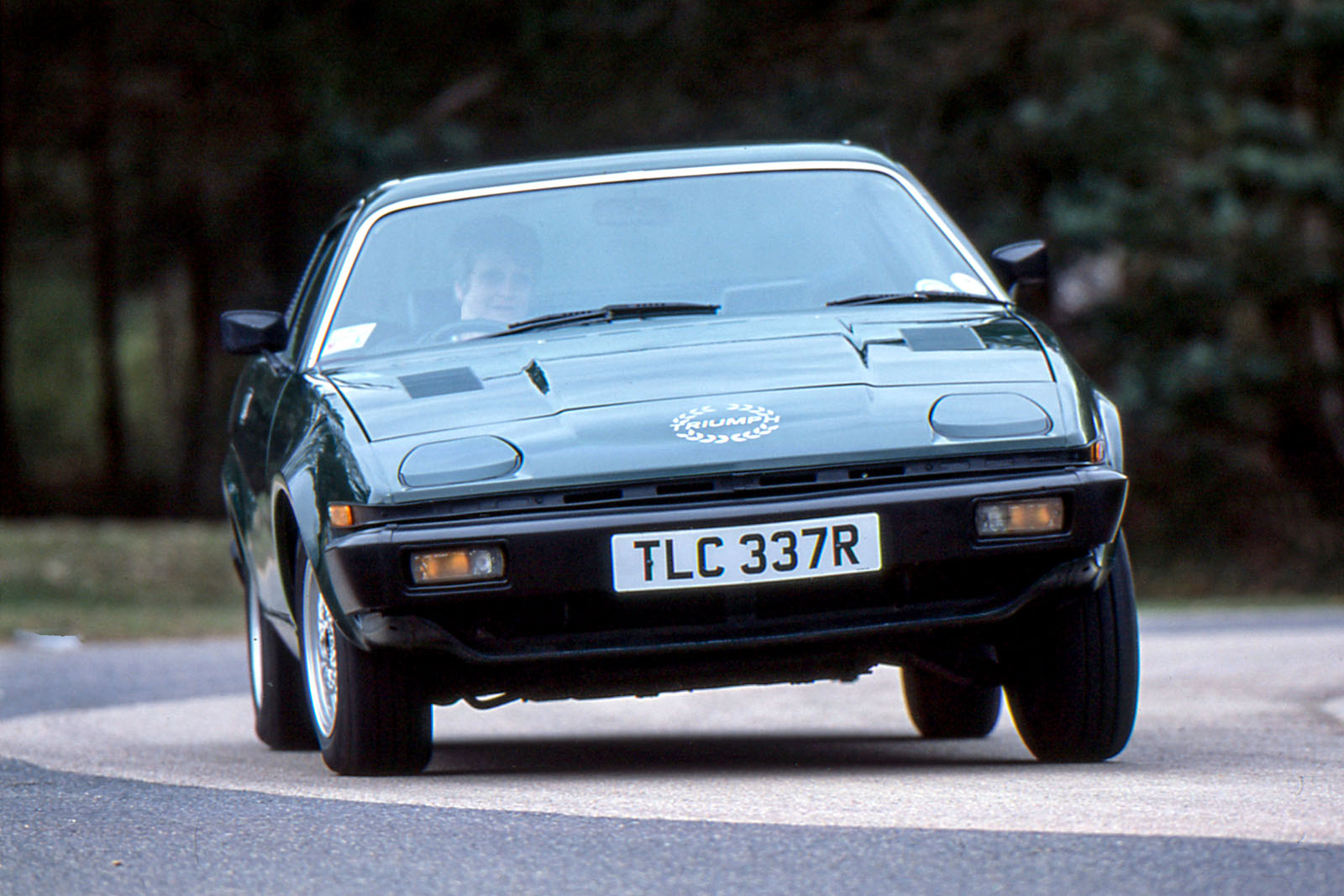
The powertrain was mated to a four-speed manual gearbox (later upgraded to a five-speed unit from the Rover SD1) or a three-speed automatic option. The suspension consisted of MacPherson struts at the front and a four-link live axle with coil springs at the rear. While the live axle was a regressive step from a technical standpoint, engineers argued it provided more predictable handling for the average driver. Braking was handled by a combination of front discs and rear drums, a standard setup for the period that provided adequate, if unremarkable, stopping power.
A Chronology of Production and Industrial Conflict
The history of the TR7 is marked by a series of geographical shifts and labor disputes that directly impacted the car’s quality and market reputation.
- 1974–1977: The Speke Era. Production began at the Speke plant near Liverpool. This period was characterized by extreme industrial unrest. Frequent strikes and a lack of quality control meant that many early TR7s left the factory with significant defects, including poorly fitted panels, electrical failures, and engine cooling issues.
- 1978: The Move to Canley. Following the closure of the Speke No. 2 plant after a protracted 17-week strike, production was moved to the Triumph plant in Canley, Coventry. Quality began to improve during this phase as the workforce was more accustomed to building sports cars.
- 1979: The Drophead Launch. The convertible version of the TR7 was finally introduced, significantly boosting the car’s appeal in the California and Florida markets.
- 1980: The Solihull Transition and the TR8. Production moved once more, this time to the Solihull plant. This period saw the introduction of the TR7’s V8-powered sibling, the TR8. Featuring the 3.5-liter Rover V8, the TR8 addressed the performance criticisms of the base model but arrived just as the global economy entered a recession.
- 1981: Termination. Production of the TR7 and TR8 ceased in October 1981. British Leyland, facing severe financial pressure, decided to focus on the Triumph Acclaim, a badge-engineered Honda, marking the end of the traditional Triumph sports car line.
Data and Market Performance
Despite its reputation for poor reliability, the TR7 was a commercial success in its early years. Total production reached approximately 112,368 units, with an additional 2,497 TR8 variants produced. This made the TR7 the best-selling model in the entire TR range, surpassing the TR6’s production run of roughly 94,000 units.
| Specification | Triumph TR7 (UK Spec) |
|---|---|
| Engine | 1998cc Slant-Four |
| Power | 105 bhp @ 5,500 rpm |
| Torque | 119 lb-ft @ 3,500 rpm |
| 0–60 mph | 9.1 Seconds |
| Top Speed | 108 mph |
| Curb Weight | 1,000 kg (approx.) |
| Production Total | 112,368 |
The car’s performance was competitive for its price bracket, which was roughly £2,990 at launch in the UK. It was positioned against rivals such as the MG MGB, the Fiat X1/9, and the Datsun 240Z. While the Datsun offered superior performance and the Fiat offered mid-engined exoticism, the TR7’s interior was praised for being spacious and modern, featuring "tartan" seat inserts that became a hallmark of 1970s British design.
Quality Control Failures and Official Responses
The downfall of the TR7 was not its design or its engineering concepts, but the execution of its manufacture. Early owners reported a litany of issues, most notably head gasket failures caused by a combination of aluminum cylinder heads and cast-iron blocks, which required precise cooling management that the original radiators often failed to provide. Pop-up headlights, a key styling feature, frequently malfunctioned, and the car’s electrical systems, supplied by Lucas, were notoriously temperamental.
Internal memos from British Leyland management during the late 1970s revealed a desperate attempt to mitigate the reputational damage. Lord Stokes, the chairman of BL, famously defended the company’s products, but the reality on the ground was one of a demoralized workforce and aging machinery. Warranty claims for the TR7 in the North American market were among the highest for any European import, leading many dealers to drop the brand entirely.
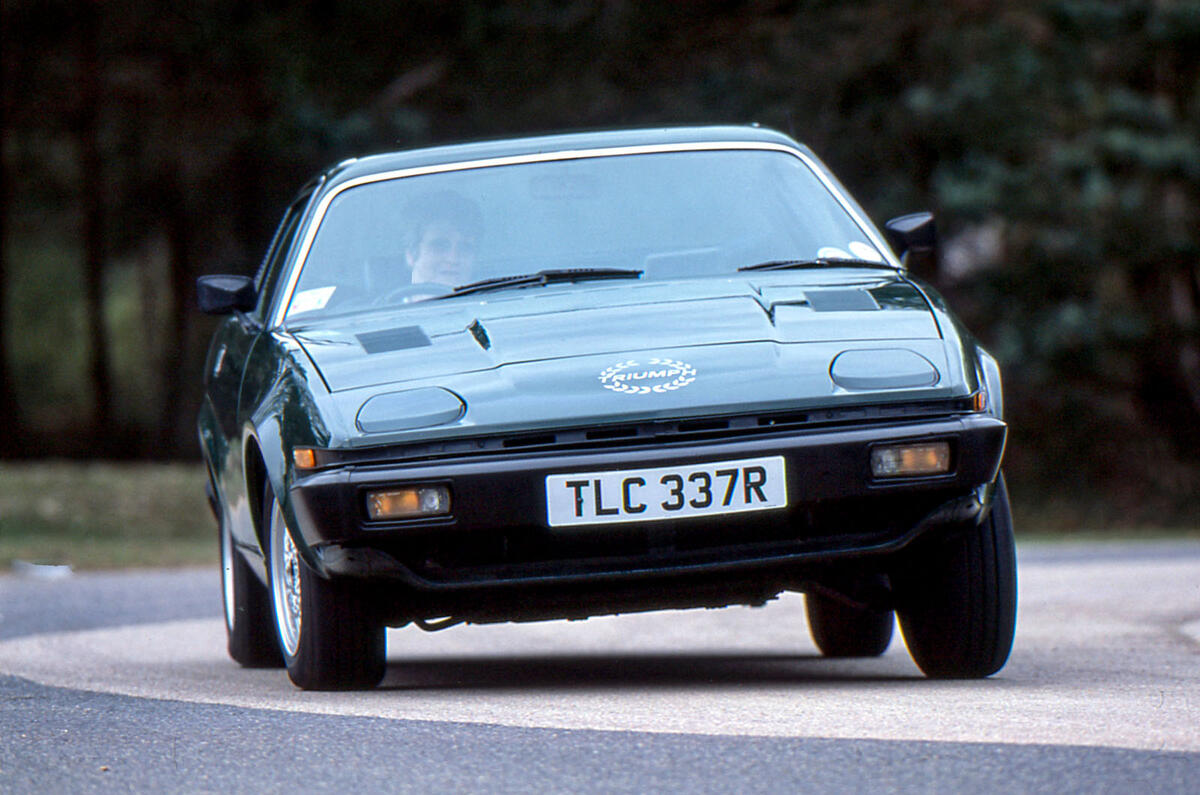
In a retrospective analysis, former BL engineers have noted that the TR7 was "a car designed by a committee and built by a mob." The lack of investment in modern tooling meant that even when the design was sound, the manufacturing tolerances were often outside of acceptable limits.
The TR8 and Motorsport Success
One of the most significant "what-ifs" in the TR7’s history is the TR8. By fitting the lightweight Rover V8 into the TR7 chassis, Triumph created a car that many contemporary journalists described as the "English Corvette." The TR8 rectified the TR7’s lack of power and provided a soundtrack that matched its aggressive wedge styling. In the United States, the TR8 was lauded for its performance, but high fuel prices and BL’s internal chaos meant only a fraction of the intended units were ever built.
The TR7 also found success in the world of rallying. The TR7 V8, campaigned by the British Leyland factory team, proved to be a formidable competitor on tarmac rallies. Drivers like Tony Pond demonstrated that the chassis was inherently capable and balanced. These victories provided a glimmer of what the platform could have achieved had it been supported by a stable corporate parent.
Legacy and Modern Perspective
Today, the Triumph TR7 is enjoying a resurgence among classic car collectors. The very "wedge" styling that was once ridiculed is now celebrated as a quintessential example of 1970s futurism. Furthermore, modern ownership has largely solved the reliability issues that dogged the car when new. Improved head gaskets, electronic ignitions, and better cooling systems have turned the TR7 into a reliable and usable classic.
The car serves as a historical marker for the decline of the British automotive industry. It was a vehicle of immense potential, featuring a design that was truly ahead of its time. However, it was ultimately defeated by the systemic failures of its manufacturer. The TR7 was not a bad car by design; it was a victim of its environment.
In the broader context of automotive history, the TR7’s story is a cautionary tale regarding the importance of manufacturing quality and industrial relations. For those who own them today, however, the TR7 remains a charming, comfortable, and striking sports car that finally receives the appreciation its designers intended. It stands as a testament to an era of bold experimentation, proving that even a flawed icon can possess enduring appeal.