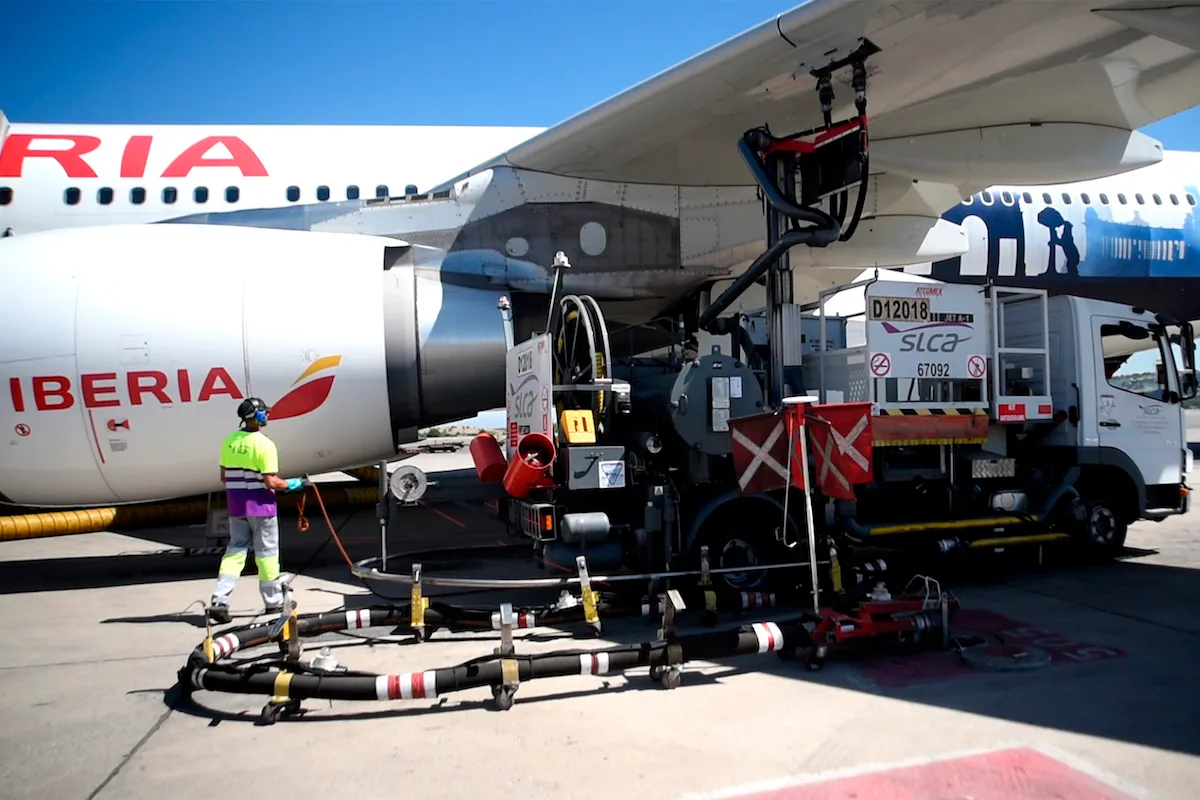
The global aviation sector is navigating a period of profound fiscal realignment as the industry grapples with a volatile energy market that has fundamentally altered profit expectations for the coming years. Throughout the spring, major carriers issued a series of cautionary notes to investors, warning that the escalating cost of jet fuel would inevitably erode bottom-line results. With the release of the latest quarterly earnings reports, the scale of this impact has moved from speculative projection to documented reality, revealing the extent to which airlines have managed to pass these costs on to consumers or mitigate them through internal efficiencies.
The International Air Transport Association (IATA) has provided a sobering outlook for the industry’s mid-term financial health. According to current projections, jet fuel is expected to average $152 per barrel by 2026, a staggering increase from the $90 per barrel average recorded in 2025. This shift represents more than just a fluctuation in commodity pricing; it signifies a structural change in the industry’s cost base. Historically, fuel has accounted for approximately 25% of total operating expenses for most airlines. Under the new pricing regime, that figure is expected to climb to nearly one-third of all outgoings, placing unprecedented pressure on liquidity and profit margins.
The Catalyst of Geopolitical Instability and Market Volatility
The primary driver behind this sudden surge in energy costs has been a significant escalation in geopolitical tensions, particularly the conflict involving Iran, which sent jet fuel prices to four-year highs. This regional instability disrupted global supply chains and injected a substantial risk premium into crude oil markets. At its peak in April, the price of jet fuel reached levels not seen since the immediate post-pandemic recovery period, forcing executive leadership teams across the globe to reassess their strategic priorities.
While prices have moderated slightly since the April peak, the underlying market remains strained. Data from IATA’s Fuel Price Monitor indicates that jet fuel remains approximately 75% higher than year-ago levels. This sustained high-price environment has left little room for error in airline management. The immediate reaction from many carriers was a tactical retreat: capacity was slashed on less profitable routes, planned capital expenditures were deferred, and several major airlines took the rare step of withdrawing their previously issued financial guidance, citing an inability to predict fuel volatility with any degree of certainty.
Analyzing Quarterly Earnings: The Cost-Recovery Challenge
The latest batch of quarterly results offers a window into the diverse strategies employed by airlines to weather this storm. The central question for analysts has been the "recovery rate"—the percentage of increased fuel costs that an airline can successfully recoup through higher fares, fuel surcharges, and ancillary revenue.
For premium carriers with strong brand loyalty and dominant positions in major hubs, the recovery has been more robust. These airlines have leveraged sophisticated revenue management systems to adjust ticket prices in real-time, effectively passing a significant portion of the fuel bill to the traveler. However, the low-cost carrier (LCC) segment has faced a more difficult path. With a business model predicated on price sensitivity, LCCs have limited headroom to raise fares without triggering a significant drop in demand.
Furthermore, the earnings reports highlight a widening gap between airlines that maintained aggressive fuel hedging programs and those that did not. Hedging—a financial strategy where airlines lock in fuel prices months or years in advance—has proven to be a lifesaver for some. Carriers that entered the year with significant portions of their fuel needs hedged at lower prices have reported much more stable earnings compared to those exposed to the "spot" market.
A Timeline of the Energy Shock and Industry Response
The current crisis did not emerge in a vacuum but is the result of a series of compounding events over the last 18 months:
- Early 2025: Global demand for air travel returns to 100% of pre-pandemic levels, putting initial pressure on fuel supplies as refineries struggle to keep pace with the sudden surge in kerosene demand.
- Late 2025: IATA reports an average fuel price of $90 per barrel, with the industry recording a healthy net profit. Airlines begin expanding fleets in anticipation of continued growth.
- Q1 2026: Geopolitical tensions in the Middle East escalate into active conflict involving Iran. Crude oil prices spike, and jet fuel "crack spreads"—the difference between the price of crude oil and the refined product—widen significantly.
- April 2026: Jet fuel reaches a four-year peak. Major carriers including Delta, Lufthansa, and Singapore Airlines issue profit warnings. Capacity cuts are announced for the summer season.
- Mid-2026: Quarterly earnings reveal the damage. IATA slashes its full-year global profit forecast from $46 billion to $23 billion, a 50% reduction that underscores the severity of the shock.
Official Responses and Strategic Pivot Points
Industry leaders have been vocal about the challenges posed by this "new normal" in energy pricing. In a recent summit, IATA Director General Willie Walsh noted that the industry’s resilience is being tested as never before. "Airlines are used to volatility, but the combination of geopolitical risk and the rising cost of the energy transition is creating a pincer movement on profitability," Walsh stated. He emphasized that while demand for travel remains resilient, the industry cannot absorb these costs indefinitely without impacting the affordability of air travel for the general public.
In response to the crisis, many airlines have accelerated their fleet modernization programs. While this requires significant upfront capital, newer aircraft such as the Airbus A321neo and the Boeing 737 MAX offer 15% to 20% better fuel efficiency than the older models they replace. In an era of $150-per-barrel fuel, the return on investment for these more efficient jets has shortened considerably, making fleet renewal a cornerstone of long-term survival.
Moreover, there has been a renewed focus on "operational efficiency," which includes everything from optimizing flight paths using AI-driven software to reducing the weight of onboard equipment. While these measures provide incremental gains, collectively they represent a vital buffer against the rising cost of kerosene.
The Broader Impact: Sustainability and the Consumer
The fuel shock has also complicated the industry’s ambitious goal of reaching "Net Zero" carbon emissions by 2050. The transition to Sustainable Aviation Fuel (SAF) is the primary pillar of this decarbonization strategy. However, SAF currently costs between three and five times more than conventional jet fuel. With the price of conventional fuel already at record highs, the financial hurdle to adopt SAF has become even more daunting. There are growing concerns within the industry that the current profit squeeze will divert funds away from green investments, potentially delaying the sector’s environmental targets.
For the consumer, the implications are clear: the era of hyper-cheap air travel may be coming to an end. As airlines prioritize "yield" over "volume," the availability of deeply discounted seats is shrinking. Travelers are seeing higher base fares, increased fuel surcharges, and a more aggressive push for ancillary fees, such as charges for checked bags, seat selection, and priority boarding.
Despite these headwinds, the demand for air travel has shown remarkable "inelasticity." Even as prices rise, the "revenge travel" trend that began after the pandemic appears to have evolved into a permanent shift in consumer behavior, with people prioritizing experiences and global connectivity over other forms of discretionary spending.
Conclusion and Future Implications
The global aviation industry stands at a crossroads. The halving of profit forecasts to $23 billion is a stark reminder of the sector’s vulnerability to external shocks. As the industry moves toward 2027, the focus will remain squarely on cost management and balance sheet repair.
The ability of airlines to navigate this high-cost environment will depend on several factors: the stability of the Middle East, the pace of global economic growth, and the continued willingness of consumers to pay higher prices for flight. While the current earnings cycle has disclosed the immediate "bill" for the fuel shock, the long-term restructuring of the industry—characterized by leaner operations, more efficient fleets, and a more disciplined approach to capacity—is only just beginning.
For investors, the message is one of cautious monitoring. The disparity between winners and losers in this environment will be dictated by operational excellence and strategic foresight. As fuel continues to consume a larger share of the revenue pie, the margin for error has never been thinner, and the premium on efficient management has never been higher. The coming quarters will reveal which airlines have the structural integrity to withstand the turbulence and which will be forced to undergo more radical transformations to survive.