The automotive industry is currently navigating a period of profound transition, marked by a cooling of the initial fervor for high-priced electric vehicles (EVs) and a growing demand for affordable, efficient alternatives. In this climate, Ford Motor Company is doubling down on a specialized, secretive project designed to deliver a "breakthrough product" that challenges the status quo of EV engineering. Jim Farley, Ford’s Chief Executive Officer, recently shed light on the company’s "skunkworks" division, a California-based team tasked with developing a low-cost EV platform that leverages the high-stakes engineering principles of Formula 1 to achieve unprecedented efficiency.
At the heart of this initiative is the drive to produce a $30,000 electric vehicle that does not compromise on aesthetics or driving dynamics. Farley characterized the difficulty of this mission by noting that finding the right talent—individuals who possess a passion for motorsport but are willing to apply that expertise to a mass-market, budget-friendly product—is a significant hurdle. He described the project as building a "buffet in Vegas," a metaphor for providing high-value, attractive options at a price point that remains accessible to the average consumer.
The Recruitment Challenge and the Motorsport Connection
The recruitment strategy for Ford’s skunkworks team has been unconventional. Rather than drawing solely from traditional automotive manufacturing backgrounds, Ford has targeted the world of elite motorsport, specifically Formula 1. This move is strategic; F1 represents the pinnacle of thermal management, lightweighting, and, most importantly, aerodynamics.
Farley noted that while many engineers in the motorsport sector are hesitant to leave the prestige of F1, the lure of creating a revolutionary consumer product has proven successful for the skunkworks project. "A lot of people want to stay in F1, and the challenge is picking people from motorsport who can actually design a breakthrough product," Farley explained. However, he expressed confidence that the results of this collaboration would silence any skeptics. He suggested that when the public and the industry finally see the fruits of this labor, they will be "shocked" by engineering that he claims is "cooler than a hypercar."
The skunkworks team, which operates independently from Ford’s primary engineering hubs in Michigan, is led by Alan Clarke. Clarke is a former Tesla engineer who played a pivotal role in the development of the Model 3, a vehicle that redefined the mid-size EV segment. By insulating this team from the bureaucratic weight of a century-old automaker, Ford aims to foster the agility and innovation typical of a tech startup.
Aerodynamics as the Key to Cost Reduction
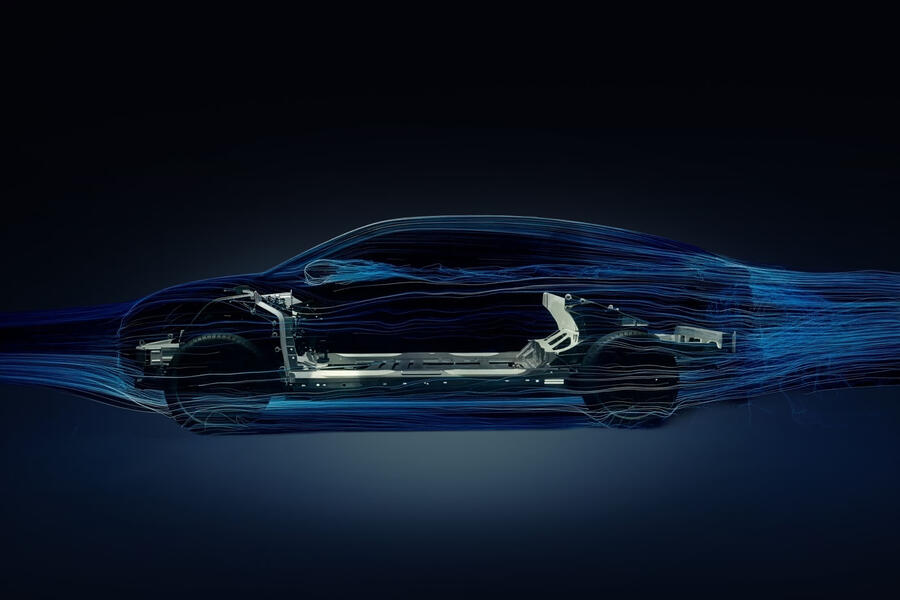
The primary technical objective of the skunkworks platform is a radical improvement in aerodynamic efficiency. In the EV world, aerodynamic drag is the enemy of range. Traditional pickups and SUVs, which have been Ford’s bread and butter for decades, are inherently "un-aerodynamic" due to their boxy shapes and high ground clearance. This lack of efficiency requires manufacturers to install larger, heavier, and more expensive batteries to achieve acceptable range figures.
Farley’s strategy flips this equation. By recruiting the "best aero people in the world" from the F1 paddock, Ford is focusing on reducing drag to the absolute minimum. "Every bit of aero we can improve will help us reduce the size of the battery," Farley stated. This is a critical point: batteries are the single most expensive component of an EV, often accounting for 30% to 40% of the total vehicle cost. By making the vehicle cut through the air more effectively, Ford can use a smaller, lighter battery pack while maintaining a competitive range.
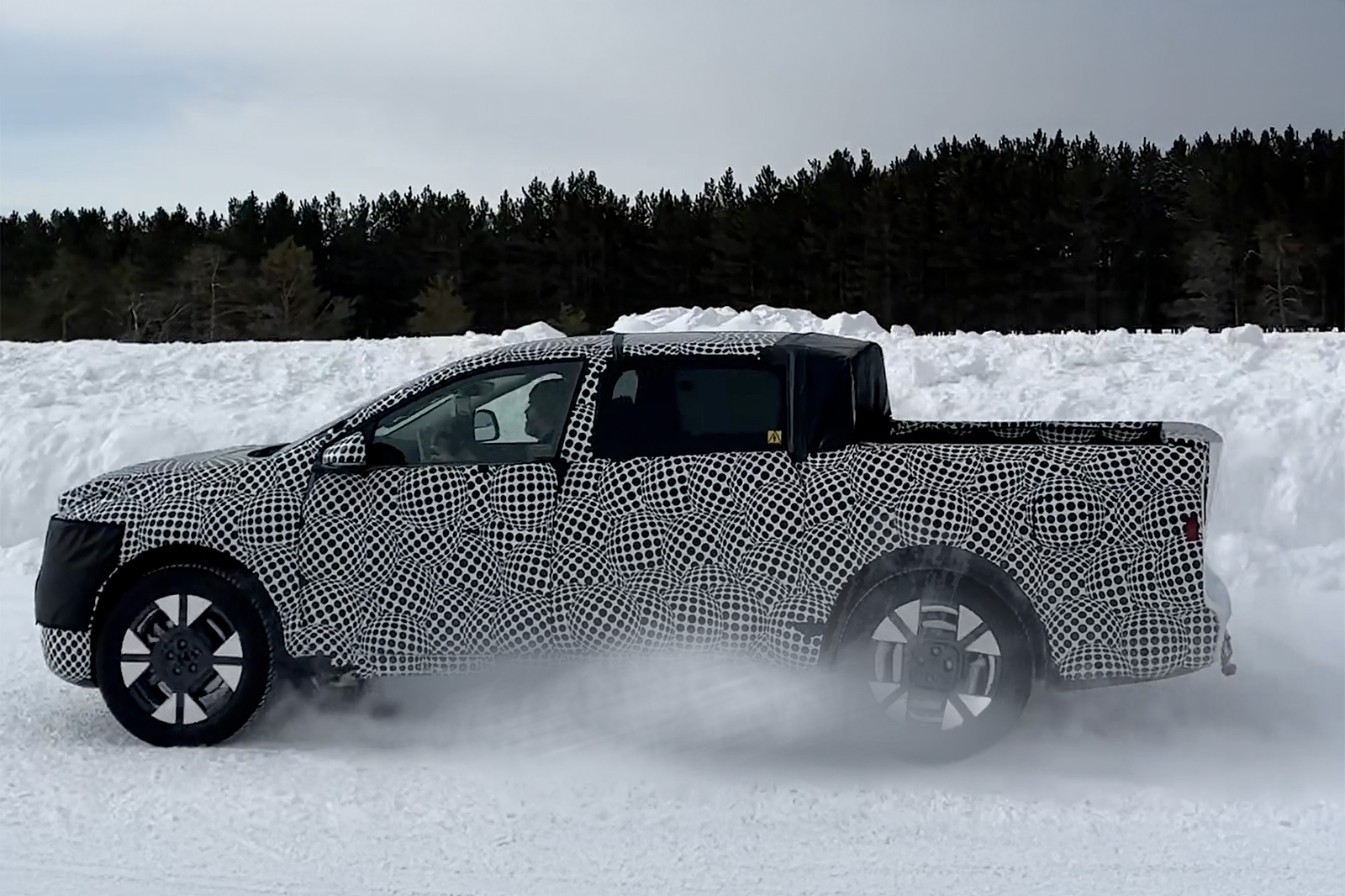
This focus has already yielded tangible results. Ford claims that the "Fathom"—the codename for a pickup truck based on this new platform—is 15% more aerodynamically efficient than any pickup currently available in the United States. In an industry where a 1% or 2% improvement is often considered a success, a 15% leap represents a generational shift in design philosophy.
Packaging and the "Fathom" Pickup
The benefits of this high-efficiency approach extend beyond the balance sheet. Because the platform allows for a smaller battery, the vehicle’s overall weight is reduced, which improves handling and reduces wear on tires and brakes. Furthermore, the absence of a massive battery pack opens up new possibilities for interior packaging.
Ford has revealed that the Fathom pickup, despite its focus on efficiency and lower cost, does not sacrifice utility. In fact, the company claims the vehicle offers more passenger space than the Toyota RAV4, which is currently one of the best-selling SUVs in the world. This is achieved through a "cab-forward" design and the strategic placement of the smaller battery modules, allowing for a flat floor and maximized legroom.
This comparison to the RAV4 is intentional. Ford is targeting the heart of the "cross-shopper" market—consumers who might currently drive a mid-sized internal combustion engine (ICE) SUV but are looking for a reason to switch to an EV. By offering the utility of a pickup with the interior volume of a popular SUV and the price tag of a well-equipped sedan, Ford believes it has found a winning formula.
Strategic Pivot: The Shift from "Big" to "Small"
The existence of the skunkworks project marks a significant pivot in Ford’s overarching EV strategy. For the past several years, the company’s "Model e" division has focused on electrifying its most iconic and largest nameplates, such as the F-150 Lightning and the Mustang Mach-E. While these vehicles were critical for establishing Ford’s presence in the EV market, they have faced challenges related to high production costs and fluctuating demand for premium-priced electric trucks.
During Ford’s Q4 2023 earnings call, Farley admitted that the company’s next generation of EVs would focus on smaller, more affordable platforms. This decision was driven by the realization that the "early adopter" phase of the EV market—where consumers were willing to pay $60,000 to $80,000 for a new technology—has largely saturated. To reach the next wave of buyers, Ford must compete in the $25,000 to $35,000 range.
This segment is also where the "Chinese threat" is most prevalent. Manufacturers like BYD and Geely have mastered the art of producing high-quality, low-cost EVs. Farley has been vocal about the need for American automakers to "get fit" to compete with Chinese exports. The skunkworks project is essentially Ford’s defensive and offensive maneuver against this global competition.
Chronology of the Skunkworks Project
The timeline of the skunkworks team suggests a rapid development cycle. The team was quietly formed roughly two years ago in Irvine, California. By operating outside of the Detroit ecosystem, the group was able to hire talent from Rivian, Tesla, Lucid, and Apple without the friction of traditional corporate relocation.
- Early 2022: Ford quietly establishes the Advanced EV development center in California.
- Late 2022: Alan Clarke is recruited from Tesla to lead the project.
- 2023: The team grows to approximately 100 engineers, focusing on a clean-sheet "low-cost" architecture.
- Early 2024: Jim Farley publicly acknowledges the team’s existence and emphasizes the focus on $30,000 price points.
- Mid-2024: Details emerge regarding the "Fathom" pickup and the 15% aerodynamic improvement over current market leaders.
- Expected 2026/2027: The first production vehicles based on the skunkworks platform are anticipated to hit the market.
Broader Impact and Industry Implications
Ford’s gamble on F1-style engineering for mass-market cars could set a new precedent for the industry. Historically, "trickle-down" technology from racing to road cars was reserved for high-end sports cars—features like carbon-ceramic brakes or active suspension. Farley is proposing a "trickle-down" of efficiency and physics-based design for the masses.
If Ford successfully delivers a $30,000 EV with the interior space of a RAV4 and the utility of a pickup, it could solve the "affordability gap" that currently plagues the US EV market. According to recent market data, the average transaction price for a new EV in the US remains above $50,000, while the average for an ICE vehicle is closer to $45,000. Bridging this $5,000 to $10,000 gap is essential for mass adoption.

Furthermore, the emphasis on battery size reduction has environmental implications beyond tailpipe emissions. Smaller batteries require fewer raw materials like lithium, cobalt, and nickel, which are often associated with complex and carbon-intensive supply chains. By needing less to do more, Ford’s skunkworks platform aligns with a more sustainable approach to electrification.
Conclusion: A High-Stakes Engineering Bet
Jim Farley is essentially betting the future of Ford’s "Model e" profitability on the laws of physics. By prioritizing aerodynamics and weight over sheer battery capacity, Ford is attempting to bypass the "brute force" engineering that has characterized many first-generation EVs.
The success of the Fathom and the Universal EV platform will depend on whether the skunkworks team can translate the precision of the F1 wind tunnel into the harsh realities of mass-market manufacturing. If they succeed, Ford may well have the "breakthrough product" Farley promises—a vehicle that makes electric mobility not just a luxury for the few, but a viable, attractive, and affordable choice for the many. As Farley noted, the industry may be shocked by what a small team of motorsport-inspired engineers can do when tasked with reinventing the American pickup.