Wolfgang Egger, the design chief for the Chinese automotive conglomerate BYD, is spearheading a strategic offensive into the European luxury market by establishing a dedicated design facility in Milan, Italy. Egger, whose previous tenure includes high-level design roles at Alfa Romeo, Audi, and Lamborghini, is leveraging his deep familiarity with European aesthetics to reposition BYD’s premium marque, Denza, as a direct competitor to the continent’s established legacy manufacturers. This move marks a significant shift in BYD’s global strategy, moving beyond mass-market electric vehicles to challenge the traditional hegemony of brands such as Porsche, Mercedes-Benz, and BMW on their home soil.
The new European headquarters in Milan is designed to serve as the nerve center for BYD’s regional operations, with a primary focus on research and development tailored to local sensibilities. According to Egger, the facility is not merely a satellite office but a "dedicated place for design research," intended to capture evolving European tastes and trends and translate them into cohesive design languages for both the BYD parent brand and the upscale Denza subsidiary. By embedding its design team in the heart of Italy’s fashion and industrial design capital, BYD aims to bridge the cultural and aesthetic gap that has historically hindered Chinese automotive brands from gaining traction in the high-end European segments.
Strategic Realignment: The Role of Wolfgang Egger
The appointment and subsequent empowerment of Wolfgang Egger have been central to BYD’s visual transformation. During his time at Audi, Egger was responsible for the design of several iconic models, and his influence at Alfa Romeo helped define the brand’s modern sporting identity. At BYD, he has been tasked with moving the company away from derivative styling toward a proprietary "Dragon Face" design language that balances Chinese heritage with global appeal.
The Milan studio represents the next phase of this evolution. By returning to his professional roots, Egger is attempting to "disrupt" the market by designing vehicles in the very environment where his competitors were born. This approach is rooted in the belief that for a brand like Denza to succeed, it must possess a "soul" and a level of material sophistication that resonates with buyers accustomed to the craftsmanship of Stuttgart and Ingolstadt.
The Denza Product Offensive: Targeting the High-End Segment
Denza, originally established as a 50-50 joint venture between BYD and Mercedes-Benz (now majority-owned by BYD), is the vehicle through which the company intends to capture the premium market. The brand’s European rollout is centered on two flagship models that target high-performance niches previously dominated by local players.
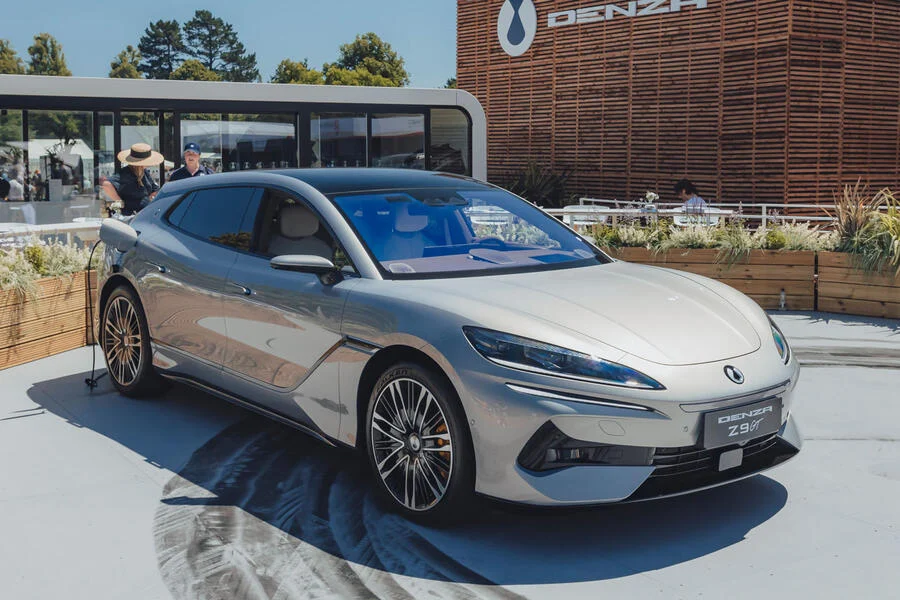
The Denza Z9 GT is positioned as a direct rival to the Porsche Panamera. Priced in the £100,000 range, the Z9 GT is a grand tourer that emphasizes both performance and luxury. It is built on BYD’s advanced e³ technology platform, which incorporates a tri-motor powertrain capable of delivering nearly 1,000 horsepower. This model serves as a showcase for what BYD describes as "technological luxury," combining high-end interior materials with features like independent rear-motor torque vectoring.
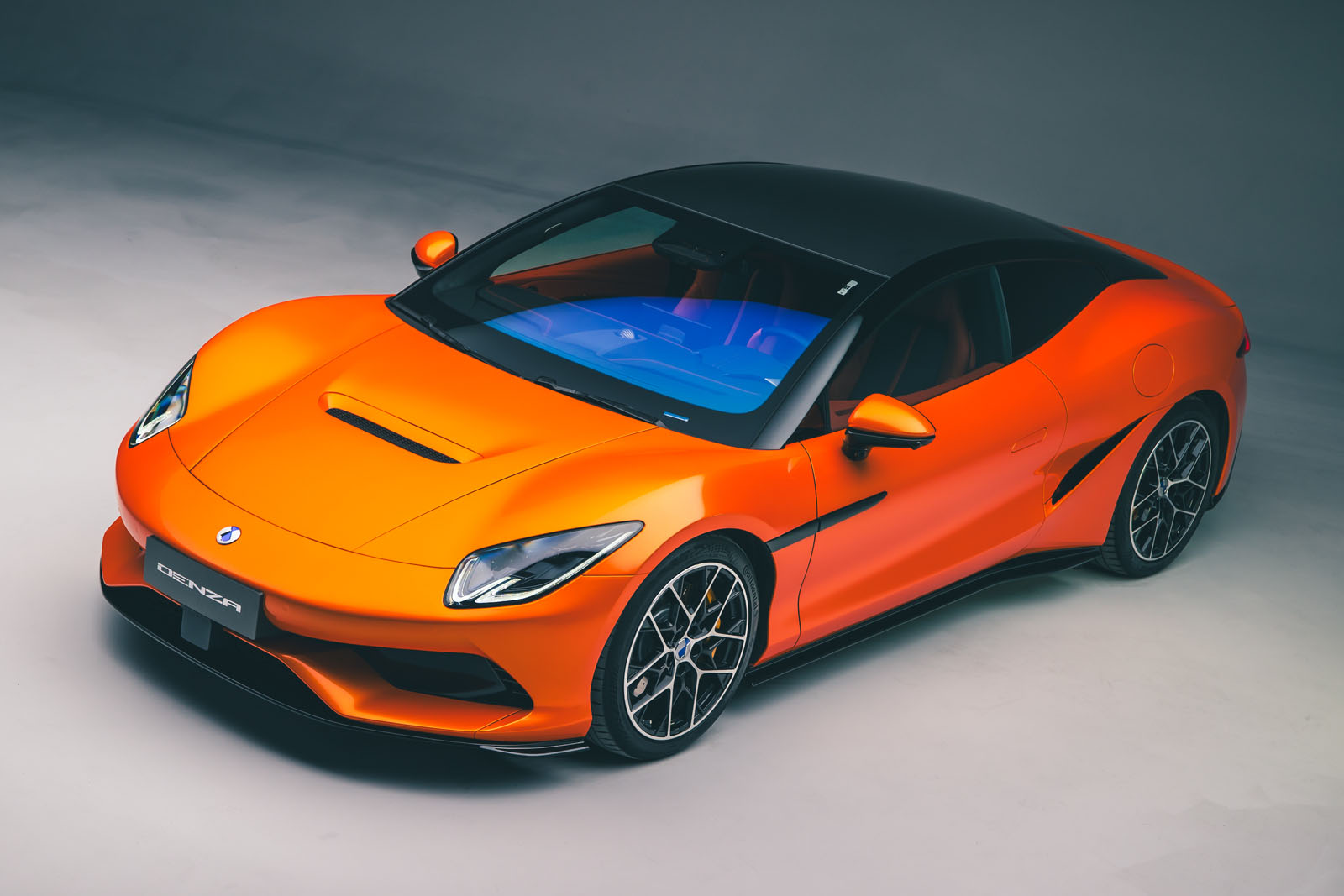
Following the Z9 GT is the Denza Z, a high-performance electric vehicle aimed at the Porsche 911 Turbo market. With an estimated price exceeding £150,000 and a power output nearing 1,600 horsepower, the Denza Z is designed to challenge the performance benchmarks of the world’s most storied sports car manufacturers. The inclusion of such a high-performance halo car in the lineup is a calculated move to establish Denza’s engineering credentials and erode the "brand prestige" advantage held by European marques.
Technical Innovation as a Market Entry Tool
While design is the primary focus of the Milan studio, BYD is relying on its vertical integration and technological innovation to differentiate Denza from legacy competitors. European premium buyers are notoriously loyal to domestic brands, a hurdle Egger acknowledges. However, he maintains that innovation is the key to breaking these long-standing ties.
Several key technologies have been highlighted as differentiators:
- The e³ Platform: This architecture allows for advanced maneuvers such as "tank turns," where the vehicle can rotate on its own axis by driving the wheels on each side in opposite directions.
- Active Suspension Systems: The Denza U9 (a related supercar) and high-end Denza models utilize magnetorheological suspension systems that can adjust damping in milliseconds, providing a balance between track-focused stiffness and grand-touring comfort.
- Blade Battery Technology: BYD’s proprietary lithium iron phosphate (LFP) battery technology offers safety and longevity advantages that the company believes will appeal to pragmatically-minded luxury buyers.
Egger asserts that these innovations, when packaged in a design that meets European standards of elegance and "materiality," create a compelling alternative to traditional internal combustion or early-generation electric luxury cars.
Why Milan? Materiality and Fashion Integration
The choice of Milan as the site for the design facility is a strategic decision that extends beyond automotive styling. Milan is a global hub for the fashion and luxury goods industries, providing access to a unique ecosystem of suppliers and trendsetters. Egger noted that the location allows the design team to "create contacts at the most important fashion houses" to exchange ideas on "trends and materials."
This focus on materials is a critical component of the Denza strategy. To compete with the likes of Bentley or high-end Mercedes-Maybach models, Denza must offer interior finishes that go beyond standard automotive plastics. Italy is a "tier-one" supplier for premium materials, including high-grade leathers and innovative sustainable textiles. By being physically present in Italy, BYD’s designers can collaborate directly with suppliers of recycled materials and new synthetic fabrics that are becoming increasingly popular in the luxury sector as consumers demand more environmentally conscious options.
Denza’s debut at the Milan Design Week—an event typically dominated by fashion icons like Prada, Gucci, and Fendi—underscores this intent. By associating the brand with high design rather than just automotive manufacturing, BYD is attempting to cultivate a lifestyle image that justifies its six-figure price tags.
Market Context and Chronology of BYD’s Expansion
The establishment of the Milan design hub is the latest step in a multi-year expansion plan for BYD in Europe.
- 2022: BYD officially launched its passenger car range in Europe at the Paris Motor Show, introducing the Atto 3, Han, and Tang. These models were primarily aimed at the mass and executive segments.
- 2023: The company expanded its lineup with the Dolphin and Seal, further solidifying its presence in the C and D segments. During the 2023 Milan Design Week, the company showcased the Denza brand to European audiences for the first time.
- 2024: BYD announced plans for a manufacturing plant in Hungary and another in Turkey, signaling a commitment to local production to mitigate potential tariffs and logistics costs.
- 2025 (Projected): The Milan design facility becomes fully operational, with the first European-influenced Denza models expected to hit the market.
This timeline illustrates a rapid transition from a Chinese exporter to a localized European player. The establishment of a design center in Italy follows the trend set by other global manufacturers who realized that "global" cars often fail to satisfy the specific aesthetic demands of the European elite.
Industry Analysis: The Challenge of Brand Loyalty
The primary obstacle for Denza is the entrenched nature of European brand loyalty. In the premium and luxury segments, purchasing decisions are often driven by heritage, prestige, and resale value—areas where a new Chinese brand faces a significant disadvantage.
Industry analysts suggest that BYD’s strategy mirrors that of Lexus in the 1990s or Tesla in the 2010s: lead with superior technology and value-for-money while slowly building a design identity. However, unlike Tesla, which benefited from a lack of competition in the EV space, Denza is entering a market where every major European luxury brand now has a robust electrification roadmap.
The success of the Milan hub will likely be measured by its ability to infuse Denza vehicles with a "European DNA" that feels authentic rather than imitative. If Egger and his team can successfully blend BYD’s technological advantages with the tactile and visual sophistication expected by European buyers, Denza could become the first Chinese premium brand to achieve significant volume in the region.
Broader Implications for the Automotive Landscape
BYD’s move into Milan is a clear signal to the European automotive industry that the "Chinese challenge" has evolved. It is no longer just about low-cost manufacturing and battery supply chains; it is now about competing for the "mindshare" of the luxury consumer.
The presence of a high-profile designer like Wolfgang Egger at the helm of this initiative adds a layer of credibility that previous Chinese attempts at the European market lacked. By hiring from within the European establishment and setting up shop in one of the continent’s most prestigious cities, BYD is signaling that it intends to play by the rules of the European luxury market—while simultaneously trying to rewrite them through technological disruption.
As Denza prepares to launch the Z9 GT and the Z across the continent, the automotive world will be watching closely to see if Italian design and Chinese engineering can create a formula potent enough to unseat the traditional kings of the Autobahn. The Milan facility is not just a design studio; it is the frontline of a new era in global automotive competition.