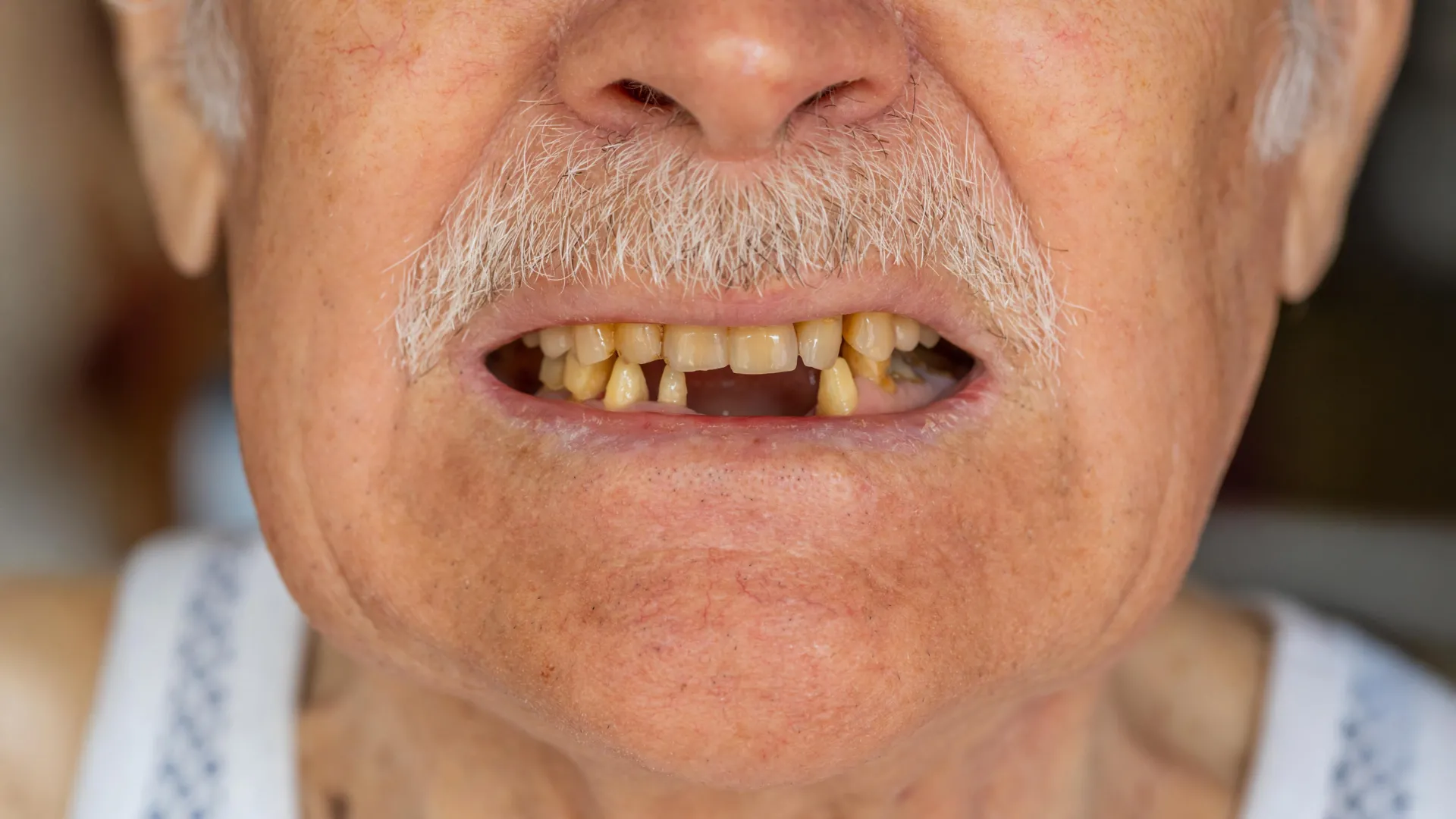
Researchers at Hiroshima University have uncovered a potentially significant correlation between the number of natural teeth a person retains and their long-term survival prospects following surgery for pancreatic ductal adenocarcinoma (PDAC), one of the most aggressive and challenging forms of cancer. This groundbreaking study, published in the Journal of Hepato-Biliary-Pancreatic Sciences, suggests that oral health, often overlooked, could serve as a surprisingly insightful indicator of a patient’s overall systemic resilience and long-term prognosis after undergoing complex pancreatic surgery.
The Unseen Link: Oral Health and Pancreatic Cancer
The connection between oral health and overall well-being is not a new concept. For decades, medical science has acknowledged the intricate relationship between the state of the mouth and systemic health outcomes. Previous research has established links between poor dental health and prognoses in various cancers, including colorectal and esophageal cancers. Furthermore, earlier investigations had already hinted at a connection between oral health status and the occurrence of complications following surgery for PDAC, a malignancy notorious for its dismal survival rates.
The Hiroshima University team embarked on their research with a specific objective: to rigorously investigate whether the condition of a patient’s oral cavity, particularly their natural tooth count, was associated with how long they survived after undergoing resection – the surgical removal of all or part of the pancreas – for PDAC. This endeavor sought to move beyond anecdotal observations and establish a statistically robust link, providing clinicians with a novel, non-invasive metric for risk assessment.
A Closer Look at the Study Methodology
The comprehensive study involved a cohort of 339 consecutive patients who underwent radical pancreatectomy between 2014 and 2022 at the Department of Surgery at Hiroshima University Hospital. Radical pancreatectomy is a major surgical procedure, often involving the removal of not only the pancreas but potentially adjacent organs such as a portion of the stomach, duodenum, gallbladder, bile duct, and nearby lymph nodes. The complexity and invasiveness of this surgery underscore the critical importance of identifying any factor that could help predict a patient’s recovery and long-term outlook.
Crucially, prior to their surgical intervention, every participating patient underwent a thorough dental examination. The researchers meticulously assessed oral health using two primary metrics: the precise number of natural teeth remaining in the patient’s mouth and the status of their occlusion, specifically focusing on the contact between their premolar and molar teeth. Occlusion refers to the way the upper and lower teeth fit together when the jaw is closed, a key indicator of chewing efficiency and bite stability.
Striking Survival Disparities Revealed
The findings of the study were nothing short of striking, revealing a substantial and statistically significant difference in survival rates directly correlated with the number of natural teeth a patient possessed. Patients who retained 21 or more natural teeth exhibited a median overall survival of an impressive 60.7 months. In stark contrast, individuals who had 20 or fewer natural teeth experienced a significantly shorter median survival of 39.1 months. This represents a difference of over two years in median survival, a magnitude that warrants serious clinical consideration.
What makes these findings particularly compelling is their resilience against confounding factors. The observed relationship between tooth count and survival remained statistically significant even after the researchers meticulously adjusted for a range of well-established prognostic indicators. These included critical variables such as tumor stage (the extent of cancer spread), lymph node metastasis (the presence of cancer in nearby lymph nodes), the status of surgical margins (whether all cancerous tissue was believed to have been removed), the administration of chemotherapy, and the patient’s nutritional status. The ability of tooth count to predict survival independently of these established markers highlights its unique predictive power.
Beyond Chewing: Unpacking the Broader Significance of Tooth Loss
Kenichiro Uemura, an associate professor at Hiroshima University’s Graduate School of Biomedical and Health Sciences and the corresponding author of the study, elaborated on the implications of these findings. "Pancreatic cancer remains one of the deadliest malignancies worldwide, and even after curative resection, prognosis is often poor," Professor Uemura stated. "Recently, several high-impact studies have suggested that periodontal pathogens such as Porphyromonas gingivalis may contribute to pancreatic carcinogenesis and tumor progression. However, it has remained unclear whether oral health itself influences postoperative survival outcomes in patients with pancreatic cancer."
Professor Uemura further commented on the unexpected nature of some of the results. "One striking finding was the large survival difference between the groups: patients with more natural teeth survived nearly two years longer than those with fewer teeth," he noted. "Another surprising finding was that chewing function itself, evaluated by posterior teeth occlusion, was not independently associated with survival. This suggests that tooth loss may represent more than oral function alone. Instead, it may reflect lifelong chronic inflammation, frailty, nutritional condition, lifestyle factors, and overall systemic vulnerability accumulated over decades. A simple way to express this concept is: ‘The mouth may reflect the body’s long-term resilience.’"
The absence of an independent association between chewing ability and survival is a pivotal observation. It strongly suggests that the number of teeth is not merely a proxy for how effectively a patient can eat and maintain their nutritional intake during the challenging post-operative period. Instead, it appears to act as a broader biomarker, a tangible manifestation of a patient’s cumulative health status over many years.
According to the researchers, tooth loss could be an indicator of a multitude of underlying issues that have developed and persisted over a lifetime. These may include the persistent, low-grade inflammation that characterizes many chronic diseases, the gradual decline in physical resilience associated with aging and frailty, long-standing nutritional deficiencies, the cumulative effects of lifestyle choices, and the overall burden of systemic stresses that the body has endured over decades. In essence, the state of a person’s teeth may be a visible testament to their body’s ability to withstand and recover from chronic challenges.
Contextualizing Pancreatic Cancer and its Challenges
Pancreatic ductal adenocarcinoma (PDAC) accounts for the vast majority of pancreatic cancers, estimated at over 90%. Its insidious nature often means it is diagnosed at late stages when surgical intervention is no longer a viable option. Even when diagnosed early enough for curative resection, the prognosis remains grim. The 5-year survival rate for all stages combined is notoriously low, often hovering around 10-11%, a figure that has seen only marginal improvement over the past several decades despite advancements in other cancer treatments.
The complexity of the pancreas, its deep anatomical location within the abdomen, and its close proximity to vital blood vessels and organs make surgical removal an extremely demanding procedure. Recovery is often prolonged and fraught with potential complications, including pancreatic fistulas, delayed gastric emptying, infections, and significant nutritional challenges. Consequently, any factor that can help stratify patients into different risk categories or guide perioperative management is of immense value.
The Historical Trajectory of Oral Health Research in Oncology
The current study builds upon a growing body of evidence that links oral health to cancer. Historically, the focus was often on the oral microbiome and its potential role in cancer development. For instance, research has explored the link between specific oral bacteria, such as Fusobacterium nucleatum, and an increased risk or poorer prognosis in colorectal cancer. Similarly, Porphyromonas gingivalis, a bacterium implicated in severe gum disease, has been investigated for its potential role in promoting pancreatic cancer growth and metastasis.
However, the Hiroshima University study shifts the focus from specific pathogens to a more holistic measure of oral health: the sheer number of natural teeth. This broader metric could encapsulate the cumulative impact of years of oral neglect, systemic inflammatory conditions affecting the gums and supporting structures, lifestyle choices impacting oral hygiene, and the overall physiological decline that can lead to tooth loss.
Future Directions and Clinical Implications
While the findings are highly promising, the researchers acknowledge the limitations of their study. The research was conducted at a single academic center and involved a patient population predominantly of Japanese ethnicity. Therefore, the findings will require validation in larger, multicenter, and international studies to confirm their generalizability across diverse populations and healthcare settings.
Moving forward, the Hiroshima University team aims to delve deeper into the biological mechanisms that might connect oral health, chronic inflammation, and pancreatic cancer progression. Understanding these pathways could pave the way for novel therapeutic strategies.
"Our ultimate goal is to establish a new perspective in pancreatic cancer care: prognosis may depend not only on tumor biology, but also on the patient’s long-term systemic condition and oral health environment," Professor Uemura concluded. "We hope oral health assessment may eventually become part of personalized risk stratification and perioperative management for pancreatic cancer patients."
The implications of this research are far-reaching. If further studies confirm these findings, an oral health assessment – a simple, non-invasive, and cost-effective procedure – could become an integral part of the preoperative evaluation for patients undergoing pancreatic surgery. This could allow clinicians to identify patients who may be at higher risk for poorer outcomes and tailor their care accordingly. This might involve more intensive nutritional support, enhanced post-operative monitoring, or even targeted interventions aimed at improving oral hygiene and potentially mitigating systemic inflammation.
The study represents a significant step towards integrating oral health more prominently into the broader landscape of oncological care, suggesting that a healthy mouth might indeed be a reflection of a resilient body, capable of navigating the formidable challenges posed by aggressive cancers like pancreatic ductal adenocarcinoma. The collaborative effort involved several researchers from Hiroshima University and Hiroshima Memorial Hospital, with Kaoru Seo serving as the first author and Kenichiro Uemura as the Principal Investigator.