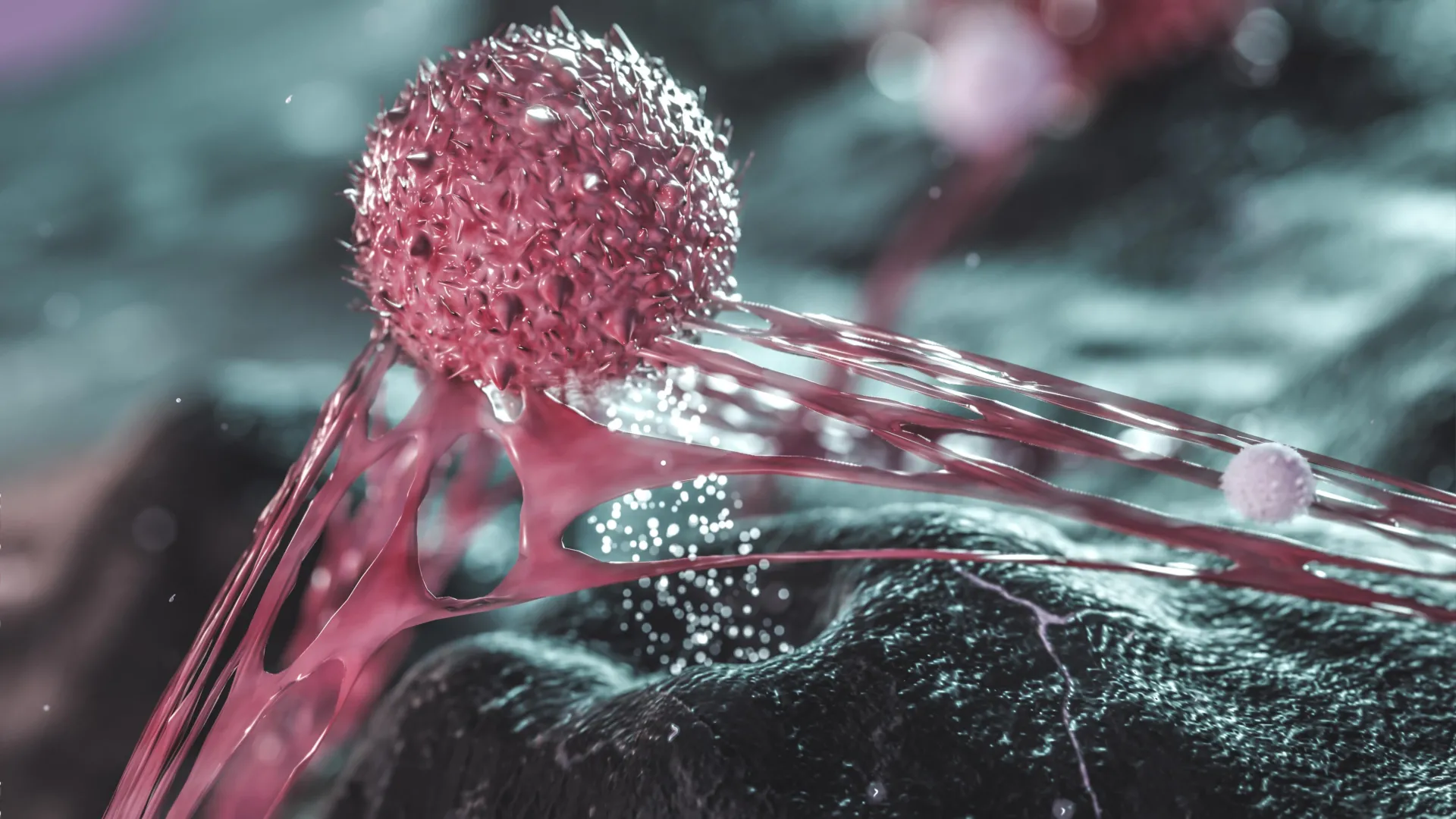
Researchers from the MRC Laboratory of Medical Sciences (LMS), Imperial College London, and UCL Genetics Institute have constructed a groundbreaking cellular atlas of breast tumors, unveiling intricate internal landscapes populated by distinct zones of cancer cells. This comprehensive mapping effort has identified separate regions characterized by actively dividing cancer cells alongside areas harboring dormant, or quiescent, cancer cells. Published in the esteemed journal Genome Medicine, these pivotal findings illuminate a crucial aspect of tumor biology: that these inactive cancer cells are often enmeshed within a complex microenvironment, frequently surrounded by immune and connective tissue cells that may inadvertently offer them protection from therapeutic interventions.
This paradigm-shifting research suggests that the future of cancer therapy will necessitate a more nuanced approach, extending beyond the current focus on eradicating rapidly proliferating tumor cells. The findings strongly advocate for therapeutic strategies that can effectively target dormant cancer cells and their surrounding protective niches. The ultimate goal is not only to halt tumor progression but also to significantly reduce the risk of disease recurrence, a persistent challenge in breast cancer management.
Unveiling the Hidden Architecture of Breast Tumors
Breast tumors, long understood to be heterogeneous entities, are now revealed to be even more complex than previously appreciated. This intricate ecosystem comprises a diverse array of cell types, each playing a potential role in tumor growth, survival, and resistance. While rapidly multiplying cancer cells have been the primary target of conventional therapies, this new research shines a spotlight on a particularly concerning population: cancer cells that remain unusually quiet, existing in a state of dormancy.
These quiescent cells possess the unsettling capacity to evade current treatments and subsequently contribute to the spread of cancer, or metastasis, and its eventual return. The collaborative team at the LMS and UCL embarked on this ambitious project with the objective of precisely locating these dormant cells within untreated tumors, identifying their unique characteristics, and understanding the cellular neighborhood in which they reside.
Leveraging publicly available datasets, the researchers meticulously built detailed cellular maps of breast cancer tumors. Their analysis revealed the presence of distinct clusters of quiescent cells, critically, these clusters were consistently found to be ensconced by other cell types that appear to form a protective barrier, shielding them from external threats.
The Peril of Dormant Cancer Cells
Dr. Alexis Barr, co-lead author of the study and head of the Cell Cycle Control group at the LMS, emphasized the profound danger posed by these quiescent cancer cells. "Quiescent cancer cells are very dangerous," Dr. Barr stated. "These cells can hide from chemotherapy and then remain in this dormant quiescent state in the tumor, and then later reactivate to drive proliferation."
Cancer cells can enter this dormant state as a survival mechanism in response to the often-stressful conditions found within a rapidly expanding tumor. As tumors grow aggressively, the supply of blood vessels, and consequently nutrients and oxygen, may not always keep pace with the demands of the proliferating cells. In such scenarios, some cancer cells opt to effectively halt their growth processes, entering a state of suspended animation.
This biological strategy can be likened to a hibernating animal enduring harsh environmental conditions. These dormant cells can remain inactive indefinitely, awaiting a more favorable environment that may arise after initial treatment has concluded.
Dr. Barr further elaborated on the imperative of understanding these cells: "If we want to achieve long-term control of peoples’ tumors and prevent tumor relapse, we have to focus on these dormant quiescent cancer cells, and have to understand more about them." This sentiment underscores the critical need for research that moves beyond the immediate destruction of visible tumors to address the underlying mechanisms that enable long-term disease persistence.
A Cell-by-Cell Cartography of Tumors
To unravel the mysteries of these hidden cell populations, Dr. Barr collaborated closely with Dr. Maria Secrier’s computational biology team at UCL. Together, they employed cutting-edge techniques to construct an unprecedentedly detailed picture of the tumor microenvironment, encompassing not only the cancer cells themselves but also the surrounding immune and support cells.
The research team integrated two powerful technologies: single-cell RNA sequencing and spatial transcriptomics. Single-cell RNA sequencing enabled the analysis of gene expression in individual cells, revealing which genes were active or inactive within each cell. This was then combined with spatial transcriptomics, a technique that precisely maps the location of these cells within the tumor and identifies their immediate cellular neighbors. This dual approach provided a comprehensive, high-resolution view of the tumor’s cellular architecture.
The results of this intricate mapping process yielded a striking observation. "We found cells that resemble therapy-resistant cells already residing in the tumor before we give any treatment," Dr. Secrier remarked, suggesting that certain characteristics associated with treatment resistance might be inherent to some cancer cells even before therapy begins, rather than solely emerging as a response to it. This finding has significant implications for understanding why some treatments fail.
Intriguingly, this pattern of pre-existing therapy-resistant traits was observed in both aggressive forms of breast cancer and slower-developing subtypes. This was an unexpected outcome, as quiescence had historically been more closely associated with slower-growing diseases, challenging previous assumptions about the biology of dormancy.
Protective Enclaves Surrounding Dormant Cells
The comprehensive analysis extended beyond the cancer cells to meticulously examine the diverse array of supporting cell types that infiltrate and become integral to the tumor microenvironment. This investigation revealed a consistent and significant pattern: dormant cancer cells were frequently found in close proximity to specific types of non-cancerous cells.
Specifically, quiescent cancer cells were often located near CXCL10-positive macrophages, a type of immune cell, and myofibroblastic cancer-associated fibroblasts (CAFs), a type of tumor-supporting cell. These surrounding cells may be actively recruited to the tumor or undergo changes in their function that collectively serve to protect the dormant cancer cells.
One compelling hypothesis is that these stromal cells create a physical or biochemical barrier, effectively shielding the quiescent cancer cells from the cytotoxic effects of anti-cancer immune cells or therapeutic agents. This protective shield could prevent essential treatment components from reaching and eradicating the inactive cells.
"The cancer cells are really encapsulated within these areas of macrophages and fibroblasts that we think act as shields for these dormant cancer cells," Dr. Secrier explained. However, she also acknowledged the complexity of the relationship: "But we don’t yet know the direction of cause and effect: whether the surrounding cells push cancer cells into dormancy or if the cancer cells attract or alter their surroundings. It’s very likely coming from both sides." This bidirectional interaction highlights the dynamic and complex nature of the tumor microenvironment.
Tailoring Treatments to Diverse Tumor Regions
The fundamental mechanism of many chemotherapy drugs relies on targeting rapidly dividing cells, as these cells are actively engaged in DNA replication and cell division, making them susceptible to agents that interfere with these processes. Dormant cells, by their very definition, are not actively multiplying, rendering them significantly less vulnerable to these conventional therapies.
The findings from this study strongly suggest that different regions within the same tumor may exhibit disparate responses to treatment. The researchers identified increased activity in the complement pathway – a crucial component of the innate immune system – within the niches occupied by dormant cells. This observation opens up the possibility that therapies specifically designed to target this pathway could enhance the vulnerability of these dormant cell populations, making them more susceptible to eradication.
Furthermore, the supporting stromal cells surrounding dormant cancer cells present another potential avenue for therapeutic intervention. However, further research is critically needed to definitively establish whether these cells actively maintain cancer cell dormancy and to quantify their overall importance to cancer cell survival.
"Different parts of the tumor will likely respond to different drugs," Dr. Secrier stated. "If we understand what drug combinations we can use to target both the proliferative and the dormant areas, potentially that could be more successful than current therapies. This is giving us a first insight into how we can then intervene with different therapeutics that specifically target different areas of the tumor where the cells have adapted and have evolved differently." This highlights the promise of personalized and combination therapies tailored to the unique cellular landscape of individual tumors.
Dr. Barr echoed this sentiment, underscoring the ongoing need for comprehensive research: "It is clearly important to focus on proliferative cancer cells, but we also need to understand this population of quiescent dormant cancer cells. And that’s been less studied." The historical underestimation of dormant cells has likely contributed to the limitations of existing treatment regimens.
A Promising Trajectory Towards Durable Cancer Control
While the insights generated by this detailed cellular mapping are profound, the study’s authors emphasize that these hypotheses require rigorous experimental validation. Nevertheless, the ability to identify treatment-resistant cellular niches that pre-exist within tumors, and to understand the intricate network of supporting cells that sustain them, holds immense potential for the development of more effective and durable combination cancer therapies.
By precisely mapping quiescent cancer cells and their supportive microenvironments, scientists are moving closer to designing therapeutic strategies that can simultaneously assail both the rapidly growing, visible portions of a tumor and the insidious dormant cells that possess the capacity to survive, evade detection, and re-emerge to drive disease recurrence. This represents a significant leap forward in the fight against breast cancer, offering a tangible path toward improving long-term patient outcomes and reducing the devastating impact of cancer relapse.
The research was primarily supported by funding from a UKRI Future Leaders Fellowship, the Medical Research Council, and the Biotechnology and Biological Sciences Research Council, underscoring the collaborative and well-resourced nature of this critical scientific endeavor.