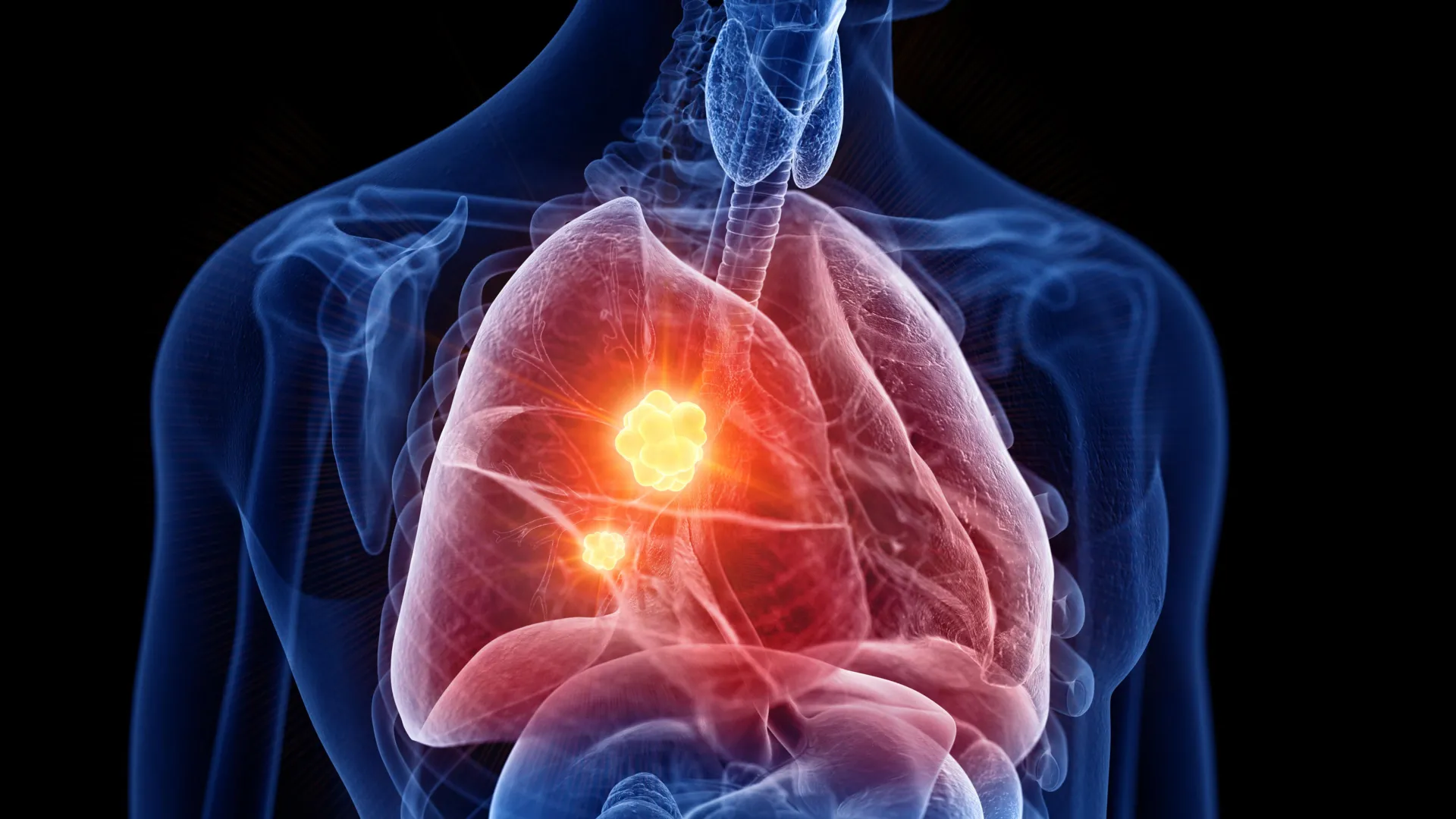
Mesothelioma, a devastating and aggressive cancer primarily linked to asbestos exposure, is facing a critical challenge in its treatment landscape. With an estimated 30,000 new diagnoses globally each year, and limited therapeutic options, the prognosis for patients remains grim. However, groundbreaking research emerging from the University of Vermont (UVM) and an international consortium of collaborators offers a beacon of hope, introducing an innovative strategy that targets cancer cells in an unprecedented way and has shown encouraging results in early-stage human trials.
The Dire Reality of Mesothelioma
Mesothelioma is a particularly insidious disease. It typically arises in the mesothelium, a protective lining that covers many internal organs, most commonly the lungs (pleural mesothelioma) but also the abdomen (peritoneal mesothelioma) and heart (pericardial mesothelioma). The latency period between asbestos exposure and diagnosis can be decades, meaning individuals who worked in industries heavily reliant on asbestos – such as shipbuilding, construction, mining, and asbestos manufacturing – are at the highest risk. When inhaled, microscopic asbestos fibers can become embedded in the mesothelial lining, leading to chronic inflammation and cellular damage. Over many years, this persistent irritation can trigger the uncontrolled cell growth characteristic of cancer.
The statistics underscore the severity of mesothelioma. The median survival for diagnosed patients is approximately 12 months, with a five-year survival rate hovering around a stark 10 percent. This dire outlook highlights a significant unmet medical need, as articulated by Brian Cunniff, a professor at the University of Vermont and a key figure in this new research. "It’s a disease of a significant unmet medical need," Cunniff stated, reflecting the widespread concern within the oncology community.
A Paradigm Shift in Cancer Therapy
The conventional approach to cancer treatment has often focused on bolstering the body’s defenses or directly attacking cancer cells. However, the UVM-led research, published in the prestigious journal Nature Communications, takes a counterintuitive yet potentially more effective route: it exploits a critical vulnerability within cancer cells themselves.
Many cancer cells, including those responsible for mesothelioma, exhibit a metabolic frenzy that results in the overproduction of "reactive oxygen species" (ROS). These are unstable molecules that can damage cellular components. While ROS can be harmful, cancer cells have evolved sophisticated defense mechanisms to neutralize them. One such crucial defense is an antioxidant enzyme called peroxiredoxin 3 (PRX3), which plays a vital role within the mitochondria, the powerhouses of the cell.
For years, the prevailing scientific thinking was that increasing antioxidants might help fight cancer by reducing ROS. However, many clinical trials based on this premise have failed, and some even suggested that boosting antioxidants could inadvertently fuel tumor growth. The UVM team, led by Cunniff and research scientist Victoria Gibson, flipped this logic on its head. Instead of trying to bolster antioxidant defenses, they investigated what would happen if cancer cells were deprived of one of their most important protective enzymes.
The Thiostrepton Breakthrough
The experimental treatment developed by RS Oncology, a private pharmaceutical company spun out of UVM research, leverages this new understanding. The core of the strategy lies in disabling PRX3. The drug, a modified version of a naturally occurring antibiotic called thiostrepton, is designed to specifically inhibit PRX3.
When PRX3 is blocked, the internal environment of the tumor cell becomes overwhelmed by oxidative stress. Hydrogen peroxide, a key ROS molecule, accumulates within the mitochondria, leading to irreversible damage and ultimately, cell death. This approach is particularly promising for cancer cells because they are already operating at a higher metabolic rate and producing more ROS than normal cells, making them inherently more susceptible to this targeted overload. Furthermore, PRX3 has a faster turnover rate in tumor cells, suggesting that the drug could selectively target cancer while minimizing harm to healthy tissues.
Laboratory experiments have provided compelling evidence for this mechanism. When PRX3 was completely removed from mesothelioma cell lines in vitro, mitochondrial function plummeted, cell growth slowed dramatically, and the cancer cells were unable to form tumors in animal models. Crucially, research on healthy mice demonstrated that eliminating PRX3 did not result in adverse side effects. This finding is significant because mitochondria are fundamental to the function of nearly all cells, and targeting them has historically raised concerns about widespread toxicity. "People will come up to us at conferences and state that you can’t target the mitochondria because they’re too important," commented Gibson, highlighting the validation provided by their preclinical data. "The evidence — that you can knock out PRX3 in mice and there’s no adverse phenotype — supports our approach."
From Bench to Bedside: The Clinical Journey
The scientific journey that led to this innovative treatment began around 2015 at UVM’s Cancer Center. Early experiments with thiostrepton yielded promising results, prompting researchers to establish RS Oncology to facilitate the translation of these discoveries into clinical applications. Brian Cunniff serves as the Chief Science Officer for RS Oncology, bridging the academic and commercial realms.
The team then focused on transforming thiostrepton into a clinically viable formulation, ultimately developing RSO-021. This experimental drug underwent a Phase I clinical trial between 2022 and 2023 in the United Kingdom, conducted under the watchful eye of the Medicines and Healthcare products Regulatory Agency (MHRA), the UK’s equivalent of the U.S. Food and Drug Administration (FDA).
A key aspect of the trial design was the method of drug delivery. Mesothelioma patients frequently experience "pleural effusions," a painful buildup of fluid in the space between the lung and the chest wall, which often requires the insertion of a catheter for drainage. This existing infrastructure provided a direct route for administering RSO-021. The drug was delivered directly into the chest cavity, allowing for a high concentration of the medication to reach the tumor site while minimizing systemic exposure and potential side effects in the rest of the body. Approximately 90 percent of mesothelioma patients develop pleural effusions, making this localized delivery method highly relevant.
Promising Early Trial Results
The Phase I trial, designed primarily to assess the safety and tolerability of RSO-021, met its objectives. The drug was found to be generally well-tolerated at a dose of 90 milligrams, and importantly, no patient deaths were attributed to the treatment.
Beyond safety, the trial yielded significant clinical data. Researchers observed evidence in patient tissue samples confirming that RSO-021 was effectively targeting its intended biological pathway, validating the mechanism observed in preclinical studies. While the average progression-free survival was approximately 4.2 months, comparable to existing treatments, the overall survival data was particularly encouraging. Among the 15 patients in the cohort, those receiving RSO-021 demonstrated better survival rates than typically seen with current standard therapies. Cunniff described this finding as a potential "game changer," expressing optimism that these promising results will persist as more patients are treated.
Furthermore, the study hinted at a dual action for RSO-021. In addition to its direct cytotoxic effect on cancer cells, the drug appeared to modulate the tumor microenvironment, potentially enhancing the immune system’s ability to recognize and attack the cancer. "Our drug has both cytotoxic activity, it can kill the tumor cells, but it also has immunomodulatory capacity where it can modulate the immune system to now manage the tumor," Cunniff explained. This dual action could be a significant advantage in combating a disease as aggressive as mesothelioma.
Phase II of the clinical trial has now been completed, with researchers anticipating the presentation of these results at a major global oncology meeting later this year.
Expanding the Horizon: Beyond Mesothelioma
The implications of this research extend far beyond mesothelioma. The scientific team is actively pursuing the development of second-generation PRX3 inhibitors, aiming for improved solubility that could pave the way for oral formulations. Such advancements would significantly enhance patient convenience and broaden the potential applicability of this therapeutic strategy to a wider range of cancers.
At UVM, Victoria Gibson is continuing her work as a postdoctoral researcher, focusing on investigating thiostrepton for peritoneal malignancies, including mesothelioma and other gastrointestinal cancers. This research is being conducted in collaboration with Conor O’Neill, a surgical oncologist at the UVM Cancer Center and UVM Health. "We believe this mechanism could be applicable to other cancers," Cunniff affirmed, underscoring the broad potential of this novel approach.
For researchers like Gibson, the journey from laboratory discovery to human clinical trials has been deeply rewarding. "I’ve always just had a desire to help people because I feel like everyone has experienced cancer in their life, whether it’s them, friends, or family members," she shared. The profound impact of their work was brought home when a family member contacted the lab hoping to enroll a dying father in the clinical trial. "We just work in a lab all day working with cells," Gibson recalled, "and the fact that we’re making an impact on people, that they’re wanting to be on this clinical trial, just was amazing to me." This personal connection underscores the critical importance of relentless scientific inquiry in the face of devastating diseases.
The development of RSO-021 represents a significant step forward in the fight against mesothelioma and potentially other cancers. By cleverly exploiting the inherent vulnerabilities of cancer cells, this research offers a novel and promising therapeutic avenue, providing a much-needed glimmer of hope for patients and their families. The continued progress of this research, from the laboratory bench to advanced clinical trials, signifies the power of scientific innovation in addressing the most pressing challenges in human health.