The Department of Culture and Tourism (DCT) Abu Dhabi is implementing a comprehensive strategic recovery plan to address a recent downturn in hospitality metrics, leveraging a dense calendar of high-profile events and long-term cultural investments to stabilize the sector. Following a year-to-date decline of 14.2% in hotel guest numbers, which currently stand at 3.2 million, the emirate is pivoting toward a high-intensity fourth quarter. This downturn, largely attributed to regional geopolitical instability and the broader implications of tensions involving the United States and Iran, has prompted a shift in how the UAE capital markets itself to international and domestic travelers. Data exclusively shared by DCT Abu Dhabi indicates that hotel guests for August fell by 5.2% year-on-year to 512,000, highlighting the immediate challenges faced by the tourism board in maintaining the momentum seen in previous fiscal years.
Analyzing the Statistical Landscape and Current Downturn
The 14.2% year-to-date drop represents a significant hurdle for an economy that has prioritized tourism as a pillar of its post-oil diversification strategy. While the figure of 3.2 million guests remains substantial, the comparative decline reflects the sensitivity of the Middle Eastern travel market to external shocks. The August figures, specifically the 5.2% year-on-year dip to 512,000 guests, suggest that while the summer months are traditionally slower due to extreme heat, the added layer of regional uncertainty has further dampened the appetite for international arrivals.
Despite these figures, DCT Abu Dhabi remains optimistic about the annual outlook. Officials point to the cyclical nature of the industry and the specific timing of the current downturn. The decline is viewed as a temporary contraction rather than a structural failure of the tourism ecosystem. To counter these numbers, the emirate is looking toward its "Big Three" catalysts for the remainder of the year: the Formula 1 Etihad Airways Abu Dhabi Grand Prix, the progress and eventual unveiling of the Guggenheim Abu Dhabi, and a saturated schedule of business and entertainment events in the final three months of the year.
Geopolitical Headwinds and the "Certainty" Factor
The primary driver behind the recent volatility has been identified as the geopolitical climate. The heightened tensions between the United States and Iran have created a ripple effect across the Persian Gulf, impacting flight paths, maritime security, and, most critically, traveler perception. In the tourism sector, perception often dictates reality; even in the absence of direct conflict within the UAE’s borders, the proximity to regional flashpoints can lead to a "wait-and-see" approach from international tour operators and individual travelers.
Abdulla Yousuf, the Director of International Relations at DCT Abu Dhabi, acknowledged that the current performance is slightly below the previous year’s benchmarks but emphasized that the causes remain "beyond our control." This sentiment reflects a broader trend in the Middle East where tourism boards must often navigate external political variables that fluctuate independently of local infrastructure quality or marketing efficacy. According to Yousuf, the strategy is now focused on reclaiming the narrative by providing a sense of stability and "certainty" to international partners.
The Resurgence of MICE and Corporate Travel
One of the most significant casualties of the recent regional uncertainty has been the Meetings, Incentives, Conferences, and Exhibitions (MICE) sector. This segment is vital for Abu Dhabi, as corporate travelers typically have a higher per-capita spend than leisure tourists. Many event organizers opted to postpone major gatherings scheduled for the first half of the year, seeking a more stable political environment before committing to large-scale international delegations.
Yousuf noted that this "postponement phase" is now concluding. Corporate and MICE business is expected to rebound strongly in the third and fourth quarters as these delayed events finally take place. The logic behind this recovery is grounded in the necessity of these events; for many industries, particularly energy, defense, and technology, Abu Dhabi serves as a critical regional hub that cannot be bypassed indefinitely. The rescheduling of these events into the final quarter is expected to create a "compression effect," leading to high hotel occupancy rates and increased RevPAR (Revenue Per Available Room) as the year draws to a close.
A Timeline of Strategic Catalysts: Formula 1 and Cultural Landmarks
The roadmap for Abu Dhabi’s recovery is punctuated by several key milestones that serve as global magnets for tourism.
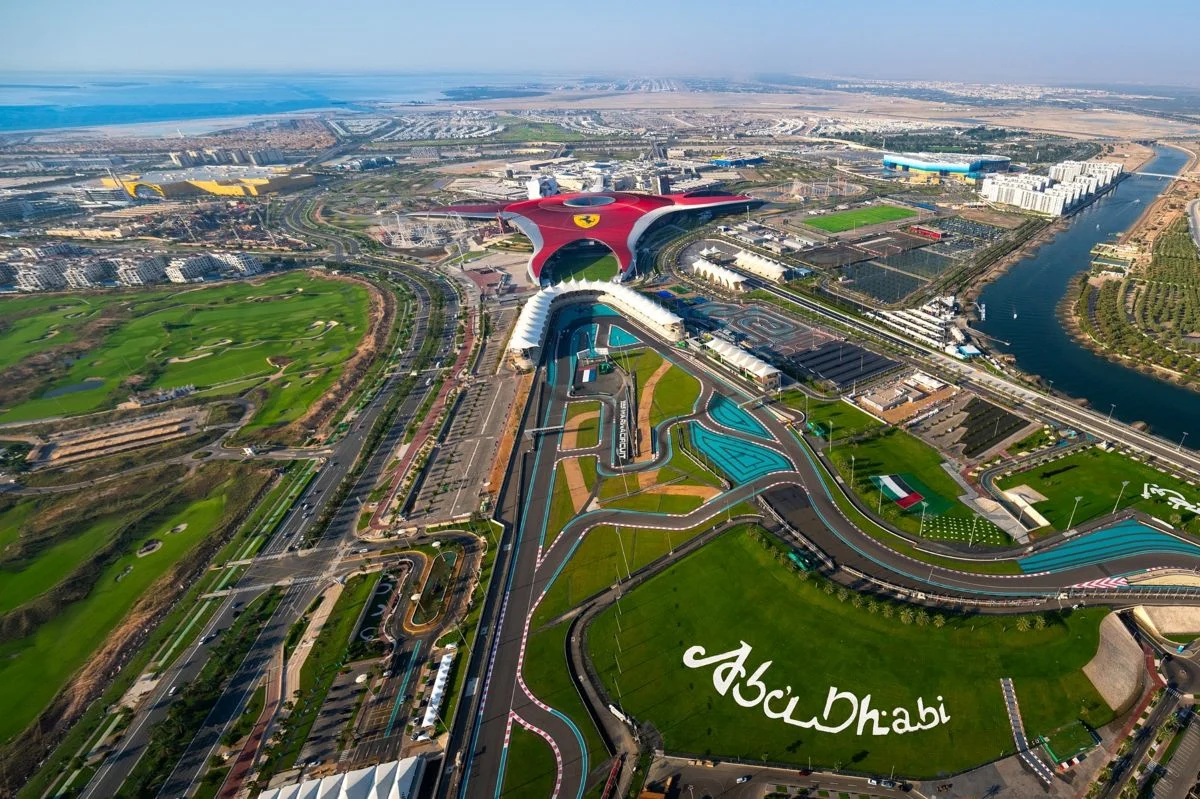
- The Formula 1 Etihad Airways Abu Dhabi Grand Prix: As the traditional season finale for the F1 world championship, the race at Yas Marina Circuit is more than a sporting event; it is a global branding exercise. The race attracts tens of thousands of international visitors and generates hundreds of millions of dollars in media value. For 2024 and 2025, the event is expected to see record-breaking attendance, bolstered by an expanded program of "after-race" concerts and fan zone activities.
- The Guggenheim Abu Dhabi: While the museum is part of a multi-year development plan on Saadiyat Island, the progress toward its opening serves as a significant draw for "architectural and cultural tourists." The Guggenheim, alongside the already established Louvre Abu Dhabi, positions the emirate as a global cultural capital. DCT Abu Dhabi is using the momentum of the construction and the announcement of upcoming collections to secure long-term bookings from high-net-worth cultural travelers.
- The Zayed National Museum: As the centerpiece of the Saadiyat Cultural District, the progress of the Zayed National Museum adds to the "cluster effect" of the island, encouraging longer stays as visitors seek to explore multiple world-class institutions in a single trip.
Domestic Resilience and the Role of VFR Travel
While international numbers have faced pressure, the domestic and regional markets have provided a crucial safety net for the hospitality sector. The "staycation" trend, which gained massive popularity during the pandemic, has remained a staple of the Abu Dhabi tourism economy. Residents of the UAE, particularly from Dubai and the Northern Emirates, continue to view Abu Dhabi as a premier destination for weekend getaways, attracted by the luxury offerings of Saadiyat Island and the entertainment options on Yas Island.
Furthermore, the "Visiting Friends and Relatives" (VFR) segment has shown remarkable resilience. As a global crossroads with a massive expatriate population, Abu Dhabi benefits from a consistent flow of travelers who are less sensitive to geopolitical headlines because their primary motivation for travel is social and familial. DCT Abu Dhabi has recognized the importance of this segment and has tailored specific marketing campaigns to encourage VFR travelers to extend their stays and explore the emirate’s newer attractions.
Infrastructure and Aviation: The Role of Zayed International Airport
Supporting this recovery is the massive investment in aviation infrastructure. The transition to the new Terminal A at Zayed International Airport has significantly increased the emirate’s capacity to handle international arrivals. With the ability to process up to 45 million passengers annually, the airport is a critical component of the DCT’s strategy to reverse the current guest decline.
Etihad Airways, the national carrier, has also realigned its growth strategy to support the tourism board’s goals. By expanding its network into key European and Asian markets and optimizing its "stopover" programs, Etihad is effectively funneling transit passengers into the local economy. The synergy between the airline, the airport, and the tourism department is designed to create a seamless "plug-and-play" experience for tourists, reducing the friction of travel and making Abu Dhabi an easier choice for spontaneous bookings.
Broader Implications and Future Outlook
The current situation in Abu Dhabi serves as a case study for how modern tourism hubs must manage volatility. The 14.2% drop is a sobering reminder of the fragility of international travel, but the emirate’s response—doubling down on high-value events and cultural infrastructure—suggests a long-term confidence in its "Vision 2030" goals.
The analysis of the current data suggests that the "drop" is not a reflection of a diminishing product, but rather a delay in consumption. The Q4 rebound will be the ultimate test of this theory. If the Formula 1 season and the surge in MICE activity can successfully offset the early-year losses, Abu Dhabi will have demonstrated a remarkable degree of economic resilience.
In conclusion, while the statistics from the first half of the year and August indicate a period of contraction, the strategic groundwork laid by the Department of Culture and Tourism appears designed to capture a significant "catch-up" demand. By focusing on "certainty," cultural prestige, and the return of the corporate sector, Abu Dhabi is positioning itself to end the year not in a state of retreat, but as a revitalized contender on the global tourism stage. The coming months will be critical in determining whether these high-stakes bets on culture and sport can successfully navigate the complexities of regional geopolitics.