



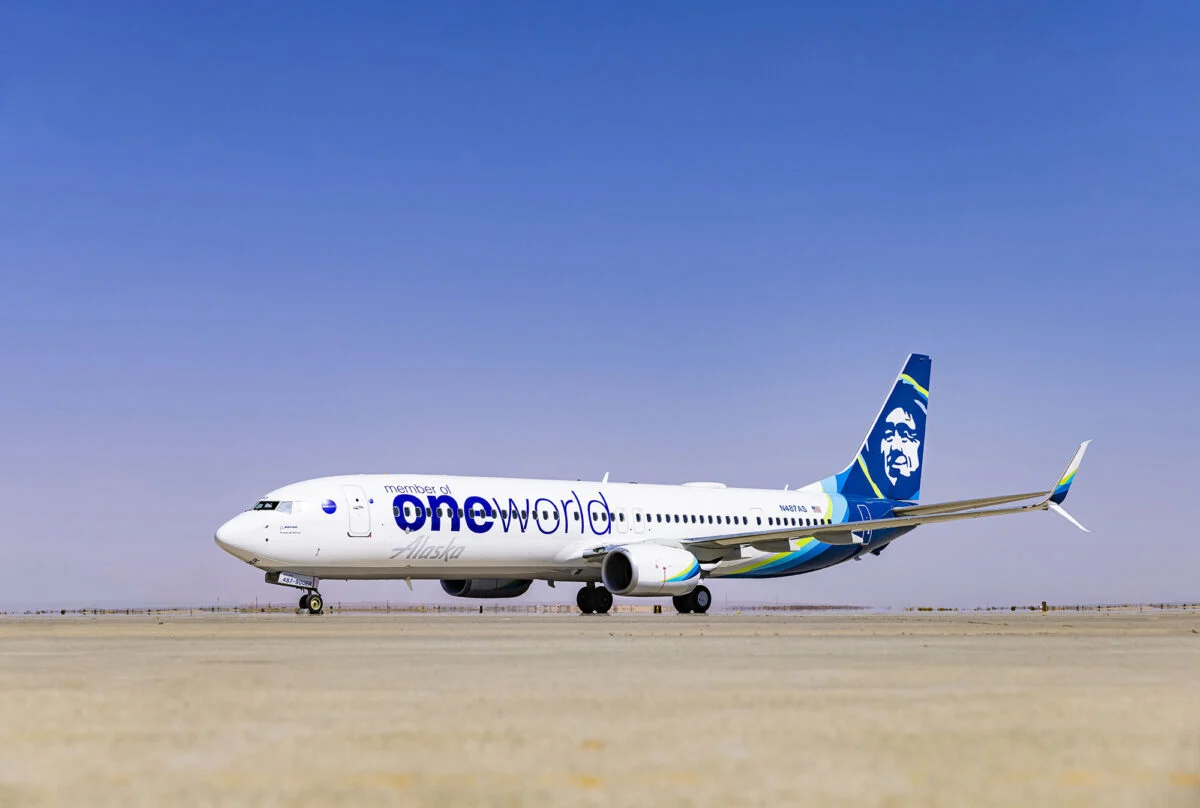
Alaska Airlines has confirmed a workforce reduction involving approximately 200 employees as the carrier navigates a period of intense financial pressure characterized by rising operational costs and substantial net losses. The layoffs, which were announced on October 30, 2026, primarily target corporate and administrative positions within the company’s "back-office" infrastructure. This strategic move comes as the airline reports a cumulative loss of $416 million over the first nine months of the current fiscal year, a figure that has sounded alarms regarding the carrier’s short-term fiscal health despite its recent expansion efforts.
The reduction in force is specifically designed to avoid impacting frontline operational roles. A spokesperson for Alaska Airlines emphasized that pilots, flight attendants, ramp agents, and maintenance technicians—those responsible for the day-to-day safety and execution of flight schedules—will not be affected by these cuts. The focus remains on streamlining corporate functions to better align with the airline’s current economic reality and its ongoing integration with Hawaiian Airlines.
Geographical and Departmental Impact
The layoffs are concentrated in the regions where Alaska Airlines maintains its primary corporate presence. According to data provided by the carrier, 148 of the impacted employees are based in Washington state, home to the airline’s headquarters in SeaTac. An additional 48 employees will be let go in Hawaii, a move that highlights the ongoing reorganization following the high-profile acquisition of Hawaiian Airlines.
These cuts represent a significant shift for the airline’s administrative departments, including human resources, marketing, accounting, and legal services. By focusing the layoffs on these sectors, the airline aims to reduce its overhead without compromising the passenger experience or operational reliability. However, the loss of nearly 150 jobs in the Seattle metropolitan area and nearly 50 in Honolulu signals a cooling period for an industry that had previously been in a state of rapid post-pandemic hiring.
Financial Turbulence and Fuel Volatility
The primary driver behind the workforce reduction is a challenging financial landscape. Alaska Airlines reported a staggering $416 million loss for the three quarters ending in September 2026. This deficit is largely attributed to the sustained volatility of jet fuel prices, which have remained stubbornly high throughout the year. For a carrier like Alaska, which operates a significant number of transcontinental and long-haul Pacific routes, fuel represents one of the largest and most unpredictable line items on the balance sheet.
Beyond fuel, the airline has faced increased labor costs across its unionized workforce. Over the past two years, Alaska Airlines, like many of its competitors, has entered into new, more expensive contracts with its pilots and flight attendants to ensure labor stability. While these agreements are essential for maintaining operations, they have significantly raised the airline’s "Cost per Available Seat Mile" (CASM), making it harder to maintain profitability during periods of fluctuating demand.
The Hawaiian Airlines Integration Context
To understand the timing of these layoffs, one must look back at the timeline of Alaska’s acquisition of Hawaiian Airlines. The $1.9 billion deal, which closed in late 2024, was intended to create a dominant force in the West Coast and Pacific markets. However, the integration of two major airlines is a complex and costly endeavor.
By late 2026, Alaska is in the thick of merging back-end systems, including reservation platforms, payroll, and corporate management structures. In many merger scenarios, "synergies"—a corporate term for the elimination of redundant roles—are expected. When two companies merge, they often find they do not need two separate departments for corporate finance or global marketing. The 48 layoffs in Hawaii suggest that the airline is now moving aggressively to consolidate these functions, moving away from the dual-office structure that existed immediately following the merger.
Operational Hurdles and the Boeing Factor
Alaska Airlines has also been uniquely impacted by the ongoing production and delivery challenges at Boeing. As an airline that historically maintained an all-Boeing fleet, Alaska was hit hard by the grounding of the 737 MAX 9 in early 2024 following a mid-air door plug blowout on one of its aircraft. While the immediate crisis was resolved, the long-term repercussions have lingered into 2026.

Delivery delays of newer, more fuel-efficient Boeing 737 MAX aircraft have forced Alaska to keep older, less efficient planes in service longer than originally planned. These older airframes require more frequent maintenance and consume more fuel, further eroding the company’s margins. The inability to modernize the fleet at the desired pace has created a bottleneck in Alaska’s growth strategy, forcing management to look for savings in the payroll of non-operational staff.
Industry-Wide Trends and Competitive Pressures
Alaska Airlines does not exist in a vacuum, and its current struggles reflect broader trends in the U.S. aviation industry. While "Big Four" carriers like Delta Air Lines and United Airlines have found success by leaning into premium cabin offerings and international expansion, mid-tier and "value-premium" carriers like Alaska and JetBlue have faced a tougher road.
The domestic market has seen an oversupply of seats in certain corridors, leading to fare wars that drive down "yield"—the average fare paid per mile per passenger. Alaska, which prides itself on a premium domestic product and its membership in the Oneworld Alliance, has had to balance its high-cost structure against the need to offer competitive pricing against low-cost carriers like Southwest and Frontier.
The Oneworld Alliance membership has provided Alaska with a robust network of international partners, such as British Airways and Qantas, allowing it to funnel passengers into global networks. However, the costs associated with maintaining these high-level partnerships and the technology required to support seamless international transfers add another layer of expense to the corporate budget.
Chronology of Recent Events Leading to Layoffs
To provide a clearer picture of how Alaska Airlines reached this juncture, a timeline of the last three years is essential:
- December 2023: Alaska Airlines announces its intent to acquire Hawaiian Airlines for $1.9 billion, including the assumption of debt.
- January 2024: The grounding of the Boeing 737 MAX 9 fleet occurs after an Alaska Airlines flight experiences a structural failure. The airline loses millions in revenue and faces a PR crisis.
- Late 2024: Regulatory approval is granted, and the Hawaiian Airlines merger officially closes. Alaska begins the multi-year process of "Single Operating Certificate" (SOC) integration.
- 2025: The airline records modest profits in the summer months but sees margins squeezed by rising fuel costs and the implementation of new pilot contracts.
- Early 2026: Alaska reports a wider-than-expected first-quarter loss, citing "integration headwinds" and delivery delays from Boeing.
- October 2026: After nine months of consecutive losses totaling $416 million, the airline announces the layoff of 200 back-office employees to preserve liquidity.
Official Responses and Strategic Outlook
In internal memos and public statements, Alaska Airlines leadership has characterized these layoffs as a "painful but necessary" step to ensure the long-term viability of the combined Alaska-Hawaiian entity. The company remains committed to its hubs in Seattle, Portland, San Francisco, Los Angeles, and Honolulu, but it is clear that the "growth at all costs" mentality of the early 2020s has been replaced by a focus on fiscal discipline.
Industry analysts suggest that the layoffs may be the first of several cost-cutting measures. If fuel prices do not stabilize or if the integration of Hawaiian Airlines continues to produce unexpected costs, the airline may need to look at further route rationalization—cutting underperforming flights to focus on high-margin corridors.
However, there is a silver lining. By protecting frontline staff, Alaska ensures that its reputation for high-quality customer service remains intact. The airline consistently ranks high in traveler satisfaction surveys, and maintaining a motivated workforce of pilots and flight attendants is critical to preserving that brand equity.
Conclusion and Future Implications
The layoff of 200 employees is a sobering reminder of the volatility inherent in the airline industry. For Alaska Airlines, the path forward involves a delicate balancing act: it must complete the integration of Hawaiian Airlines, navigate the delivery schedule of a troubled manufacturer, and manage a cost structure that has been inflated by external economic factors.
As the airline moves toward 2027, the success of this restructuring will depend on whether these administrative cuts are enough to offset the $416 million deficit. Investors will be watching closely to see if the "synergies" promised during the Hawaiian merger finally materialize on the bottom line. For the 200 families in Washington and Hawaii affected by this announcement, the news marks a difficult chapter in the history of one of America’s most prominent regional-turned-national carriers. The coming months will determine if Alaska Airlines can return to profitability or if further turbulence lies ahead for the Oneworld member.