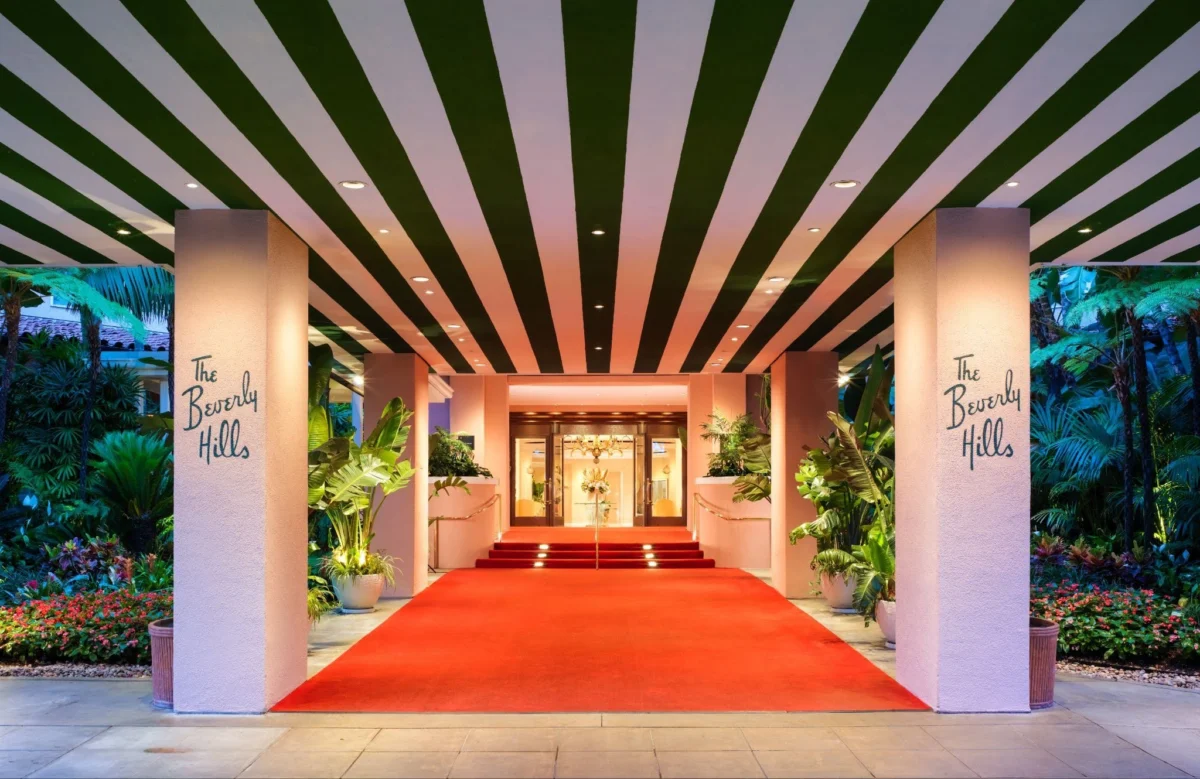
The global luxury hospitality sector is currently navigating a complex dichotomy between the preservation of heritage and the necessity of technological and aesthetic modernization. At the center of this evolution is the Dorchester Collection, a portfolio of iconic properties that includes some of the world’s most recognizable addresses. For institutions like The Dorchester in London, the Hôtel Plaza Athénée in Paris, and The Beverly Hills Hotel in Los Angeles, the challenge is not merely to maintain a building, but to curate an atmosphere where ritual and reliability coexist with the demands of a contemporary, hyper-connected traveler. This balance between "gravitas"—the weight of history and tradition—and the agility required by modern standards is the defining strategic hurdle for the group as it enters a new era of expansion and refinement.
The Ritual of Luxury: Beyond History to Emotional Consistency
The essence of the Dorchester Collection’s market position is often compared to the traditional rituals found in other sectors of high-end service. Just as a patron returns to a centuries-old barbershop in St James’s not for a modern reimagining of a haircut, but for the reliability of a leather-bound appointment book and a time-honored process, luxury hotel guests seek "fixed points" in an ever-changing urban landscape. In the context of hospitality, history is a prerequisite, but the ritual of service is the product.
For the Dorchester Collection, this means ensuring that while the physical hardware of a hotel—the Wi-Fi speeds, the climate control, and the digital interfaces—is state-of-the-art, the "software"—the human interaction—remains grounded in a culture of high-touch service. The group’s strategy emphasizes a "dialed service culture," where the goal is to refine the basics of hospitality without removing the individual judgment and personality of the staff. This approach recognizes that the value of an iconic property lies in its people as much as its architecture.
A Chronology of Transformation: The Modernization of Icons
To understand the current trajectory of the Dorchester Collection, one must look at the timeline of its recent physical and operational overhauls. The most significant of these began in 2022 with the extensive renovation of its flagship property, The Dorchester in London.
- December 2021: The Dorchester announces its most comprehensive renovation since 1989. The project aims to modernize the hotel’s public spaces and guest rooms while honoring its 1931 Art Deco roots.
- September 2022: The hotel unveils its new "Artists’ Bar" and a redesigned "Promenade," signaling a shift toward a more vibrant, art-focused interior design led by Pierre-Yves Rochon.
- January 2023: The Vesper Bar opens, designed by Martin Brudnizki, targeting a younger, cosmopolitan demographic while maintaining a nod to the hotel’s long-standing connection with the James Bond franchise and its creator, Ian Fleming.
- February 2024: The Dorchester Collection officially opens The Lana in Dubai. This marks a pivotal moment for the brand, as it is the group’s first new-build property in the Middle East, testing whether the "Dorchester soul" can be successfully exported to a modern skyscraper in a brand-new market.
These milestones illustrate a broader strategy: reinvesting in heritage assets to ensure they remain competitive against newer ultra-luxury brands like Aman or Oetker Collection, while simultaneously expanding the footprint into emerging luxury hubs.
Data and Market Context: The Ultra-High-Net-Worth Segment
The Dorchester Collection operates in a rarified segment of the travel industry that remains largely insulated from broader economic volatility. According to industry data from Knight Frank and Wealth-X, the number of Ultra-High-Net-Worth Individuals (UHNWIs)—those with a net worth of $30 million or more—is projected to grow by 28.5% over the next five years. This demographic is the primary driver for the Dorchester Collection’s business model.
Market analysis indicates that UHNW travelers are shifting their spending from "conspicuous consumption" (the purchase of goods) to "experiential luxury." Within this shift, the "trophy hotel" asset class—historic buildings in prime locations—has seen a surge in value. The Dorchester Collection, owned by the Brunei Investment Agency, holds a portfolio of such assets that are essentially irreplaceable.
However, the data also suggests a rising demand for personalization. A recent survey of luxury travelers found that 73% of respondents expect brands to provide personalized experiences as a standard. For a hotel group, this translates to a move away from standardized corporate manuals and toward a model where staff are empowered to make real-time decisions based on guest preferences—the "judgment" factor that the Dorchester Collection seeks to preserve.
Navigating the Challenges of Standardization vs. Individuality
A recurring challenge for any luxury hotel group is the "Goldilocks" problem: how much brand consistency is too much? If a guest stays at the Hôtel Plaza Athénée in Paris and then travels to the Hotel Principe di Savoia in Milan, they expect a certain baseline of quality, yet they do not want the hotels to feel like clones of one another.
The Dorchester Collection’s management philosophy centers on the idea that each property must remain a "local hero." The Beverly Hills Hotel, with its signature banana-leaf wallpaper and "Pink Palace" aesthetic, serves a Hollywood clientele that is vastly different from the diplomatic and corporate elite that frequent The Dorchester in London.
Industry analysts point out that the group’s challenge is to "tighten the basics"—ensuring operational excellence in areas like housekeeping, booking technology, and security—while leaving the "top layer" of the experience to be defined by the specific culture of the city and the building. This requires a decentralized management style that is rare in large-scale hospitality, where corporate mandates often stifle local creativity.
Official Responses and Strategic Vision
While the Dorchester Collection maintains a degree of discretion typical of private ownership, leadership statements have consistently pointed toward a "quality over quantity" growth strategy. Christopher Cowdray, the group’s long-time CEO who transitioned to the role of President in 2023, has frequently emphasized that the brand is not looking to be the largest luxury operator, but the most esteemed.
"Our focus has always been on the individuality of our hotels," Cowdray noted in a recent industry forum regarding the opening of The Lana. "We don’t want a ‘Dorchester Collection’ look. We want the soul of the destination to be reflected in the hotel, supported by a level of service that is unmistakably ours."
This sentiment is echoed by Helen Smith and Eugenio Pirri, who were appointed as joint CEOs in 2023. Their leadership transition marks a focus on "people-centric" growth, aiming to foster a workplace culture that attracts top-tier hospitality talent in an increasingly competitive labor market. The group has invested heavily in internal training programs designed to cultivate the "emotional intelligence" required to deliver luxury service that feels authentic rather than scripted.
Broader Implications for the Global Hospitality Industry
The Dorchester Collection’s trajectory offers a blueprint for the survival of legacy brands in the 21st century. The implications of their strategy are three-fold:
First, it reaffirms the value of the "fixed point." In an era of rapid technological disruption and aesthetic trends that cycle through social media in months, there is a significant and growing market for institutions that represent stability. The "gravitas" of a 100-year-old hotel is a moat that new competitors cannot easily cross.
Second, it highlights the necessity of "invisible technology." The modern luxury guest expects a seamless digital experience—mobile check-ins, integrated room controls, and high-speed connectivity—but they do not want these elements to overshadow the historic charm of the property. The Dorchester Collection’s renovations have focused on hiding the modern world within the old, ensuring that the technology serves the guest rather than the other way around.
Third, it underscores the importance of the Middle Eastern market as both a source of capital and a destination for expansion. The opening of The Lana in Dubai is a litmus test for whether a brand defined by European and American heritage can translate its values to a market characterized by new wealth and ultra-modern architecture. If successful, it could pave the way for further expansion into Asian markets, where the appetite for established Western luxury brands remains high.
Conclusion: The Future of the "Iconic"
As the Dorchester Collection moves forward, its success will depend on its ability to resist the urge to over-standardize. The market opportunity identified—stemming from iconic properties and a high-dial service culture—is robust, but fragile. The true challenge lies in the refinement of the mundane—the "basics"—without extinguishing the spark of human judgment that makes a stay at a world-class hotel memorable.
In a world where luxury is increasingly commodified, the Dorchester Collection is betting on the enduring appeal of the ritual. By maintaining its hotels as "fixed points" while carefully updating their interiors and operations, the group aims to ensure that its properties remain as relevant in the next century as they were in the last. The balance of gravitas and modernity is not just a design choice; it is a survival strategy for the world’s most famous hotels.