



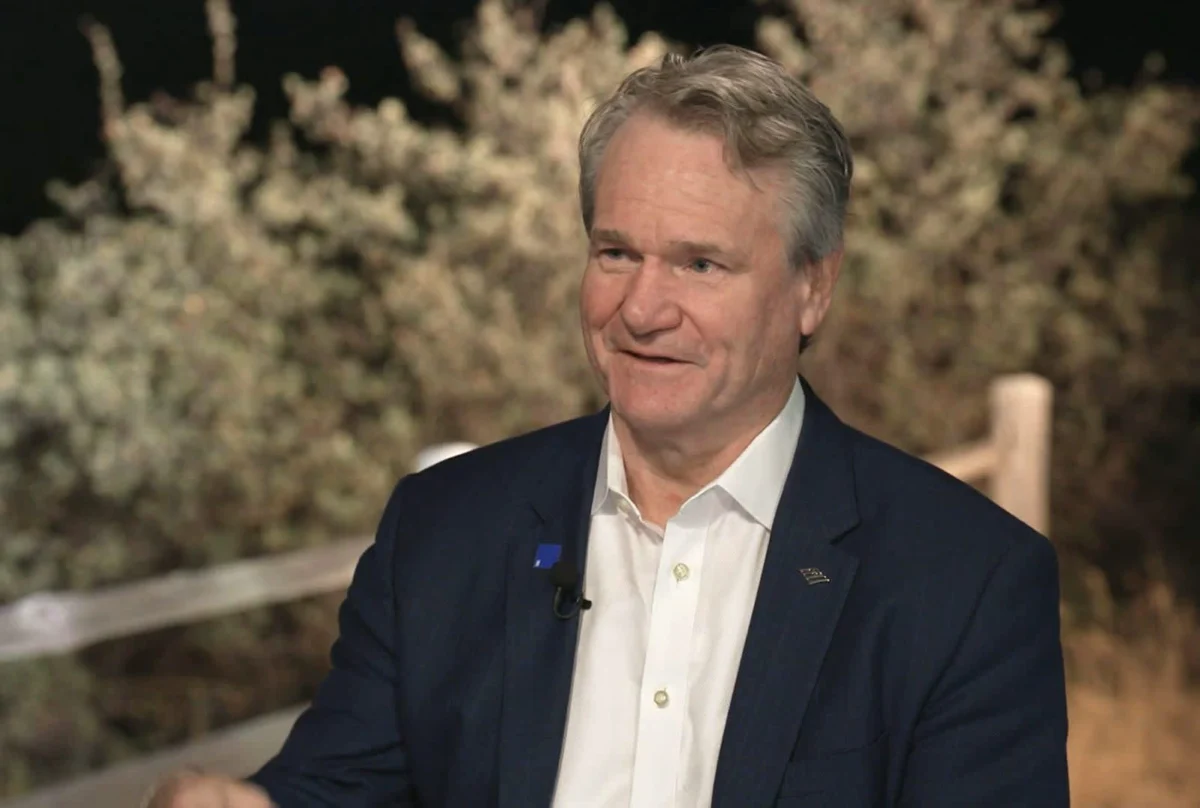
Bank of America, one of the nation’s foremost financial institutions, is investing a substantial sum exceeding $250 million annually to cover GLP-1 weight loss medications for its extensive workforce. This significant expenditure, which represents approximately 13% of the company’s total annual healthcare budget of over $2 billion for its roughly 211,000 employees, underscores a proactive approach to employee well-being and preventative health. Brian Moynihan, CEO of Bank of America, articulated this commitment during an interview with CNBC in Aspen, Colorado, on August 5, 2026, emphasizing the "great impact on the employees" despite the rapidly escalating costs associated with these innovative treatments.
A Strategic Investment in Workforce Health
Moynihan’s assertion that the rising cost of GLP-1 (Glucagon-like Peptide-1) drugs is a "worthwhile investment" positions Bank of America at the forefront of a contentious debate among employers nationwide. While many companies grapple with the financial strain of covering these high-demand medications—such as Ozempic, Wegovy, and Zepbound, which can cost thousands of dollars per patient annually—Bank of America views the outlay as strategic. Moynihan highlighted the dramatic increase in this spending, noting it has surged "from zero" just four or five years ago to its current level, reflecting the rapid adoption and proven efficacy of these drugs.
The CEO acknowledged the inherent challenge that some employees might depart before the company fully realizes the long-term health savings. However, he stressed that the decision aligns with Bank of America’s broader philosophy of providing valuable benefits that enhance the lives and health of its workforce. This approach extends beyond mere prescription coverage; Bank of America pairs access to GLP-1 drugs with comprehensive health coaching. This integrated strategy aims to support employees in monitoring their weight loss journey and making sustainable lifestyle adjustments, thereby maximizing the therapeutic benefits and fostering holistic health improvements.
Moynihan also pointed to emerging clinical data that suggests more immediate benefits beyond long-term preventative health, including a reduced incidence of cardiovascular events. This nearer-term impact further strengthens the business case for investment, potentially leading to fewer sick days, enhanced productivity, and a more robust workforce. "It’s been fascinating to watch our teammates’ behavior on these adjustments — the loss of weight," Moynihan remarked, illustrating the tangible positive changes observed within the employee population.
The Rise of GLP-1 Medications: A Game Changer
GLP-1 receptor agonists have revolutionized the treatment landscape for type 2 diabetes and, more recently, for chronic weight management. Initially approved for diabetes, drugs like semaglutide (Ozempic, Wegovy) and tirzepatide (Mounjaro, Zepbound) demonstrated remarkable efficacy in promoting significant weight loss in clinical trials, leading to subsequent approvals for obesity treatment. These medications work by mimicking a natural hormone that targets areas of the brain involved in appetite regulation, leading to reduced hunger and increased feelings of fullness. They also slow gastric emptying and improve insulin sensitivity.
The introduction of these drugs has been met with unprecedented demand, driven by their effectiveness and the widespread prevalence of obesity. According to the Centers for Disease Control and Prevention (CDC), the prevalence of obesity in the United States was 41.9% from 2017–2020, affecting millions of Americans and contributing to a host of serious health conditions including heart disease, stroke, type 2 diabetes, and certain types of cancer. The economic burden of obesity-related diseases is staggering, estimated to be hundreds of billions of dollars annually in direct medical costs and lost productivity. Therefore, interventions that effectively manage weight offer significant potential for improving public health and reducing healthcare expenditures over time.
The timeline of GLP-1 market expansion has been swift. While drugs like liraglutide (Victoza, Saxenda) paved the way, the approval of Ozempic for type 2 diabetes in 2017, followed by Wegovy for chronic weight management in 2021, and then Zepbound (tirzepatide) for obesity in 2023, rapidly accelerated their adoption. This quick succession of approvals and the drugs’ high efficacy have created a new paradigm in metabolic health, prompting employers and insurers to re-evaluate their coverage strategies.
Navigating the High Cost of Innovation
Despite the clear health benefits, the cost of GLP-1 medications remains a significant barrier for many. The list price for a month’s supply can range from $900 to $1,400, accumulating to over $10,000 to $15,000 annually per patient without insurance coverage or significant discounts. This substantial financial outlay is what has prompted many self-insured companies and public employers to either restrict coverage, drop it entirely, or engage in intense internal debates about affordability as utilization rates continue to climb.
Bank of America, as the nation’s second-largest lender by assets, leverages its considerable market power to mitigate these costs. Moynihan confirmed that the company is actively engaged in aggressive negotiations with drugmakers and pharmacy benefit managers (PBMs) to secure more favorable pricing. "Believe me, we’re pounding everybody on price and trying to get as cheap [as possible]," he stated, underscoring the firm’s commitment to fiscal responsibility even while prioritizing employee health. This dual approach of investing heavily yet negotiating fiercely reflects a pragmatic strategy to manage a burgeoning benefit category.
Healthcare economists and benefits consultants often highlight the complex interplay between drug pricing, PBM negotiations, and employer willingness to pay. While individual patients may face high out-of-pocket costs, large self-insured employers often have more leverage to negotiate rebates and discounts, effectively lowering the net cost of these medications. However, even with discounts, the sheer volume of employees who could benefit from GLP-1s presents a substantial line item in corporate budgets.
Employer Perspectives: A Mixed Landscape
The landscape of employer-sponsored GLP-1 coverage is diverse and evolving. A survey released in July 2026 by the International Foundation of Employee Benefit Plans (IFEBP), which represents over 30,000 member companies and public institutions, shed light on these trends. The survey indicated that approximately 36% of employers provide coverage for GLP-1s for both diabetes and weight loss. While this marks a slight increase from 34% in 2024, it remained flat compared to 2025, suggesting a plateau in the rapid expansion of coverage as employers confront the financial realities.
The IFEBP data also underscored the growing financial impact of these drugs on employer claims. In 2026, respondents reported that GLP-1 drugs accounted for 11.4% of annual claims, a significant jump from 6.9% in 2023. This upward trajectory in claims cost is the primary driver behind many employers’ decisions to limit or withhold coverage, often opting to cover GLP-1s only for diabetes management, where the medical necessity is more established and long-term health complications are more immediately evident.
Industry experts suggest that while large corporations like Bank of America might have the financial capacity and strategic vision to absorb these costs, smaller and medium-sized businesses face tougher choices. For these companies, the addition of hundreds of thousands or even millions of dollars in GLP-1 coverage could critically strain their budgets, forcing them to make difficult trade-offs with other essential employee benefits. This creates a potential disparity in access to these life-changing medications based on employer size and financial robustness.
Drugmakers’ Role in Expanding Access
Pharmaceutical companies like Eli Lilly and Novo Nordisk, the primary manufacturers of leading GLP-1 drugs, are keenly aware of the coverage challenges and are actively working to boost employer adoption. Expanded employer coverage is crucial for wider patient access and market penetration for their treatments, especially given that discounted cash prices, even at several hundred dollars a month, remain unaffordable for many individuals without robust insurance.
In a notable move in March 2026, Eli Lilly launched a new program designed to offer employers greater flexibility and more attractive pricing for its obesity drug, Zepbound. Through this initiative, employers can pay a net discounted price of $449 per month for a new multi-dose form of Zepbound across all doses. This strategic pricing model aims to make coverage more palatable for employers, providing a predictable and significantly reduced cost compared to the standard list price. Such programs highlight the drugmakers’ recognition of employers as key gatekeepers to broad patient access and their willingness to innovate in pricing and distribution models to overcome affordability hurdles.
Novo Nordisk has also engaged in various initiatives, including patient savings programs and advocacy for broader insurance coverage, to ensure that patients who could benefit from their GLP-1 products can access them. These efforts are part of a broader industry trend where pharmaceutical companies are increasingly collaborating with employers and health plans to demonstrate the long-term value proposition of their therapies, moving beyond just efficacy data to include health economic outcomes.
Beyond the Balance Sheet: Long-Term Health and Productivity
The implications of Bank of America’s substantial investment extend far beyond immediate financial metrics. From a human capital perspective, providing comprehensive coverage for GLP-1 drugs can significantly enhance employee morale, job satisfaction, and loyalty. Employees who feel valued and supported in managing their health are more likely to be engaged, productive, and less prone to attrition. In a competitive labor market, such benefits can serve as a powerful differentiator for attracting and retaining top talent.
Moreover, the long-term health benefits associated with effective weight management cannot be overstated. Reducing the prevalence of obesity-related conditions among employees could lead to a decrease in chronic disease management costs over time, fewer hospitalizations, and a reduction in short-term and long-term disability claims. A healthier workforce generally translates to lower absenteeism rates and improved presenteeism (being physically present but mentally disengaged due to health issues), contributing to overall organizational efficiency and output.
Public health experts and policymakers have long advocated for preventative healthcare strategies to address the escalating costs of chronic diseases. Bank of America’s decision can be seen as a tangible manifestation of this philosophy within the corporate sector. By investing in preventative measures like GLP-1 coverage coupled with health coaching, the bank is proactively mitigating future health risks and potential healthcare expenditures, aligning corporate financial interests with societal health goals.
The Future of Corporate Healthcare Benefits
Bank of America’s robust commitment to GLP-1 coverage sets a significant precedent in the corporate benefits landscape. It signals a growing recognition among leading employers that investing in cutting-edge, though costly, medical treatments can yield substantial long-term returns in employee health, productivity, and overall business resilience. As more clinical data emerges on the broader benefits of GLP-1s—including potential applications beyond weight loss and diabetes, such as in kidney disease or heart failure—the discussion around coverage will only intensify.
The challenge for other employers will be to balance the clear benefits of these drugs with the fiscal realities of their own healthcare budgets. This will likely spur further innovation in benefit design, including tiered coverage models, stricter eligibility criteria, and more aggressive negotiation tactics with pharmaceutical companies and PBMs. The dialogue will also continue around the definition of "medical necessity" for weight loss drugs, as opposed to lifestyle drugs, a distinction that often dictates insurance coverage.
Ultimately, Bank of America’s decision, articulated by CEO Brian Moynihan, reflects a strategic foresight: that the health of its human capital is inextricably linked to its financial performance. In an era where healthcare costs continue to climb, companies that embrace proactive, evidence-based approaches to employee well-being, even at significant initial expense, may ultimately secure a healthier, more engaged, and more productive workforce, thereby cementing a competitive advantage in the long run. The banking giant’s move is a powerful statement about the evolving priorities in corporate healthcare, signaling a potential shift towards more comprehensive and preventive benefits designed to foster enduring employee health.