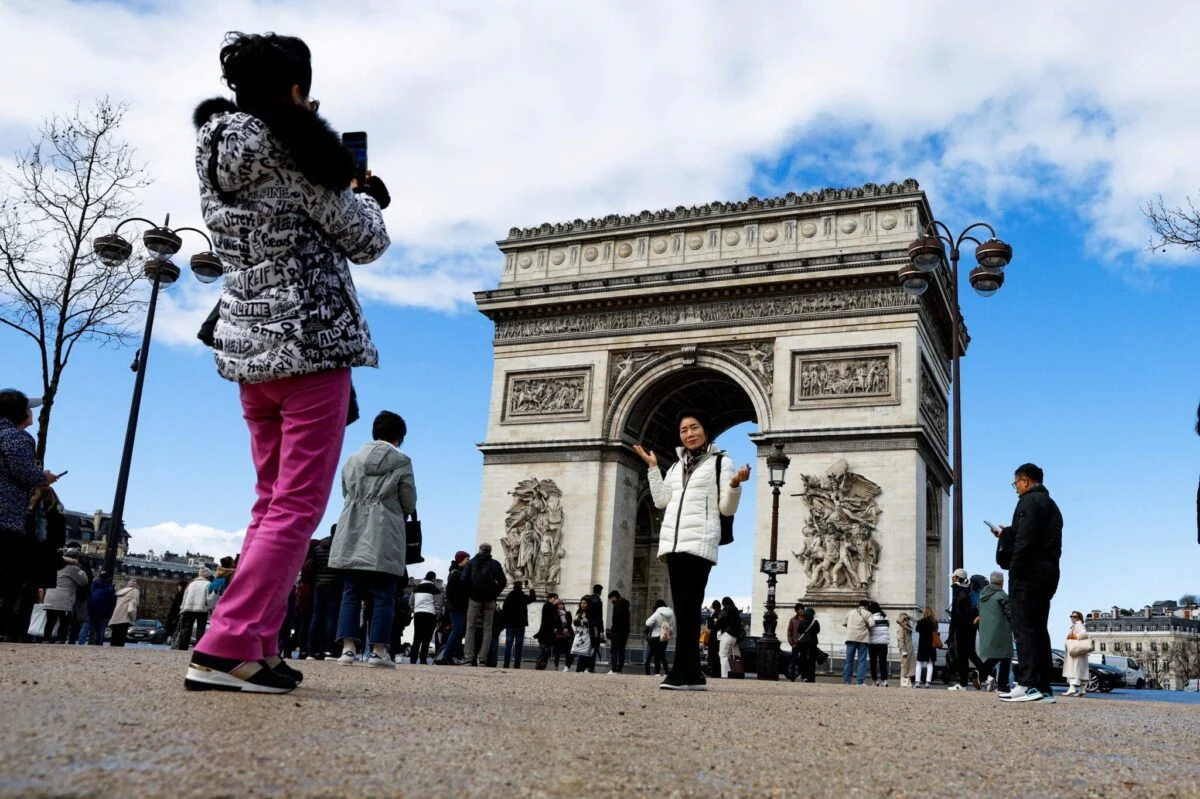
The landscape of Chinese outbound tourism is undergoing a significant transformation as the upcoming Golden Week holiday approaches. While travelers from the world’s second-largest economy are taking advantage of a unique calendar alignment to embark on longer international journeys, their spending patterns suggest a strategic pivot away from high-end luxury. According to the latest Chinese Traveler Sentiment Report from Dragon Trail Research, a mere 5% of Chinese travelers planning outbound trips during this year’s National Day holiday period expect to stay in luxury hotels. This shift toward mid-range and economy accommodations, despite an increase in total trip duration, signals a new era of "value-driven" exploration for the Chinese middle class.
The upcoming holiday period, anchored by the National Day on October 1, has been extended by the proximity of the Mid-Autumn Festival, which falls on September 25. For many workers, the strategic use of annual leave—specifically taking three days off from September 28 to September 30—has opened a window for a potential 13-day international excursion. Data from Trip.com Group reinforces this trend toward extended travel, showing that the average duration of outbound trips has surpassed nine days. Furthermore, hotel bookings for stays of seven nights or more have surged by 123% compared to the previous year, highlighting a departure from the quick, multi-city "whistle-stop" tours that once defined Chinese overseas tourism.
A Chronology of the Golden Week Travel Window
The 2024 travel surge is characterized by early departures and extended itineraries. Unlike previous years where travel peaked sharply on October 1, more than half of current outbound flight bookings are scheduled for departure before the official start of the National Day holiday. This early-bird trend is largely attributed to the "bridge" created by the Mid-Autumn Festival.
The chronological flow of the holiday season began with a spike in visa applications and flight searches in late August. By mid-September, booking data indicated that travelers were increasingly looking at long-haul destinations in Europe and the Middle East, capitalizing on the nearly two-week break. The timeline of this year’s travel behavior suggests a more relaxed approach to vacationing, with travelers prioritizing depth of experience over the sheer number of destinations visited. As the calendar moves toward late September, the industry is witnessing a "staggered" departure pattern, which has helped alleviate some of the traditional pressure on major international hubs like Shanghai Pudong and Beijing Capital International Airport, though prices for early departures remain elevated.
The Shift in Accommodation Preferences and Spending
The most striking revelation from the Dragon Trail Research report is the cooling demand for five-star and luxury hospitality. For decades, the Chinese outbound market was synonymous with high-end consumption, with luxury hotels and designer boutiques serving as the primary beneficiaries. However, the current sentiment indicates that mid-range and economy hotels have become the preferred choices for the modern Chinese traveler.
Several factors contribute to this "downgraded" accommodation preference:
- Prioritization of Experiences: Modern Chinese travelers, particularly Gen Z and Millennials, are increasingly allocating their budgets toward unique local experiences, gourmet dining, and cultural immersion rather than expensive room rates.
- Economic Pragmatism: Amidst a cooling domestic property market and fluctuating employment figures in China, middle-class families are becoming more price-sensitive. While they are unwilling to forgo their annual international holiday, they are seeking ways to optimize their spending.
- The Rise of the "City Walk": The popular "City Walk" trend—where travelers spend most of their time exploring urban neighborhoods on foot—means that the hotel is viewed primarily as a place to sleep rather than a destination in itself.
This shift is reflected in the 123% year-over-year jump in long-stay hotel bookings. When a trip extends beyond a week, the cumulative cost of luxury lodging becomes a significant deterrent. By opting for mid-scale brands, travelers can afford the longer durations that the 2024 holiday calendar permits.
Supporting Data: Flight Trends and Destination Preferences
Trip.com Group’s data provides a granular look at where and how Chinese travelers are moving. While short-haul destinations in Southeast Asia—specifically Thailand, Malaysia, and Singapore—remain dominant due to mutual visa-free policies, there is a burgeoning interest in long-haul recovery.
- Flight Bookings: Outbound flight volume has reached nearly 100% of 2019 levels for certain key routes. The early departure trend (pre-October 1) suggests a desire to avoid peak-day pricing and crowds.
- Extended Stays: The 123% increase in stays exceeding seven nights indicates that the "slow travel" movement is gaining traction in China.
- Top Destinations: Beyond the traditional "Big Three" of Southeast Asia, Japan has seen a massive influx of Chinese tourists, driven by the favorable exchange rate of the Yen. In Europe, the United Kingdom, France, and Italy remain top choices, though the cost of flights to these regions remains 15-20% higher than pre-pandemic levels.
Industry analysts note that while the volume of travelers is returning to pre-2019 levels, the "per-capita" spend on shopping has decreased. The focus has moved from "buying" to "being," with a 30% increase in bookings for local guided tours and specialized cultural workshops compared to the same period in 2023.
Industry Reactions and Market Adjustments
The shift in Chinese traveler behavior has prompted a swift reaction from global tourism boards and hospitality providers. In Europe, where Chinese tourists have historically been the highest spenders in the luxury sector, hotels are beginning to adjust their service offerings.
"We are seeing a more sophisticated, independent traveler," noted a spokesperson for a major European tourism alliance. "They are less interested in organized group tours and more interested in discovering hidden gems. Our members are pivoting by offering more flexible booking options and emphasizing local authenticity over traditional luxury amenities."
In Southeast Asia, the response has been even more pronounced. Hospitality groups in Bangkok and Singapore are launching "value-plus" packages that cater to mid-range budgets while providing the high-speed internet and digital payment integration (Alipay and WeChat Pay) that Chinese travelers expect. Airlines are also responding to the early departure trend by increasing frequency in the final week of September, rather than just focusing on the October 1–7 window.
However, some luxury retailers in Paris and Milan have expressed concern over the declining interest in high-end lodging, fearing it may correlate with a decrease in luxury retail spending. "The 5% luxury hotel preference is a wake-up call for the entire luxury ecosystem," said a retail analyst based in Hong Kong. "If they aren’t staying in the palace hotels, they may not be visiting the flagship boutiques with the same frequency."
Broader Implications for Global Tourism
The trends observed during this Golden Week are likely indicative of a permanent shift in the Chinese outbound market. The era of the "unlimited budget" Chinese tourist appears to be evolving into an era of the "discerning" Chinese tourist. This has several long-term implications for the global travel industry:
1. Diversification of the Hospitality Market:
Global hotel chains may need to accelerate the rollout of their mid-scale and "lifestyle" brands in destinations popular with Chinese tourists. The demand for "aparthotels" and rentals with kitchen facilities is also expected to rise as families opt for longer stays.
2. The End of the "Group Tour" Dominance:
The preference for longer, independent trips suggests that the traditional large-scale group tour is becoming obsolete for the younger generation. Tourism boards must now market directly to independent travelers via Chinese social media platforms like Xiaohongshu (Little Red Book) and Douyin.
3. Economic Resilience of Tourism:
The fact that Chinese travelers are still choosing to travel for 9 to 13 days despite economic headwinds suggests that international travel has become a "non-negotiable" lifestyle component for China’s urban middle class. They are not canceling trips; they are simply recalibrating their spending.
4. Digital Integration as a Standard:
With the shift toward independent travel, the necessity for seamless digital integration—from mobile check-ins to AI-driven itinerary planning—has never been higher. Travelers are using apps to find "value" in real-time, comparing prices and reading reviews more rigorously than in the past.
In conclusion, the 2024 Golden Week serves as a definitive case study for the "new normal" of Chinese tourism. While the sheer volume of travelers and the length of their stays provide a much-needed boost to the global travel economy, the hospitality sector must reconcile with a guest who is more budget-conscious, more independent, and more focused on the quality of their time than the prestige of their pillow. As the industry moves forward, success will be measured not by the luxury of the accommodations provided, but by the richness of the experiences offered to a demographic that is increasingly looking for more for less.