


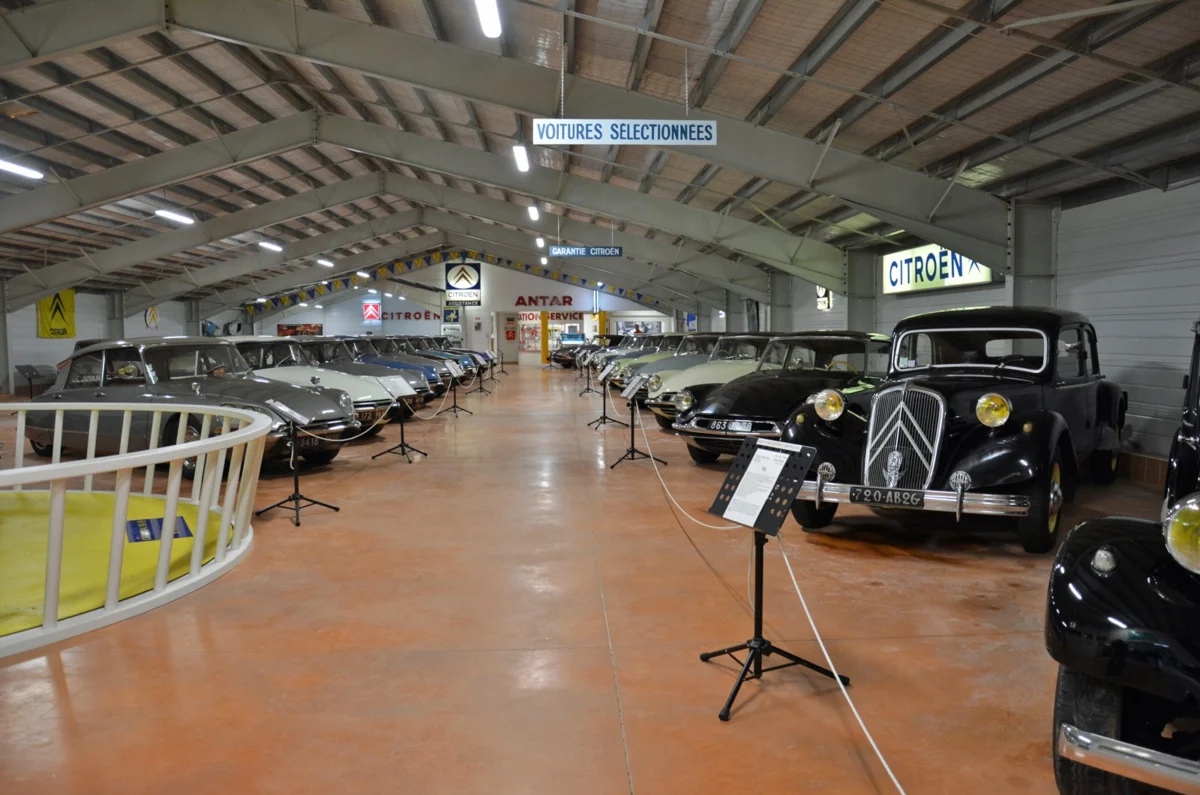
The Citroën Conservatoire in Paris, the official repository for the brand’s historic vehicles, has long been considered the ultimate destination for enthusiasts of the double-chevron marque. However, in the scenic landscape of the French Alps, a private collection has emerged as a formidable rival in terms of historical purity and preservation. Henri Fradet, a lifelong French automotive enthusiast, has spent the last four decades assembling a spectacular collection of more than 120 post-war Citroën models. Located in Castellane, a small town in southern France along the historic Route Napoléon, the CitroMuseum represents a unique philosophy in the world of car collecting: the prioritization of low-mileage, unrestored originality over showroom-perfect restorations.
Fradet’s approach to curation is rigorous. He has traveled the length and breadth of France to track down examples that have remained in a state of "time-warp" preservation. Most vehicles in the collection have covered fewer than 50,000 kilometers (31,000 miles), and several show fewer than 1,000 kilometers on their odometers. By focusing on cars that have never been disassembled or repainted, Fradet provides a rare technical reference for historians and restorers, showcasing exactly how these vehicles left the factory floor in the 20th century.

The Architecture of a Collection: Three Eras of Citroën
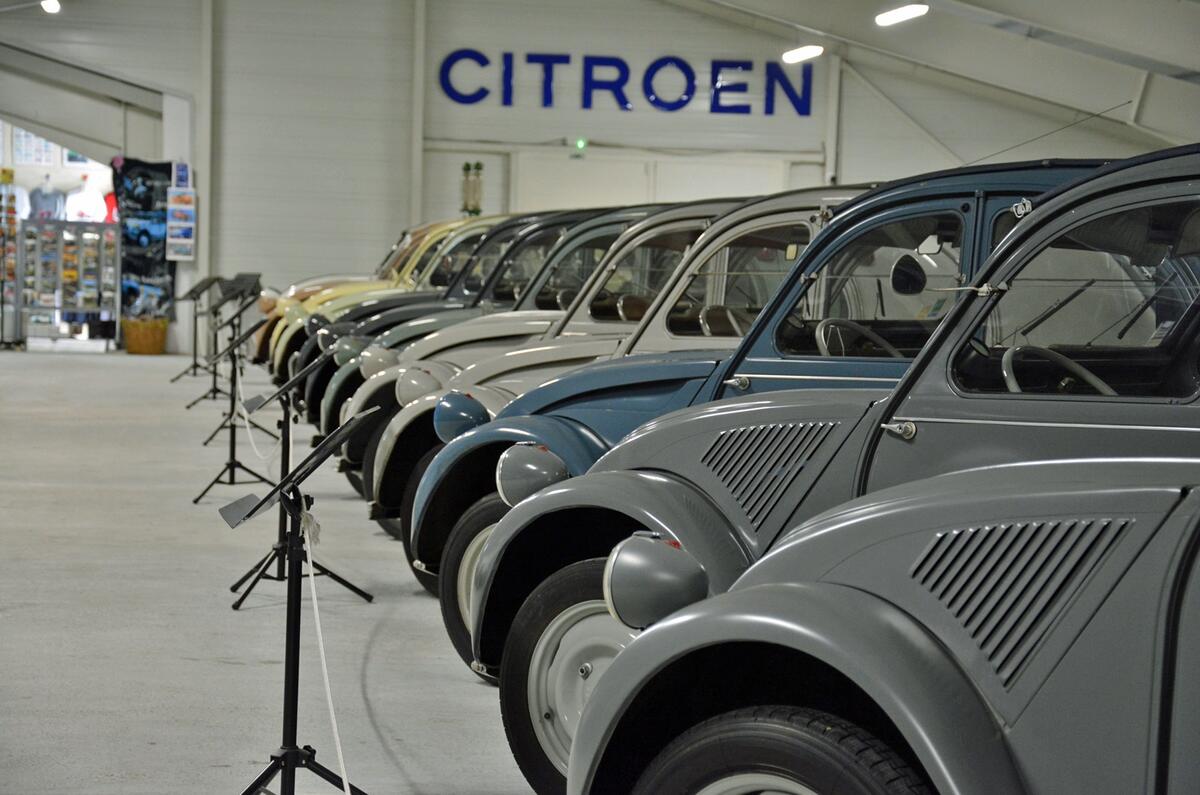
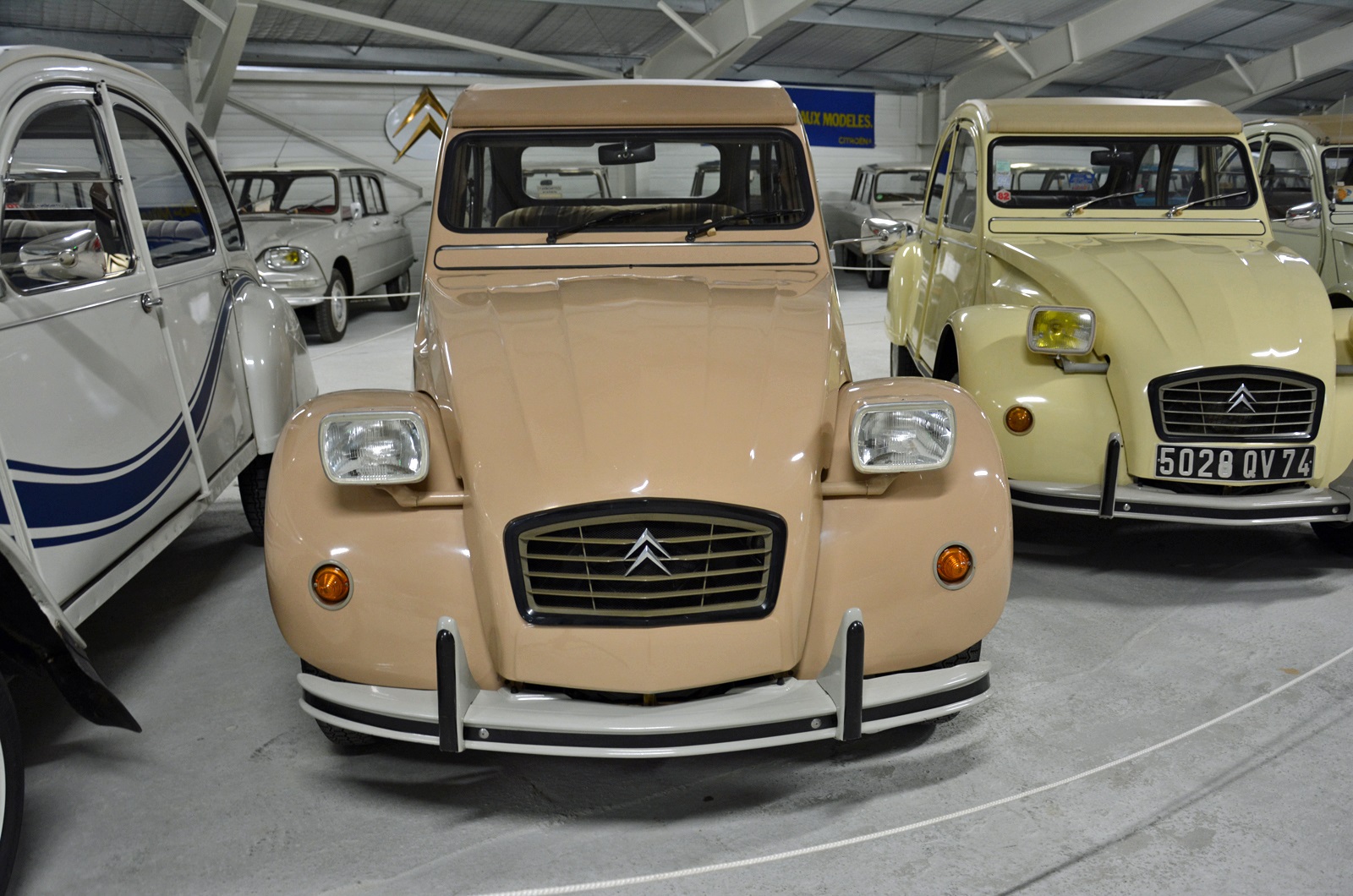
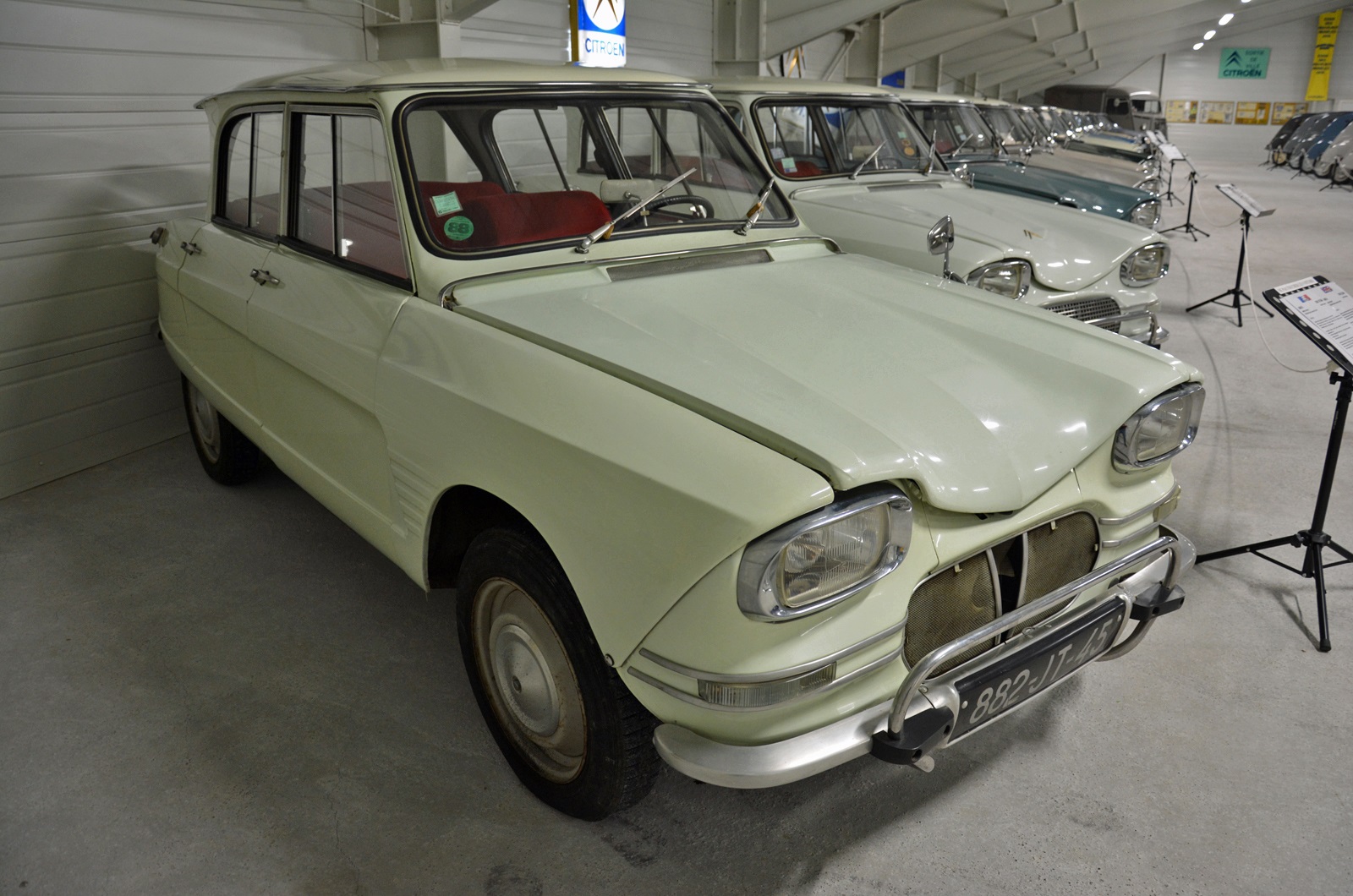
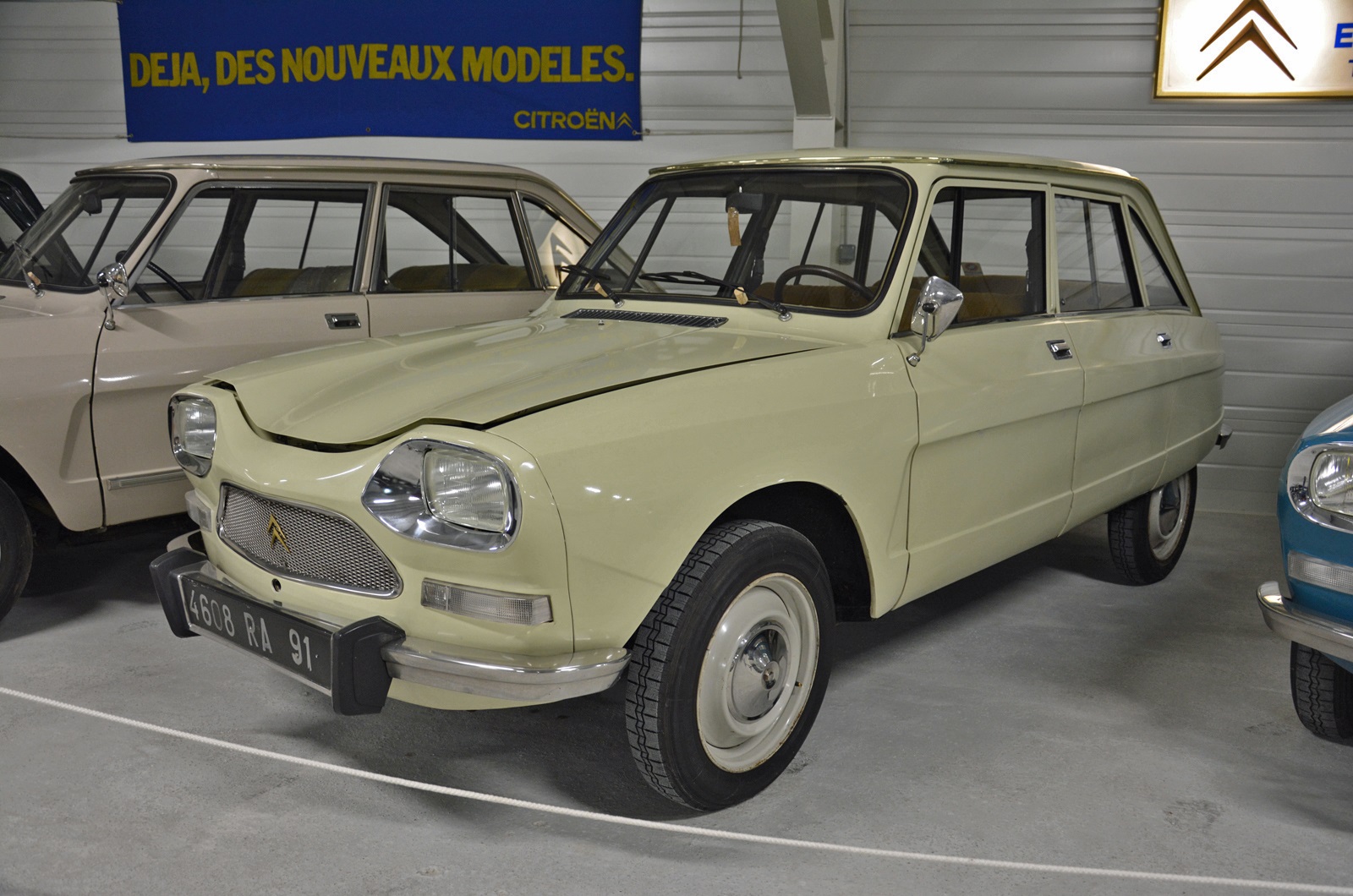
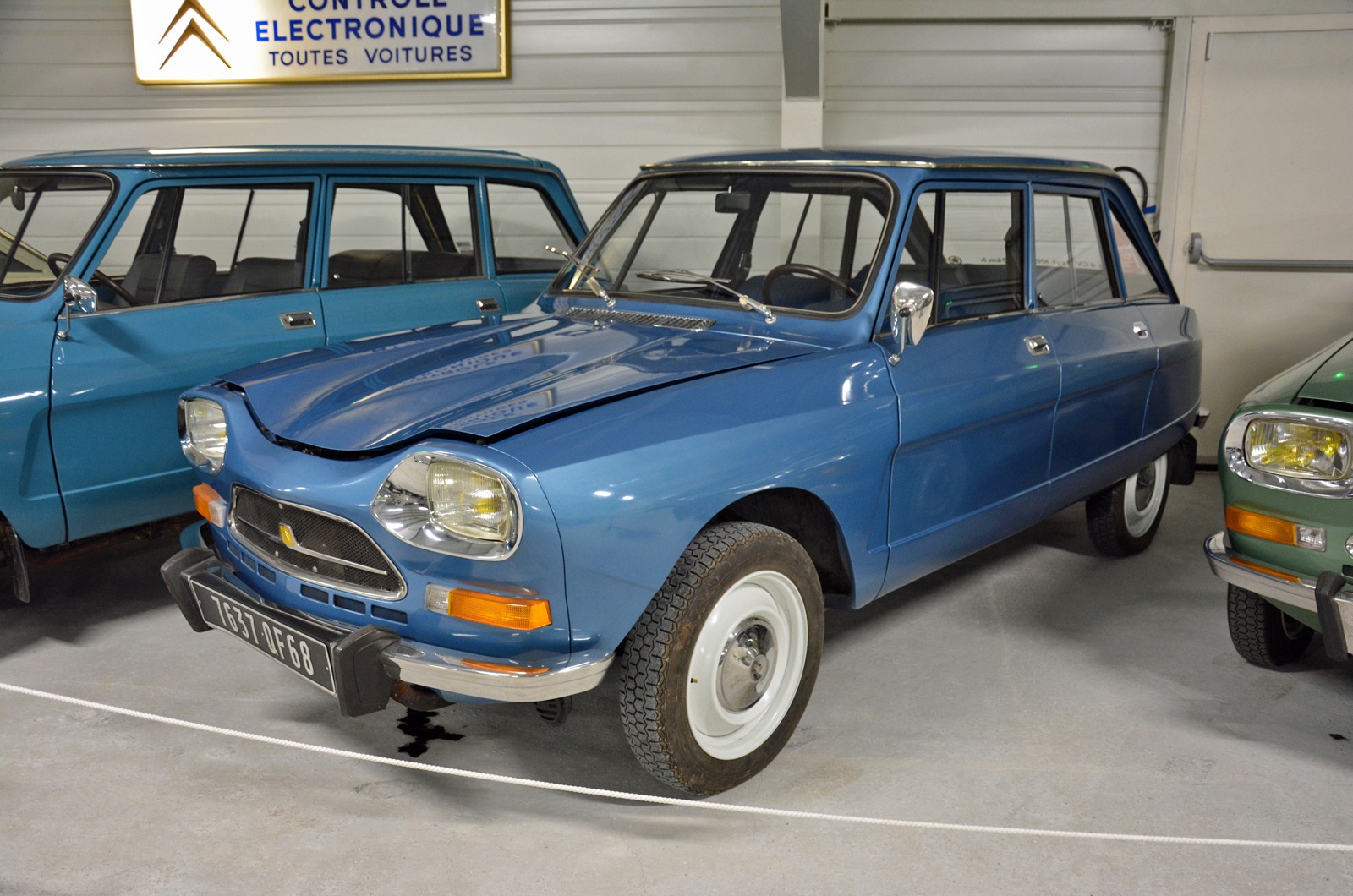
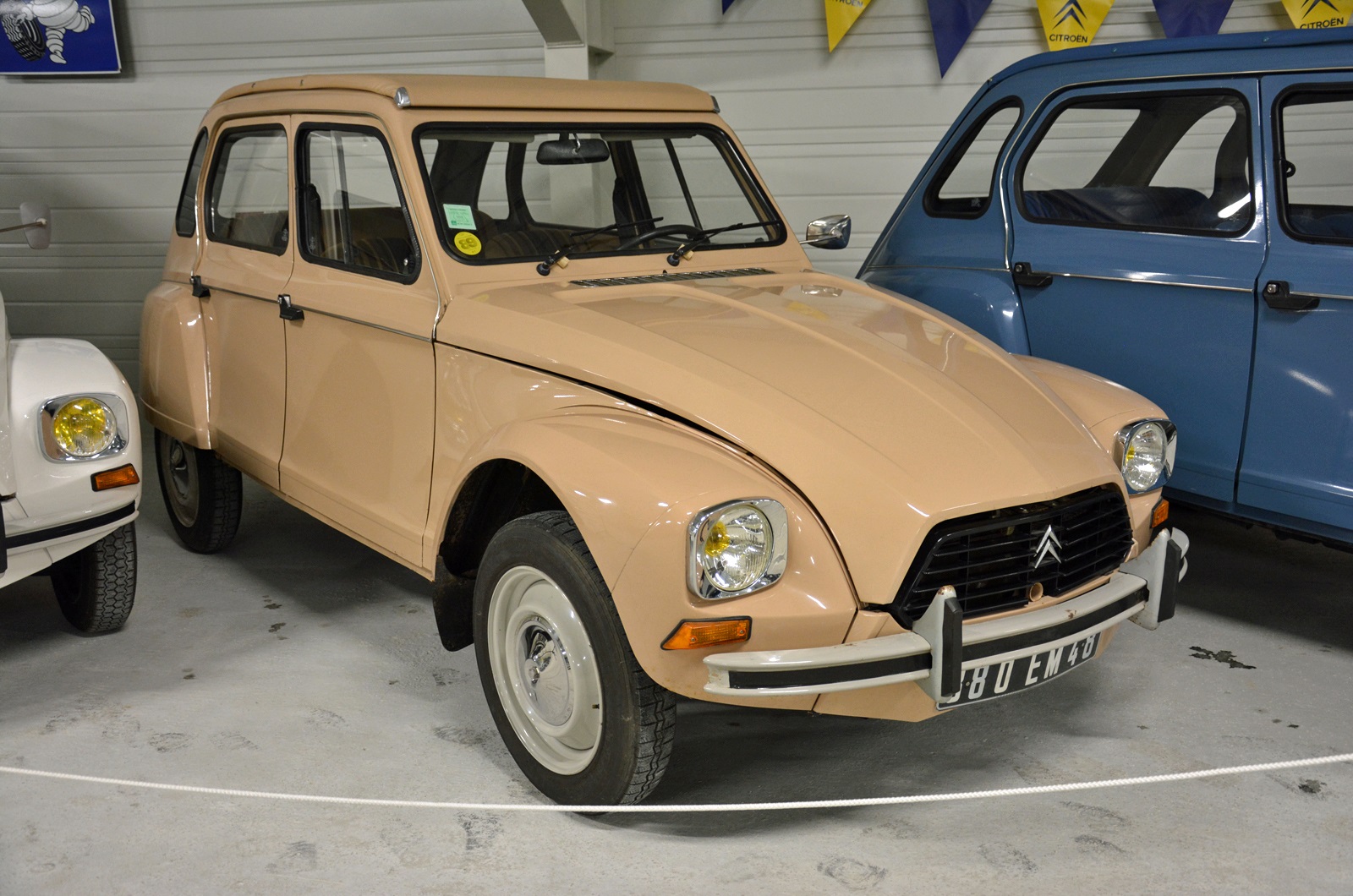
The CitroMuseum is strategically divided into three distinct wings, each representing a specific epoch of Citroën’s engineering and design evolution. The first chamber is dedicated to the pioneering Traction Avant and the revolutionary DS/ID series. The second wing focuses on the "people’s cars"—the 2CV and its numerous derivatives like the Ami and the Dyane. The third and most recent addition houses models from the 1970s through the 1990s, including the GS, CX, BX, and the early years of the PSA Peugeot Citroën era.
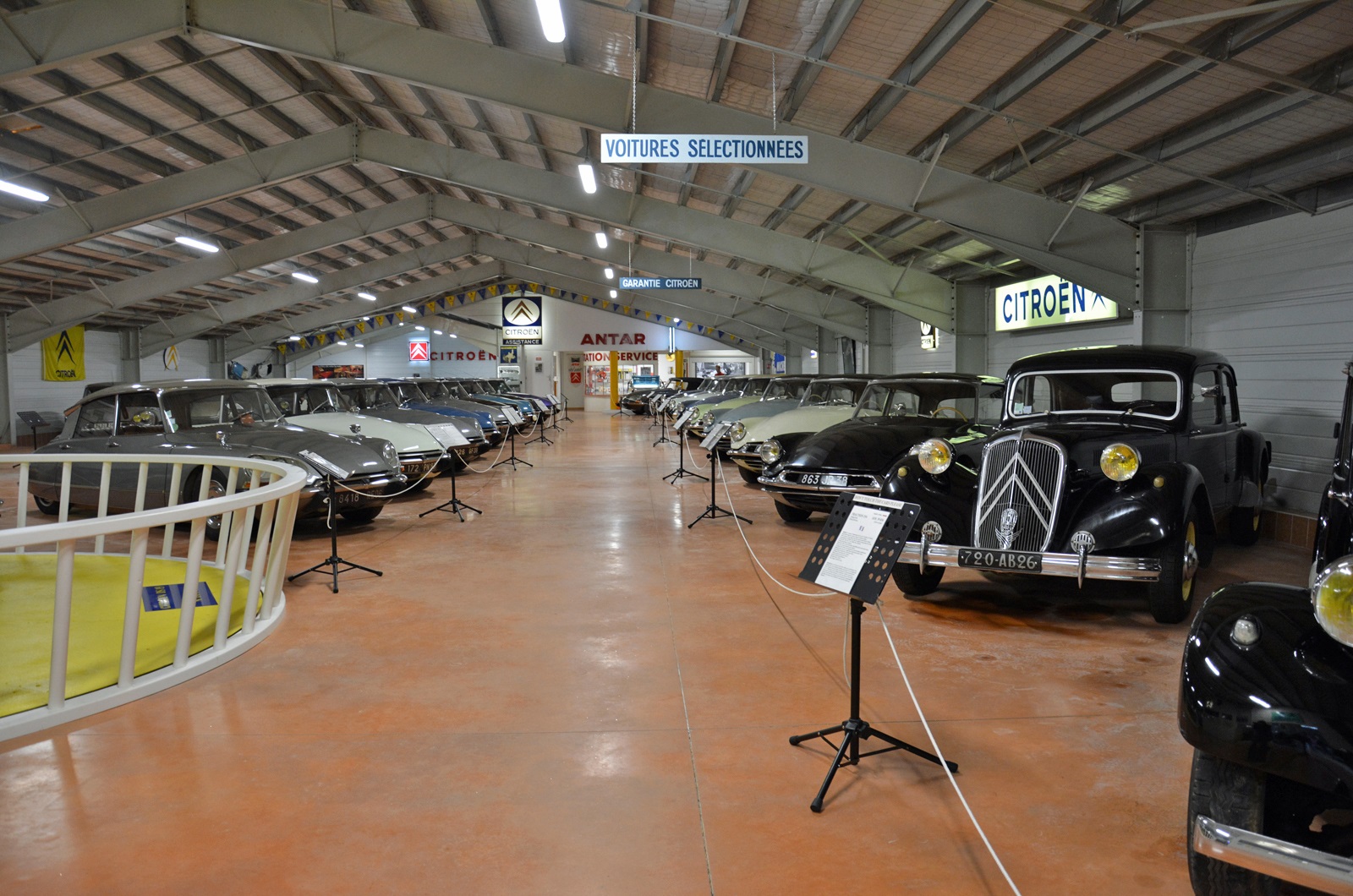
Beyond the vehicles, the museum serves as a comprehensive archive. Fradet has integrated a vast array of Citroën memorabilia, including original research and development documents, vintage dealer signage, and scale models. This contextual layering transforms the warehouse from a simple garage into a scholarly institution of industrial history.
The Foundation: Traction Avant and the Birth of the DS
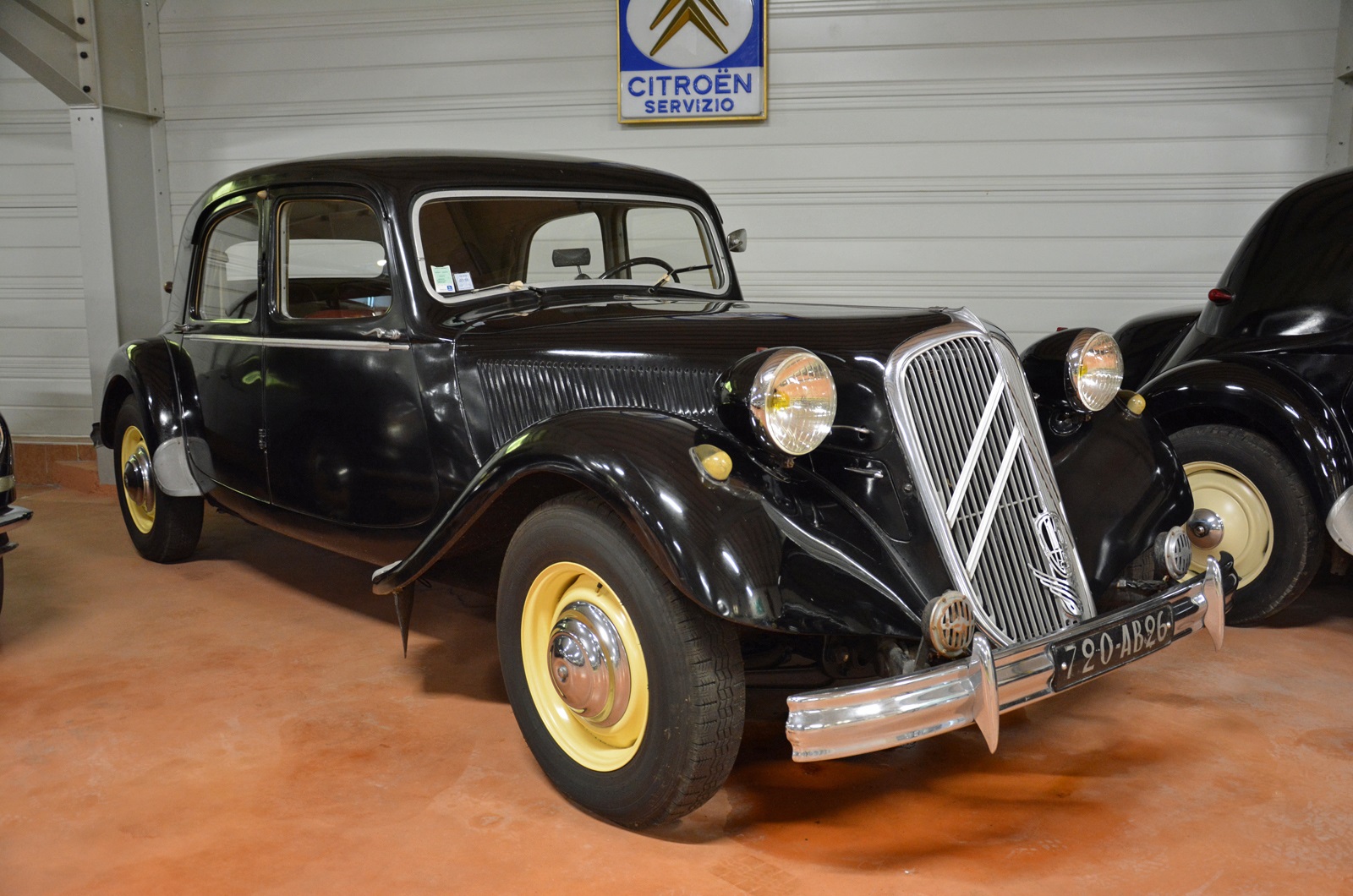
While the museum focuses primarily on post-war models, the Traction Avant serves as the necessary prologue. Though introduced in 1934, its production continued until 1957, making late-model examples a bridge to the modern era. The museum’s 1952 Traction 15/6 is a standout, powered by a 2.9-liter straight-six engine. With only 40,000 kilometers since new, it represents the pinnacle of pre-war engineering refined for the post-war market.
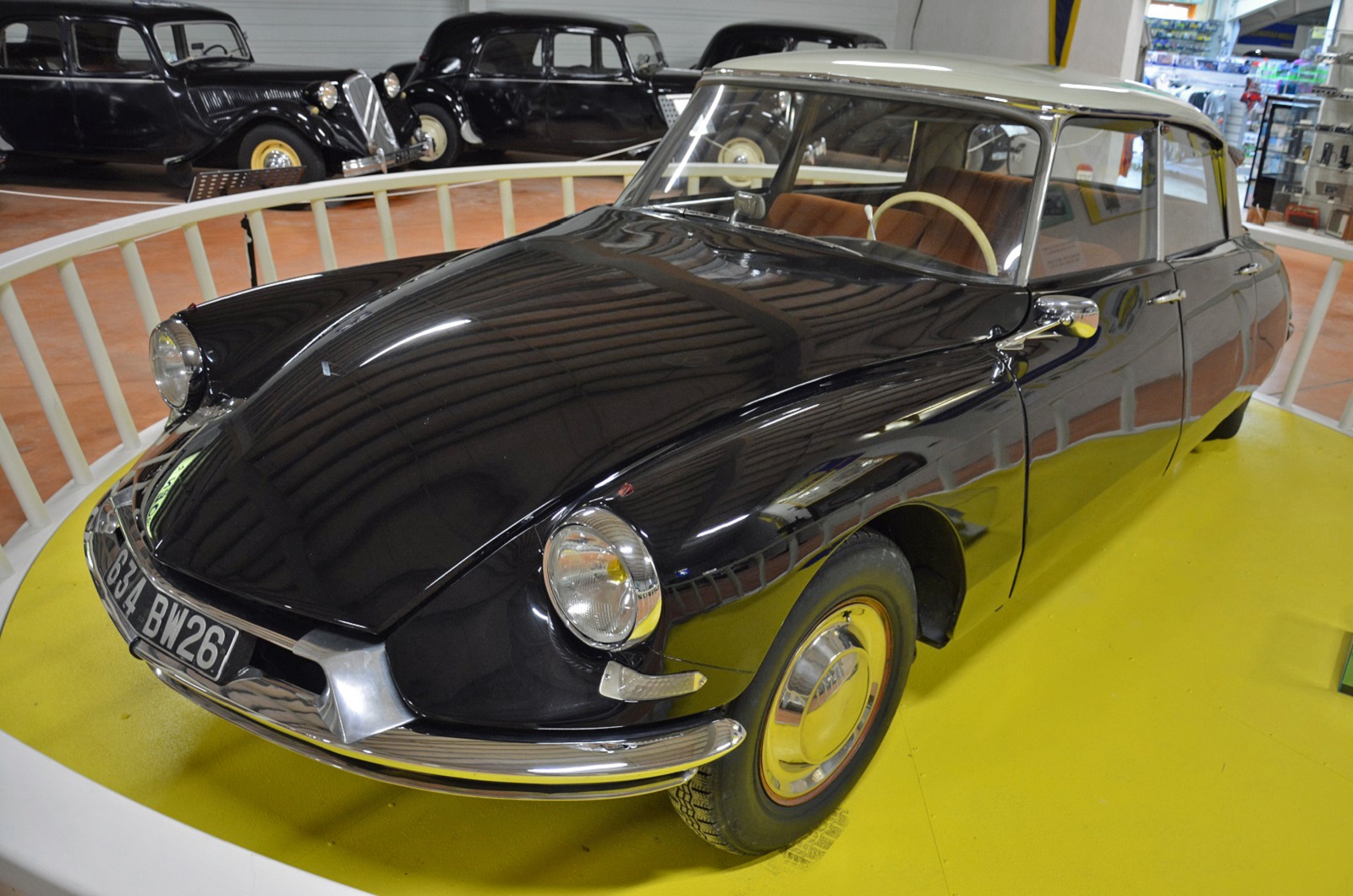
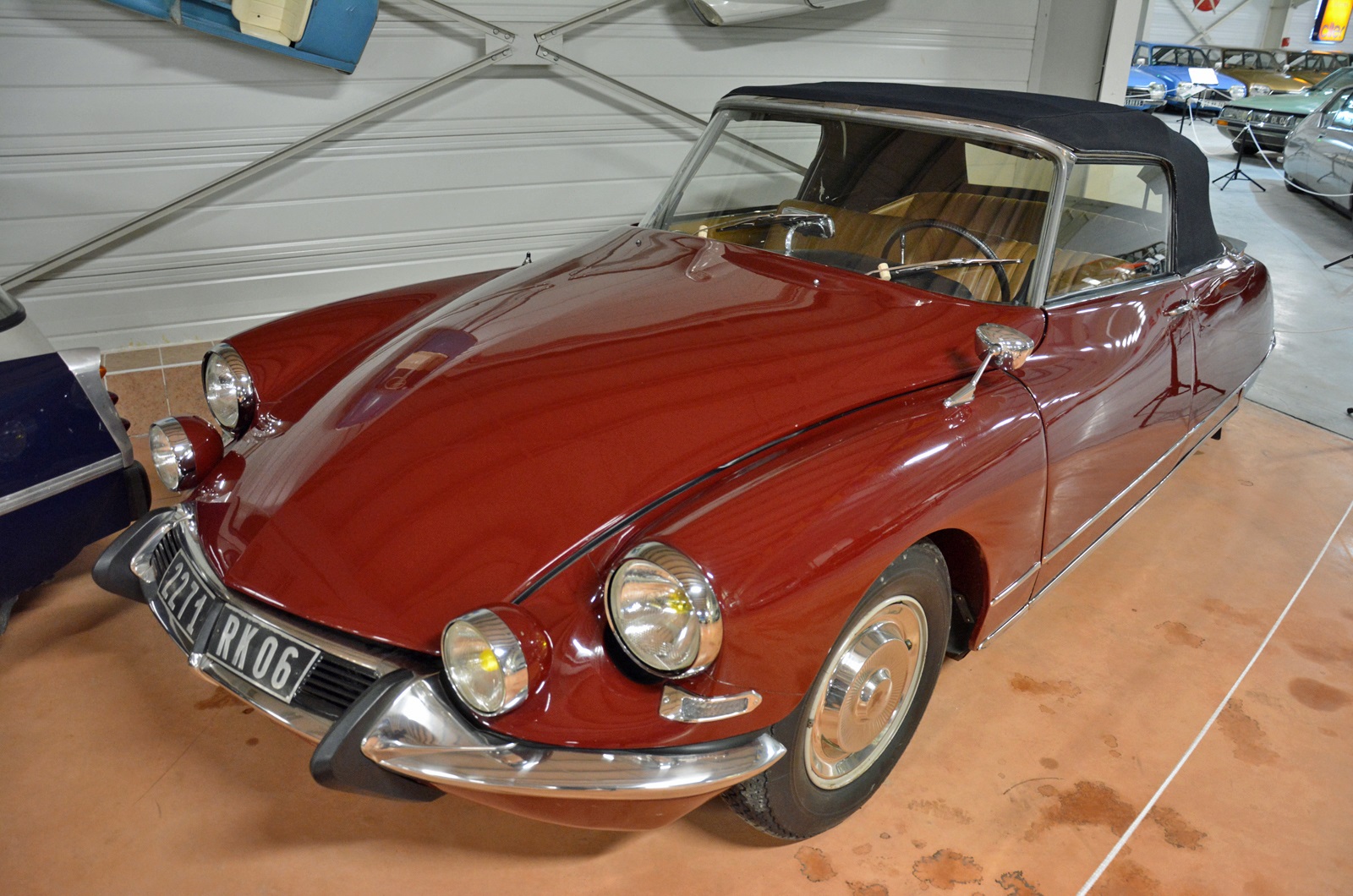
However, the centerpiece of this section is unquestionably a black 1955 DS. Bearing chassis number 32, it is the 14th DS ever sold and is widely considered the oldest surviving series-produced example in the world. Because mass production did not commence until February 1956, the 175 cars registered in 1955 were essentially hand-built prototypes. This specific car was used as a demonstrator in Valence before being sold to a private customer. Its survival is a statistical anomaly, as most early production units were recalled or destroyed by the factory.
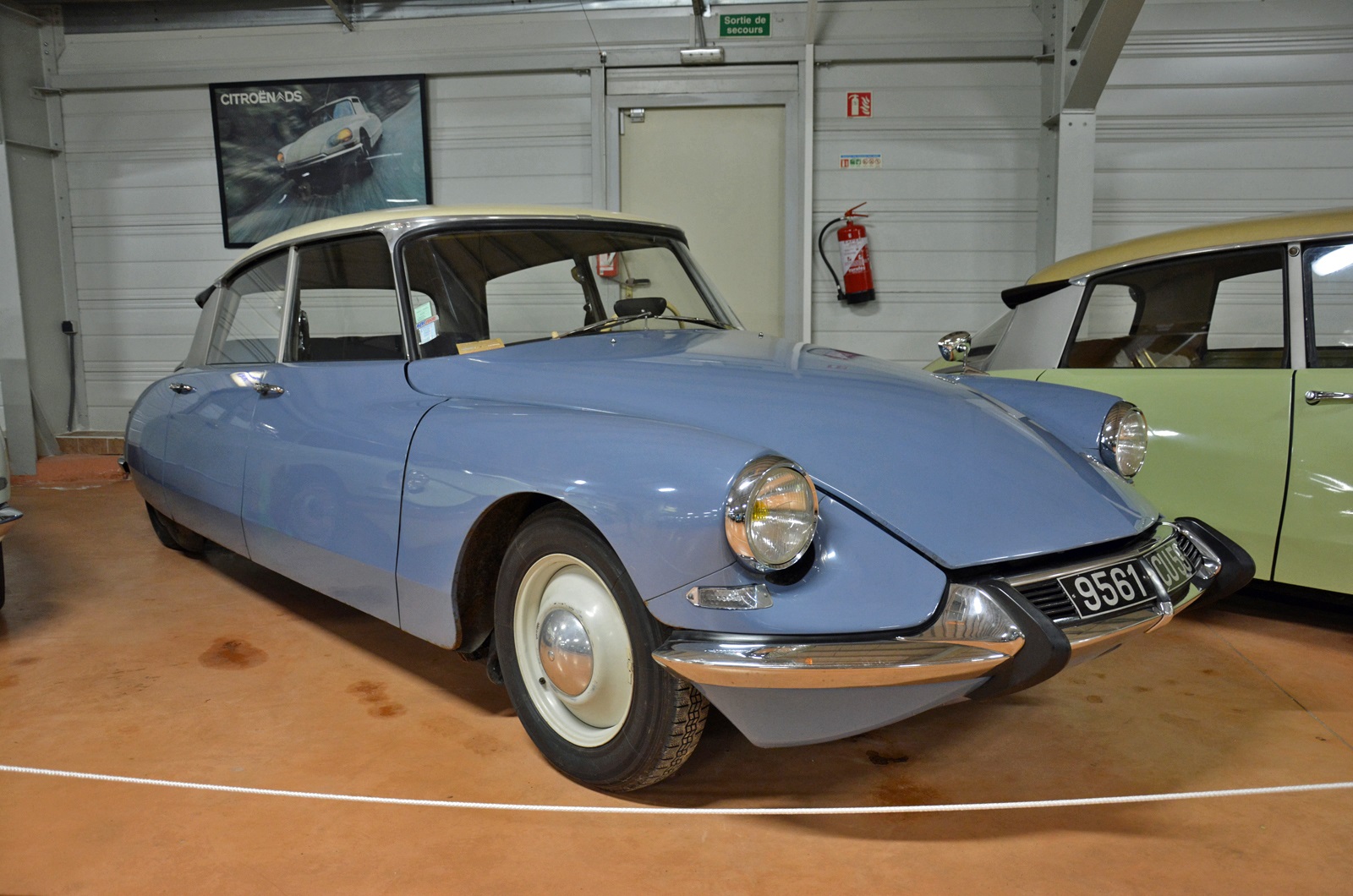
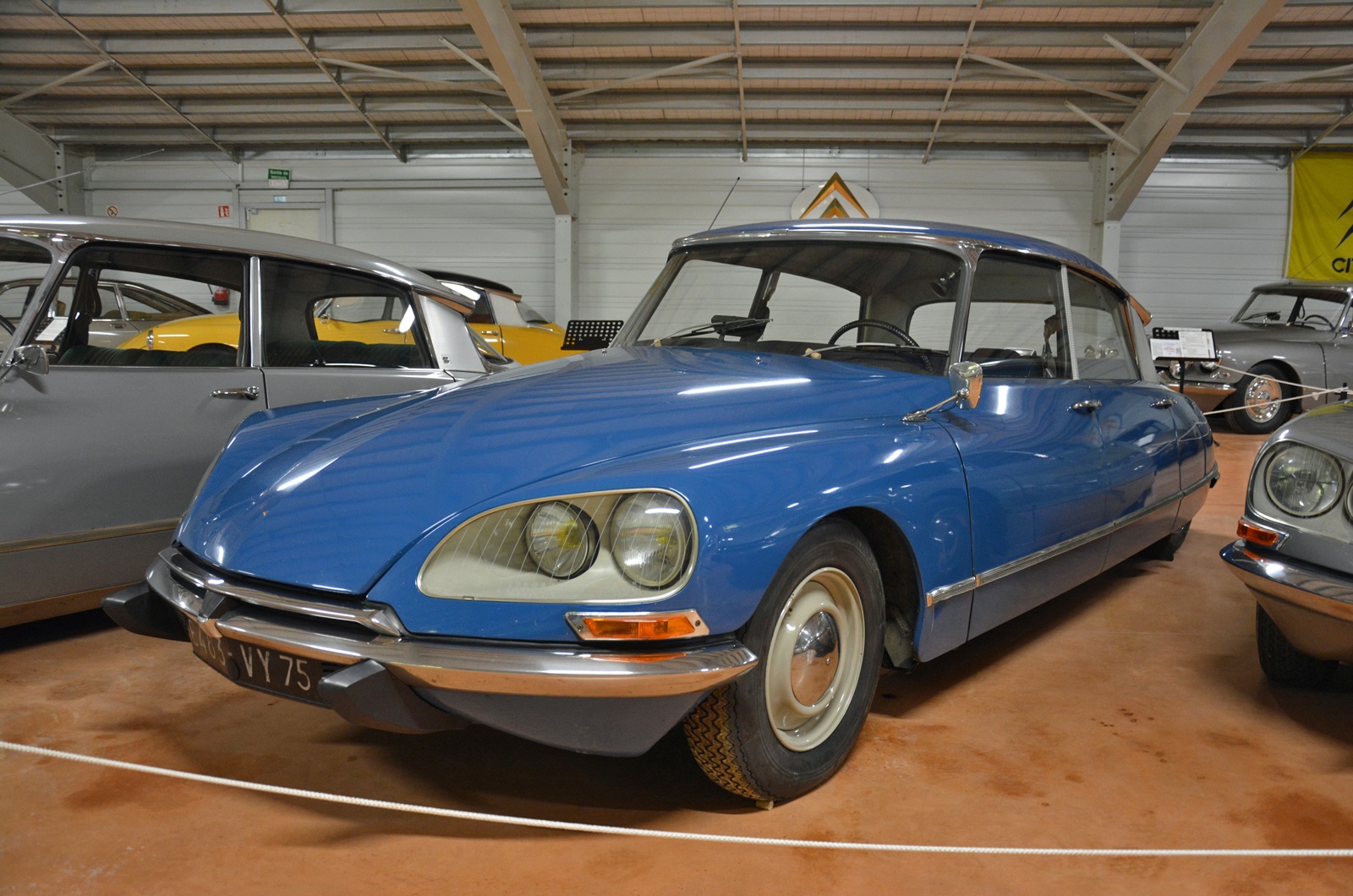
The collection also highlights the ID 19, a simplified version of the DS. A 1963 example in "Bleu de Provence" demonstrates Fradet’s dedication to original condition, retaining its factory finishes despite a life that included a trek to Norway.
The 2CV and the Democratization of French Mobility
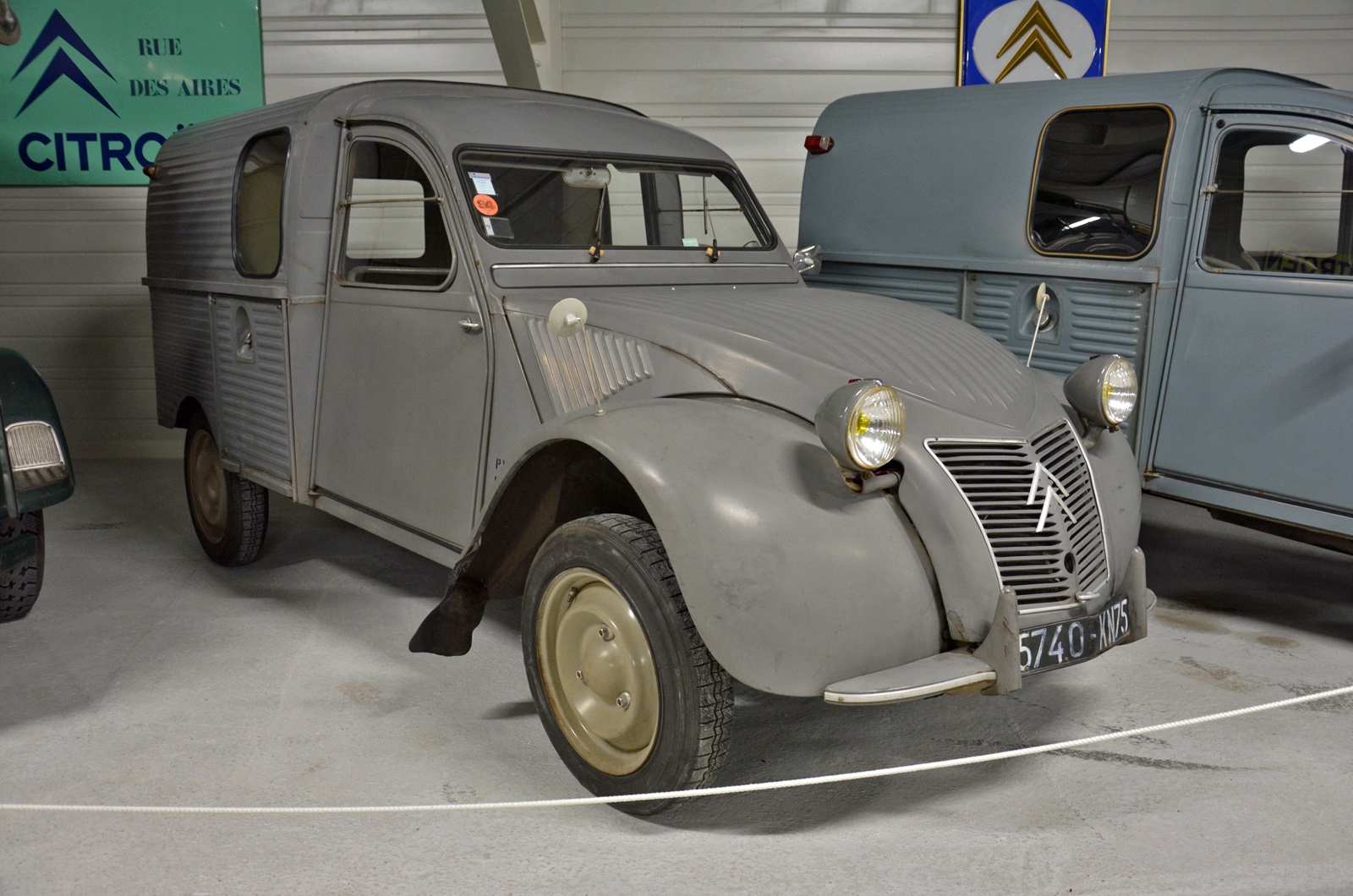
The second wing of the museum explores the 2CV, a vehicle that redefined French rural life. For decades, the 2CV was treated as a disposable tool, leading to a high attrition rate. Finding original, low-mileage examples is significantly more difficult than finding restored ones.
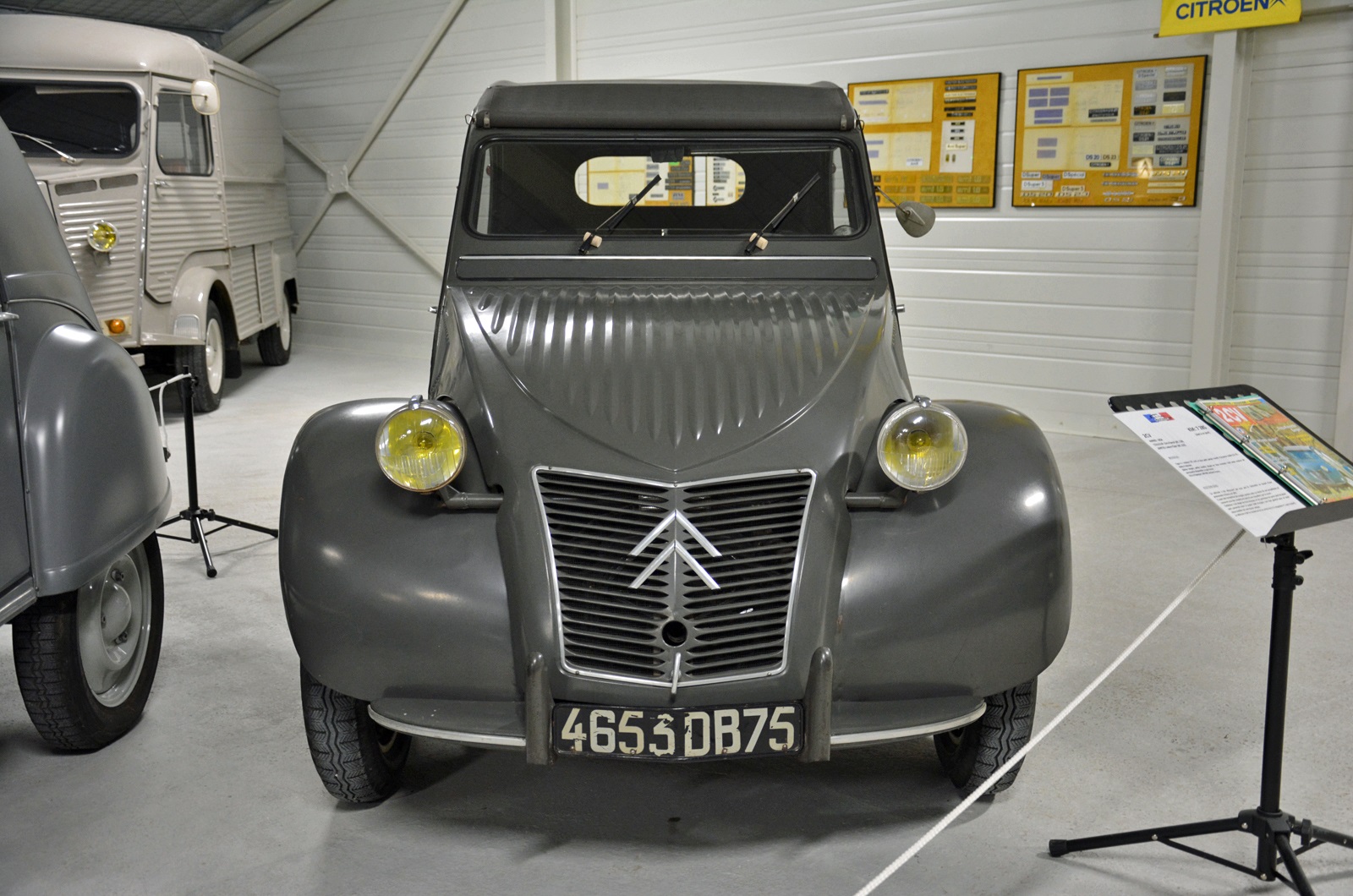
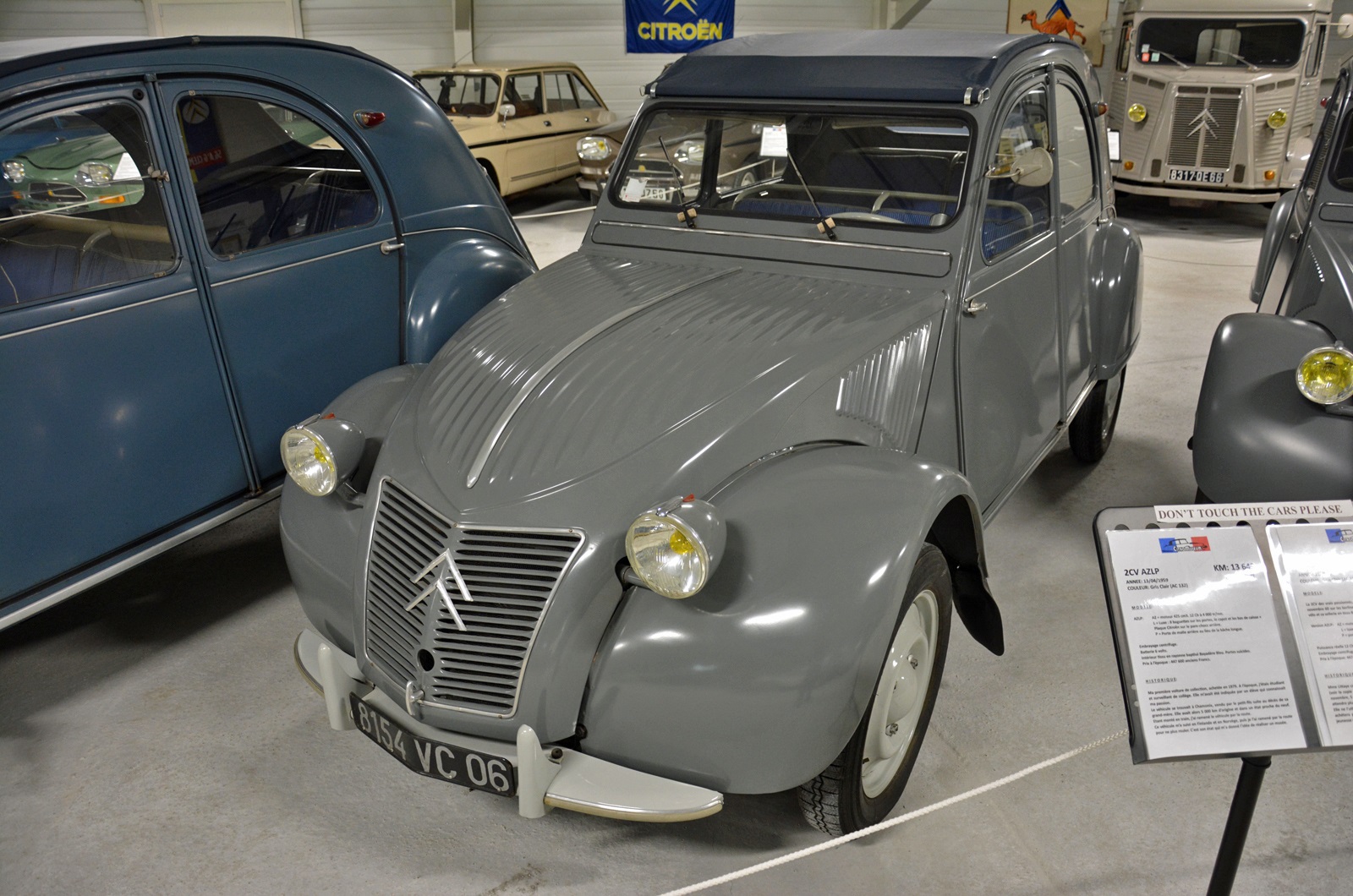
A primary highlight is a 1954 2CV A, which has covered only 7,300 kilometers in 65 years. The vehicle remains so original that the protective brown paper applied to the interior door panels at the factory is still intact. Another notable entry is a 1959 2CV AZLP with 13,000 kilometers. This car is historically significant to the museum as it was Fradet’s first vintage purchase, the vehicle that sparked the creation of the entire collection.
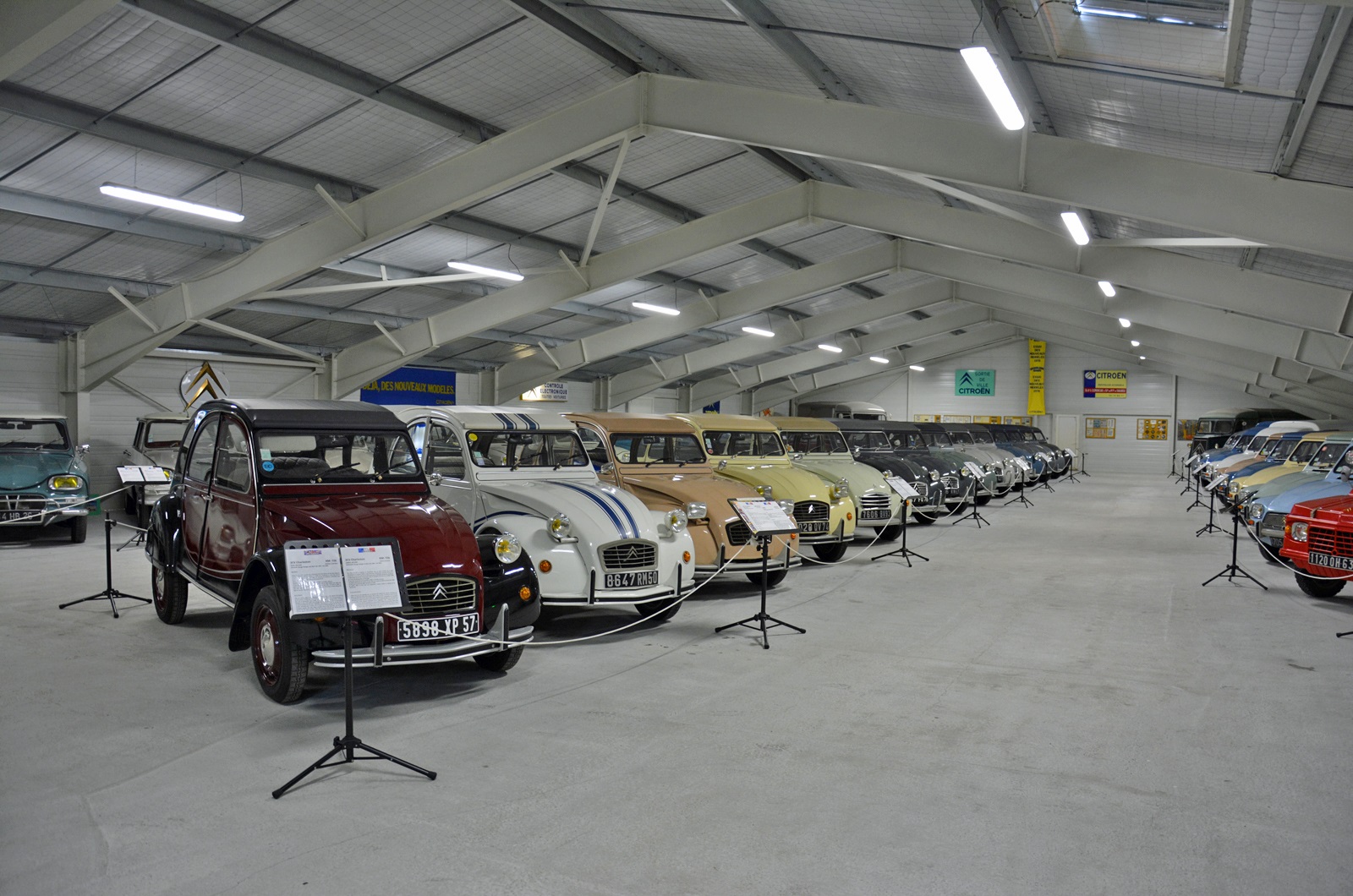
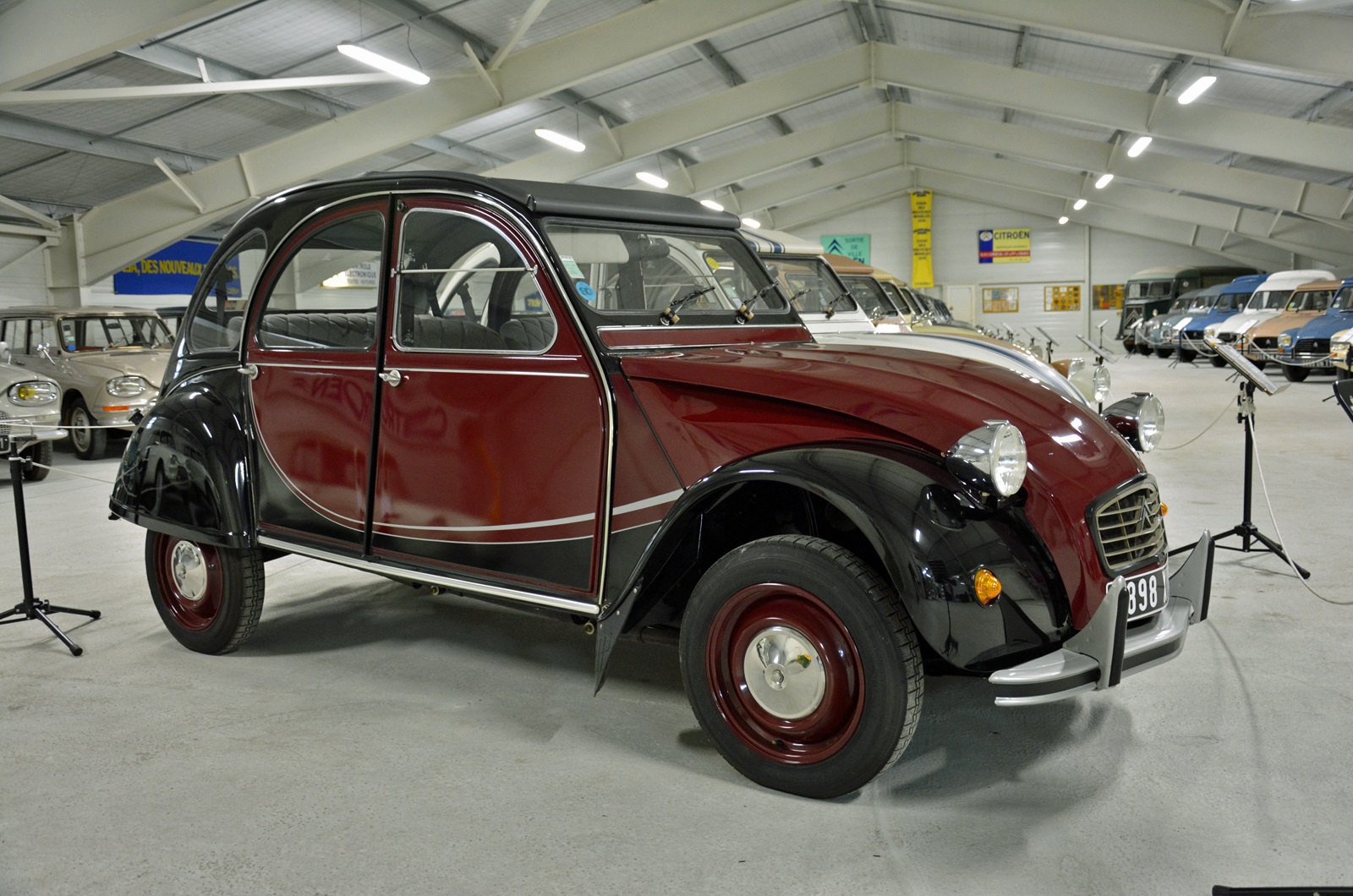
The museum also tracks the 2CV’s international footprint and final years. A 1984 2CV6 CT, built in Spain for the local market, shows only 84 kilometers on the clock. Furthermore, the museum houses two of the final "Charleston" editions from 1990—one with 726 kilometers and another, remarkably, with just 21 kilometers—representing the very end of a 42-year production run.
Engineering Extremes: The Wankel Rotary and the SM
Citroën’s history is defined by a willingness to take massive financial and technical risks. The CitroMuseum documents these gambles through its collection of rotary-powered vehicles and the Maserati-engined SM.
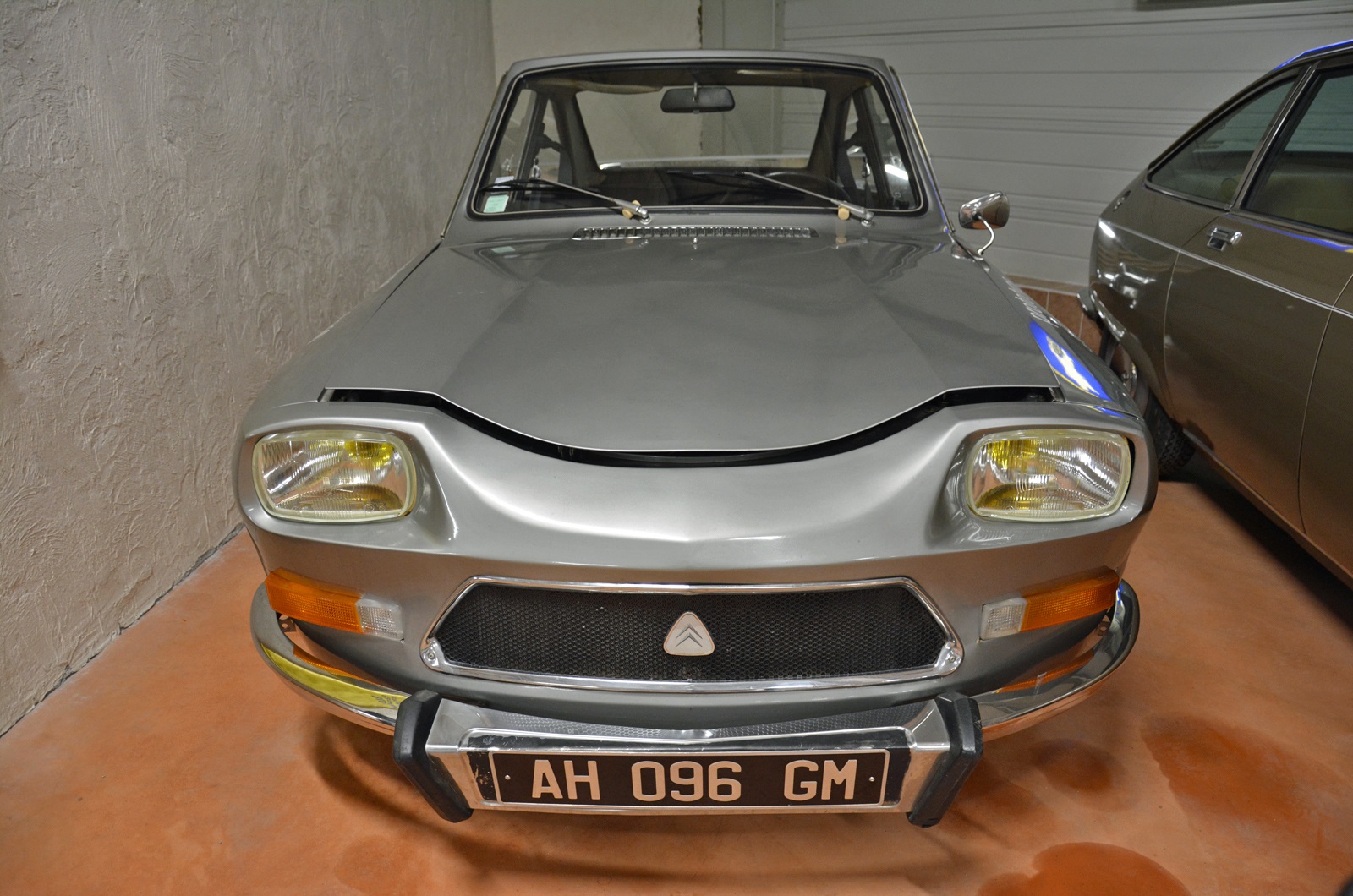
The M35 (1970) was an experimental coupe designed to test the feasibility of the Wankel rotary engine. Citroën only produced 267 units, leasing them to high-mileage customers to gather real-world data. Fradet’s example, showing 31,000 kilometers, is one of two in his possession. The lessons from the M35 led to the GS Birotor in 1974. Featuring a 105hp twin-rotor engine, the Birotor was intended to be a flagship for the GS range. However, its launch coincided with the 1973 oil crisis. The engine’s high fuel consumption made it a market failure, and Citroën attempted to buy back and scrap every unit to avoid long-term parts liability. Only about 250 are believed to have survived; Fradet’s 1974 model is a rare survivor of this purge.
The SM (1971) represents a different kind of ambition. Following Citroën’s acquisition of Maserati in 1968, the company created a high-performance grand tourer. Combining Citroën’s hydropneumatic suspension with a Maserati V6, the SM was one of the most advanced cars of its time. The museum’s example was purchased from a chauffeur in Monaco and has covered 38,000 kilometers.
The Modern Classics: CX, BX, and the PSA Transition
As the collection moves into the late 1970s and 1980s, it captures the brand’s transition after its merger with Peugeot. This era saw the introduction of the CX, the last "pure" Citroën designed before the merger, and the BX, which utilized Peugeot platforms but retained Citroën’s signature suspension.
The museum’s CX collection includes a 1988 CX 22 TRS with a staggering 62 kilometers on the odometer. This car was stored in a dealership basement for 17 years after the newer XM model rendered it obsolete. Even more rare is the CX REGAMO prototype from 1987. One of only a dozen made, it was used to test the "Hydractive" electronic suspension system that would later debut on the XM.
The BX, often dismissed by collectors in the past, is represented here in pristine form. A 1989 BX 16 Soupapes (16-valve) with 160hp showcases the performance potential of the platform, while a "Leader" edition from 1987 with 6,000 kilometers highlights the value-oriented marketing of the period.
Niche Models and Utility Vehicles
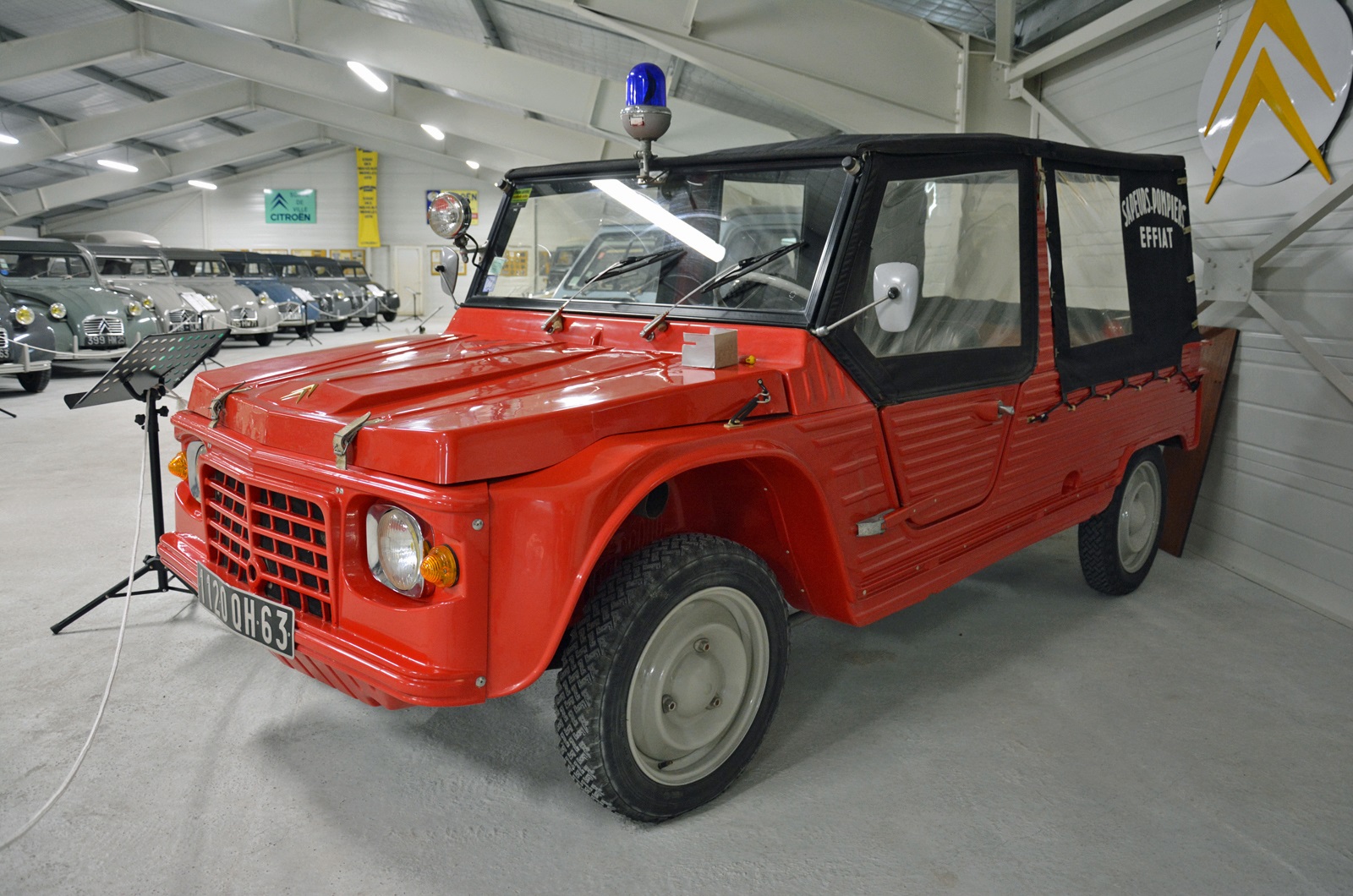
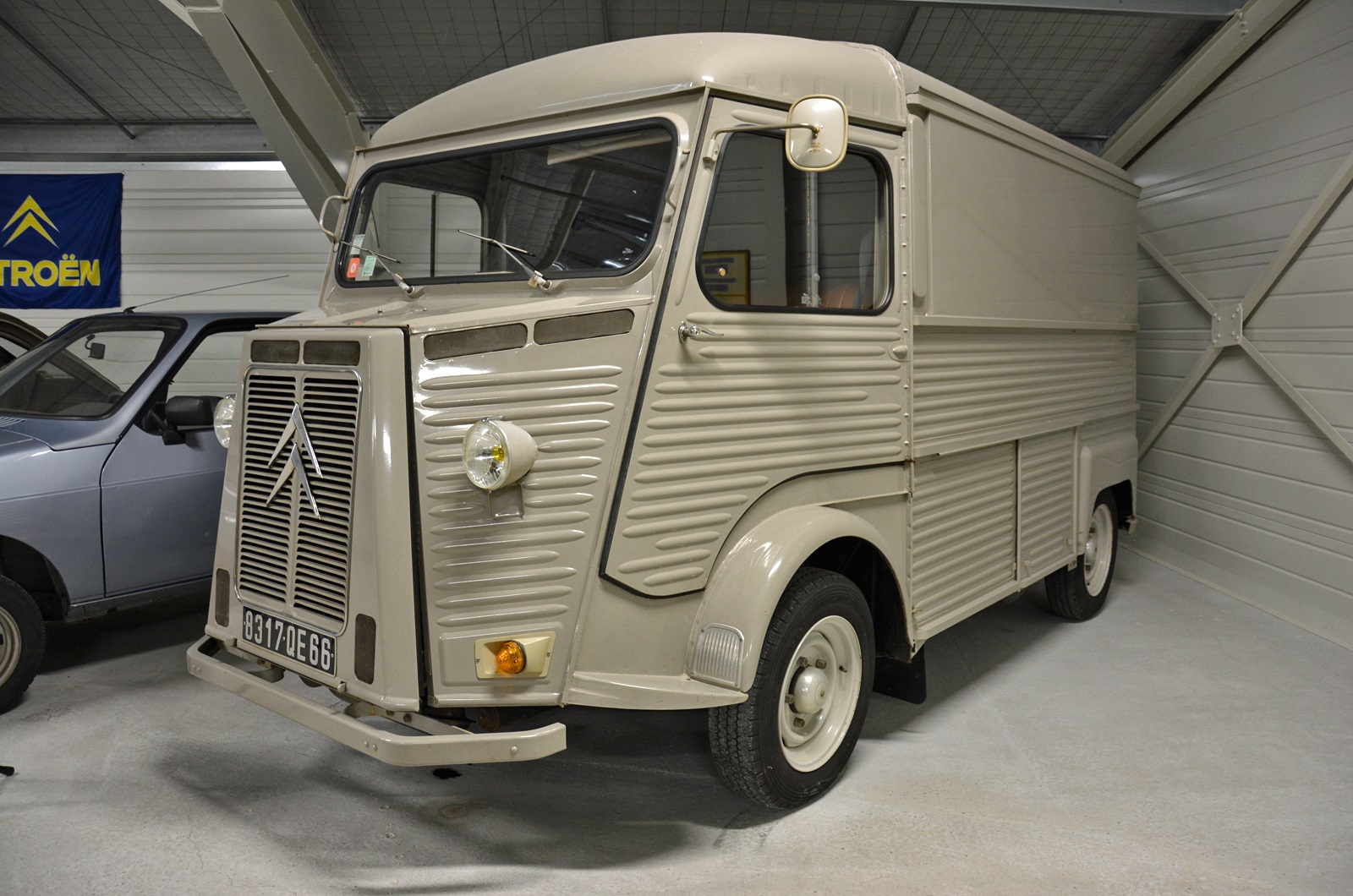
The collection is rounded out by Citroën’s more utilitarian and niche offerings. The Mehari, a plastic-bodied multi-purpose vehicle, is represented by a 1972 example used by a local fire department, showing just 4,300 kilometers. The HY van, a staple of French commerce for decades, is represented by one of the final units produced in 1981, preserved with only 12,000 kilometers by a winemaker.
Even the brand’s more controversial models, like the Romanian-built Axel and the Peugeot-based LNA and Visa, are given space. A 1986 Axel Entreprise, a two-seat commercial version, shows under 2,000 kilometers. It was found in a Parisian garage, having been purchased by a man who did not possess a driver’s license—a testament to the unusual circumstances that often lead to the survival of low-mileage vehicles.
Heritage Impact and the Value of Originality
The CitroMuseum’s existence raises important questions about the nature of automotive preservation. In the current collector market, "concours" restorations often replace original materials with modern equivalents, erasing the "patina" and technical accuracy of the vehicle. Henri Fradet’s collection serves as a counter-argument, suggesting that a car is only original once.
Automotive historians have praised the collection for its role as a "living laboratory." By maintaining these cars in their as-delivered state, the CitroMuseum allows researchers to verify factory paint codes, upholstery stitching patterns, and mechanical finishes that are often lost in restoration.
Visitor Information and Regional Significance
The CitroMuseum is located at Route de la Lèque, 04120 Castellane, France. It is situated on the Route Napoléon, a popular tourist path through the Alps. The facility is open to the public from April to October, providing an accessible educational resource for the thousands of tourists who pass through the region. With an entry fee of €8, it remains a grassroots effort to maintain the legacy of one of the world’s most innovative car manufacturers.
The continued growth of the collection, including recent acquisitions like the 1998 Saxo Electrique, ensures that the museum remains relevant as it begins to document the early years of the electric vehicle revolution. As the automotive industry shifts toward a digital and electrified future, repositories like the CitroMuseum become increasingly vital in documenting the mechanical ingenuity and avant-garde spirit that defined the 20th century.