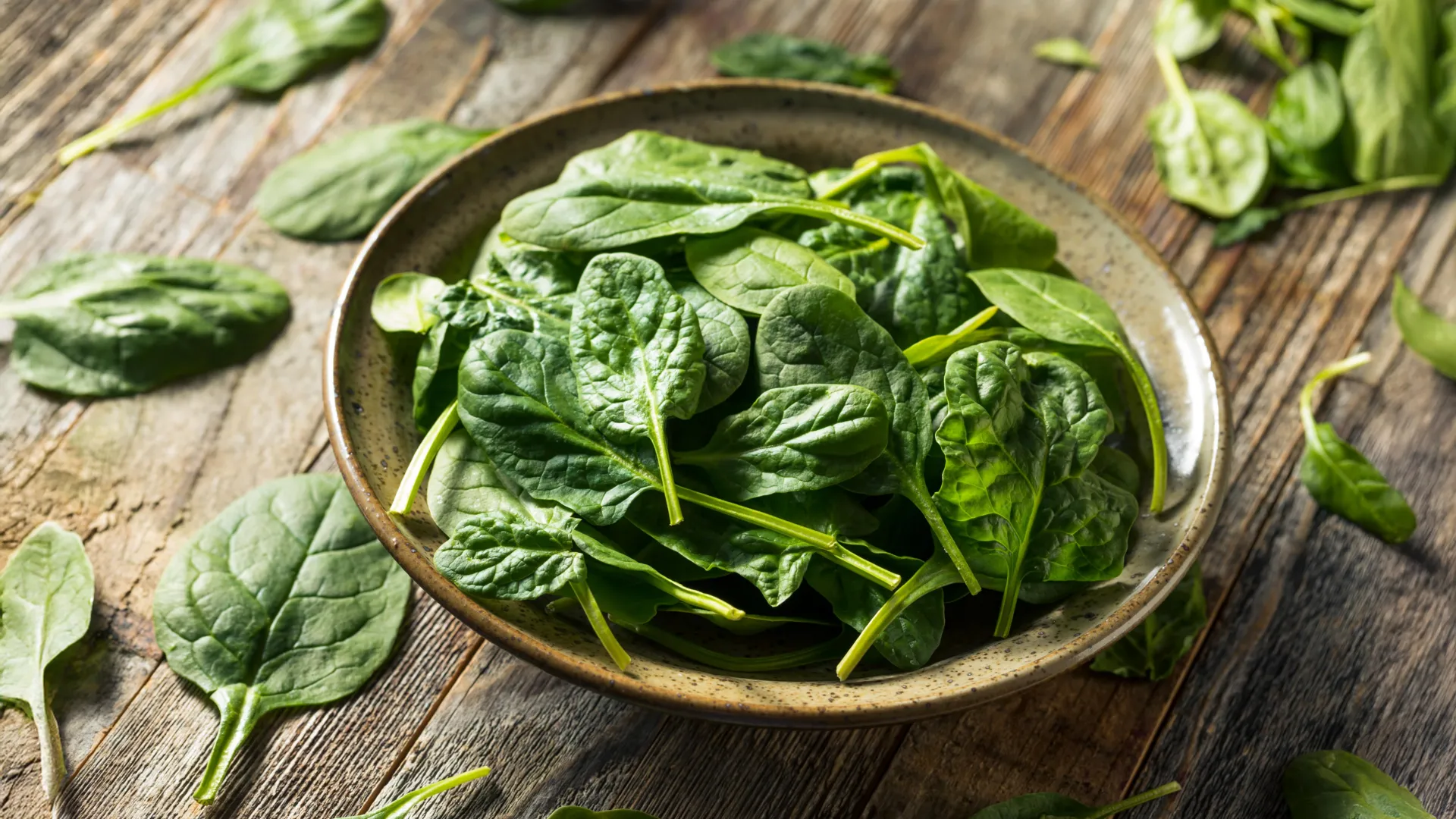
Spinach, almonds, and sweet potatoes, long lauded for their nutritional prowess, may harbor a hidden downside for individuals battling inflammatory bowel disease (IBD). New research emerging from the UNC School of Medicine has identified a naturally occurring compound, oxalate, present in these and many other plant-based foods, as a potential contributor to intestinal inflammation in IBD patients. This groundbreaking study, published on August 13, 2026, in the prestigious journal Cellular and Molecular Gastroenterology and Hepatology (CMGH), challenges conventional dietary wisdom and opens a novel avenue for understanding and potentially managing these chronic conditions.
Unraveling the Oxalate Connection: A Deep Dive into IBD Pathophysiology
The extensive research project, spearheaded by postdoctoral scholar Anna Salvador, PhD, RD, LDN, under the guidance of Professor Shehzad Z. Sheikh, MD, PhD, at the UNC School of Medicine’s Department of Medicine and Genetics, meticulously investigated the intricate relationship between dietary oxalate and the inflammatory landscape of the gut. The study employed a multi-pronged approach, examining gene activity, the concentration of oxalates in stool samples, and detailed dietary patterns of both individuals diagnosed with IBD and a control group of healthy participants. To further elucidate the mechanisms at play, the researchers conducted sophisticated experiments using both mouse models and cultured human cells, aiming to pinpoint how dietary oxalate might exacerbate inflammation within the intestinal lining.
The Gut’s Compromised Defense: Oxalate Transport Impairment in IBD
Oxalate, a ubiquitous organic acid found in a wide array of plant-based foods, is typically processed by the healthy human digestive system with remarkable efficiency. In individuals without IBD, the majority of dietary oxalate is passed through the body and excreted in the stool, with minimal absorption into the bloodstream or intestinal tissues. However, the UNC study revealed a critical divergence in this process for IBD patients.
Researchers observed a consistent and significant downregulation of two key transporter proteins – SLC26A2 and SLC26A3 – within the intestinal tissue of individuals suffering from both ulcerative colitis and Crohn’s disease. These transporters play a vital role in facilitating the efflux, or outward movement, of oxalate from the intestinal cells into the gut lumen, thereby preventing its accumulation. The diminished presence of these crucial transporters was noted across affected intestinal segments, irrespective of the presence of active inflammation at the time of tissue sampling. More strikingly, the study found a direct correlation: the more severe the inflammation in a particular tissue area, the lower the expression levels of these oxalate transporters tended to be.
This impaired transport system creates a scenario where less dietary oxalate is effectively removed from the intestinal environment. Consequently, a higher concentration of oxalate remains within the gut, a finding that, according to the new research, may act as an inflammatory accelerant, amplifying the existing inflammatory processes characteristic of IBD. This discovery suggests that the gut’s innate ability to manage oxalate is fundamentally compromised in IBD, shifting the molecule from a benign dietary component to a potential trigger or exacerbator of disease activity.
Striking Discrepancies: Oxalate Levels in Crohn’s Disease Patients
One of the most compelling findings of the study emerged from the analysis of patients with Crohn’s disease. These individuals exhibited significantly higher levels of oxalate in their stool compared to the healthy control group. This elevated oxalate burden was observed despite both groups reporting consumption of remarkably similar quantities of plant-based foods, as assessed through both a validated dietary questionnaire (Diet History Questionnaire III) and an innovative DNA metabarcoding technique applied to stool samples. The latter, a molecular method that identifies plant species present in fecal matter, provided an objective measure of dietary intake, offering robust confirmation of the dietary questionnaire’s findings.
This marks the first instance, according to the research team, that DNA metabarcoding has been utilized to assess dietary intake within a population affected by IBD. "For the first time, we observed that IBD patients and healthy controls were eating similar amounts of plant-based foods yet CD patients still had more oxalate in their stool," stated Dr. Salvador, the lead author. "That told us this isn’t just about what patients eat. Something is fundamentally different about how their gut handles oxalate." This observation strongly implies that the increased oxalate burden in Crohn’s patients is not simply a reflection of dietary choices but rather a consequence of a biological dysfunction in the way their intestines process this compound.
Preclinical Evidence: Animal Models Reinforce the Oxalate-Inflammation Link
To rigorously test the hypothesis that dietary oxalate contributes to intestinal inflammation, the researchers conducted a series of experiments in various animal models. In one critical experiment, mice that were administered an oxalate-supplemented diet alongside a substance known to induce colitis demonstrated a starkly reduced survival rate – they were 60% less likely to survive compared to their counterparts who did not receive the additional dietary oxalate.
Further investigations in two distinct mouse models genetically predisposed to developing spontaneous colitis revealed that the introduction of dietary oxalate accelerated the onset of the disease and significantly intensified its severity. Notably, in these susceptible mouse strains, the genes responsible for oxalate transport were already showing reduced activity even before the oxalate-rich diet was implemented. This pre-existing pattern of impaired oxalate transport mirrored the findings observed in human IBD patients, providing a strong preclinical parallel.
Complementary experiments conducted in cell cultures provided further insight into the inflammatory mechanisms. These studies revealed that oxalate exposure amplified the inflammatory responses in macrophages and dendritic cells – crucial immune cells integral to maintaining intestinal health and regulating immune function. This cellular-level evidence underscores oxalate’s potential to directly engage and escalate inflammatory pathways within the gut.
A Potential Biomarker for Disease Severity: Oxalate Transporter Activity in Crohn’s Disease
Beyond its role as a potential contributor to inflammation, the research team also explored whether the expression levels of oxalate-related genes could serve as indicators of Crohn’s disease progression. In an exploratory analysis, a significant association was found between low expression of another oxalate transporter, SLC26A6, and stricturing Crohn’s disease. Stricturing Crohn’s disease represents a more aggressive and debilitating form of the condition, characterized by the progressive build-up of scar tissue that leads to narrowing of the intestinal lumen. The findings indicated that nearly 75% of patients exhibiting low SLC26A6 expression were diagnosed with this severe stricturing phenotype.
While these findings are preliminary and require validation in larger patient cohorts, they raise the tantalizing possibility that the activity of oxalate transporters could eventually serve as a predictive marker, enabling clinicians to identify individuals at a higher risk of developing more severe forms of Crohn’s disease. This could pave the way for earlier and more aggressive interventions in at-risk patients.
"Dr. Salvador really conceptualized and drove this work from the beginning," remarked Dr. Sheikh, acknowledging the pivotal role of his postdoctoral scholar. "She asked a question that hadn’t been asked before: What if a specific dietary molecule is an active driver of gut inflammation in IBD, not just a bystander? The rigor she brought to answering it is what makes these findings so compelling."
Navigating the Implications: What the Findings Mean for IBD Patients
The UNC School of Medicine study does not advocate for the wholesale elimination of plant-based foods from the diets of individuals with IBD. Such a drastic dietary change could have detrimental effects on overall nutrition and well-being. Instead, the findings suggest a nuanced understanding: in individuals with a genetic predisposition to IBD, even moderate amounts of oxalate may contribute to the inflammatory cascade within the intestinal lining. The researchers also posit that historical dietary studies in IBD may have been confounded by unacknowledged variations in how individual patients absorb and metabolize oxalate.
It remains entirely feasible for individuals with IBD to maintain a nutritionally balanced, plant-rich diet while strategically reducing their overall oxalate intake. This could involve mindful selection of lower-oxalate vegetables and fruits, as well as exploring preparation methods that may reduce oxalate content.
Furthermore, the research opens up exciting possibilities for novel therapeutic interventions targeting the gut microbiome. Certain bacterial species, most notably Oxalobacter formigenes, possess the remarkable ability to metabolize and break down oxalate within the gut. Crucially, studies have indicated that these beneficial oxalate-degrading bacteria are less prevalent in individuals with IBD. This observation suggests that future microbiome-based therapies, such as targeted probiotic or prebiotic interventions, could potentially enhance oxalate breakdown within the gut, offering a promising alternative or adjunct to solely relying on dietary restrictions.
The Path Forward: Future Research and Potential Dietary Guidelines
The UNC researchers emphasize that the current findings, while highly significant, are not yet sufficient to warrant formal, widespread recommendations regarding oxalate intake for individuals with IBD. Substantial further research is needed to solidify these initial discoveries and translate them into clinical practice.
Future studies are envisioned to encompass larger patient populations, employing longitudinal designs that track individuals over extended periods. These investigations will aim to integrate comprehensive measurements, including stool oxalate levels, meticulously documented dietary intake, detailed molecular profiling of intestinal tissues, and in-depth analyses of the gut microbiome. Such multi-faceted approaches will be crucial for a holistic understanding of oxalate’s role in IBD pathogenesis.
"For patients living with Crohn’s disease or ulcerative colitis, this research opens a genuinely new therapeutic angle – one that connects the food on their plate to the inflammation in their gut," Dr. Sheikh concluded. "Diet is one of the most powerful, modifiable levers we have in medicine, and this study gives us a molecular framework to start using it more precisely."
The research was generously supported by funding from the Helmsley Charitable Trust, the National Institute of Diabetes and Digestive and Kidney Diseases (NIDDK), the Chan Zuckerberg Initiative, Schmidt Sciences, the Burroughs Wellcome Fund, and additional sources from the National Institutes of Health. Collaborative efforts on the study involved researchers from UNC-Chapel Hill, Texas A&M University, and Duke University, highlighting a robust inter-institutional commitment to advancing the understanding of IBD.