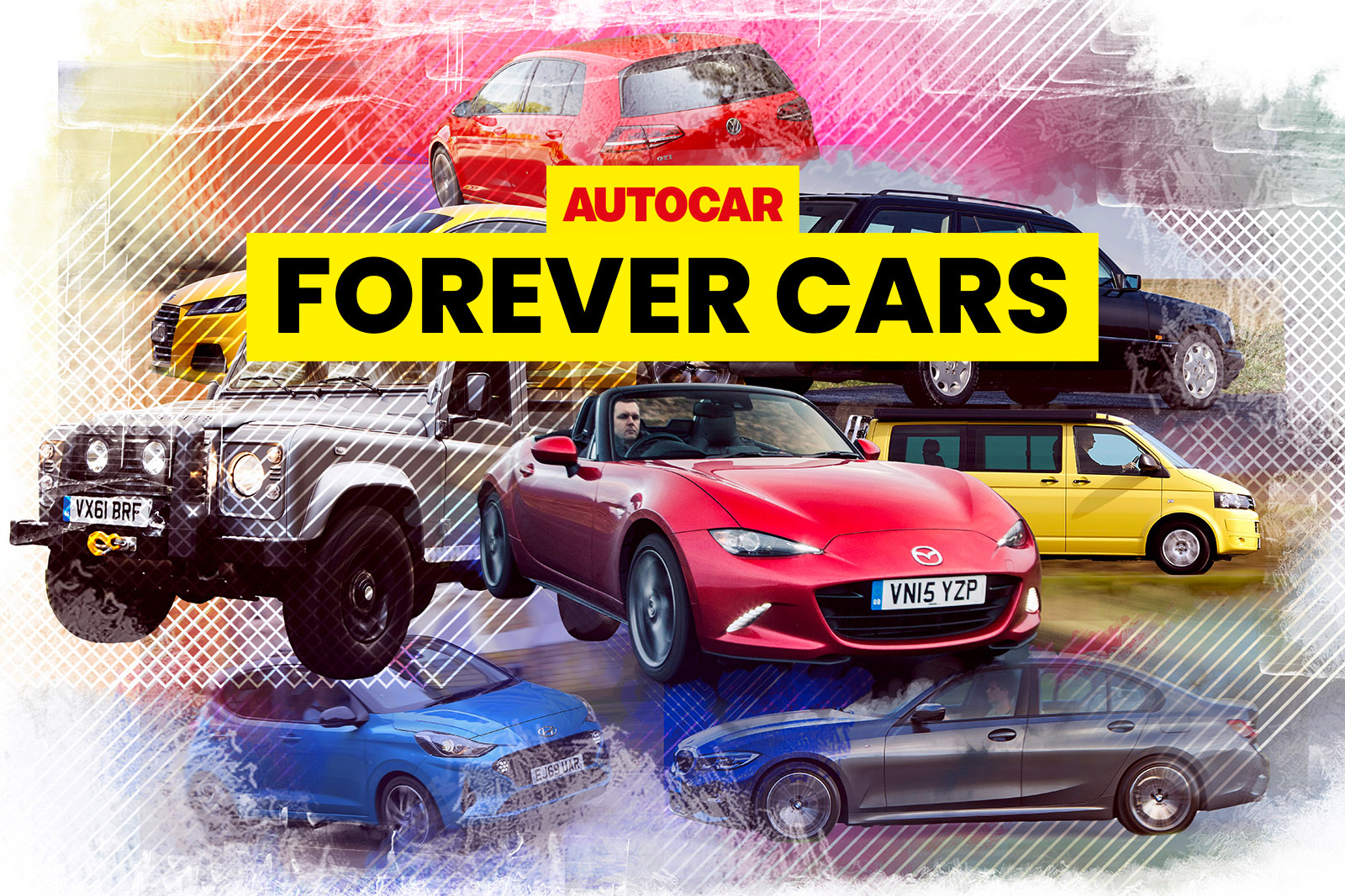
Against a backdrop of global and economic uncertainty, the automotive landscape is witnessing a profound shift in consumer behavior. The era of the "disposable" vehicle—fueled by low-interest Personal Contract Purchase (PCP) cycles and the relentless pursuit of the latest registration plate—is facing a challenge from a growing demographic of motorists seeking a "forever car." This concept, often referred to in enthusiast circles as a "lifer," describes a vehicle that serves as a permanent fixture in an owner’s life, transcending the typical three-to-five-year ownership cycle. Whether chosen for its mechanical simplicity, its potential as a future classic, or its peerless reliability, the lifer represents a commitment to automotive stewardship over transient consumption.
The momentum behind this movement is supported by significant improvements in manufacturing quality. According to the latest data from the What Car? Reliability Survey, the dependability of modern vehicles has seen a measurable uptick. Over the past seven years, the percentage of cars up to five years old experiencing faults has decreased from 27% to 22%. This five-point improvement suggests that for those looking to invest in a vehicle for the long haul, the mechanical baseline has never been higher. However, the transition to a "lifer" mindset involves more than just statistical reliability; it requires a strategic assessment of a vehicle’s long-term viability in an increasingly digital and regulated world.
The Economic and Psychological Shift Toward Longevity
The rise of the "forever car" is not merely a romantic notion but a pragmatic response to a volatile economic climate. For decades, the UK automotive market was driven by the "new car every three years" model, supported by high residual values and cheap credit. However, as interest rates have fluctuated and the list prices of new vehicles have soared—often outstripping wage growth—the financial logic of constant upgrading has weakened.
Psychologically, the "lifer" provides a sense of continuity. In a world where software updates can change the interface of a vehicle overnight and manufacturers pivot toward subscription-based features, owning a piece of hardware that remains constant offers a unique form of security. For many, a forever car is an emotional anchor—a machine that accompanies the owner through various life stages, accumulating a history that a leased vehicle never can.
A Chronology of Ownership: From Planned Obsolescence to Stewardship
To understand the current trend, one must look at the historical trajectory of vehicle longevity. In the 1970s and 1980s, the concept of a "forever car" was largely a pipe dream for the average motorist. Vehicles of that era were plagued by rapid oxidation (rust) and mechanical components that rarely saw the far side of 100,000 miles without a total overhaul.
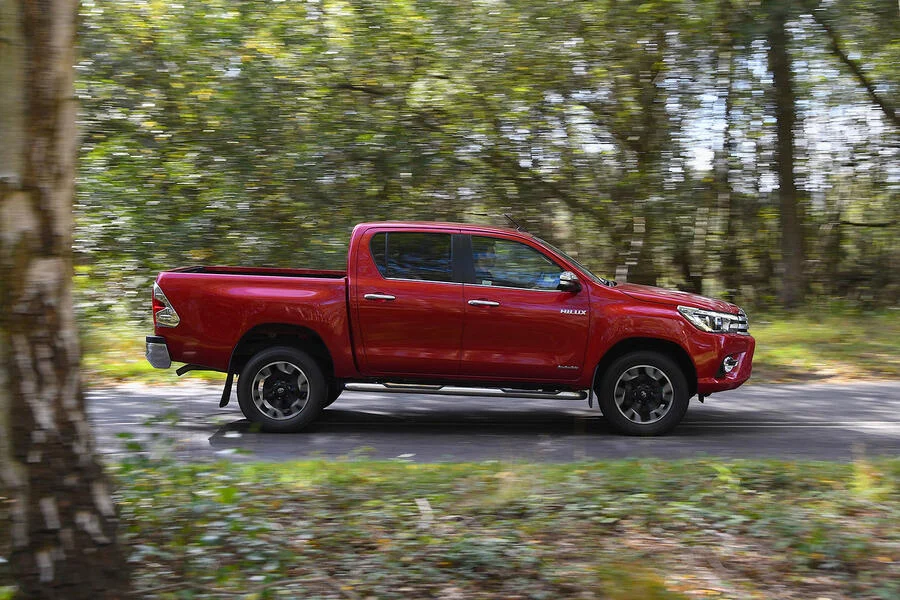
- The 1990s Turning Point: This decade saw the arrival of "peak durability." Manufacturers like Mercedes-Benz (with the W124 E-Class) and Toyota (with the LS400 and Hilux) began producing vehicles with over-engineered drivetrains and superior galvanization. These cars proved that a vehicle could comfortably last 30 years or 300,000 miles with routine maintenance.
- The 2000s Complexity Surge: As electronics and early infotainment systems were introduced, the "lifer" potential of new cars became clouded by "electronic obsolescence." While engines remained strong, the failure of proprietary computer modules began to write off cars prematurely.
- The 2010s Efficiency Era: Turbocharging and downsizing became the norm. While efficiency improved, concerns regarding the long-term stress on smaller engines grew.
- The 2020s and the Reliability Peak: As evidenced by recent reliability surveys, the industry has refined these complex systems. Modern manufacturing tolerances are tighter than ever, and material science has advanced to the point where 22% fewer cars are failing in their first five years compared to 2017.
Data-Driven Reliability: Analyzing the Modern Market
The What Car? Reliability Survey serves as a critical benchmark for identifying potential lifers. The drop in failure rates from 27% to 22% over seven years is indicative of several factors. First, the industry has matured in its application of modular platforms, which allows manufacturers to use tried-and-tested components across multiple models, reducing the likelihood of "teething issues" in new releases.
Second, the shift toward electrification, while controversial to some "lifer" purists, has introduced drivetrains with significantly fewer moving parts. Hybrid systems, particularly those from manufacturers like Toyota and Lexus, have consistently topped reliability charts, proving that complexity does not always equate to fragility.
However, the data also highlights a divide. While mechanical reliability is up, software-related issues have become the primary cause of modern vehicle downtime. For a car to truly become a "lifer" in the current era, it must possess a balance of robust mechanicals and a software architecture that is either simple enough to remain functional or open enough to be serviced by independent specialists in the decades to come.
The "Lifer" Criteria: What Makes a Forever Car?
Identifying a vehicle capable of lasting a lifetime requires looking beyond the initial brochure specifications. Automotive analysts and long-term owners generally agree on four pillars of "lifer" potential:
1. Mechanical Transparency and Serviceability
A true forever car must be maintainable outside of a manufacturer’s closed ecosystem. As vehicles become more integrated, the "Right to Repair" becomes a central issue. Lifers typically feature engines with accessible components and a healthy aftermarket for spare parts. This is why vehicles like the Mazda MX-5, various Toyota 4x4s, and even older Porsche 911s are often cited as the ultimate lifers; their mechanical layouts are well-understood by the global garage community.
2. Material Integrity
Longevity is a battle against the elements. A forever car must have a chassis and bodywork treated to resist corrosion. The move toward aluminum intensive construction (seen in many Jaguar Land Rover and Audi products) and high-quality galvanization in the late 2010s has extended the theoretical lifespan of the modern car’s structure indefinitely, provided it is not involved in a major collision.
3. Timeless Design
To keep a car for 20 or 30 years, the owner must not grow tired of looking at it. "Lifers" often possess a design language that avoids fleeting trends. This aesthetic "slow-burn" ensures the vehicle looks as appropriate in 2045 as it does in 2026.
4. Adaptability to Regulation
In an era of Ultra Low Emission Zones (ULEZ) and shifting fuel policies, a forever car must be future-proof. This has led to a surge in interest in "restomodding"—the process of updating a classic or long-term vehicle with modern, cleaner powertrains or synthetic fuel compatibility—allowing the "lifer" to survive changing legislative landscapes.

Industry Reactions and the "Right to Repair"
The automotive industry’s reaction to the "forever car" trend is mixed. For many manufacturers, the business model relies on high-volume turnover. However, brands such as Volvo and BMW have begun to emphasize "circular economy" principles, focusing on the use of recycled materials and the potential for refurbishing older models.
Official responses from industry bodies suggest a growing recognition of the environmental benefits of car longevity. The Society of Motor Manufacturers and Traders (SMMT) has previously noted that while new cars are essential for hitting carbon reduction targets, the maintenance of the existing fleet is vital for economic stability. Meanwhile, consumer advocacy groups are pushing for legislation that prevents manufacturers from "locking" software, ensuring that a car remains functional even after the manufacturer ceases to support its digital infrastructure.
Broader Implications: Sustainability and the Market
The move toward settling down with a "lifer" has significant implications for environmental sustainability. While the push for Electric Vehicles (EVs) is centered on tailpipe emissions, the "embodied carbon"—the energy required to mine, manufacture, and transport a new vehicle—is substantial. Extending the life of an existing, efficient internal combustion engine (ICE) or hybrid vehicle for 20 years can, in many cases, result in a lower total carbon footprint than replacing that vehicle every three years with a new EV.
Furthermore, the "lifer" movement is creating a robust secondary market for high-quality, high-mileage vehicles. As more consumers realize that a well-maintained car with 150,000 miles is no longer "worn out," the stigma against high mileage is fading. This shift supports a more sustainable automotive ecosystem where value is placed on maintenance and care rather than novelty.
In conclusion, the transition from "various dalliances" to a single, long-term automotive partner is a reflection of a maturing market. With reliability on the rise and economic factors favoring long-term ownership, the era of the "lifer" is not just a niche hobby for enthusiasts—it is becoming a rational choice for the modern driver. Whether it is a rugged off-roader, a precision-engineered sedan, or a simple, soulful roadster, the forever car represents the ultimate triumph of quality and connection over the ephemeral nature of modern consumerism. For those dissatisfied with the cycle of constant replacement, the time to settle down has indeed arrived.