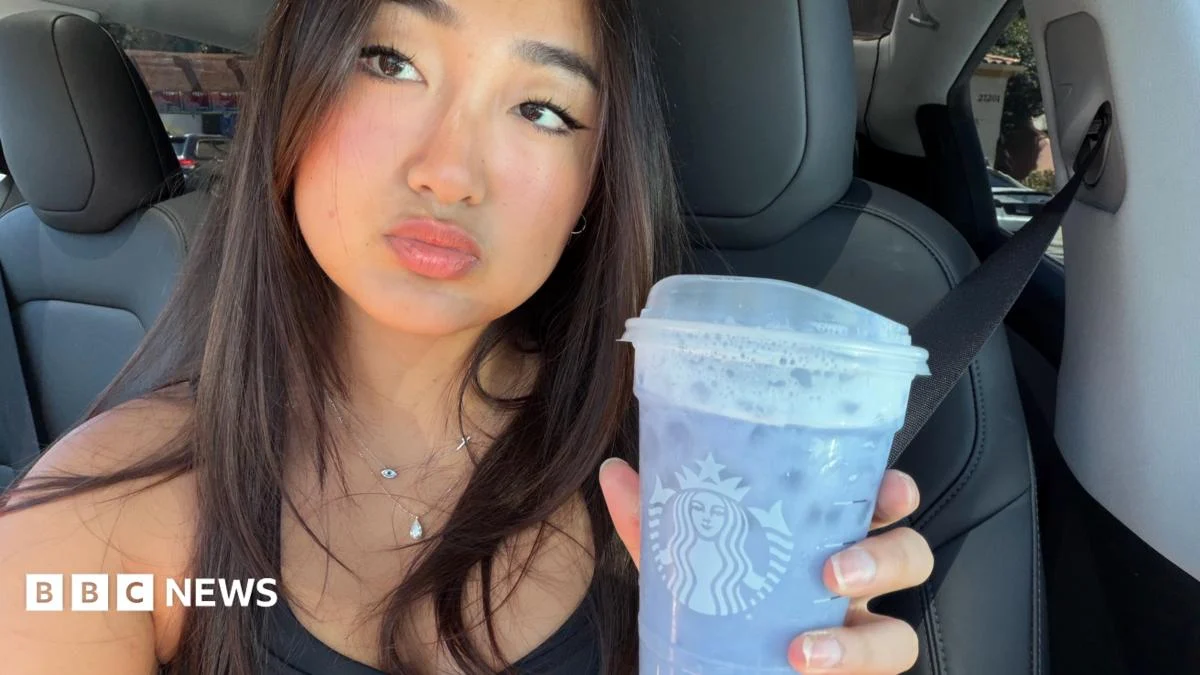
Elaine Ling, a 21-year-old who divides her time between New York and California, embodies a growing demographic trend that is fundamentally reshaping the beverage industry. While she relies on local cafes for her "real coffee," her visits to Starbucks are reserved almost exclusively for cold beverages, shunning their traditional hot coffee offerings due to perceived sweetness. Ling’s preference for refreshers over classic lattes is not an isolated consumer quirk; it is a widespread phenomenon among younger generations that has prompted a strategic pivot for Starbucks and a rapid adaptation across the fast-food landscape. The coffee giant, founded more than five decades ago with a strong emphasis on premium roasted coffee, now reports that three out of every four drinks sold are cold, a significant departure from its historical identity. This shift encompasses everything from iced fruity concoctions and protein shakes to "dirty sodas" – a blend of foam, syrups, and juices – signaling a broader transformation in consumer demand and market dynamics.
The Shifting Beverage Landscape: A Generational Divide
The preference articulated by Elaine Ling resonates deeply with Gen Z consumers, those born between 1997 and 2012, who are increasingly opting for cold, customizable drinks over conventional hot coffee. This generational shift represents more than just a change in taste; it reflects evolving consumer values centered on personalization, self-expression, and visual appeal. Tristan Höver, global insight manager for hot drinks at Euromonitor International, highlights that younger consumers view beverages as highly adaptable products that can be tailored to specific moments or needs. "Customization gives them a sense of control," Höver explained to the BBC, emphasizing the psychological aspect of choice in their purchasing decisions.
This desire for bespoke experiences extends beyond the drink itself, touching upon the broader lifestyle choices of Gen Z. While often characterized as price-sensitive, this demographic demonstrates a willingness to pay a premium if a drink feels special, offers a larger serving size, or provides functional benefits. Höver notes that the visual presentation of cold drinks – their size, distinct layers, and overall aesthetic appeal – plays a crucial role in justifying a higher price point. This trend suggests that the value proposition for younger consumers is increasingly multifaceted, moving beyond mere product utility to encompass experiential and aesthetic dimensions.
Starbucks’ Evolution: From Roastery to Refreshers
Starbucks began its journey in 1971 at Seattle’s Pike Place Market, initially selling roasted coffee beans and equipment before evolving into a coffeehouse. For decades, its brand identity was synonymous with artisanal hot coffee, from drip brews to espresso-based beverages like lattes and cappuccinos. The company meticulously cultivated an image of a "third place" – a comfortable environment between home and work where people could enjoy high-quality coffee. However, the late 20th and early 21st centuries saw the gradual introduction and expansion of cold offerings, notably with the launch of the Frappuccino in 1995, a blended ice coffee drink that quickly became a global sensation.
While the Frappuccino marked an early foray into cold beverages, the true inflection point for Starbucks’ strategic shift has become evident in the past decade. Faced with fluctuating hot coffee sales and changing demographics, the company began to aggressively innovate its cold drink menu. This proactive approach has culminated in cold beverages now constituting over 70% of Starbucks’ US beverage sales, a critical component of its turnaround strategy following periods of weaker financial performance. The company has invested heavily in new equipment, optimized store layouts for cold drink preparation, and focused its research and development on expanding its portfolio of iced teas, cold brews, refreshers, and blended beverages. This strategic pivot highlights Starbucks’ agility in responding to evolving consumer preferences, even if it means re-evaluating its core identity as primarily a "coffee" company.
Gen Z’s Palate: Customization, Aesthetics, and Value
The underlying motivations behind Gen Z’s cold drink preference are complex and deeply intertwined with their digital native upbringing and cultural values. Jerry Sheldon, an analyst at IHL Group, posits that these beverage choices are a form of "self-expression," serving as another avenue to signal identity, much like clothing or hair color. This perspective aligns with a broader societal trend where consumption patterns are increasingly seen as extensions of personal brand and values.
Kelly Goldsmith, a Professor of Marketing at Vanderbilt University, further elaborates on this phenomenon, suggesting that consumers are often "not paying for what’s in the cup, but what’s on the cup." She draws a parallel between Starbucks and affordable luxury brands like Louis Vuitton, where the brand image and perceived status contribute significantly to the product’s value. This "affordable luxury" appeal allows Starbucks to maintain a price premium, as customers are not just buying a drink but also a branded experience and a social signifier. For Gen Z, who grew up in an era of curated online personas, a visually appealing and customizable drink from a recognizable brand fits seamlessly into their digital-first lifestyle.
The economic context also plays a role. While Gen Z may be price-sensitive, they are willing to allocate discretionary income to items that offer perceived value or a unique experience. A $6-$8 customized cold drink, while more expensive than a standard hot coffee, might be viewed as an accessible indulgence or a small luxury that provides a sense of control and self-gratification in a world that often feels unpredictable. The layering of flavors, the vibrant colors, and the tactile experience of a cold, often substantial, beverage contribute to this elevated perception of value.
The Power of Social Media and Viral Trends
Social media platforms, particularly TikTok, have been instrumental in amplifying the cold drink trend and accelerating its adoption among younger audiences. The visual nature of these platforms makes them ideal for showcasing aesthetically pleasing beverages, turning drinks into shareable content. Starbucks has shrewdly leveraged this dynamic, creating products designed for viral appeal.
A prime example is the Unicorn Frappuccino, a limited-time offering in August that generated immense hype on TikTok. This brightly colored, blended drink, with its swirls of pink, blue, and purple, topped with whipped cream and a crunchy finish, was an instant social media sensation. Despite being available for only three days, the Unicorn Frappuccino boosted foot traffic at Starbucks by an impressive 44% during its brief run, according to data analytics firm Placer.ai. This single product demonstrated the immense power of novelty, scarcity, and visual spectacle in driving consumer engagement and sales, particularly when amplified by user-generated content across social media.
Beyond official campaigns, TikTok has also fostered a culture of "secret menu" drinks, where users share recipes for highly customized Starbucks beverages, further fueling the demand for personalization and unique cold concoctions. This organic marketing, driven by consumer creativity and peer influence, provides invaluable, low-cost promotion for the brand and solidifies its position as a go-to destination for innovative cold drinks.
Competitors Adapt: The Race for Cold Drink Dominance
The success of Starbucks’ cold beverage strategy has not gone unnoticed by its competitors. Other major chains are now actively trying to tap into this lucrative trend, adapting their menus and marketing strategies to cater to the evolving tastes of Gen Z.
Dunkin’ Donuts, a long-standing rival, has significantly expanded its cold drink offerings. The chain is experimenting with protein-boosted beverages and a wider array of customizable cold options. Recent marketing efforts include high-profile partnerships with celebrities like Kylie Jenner to promote limited-time drinks, aiming to capture a younger audience. Natalie Ludwig, a prominent TikTok food and drink creator with over 500,000 followers, has sampled Dunkin’s cold drinks and noted the effectiveness of such celebrity-led campaigns. She suggests that if these promotions succeed, "maybe that younger audience sticks," indicating a long-term play for customer loyalty.
Beyond traditional coffee shops, fast-food giants are also entering the fray. McDonald’s, Chick-fil-A, and Taco Bell have all launched fruit-based "refreshers," coffee-adjacent options, and other non-caffeine cold drinks specifically targeted at this demographic. These chains recognize that expanding beyond their core food offerings with appealing cold beverages can increase average transaction values and attract new, younger customers who might otherwise not visit their establishments for just a meal. This cross-industry adaptation underscores the pervasive nature of the cold drink trend and its broad market appeal.
Global Reach: Beyond US Borders
The phenomenon of cold drink preference is not confined to the United States. Data from the United Kingdom suggests a similar trend emerging across the Atlantic. Isabella Reeve, a consumer insight director at Worldpanel by Numerator, reports that shoppers under the age of 25 in the UK purchase more cold drinks than hot beverages when out of the home. Over 60% of their out-of-home drink purchases are cold, a stark contrast to shoppers aged 55 and older, for whom only 30% of purchases are cold.
Furthermore, Reeve emphasizes that this is not merely a seasonal summer habit. While over 80% of people buy cold drinks during the summer months, more than 70% purchase them year-round, indicating a sustained preference rather than a temporary seasonal spike. This global alignment suggests that the cultural and psychological drivers behind the cold drink trend – customization, self-expression, and social media influence – transcend geographical boundaries, making it a truly international phenomenon that beverage companies worldwide must address. Reports from other markets, particularly in Asia, where cold, often sweetened, beverages like bubble tea have long been popular, further support the idea of a global shift in consumer palate.
Economic Impact and "Pure Profit" Margins
For companies like Starbucks, the surge in demand for cold, customizable beverages has translated into significant financial benefits, becoming what Tirtha Dhar, a marketing professor specializing in consumer choice at the University of Guelph in Canada, calls a "sweet spot" for their bottom line. The "infinite personalization" offered through various foams, flavors, syrups, and protein boosts represents an "almost pure profit" stream for the chain.
The economics behind this are straightforward: cold drinks, particularly those heavily customized with syrups, milk alternatives, and toppings, often have significantly higher profit margins than traditional hot coffee. While coffee beans are a commodity with fluctuating prices, the cost of ice, syrups, and flavorings is relatively low compared to the premium price customers are willing to pay for a personalized, visually appealing beverage. This allows Starbucks to generate substantial revenue from add-ons and premium cold items. For instance, a basic iced coffee might have a decent margin, but an iced latte with oat milk, two pumps of vanilla syrup, and a cold foam topping dramatically increases the price point and, consequently, the profit margin for the company.
This strategic shift towards cold drinks has been instrumental in Starbucks’ recent financial resurgence, making up a dominant portion of its US beverage sales and becoming a central pillar of its long-term growth strategy. Investor calls and financial reports consistently highlight the strength of the cold beverage category as a key driver of comparable store sales growth and overall revenue.
Broader Implications and Future Outlook
The rise of cold, customized drinks carries broader implications for the beverage industry, the supply chain, and even environmental sustainability. For Starbucks, the continued dominance of cold beverages necessitates a re-evaluation of its brand identity. While it will likely always be associated with coffee, its future positioning may lean more towards being a "premium beverage innovator" rather than solely a "coffeehouse." This shift requires continuous menu innovation and marketing efforts that resonate with a younger, more diverse consumer base.
From a supply chain perspective, the increased demand for cold drinks could subtly alter the procurement landscape. While coffee beans remain central, there may be a growing emphasis on sourcing high-quality milk alternatives, fruit purees, specialized syrups, and functional ingredients like protein powders. This could impact agricultural markets and ingredient suppliers, creating new opportunities and challenges.
Environmental concerns also come into play. Cold drinks often necessitate more plastic cups, lids, and straws, contributing to plastic waste. Starbucks and other chains are under increasing pressure to address these issues through initiatives like reusable cup programs, developing more sustainable packaging materials, and encouraging customers to bring their own containers. The balance between consumer preference for convenience and the imperative for environmental responsibility will be a critical challenge in the years to come.
Looking ahead, the beverage market will likely see continued innovation in customization, functional benefits, and aesthetic appeal. Expect more personalized drink recommendations driven by AI, a wider array of plant-based ingredients, and an even greater integration of beverages into the broader wellness and lifestyle segments. The generational shift championed by consumers like Elaine Ling is not merely a fleeting trend; it is a fundamental reorientation of the beverage industry, with cold, customizable drinks at its very core, poised to define the market for years to come.