


Dubai-based short-term rental operator Silkhaus has officially announced the closure of its holiday-home business, citing the catastrophic impact of the ongoing conflict between the United States and Iran on international travel and regional stability. In a statement released via LinkedIn on Friday, the prop-tech firm confirmed that after five years of operations, it will cease all activities by the end of November 2026. The decision marks a significant turning point for the Middle Eastern hospitality sector, which has faced unprecedented challenges since the outbreak of hostilities in late February.
The closure of Silkhaus, a prominent player in the Gulf Cooperation Council (GCC) short-term rental market, highlights the vulnerability of the region’s tourism-dependent economies to geopolitical shocks. According to the company’s leadership, the sustained regional conflict has led to a dramatic decline in international visitor arrivals, particularly from key markets in Europe, North America, and East Asia. As the war enters its tenth month, the ripple effects have permeated all segments of the tourism and hospitality industry, forcing even well-funded startups to reconsider their long-term viability.
A Strategic Exit Amid Regional Instability
Silkhaus was founded in 2021 with the goal of digitizing the short-term rental experience across the Middle East. By leveraging a proprietary technology platform, the company managed a curated portfolio of high-end properties, offering "hotel-like" experiences in residential settings. However, the operational model, which relies heavily on high occupancy rates and premium pricing, became untenable as the conflict escalated.
“After five years, Silkhaus will stop operating at the end of November 2026,” the company stated in its LinkedIn post. “This bright chapter has come to a close following the sustained regional conflict and its effect on travel across the GCC, which continues to impact all segments of tourism and hospitality.”
The company’s exit follows a period of rapid expansion. Only two years ago, Silkhaus had secured significant venture capital funding to scale its operations into Saudi Arabia and other neighboring markets. The sudden shift in the geopolitical climate has not only halted these expansion plans but has also led to a sharp contraction in the existing Dubai portfolio. Industry analysts note that while traditional hotels have some flexibility in pivoting to the domestic "staycation" market, short-term rental operators often face higher overheads related to property management and long-term lease commitments with property owners.
Chronology of the Decline: From Growth to Shutdown
The trajectory of Silkhaus reflects the broader volatility of the UAE’s tourism sector over the past several years. To understand the current crisis, it is necessary to examine the timeline of events that led to the company’s decision.
- 2021–2023: The Growth Phase. Silkhaus launched during the post-pandemic recovery, capitalizing on the surge in "digital nomads" and remote workers moving to Dubai. The company successfully raised millions in seed and Series A funding, positioning itself as a tech-driven alternative to traditional property management.
- 2024–2025: Market Saturation and Maturity. The Dubai holiday-home market saw a massive influx of supply. Silkhaus maintained its competitive edge by focusing on the "luxe" segment and expanding into Riyadh, aligning with Saudi Arabia’s Vision 2030 tourism goals.
- February 2026: Outbreak of Conflict. Direct hostilities between the U.S. and Iran began in late February, leading to immediate disruptions in maritime and aerial corridors. Major international airlines began rerouting flights, and insurance premiums for travel to the Middle East skyrocketed.
- March–June 2026: The First Wave of Cancellations. Dubai International Airport (DXB) reported a 35% year-on-year drop in transit passengers during the second quarter. Silkhaus and its competitors saw a wave of cancellations for the peak spring travel season.
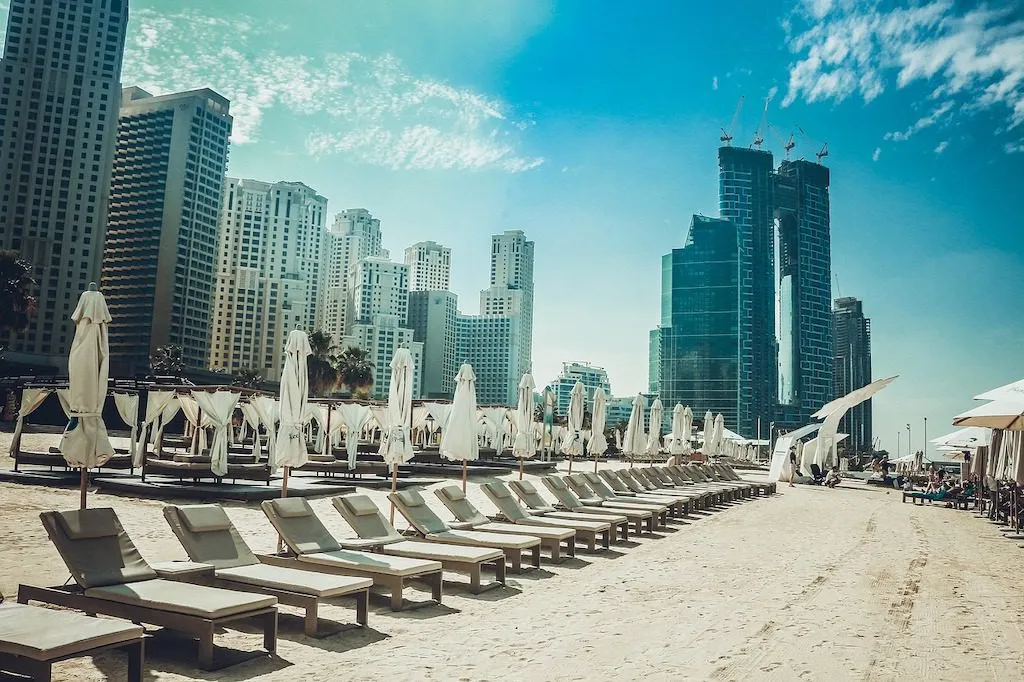
- July–October 2026: Sustained Attrition. As the conflict showed no signs of a diplomatic resolution, corporate travel and international tourism plummeted. Occupancy rates for short-term rentals in premium areas like Dubai Marina and Downtown Dubai fell below the 30% threshold required for operational break-even.
- November 2026: Final Announcement. Silkhaus confirms its total exit from the market, scheduled for completion by the end of the month.
Supporting Data: The Economic Impact on Dubai’s Tourism
The downturn that forced Silkhaus out of business is backed by sobering economic data from across the region. Tourism accounts for roughly 10% of Dubai’s Gross Domestic Product (GDP), making the city particularly sensitive to shifts in global travel sentiment.
According to data from regional tourism boards and aviation authorities, the impact of the U.S.-Iran war has been felt across several key metrics:
- Aviation Disruptions: Air traffic in the GCC airspace has decreased by an estimated 45% since March 2026. The closure of specific flight paths over the Gulf has increased flight times and fuel costs for carriers like Emirates and Etihad, leading to higher ticket prices and fewer tourist arrivals.
- Occupancy Rate Declines: Real estate data providers indicate that holiday-home occupancy rates in Dubai, which averaged 75–80% in 2024, have dropped to an average of 28% in the current quarter.
- Revenue Per Available Room (RevPAR): For the short-term rental sector, RevPAR has seen a 60% decline. While property owners have attempted to lower prices to attract guests, the lack of international demand has rendered these efforts largely ineffective.
- Investor Sentiment: Foreign Direct Investment (FDI) into the UAE’s real estate and prop-tech sectors has slowed significantly. Investors are increasingly wary of the "geopolitical risk premium" associated with assets in the Middle East.
Official Responses and Industry Reactions
The announcement by Silkhaus has sent shockwaves through the local business community. While the Dubai Department of Economy and Tourism (DET) has not issued a specific statement regarding Silkhaus, officials have acknowledged the "unprecedented external pressures" facing the sector.
"The resilience of Dubai’s economy is being tested by external factors beyond our control," said a senior consultant for a major Middle Eastern economic advisory firm. "Silkhaus was a darling of the Dubai tech scene. Their exit is a signal that the ‘wait and see’ approach is no longer viable for companies with high burn rates. We are likely to see more consolidation or exits in the coming months."
Competitors in the holiday-home space have also reacted with concern. A spokesperson for a rival rental firm, speaking on the condition of anonymity, noted that the industry is currently in "survival mode."
"The issue isn’t just a lack of tourists; it’s the uncertainty," the spokesperson said. "Travelers are afraid of being stranded or caught in a broader escalation. Even with the safety measures the UAE has in place, the global perception of the region is currently dominated by the conflict news cycle."
Broader Implications for the GCC Hospitality Landscape
The departure of Silkhaus is more than just the failure of a single startup; it is symptomatic of a broader shift in the GCC’s economic landscape. For years, the UAE and Saudi Arabia have marketed themselves as safe havens for investment and luxury tourism. The ongoing conflict threatens to undermine this narrative.
The Vulnerability of the Prop-Tech Model
The Silkhaus closure highlights a specific vulnerability in the "Prop-Tech" (Property Technology) business model. These companies often operate on thin margins, acting as intermediaries between property owners and travelers. Unlike traditional hotel chains that may own their assets or have massive cash reserves, tech startups are highly dependent on continuous venture capital and high-volume transactions. When the volume disappears due to war, the model collapses.
Impact on Saudi Arabia’s Vision 2030
The regional conflict also casts a shadow over Saudi Arabia’s ambitious Vision 2030. The Kingdom has invested billions into "Giga-projects" like NEOM and the Red Sea Project, aiming to attract 100 million visitors annually. With Silkhaus—which had recently entered the Saudi market—exiting the region, questions are being raised about the timeline and feasibility of these projects if regional instability persists.
The Shift to Long-Term Leasing
Market analysts predict a massive shift in the Dubai real estate market as a result of the holiday-home slump. Thousands of units currently registered as short-term rentals are expected to be converted back into long-term yearly leases. While this may provide some relief to residents facing high rents, it will likely lead to a decrease in the high-yield returns that international property investors have come to expect from the Dubai market.
Conclusion: A Precarious Future
The shutdown of Silkhaus at the end of November 2026 serves as a stark reminder of the fragile intersection between geopolitics and global commerce. As the U.S.-Iran conflict continues to dictate the pace of life and business in the Middle East, the hospitality sector must prepare for a long and difficult road to recovery.
For Silkhaus, the "bright chapter" may be closing, but its five-year run will be remembered as a period of innovation that was ultimately cut short by forces far beyond the boardroom. The focus for the Dubai government and the wider GCC will now turn to damage control and finding ways to decouple the region’s economic prospects from the volatility of international conflict. Until a lasting peace is achieved, the once-booming holiday-home market remains in a state of suspended animation, waiting for a return to the stability that once made it a global leader in travel and tourism.